
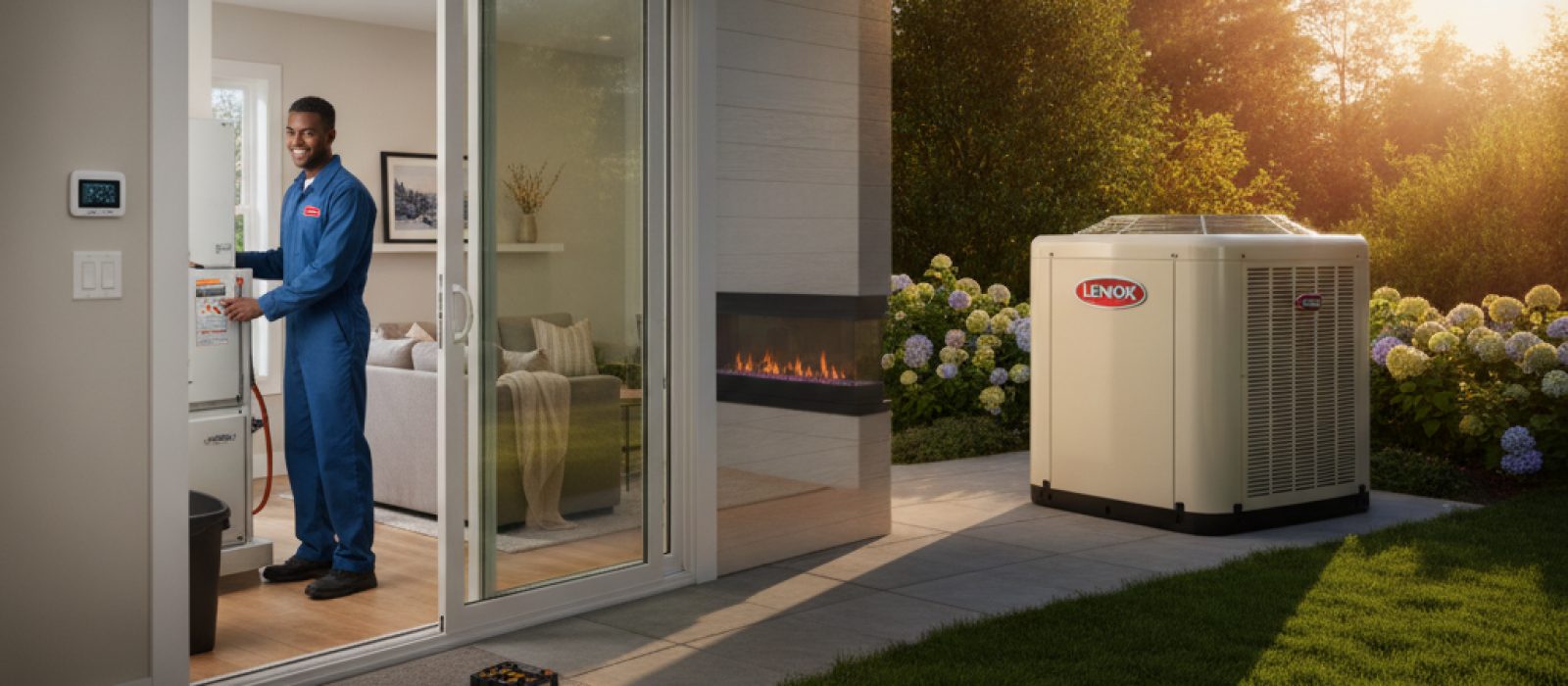
Lennox Furnaces and Heat Pumps: Repair Costs and Buying Guide
A practical guide for homeowners evaluating Lennox heating and cooling systems, covering repair expectations, maintenance needs, and replacement factors.
4 min read

A gas furnace relies on a pilot light—a small, constant flame—to ignite the main burners when the thermostat calls for heat. When this flame fails to stay lit, the furnace control system shuts off the gas supply as a critical safety measure. Understanding why this flame extinguishes is the first step toward restoring comfort to your home.
Several factors can cause a pilot light to flicker or extinguish entirely. Most issues relate to airflow, fuel supply, or the condition of the pilot assembly itself.
Furnaces require a specific balance of air to maintain combustion. If a nearby window is open, or if there is excessive movement of air in the utility room, the pilot flame can be blown out. Ensure that the furnace closet or utility area remains free of obstructions that could create turbulent airflow around the unit.
The thermocouple is a small metal sensor located directly in the path of the pilot flame. Its job is to detect the heat of the flame and signal the gas valve to remain open. If the thermocouple is worn, bent, or covered in carbon buildup, it will fail to sense the heat and trigger a safety shut-off. This is one of the most frequent reasons for a recurring pilot light failure.
Over time, dust, debris, and carbon deposits can accumulate in the pilot orifice, which is the tiny opening where the gas exits. A restricted orifice results in a weak, yellow flame instead of a sharp, blue one. A weak flame often fails to reach the thermocouple, causing the system to cut the gas supply.
In some cases, the problem originates with the gas pressure itself. If the gas pressure is too low, the pilot light will struggle to maintain its integrity. This can be caused by a faulty gas valve or, more rarely, an issue with the gas lines feeding the home. If you suspect gas pressure issues, professional Furnace Services are required to diagnose and calibrate the system safely.
Safety is the priority when working with gas appliances. If you smell a strong odor of gas, leave the home immediately and contact your utility provider or emergency services.
If the pilot light still will not stay lit after these basic checks, do not attempt to dismantle the gas valve or manipulate the main burner assembly. These tasks require specialized tools and professional training to avoid gas leaks or fire hazards.
Some issues are beyond the scope of general homeowner maintenance. If the thermocouple needs replacement or the gas valve is malfunctioning, attempting these repairs without the proper credentials can be dangerous. Engaging in regular Maintenance & Tune-up programs can often prevent these issues by ensuring that sensors and burners are cleaned and tested before the heating season begins.
Furthermore, if your furnace is older, it may be time to consider whether recurring pilot issues indicate a need for a system upgrade. Modern systems often utilize electronic ignition, eliminating the need for a standing pilot light entirely. If you are experiencing frequent failures, consult with a technician about your options for Energy Efficient Solutions that may improve home comfort and reduce utility costs.
Preventing pilot light issues often comes down to keeping the furnace components clean and free of debris. Dust accumulation is the primary enemy of furnace efficiency. By keeping the area surrounding your unit clean and scheduling periodic inspections, you minimize the risk of a mid-winter outage. If your system is part of a larger network, ensure that your Ductwork Services are also up to date, as clean air pathways help the furnace operate under less strain, extending the life of all ignition components.
A practical guide for homeowners evaluating Lennox heating and cooling systems, covering repair expectations, maintenance needs, and replacement factors.
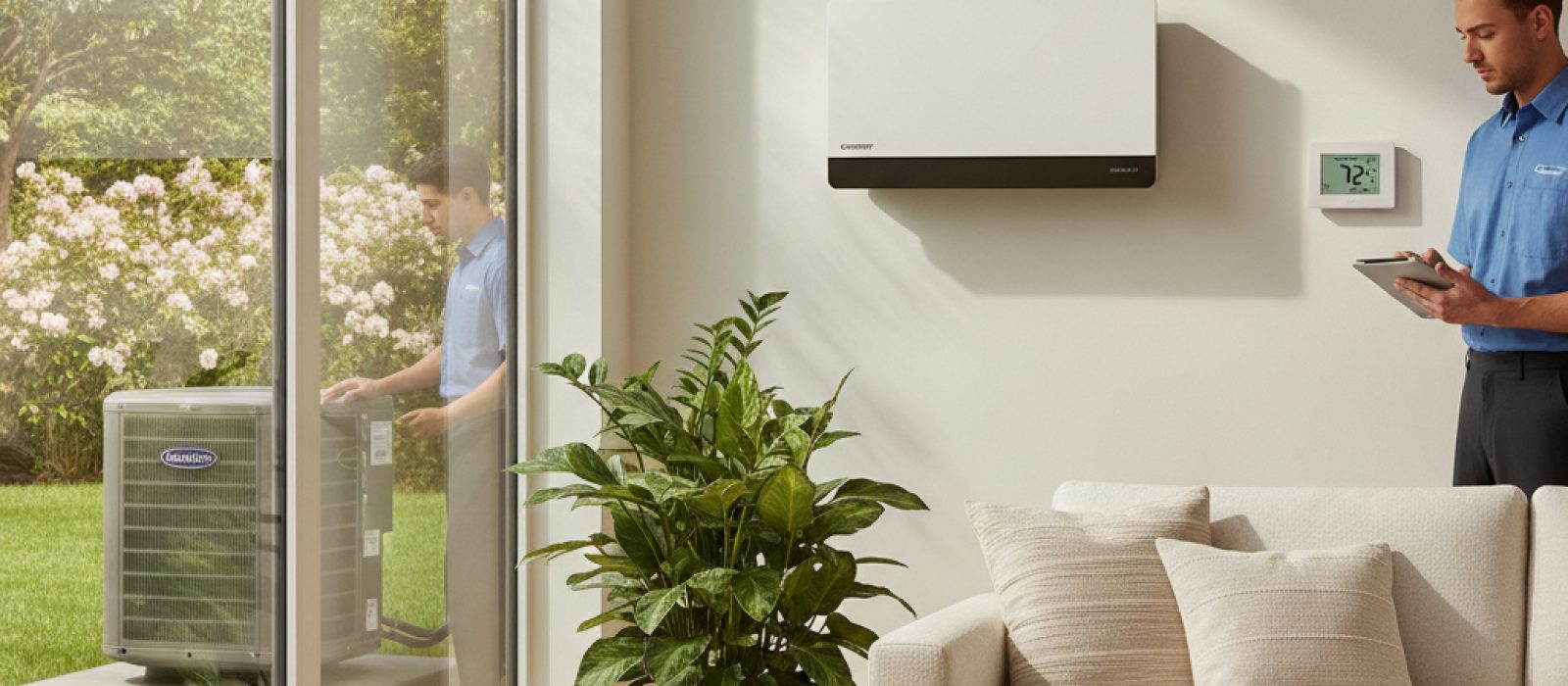
Learn how the Carrier Infinity series heat pumps and ductless systems balance high-efficiency heating with advanced climate control features.
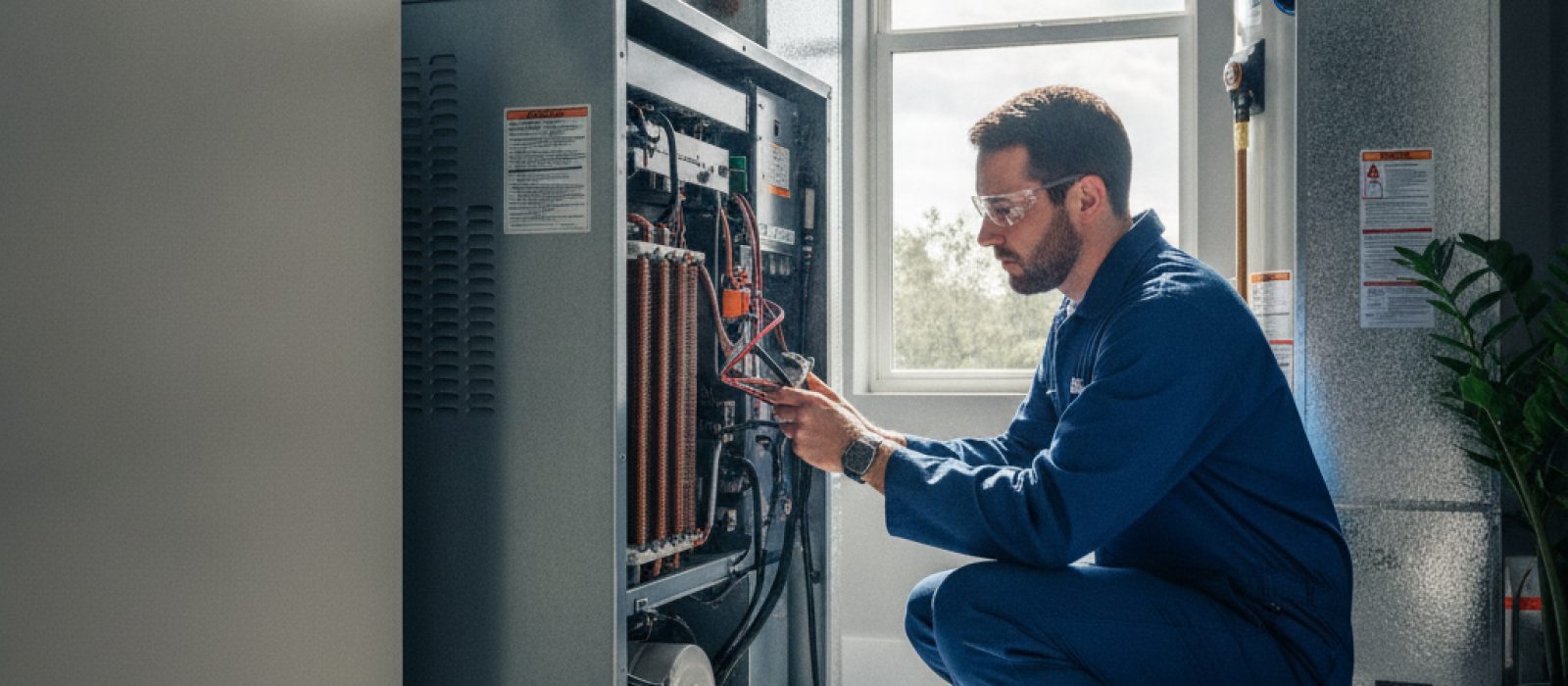
Learn how the air handler functions as the heart of your HVAC system, circulating air and regulating temperature throughout your home.
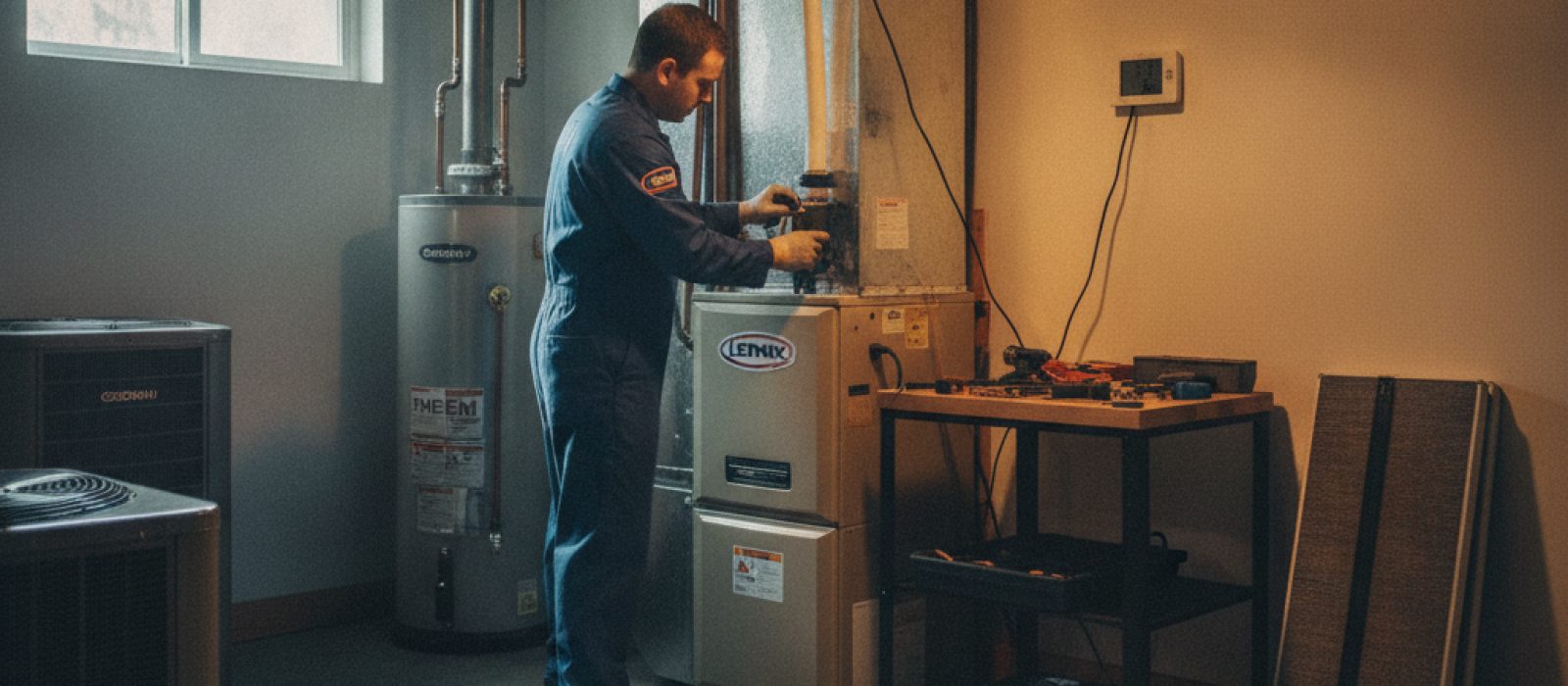
Learn how specific furnace brands influence repair frequency, component availability, and the diagnostic process for your home heating system.
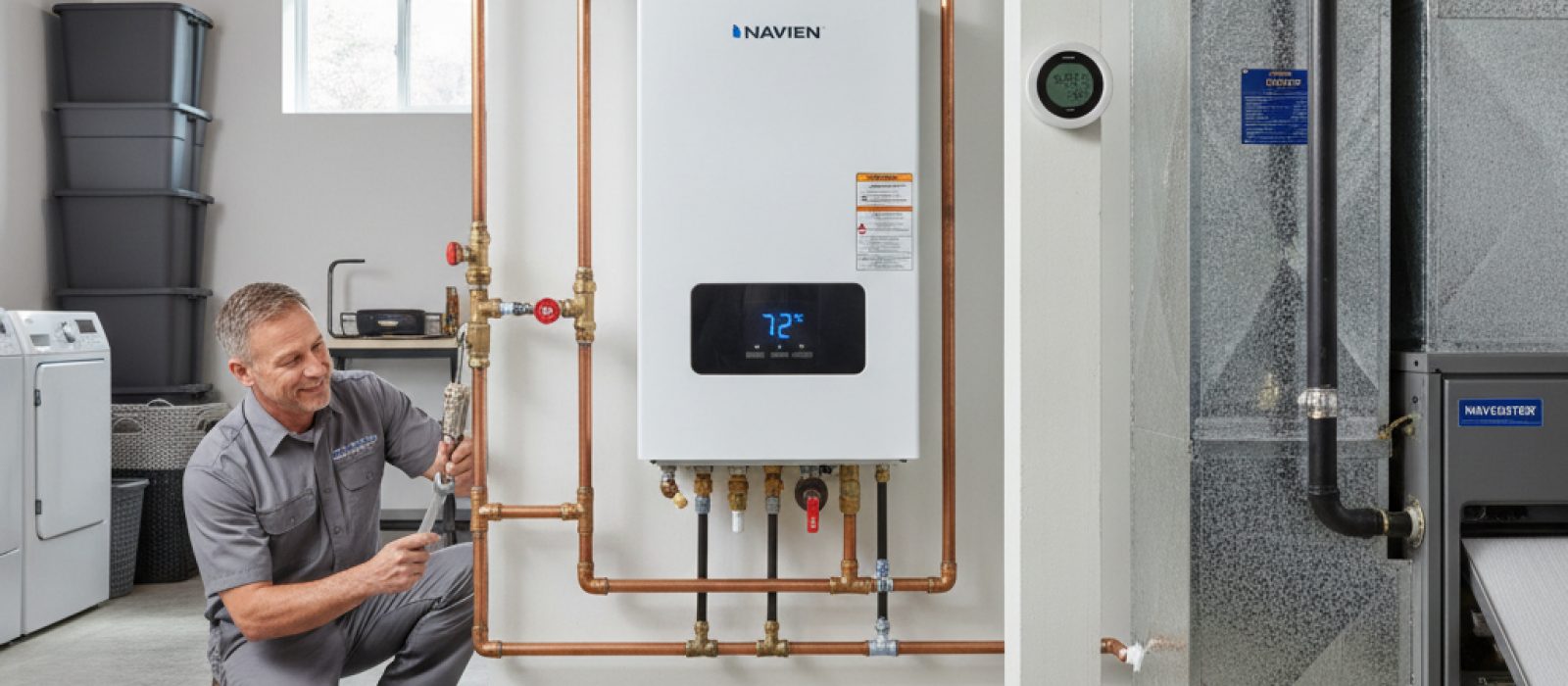
Evaluate the performance, efficiency, and installation requirements of Navien boilers for your residential heating system.
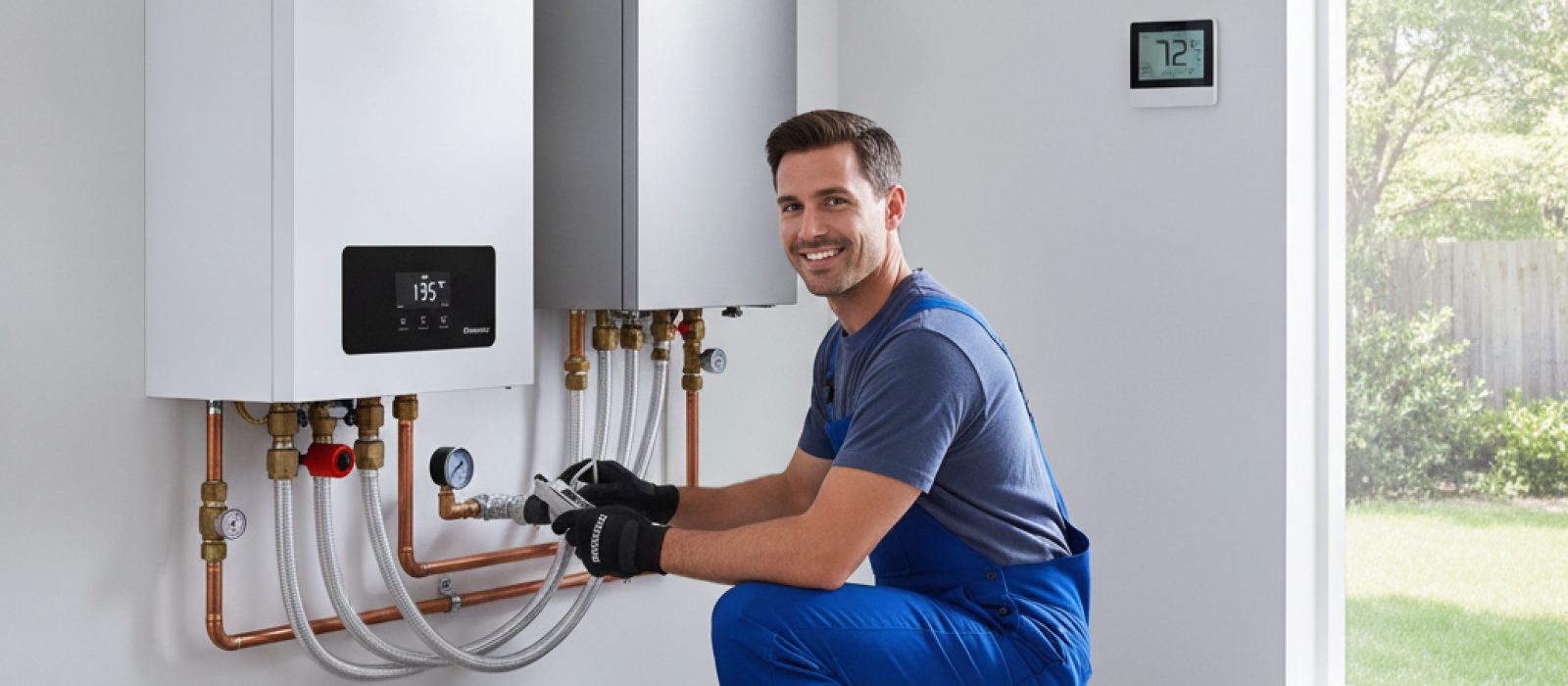
Learn how Rinnai combi boilers provide dual-function heating and hot water, helping you decide if this high-efficiency technology fits your home.
Be the first to comment.