HVAC Service Fast

How Often Should You Service Your Home Heating System?

4 min read

How Often Should You Service Your Home Heating System?

The Importance of Regular Heating System Maintenance

As the chill of autumn gives way to winter, your home's heating system becomes your most reliable ally against the cold. But how often do you truly think about its well-being? Just like your car, your heating system – whether it's a furnace, boiler, or heat pump – needs regular tune-ups to perform optimally, efficiently, and safely. Skipping maintenance can lead to unexpected breakdowns, higher energy bills, and even safety hazards.

Think of heating system maintenance as preventative care. A professional technician can spot minor issues before they escalate into costly repairs, ensure your system is running at peak efficiency, and extend its overall lifespan. It's an investment that pays dividends in comfort, savings, and peace of mind.

The Golden Rule: Annual Professional Servicing

For most residential heating systems, the consensus among HVAC experts is clear: annual professional maintenance is essential. This should ideally be scheduled in the late summer or early fall, before you heavily rely on your system for the colder months. Scheduling it early allows ample time for any necessary repairs or adjustments without leaving you in the cold.

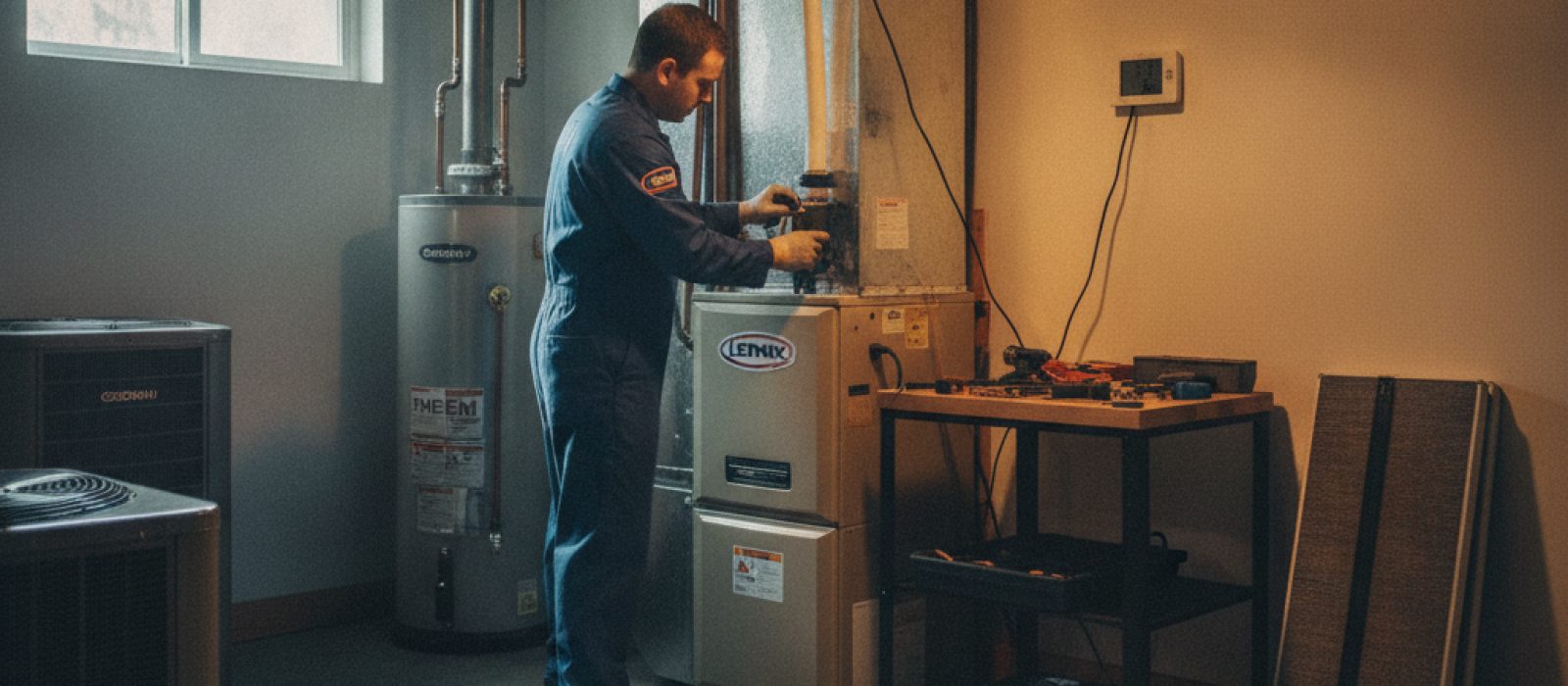
  • Furnaces: Gas and electric furnaces benefit greatly from yearly check-ups to ensure all components are clean, calibrated, and operating safely.
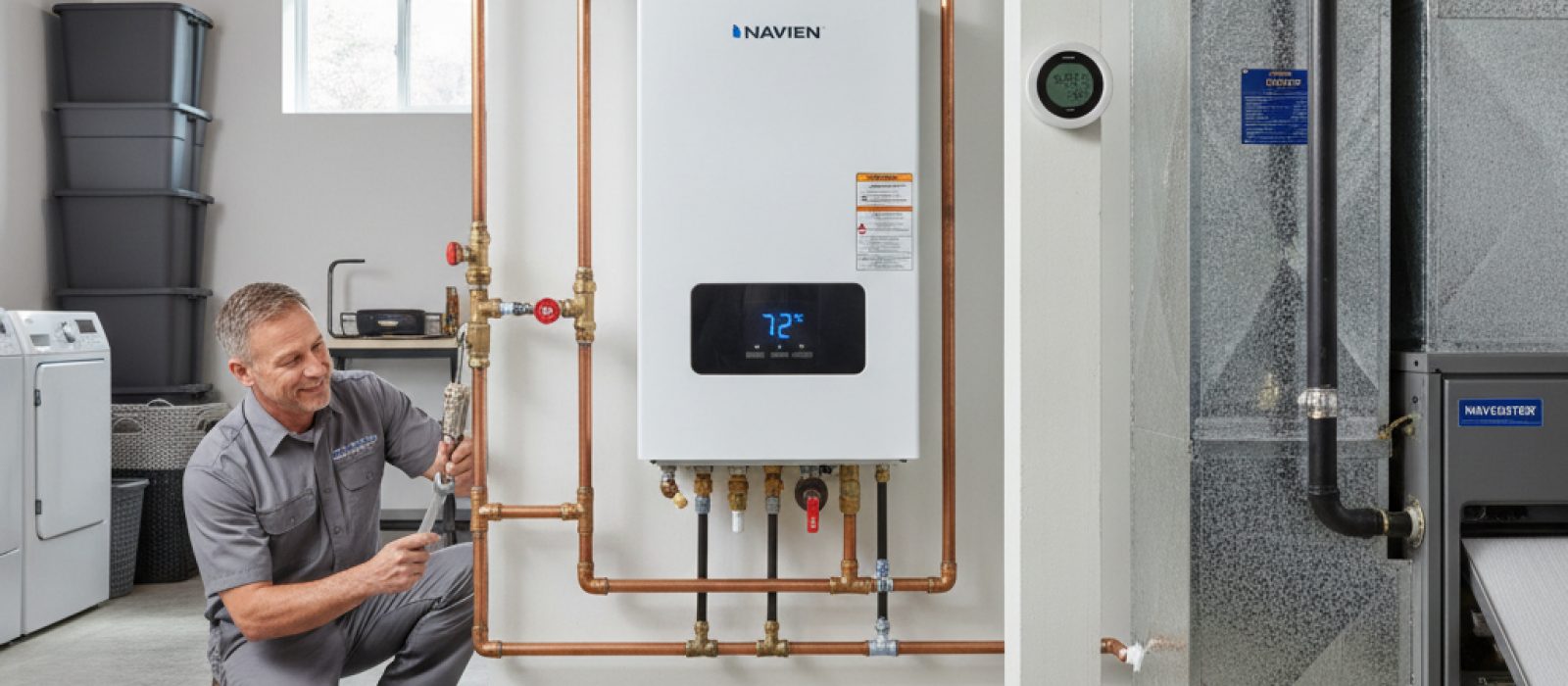
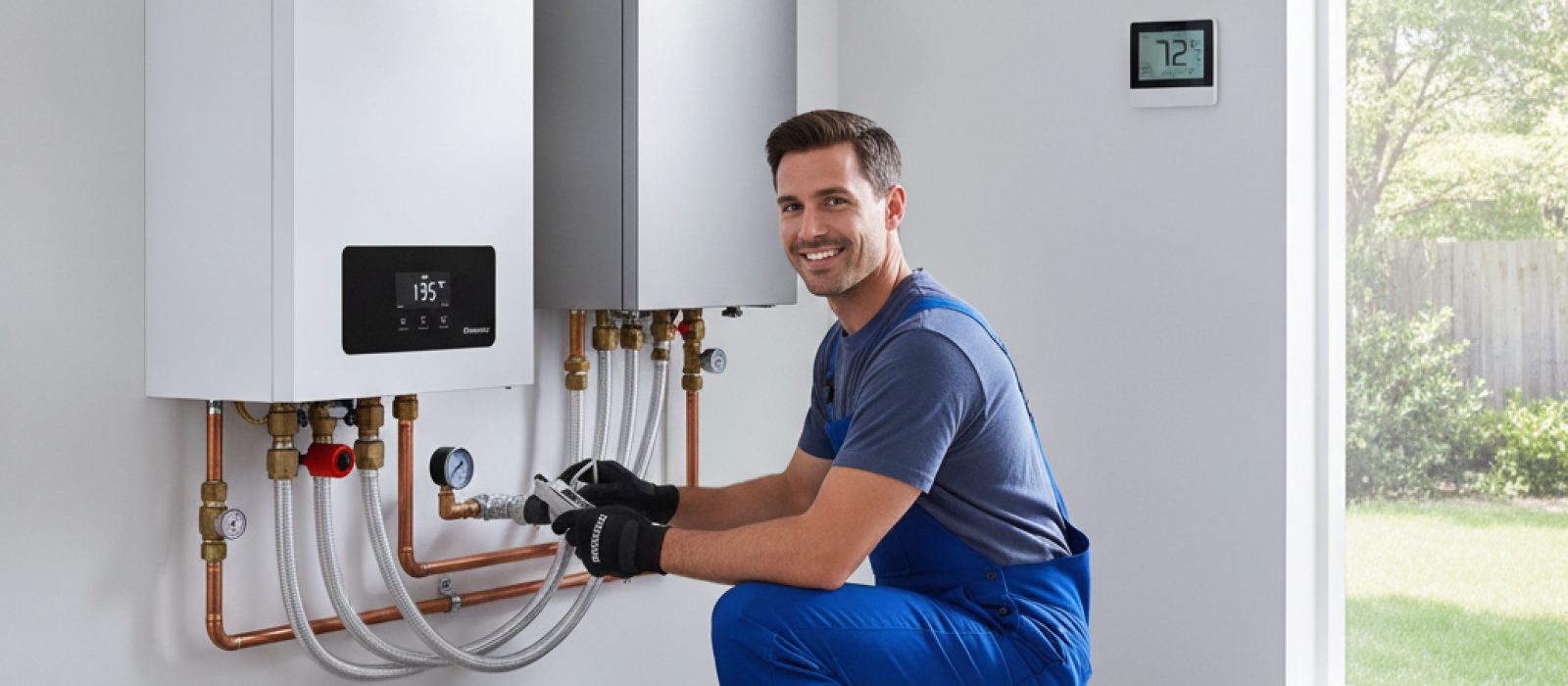
  • Boilers: Boilers, whether hot water or steam, also require annual servicing to check pressure, water levels, and overall system integrity.
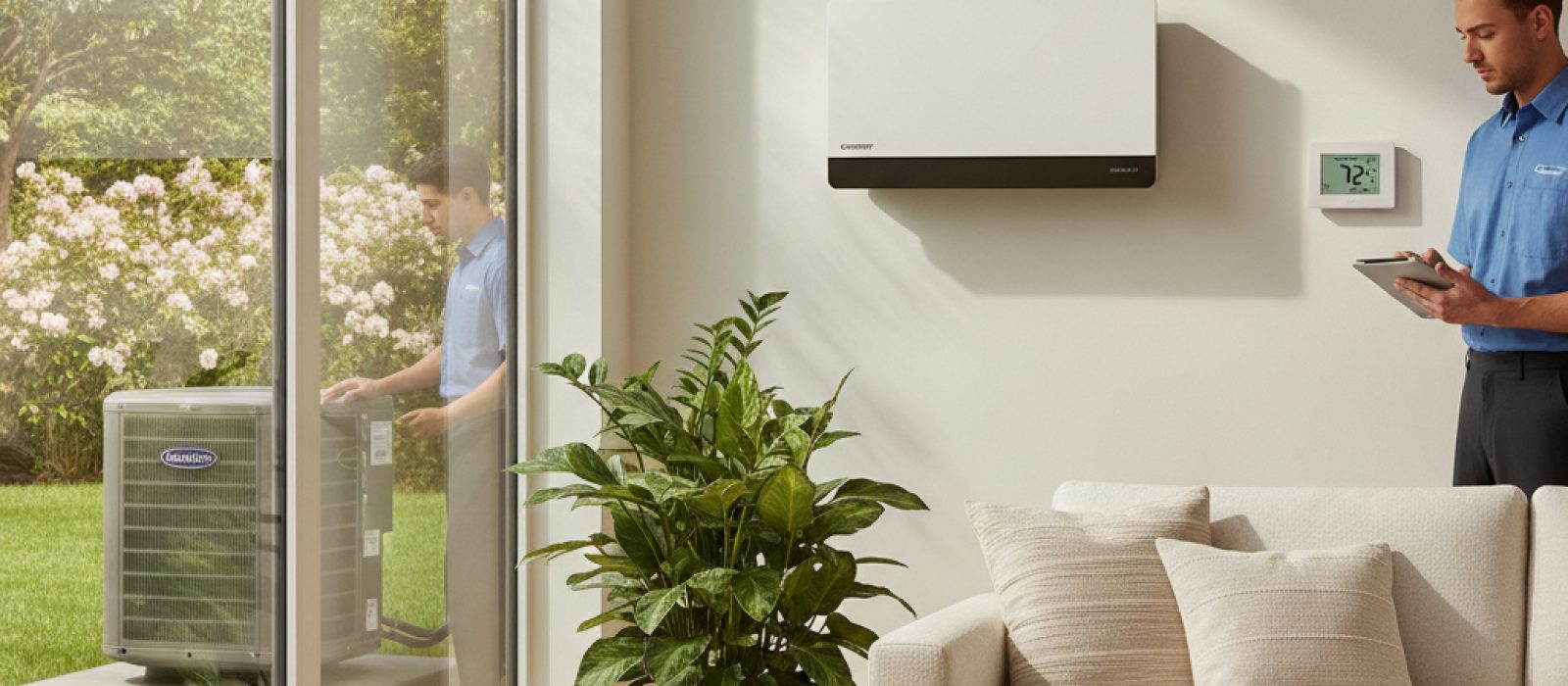
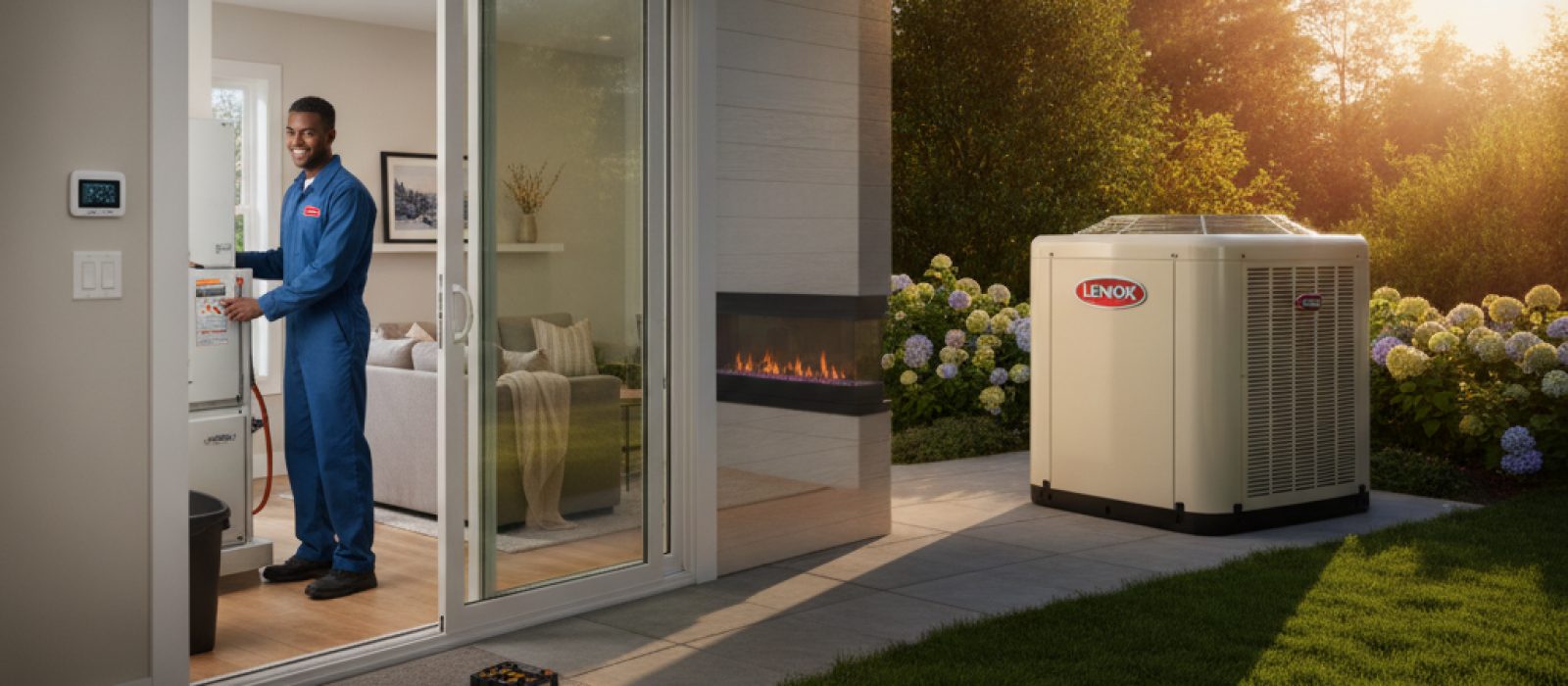
  • Heat Pumps: Since heat pumps provide both heating and cooling, they often benefit from bi-annual check-ups – one in spring for cooling and one in fall for heating.

What Does a Professional Heating System Tune-Up Include?

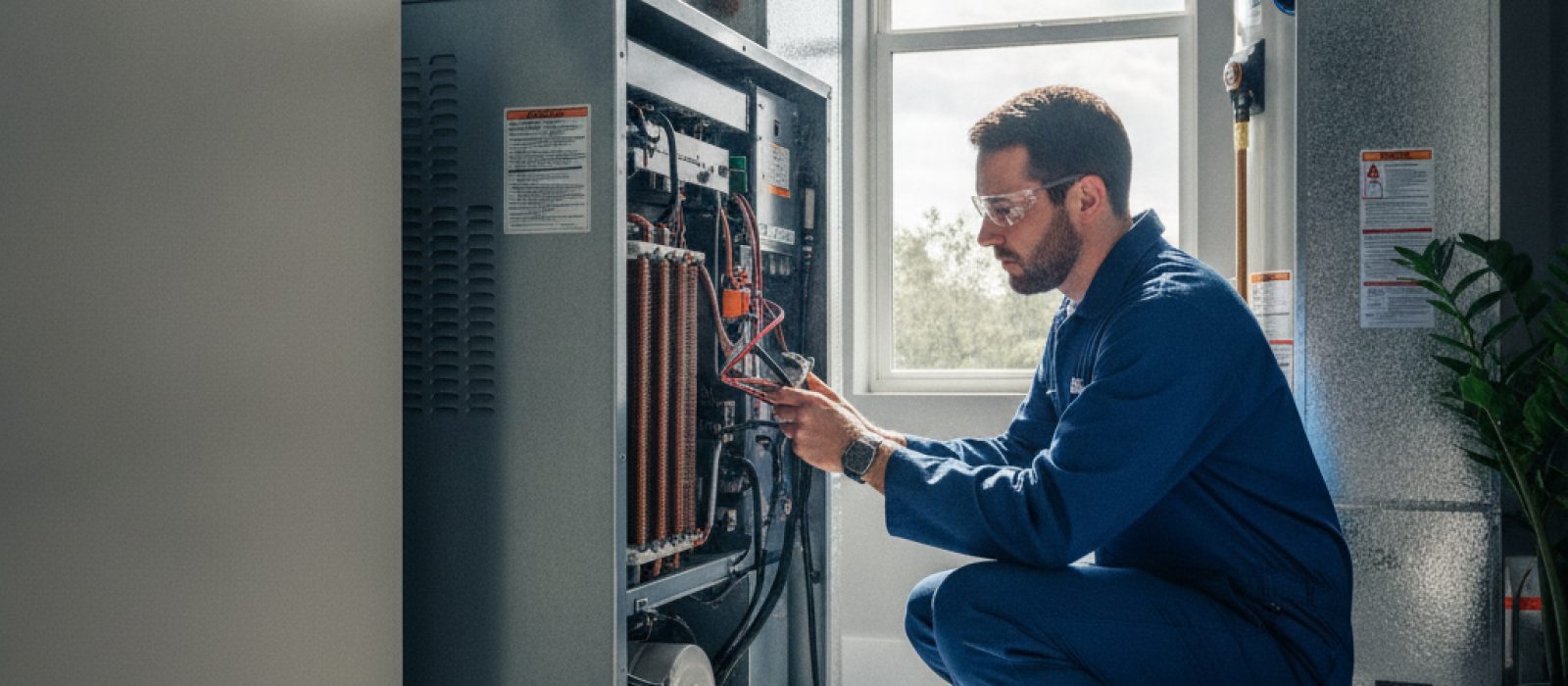
A comprehensive professional service visit typically covers a range of critical checks and adjustments designed to optimize your system's performance and safety. While specific items may vary slightly based on your system type, here's a general overview:

  • Safety Inspection: Checking for carbon monoxide leaks (for gas furnaces/boilers), ensuring proper ventilation, and inspecting electrical connections.
  • Component Cleaning: Cleaning burners, heat exchanger, flame sensor, and other critical parts to remove dirt and debris that can hinder efficiency.
  • Filter Replacement/Cleaning: Inspecting and replacing or cleaning air filters, which are vital for air quality and system airflow.
  • Lubrication: Oiling moving parts to reduce friction and wear.
  • Thermostat Calibration: Ensuring your thermostat is accurately reading and controlling temperatures.
  • Ductwork Inspection: Checking for leaks or obstructions in the ductwork that could be wasting energy.
  • Performance Testing: Measuring airflow, temperature rise, and fuel input to ensure the system is operating within manufacturer specifications.
  • Pilot Light/Ignition System Check: Verifying proper operation for systems with pilot lights or electronic ignition.

Beyond Annual Checks: What You Can Do

While professional servicing is paramount, there are a few simple tasks you can perform throughout the heating season to complement annual maintenance and keep your system running smoothly:

  • Change Your Air Filter Regularly: This is perhaps the most important homeowner task. Check your filter monthly and replace it every 1-3 months, or more frequently if you have pets, allergies, or a lot of dust. A dirty filter restricts airflow, making your system work harder and consume more energy.
  • Keep Vents Clear: Ensure all heating vents and return air registers are unobstructed by furniture, rugs, or drapes. Good airflow is essential for even heating.
  • Listen and Look for Changes: Pay attention to any unusual noises, smells, or changes in your heating system's performance. Catching these early can prevent bigger problems.
  • Keep the Area Around Your System Clear: Ensure there's at least a few feet of clear space around your furnace or boiler for proper airflow and safe operation.

The Cost of Neglect vs. The Value of Maintenance

Some homeowners view annual maintenance as an unnecessary expense. However, the cost of neglect far outweighs the price of a tune-up. Unmaintained systems are prone to:

  • Higher Energy Bills: Inefficient systems consume more fuel to achieve the same level of heat.
  • Frequent Breakdowns: Minor issues left unaddressed can lead to major, expensive repairs.
  • Reduced Lifespan: A system that works harder will wear out faster, necessitating premature replacement.
  • Safety Risks: Especially with gas-fired systems, lack of maintenance can lead to dangerous carbon monoxide leaks.

Investing in annual heating system maintenance is not just about keeping warm; it's about protecting your home, your family's safety, and your wallet. Schedule your professional tune-up today and enjoy a cozy, efficient, and worry-free heating season.

#Energy Efficiency #home comfort #HVAC #Heating System #Furnace Maintenance #Boiler Service

Frequently asked questions

How often should I have my home heating system professionally serviced?
Most residential heating systems, including furnaces and boilers, should receive professional maintenance annually. Heat pumps, which provide both heating and cooling, often benefit from bi-annual check-ups.
When is the best time to schedule heating system maintenance?
It is ideal to schedule professional heating system maintenance in the late summer or early fall, before the colder months and you heavily rely on your system.
What does a professional heating system tune-up typically include?
A professional tune-up usually includes a safety inspection, component cleaning, filter replacement/cleaning, lubrication, thermostat calibration, ductwork inspection, and performance testing.
What can homeowners do to maintain their heating system between professional services?
Homeowners should regularly change or clean air filters (every 1-3 months), keep vents clear of obstructions, pay attention to unusual noises or smells, and ensure the area around the system remains clear.
Why is annual heating system maintenance important?
Annual maintenance helps prevent unexpected breakdowns, reduces energy bills by ensuring efficiency, extends the system's lifespan, and addresses potential safety hazards like carbon monoxide leaks.

Related articles

Comments (0)

Be the first to comment.

Leave a comment

Security code

Comments are moderated before they appear.