
Lennox Furnaces and Heat Pumps: Repair Costs and Buying Guide
A practical guide for homeowners evaluating Lennox heating and cooling systems, covering repair expectations, maintenance needs, and replacement factors.
4 min read

Finished basements present unique thermal challenges due to their location below grade. Because concrete walls and floors act as thermal sinks, they absorb heat from the interior space, often leaving the room feeling colder than the rest of the home. Before selecting a heating method, evaluate the existing insulation and moisture control, as heating a damp or poorly insulated space leads to inefficient energy use and potential mold growth.
Standard residential HVAC systems are often sized based on the square footage of the upper levels. Adding a finished basement to the existing load can overwhelm a furnace that was not originally specified for the additional volume. Always consult with a professional regarding Furnace Services to ensure the existing equipment can handle the increased demand without sacrificing performance or longevity.
For homes with a central forced-air system, extending the existing supply and return ductwork is a common approach. This method integrates the basement into the home's primary climate control zone. However, simply cutting into existing metal ducts is rarely sufficient.
Properly extending ductwork requires a manual load calculation to ensure the blower motor can handle the added static pressure. If the ductwork is undersized, the system may struggle to move air effectively, leading to uneven temperatures on the main floor. Professional Ductwork Services are essential here to ensure that air balancing is performed correctly, preventing the basement from becoming a 'pressure sink' that pulls conditioned air away from upper levels.
Many DIY basement renovations fail because they add supply vents but neglect return air paths. Without a dedicated return, the basement air becomes stagnant and the HVAC system cannot complete the cycle of heating and filtering. Ensure that any extension includes a return air vent to maintain consistent airflow and support overall Indoor Air Quality.
Ductless mini-split systems are frequently the most efficient solution for basement heating. These systems consist of an outdoor condenser connected to one or more indoor air-handling units mounted on the wall or ceiling. They operate independently of the home’s primary furnace, allowing for precise zone control.
Because they are highly energy-efficient and do not rely on central ductwork, they avoid the common pitfalls of forced-air extensions. A Heat Pump provides both heating in the winter and cooling in the summer, making it an ideal choice for a basement that serves as a media room, office, or guest suite. Installation requires a small penetration through the exterior wall for refrigerant lines and electrical conduit, which should always be handled by a licensed technician.
Electric resistance heating, such as baseboard units, is relatively simple to install but can be expensive to operate as a primary heat source. These units are better suited for supplemental heating in smaller, rarely used basement rooms. Because they do not provide air circulation, they should not be used in basements where humidity control is a primary concern.
Radiant heating systems, installed under the flooring, offer superior comfort by warming surfaces directly. While highly effective for cold concrete floors, these systems are best installed during the initial construction phase of the basement finish. Retrofitting radiant heat is labor-intensive and often requires significant floor height adjustments.
Heating a basement changes the dew point of the air, which can influence moisture accumulation. As the space warms, it may pull moisture out of the concrete foundation walls. If the basement is not properly waterproofed, heating the air can actually accelerate the growth of mildew.
Incorporate a dehumidifier into your basement climate strategy if the humidity levels consistently exceed recommended thresholds. Consistent monitoring of your home's environment is the best way to protect your investment. If you notice unusual odors or persistent dampness, professional inspections can help identify if your issue stems from plumbing leaks or poor foundation drainage, which should be addressed before finalizing any heating installation.
Any modification involving electrical circuits, gas lines, or refrigerant systems carries inherent risks. While minor tasks like changing filters or adjusting smart thermostats are well within the scope of a typical homeowner, system design, load calculations, and major HVAC installations require specialized tools and certifications.
Improperly installed systems can lead to carbon monoxide risks, electrical fires, or premature system failure. Relying on professional expertise ensures that the installation complies with local building codes and safety regulations. When planning your project, prioritize long-term efficiency and system compatibility over short-term savings to ensure the basement remains a comfortable, safe living space for years to come.
A practical guide for homeowners evaluating Lennox heating and cooling systems, covering repair expectations, maintenance needs, and replacement factors.
Learn how the Carrier Infinity series heat pumps and ductless systems balance high-efficiency heating with advanced climate control features.
Learn how the air handler functions as the heart of your HVAC system, circulating air and regulating temperature throughout your home.
Learn how specific furnace brands influence repair frequency, component availability, and the diagnostic process for your home heating system.
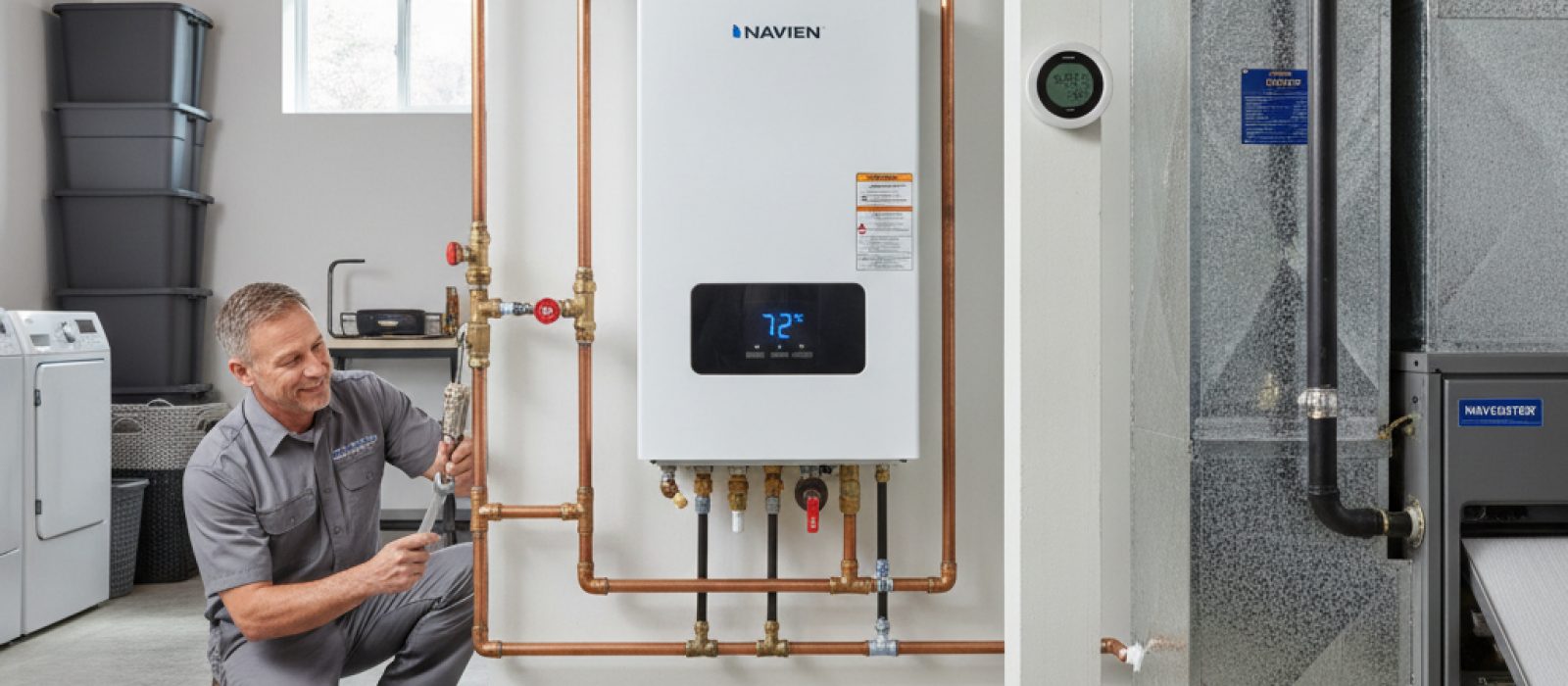
Evaluate the performance, efficiency, and installation requirements of Navien boilers for your residential heating system.
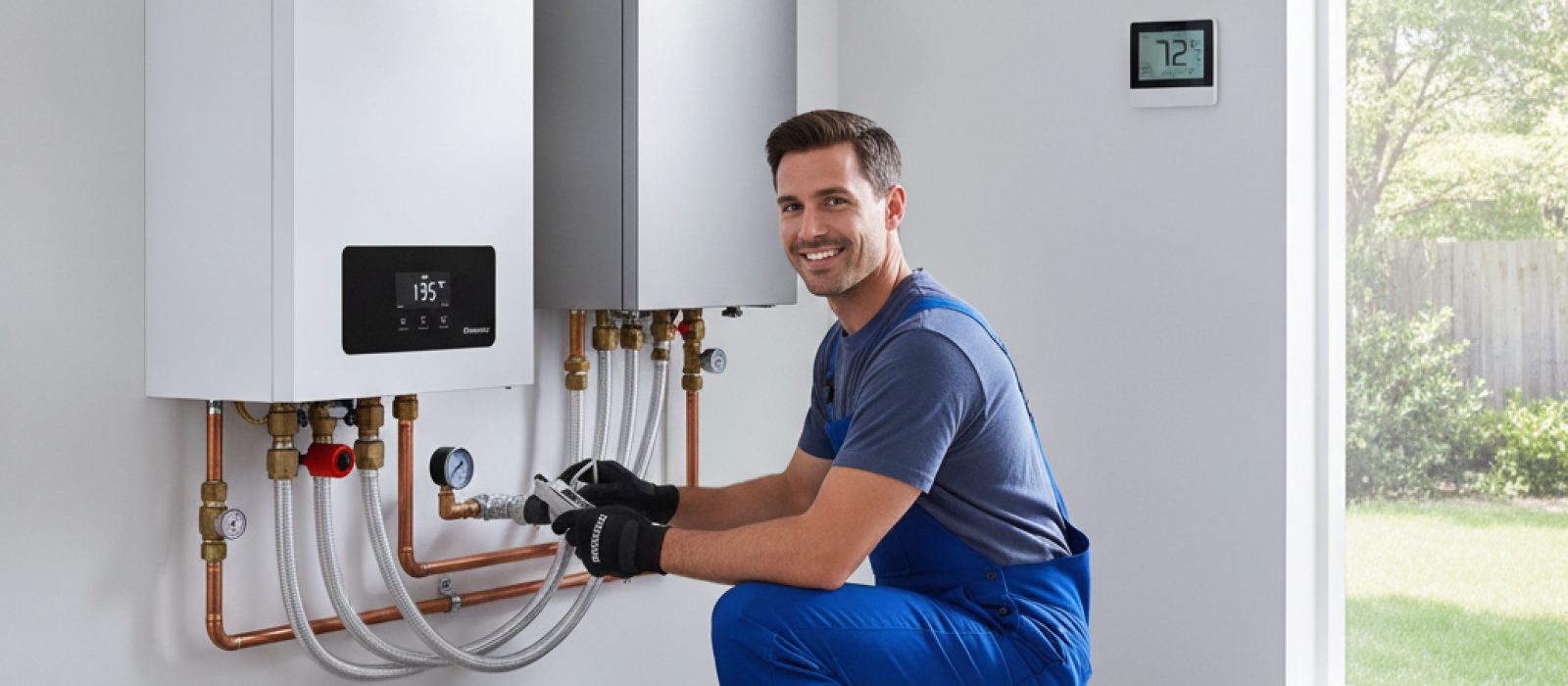
Learn how Rinnai combi boilers provide dual-function heating and hot water, helping you decide if this high-efficiency technology fits your home.
Be the first to comment.