
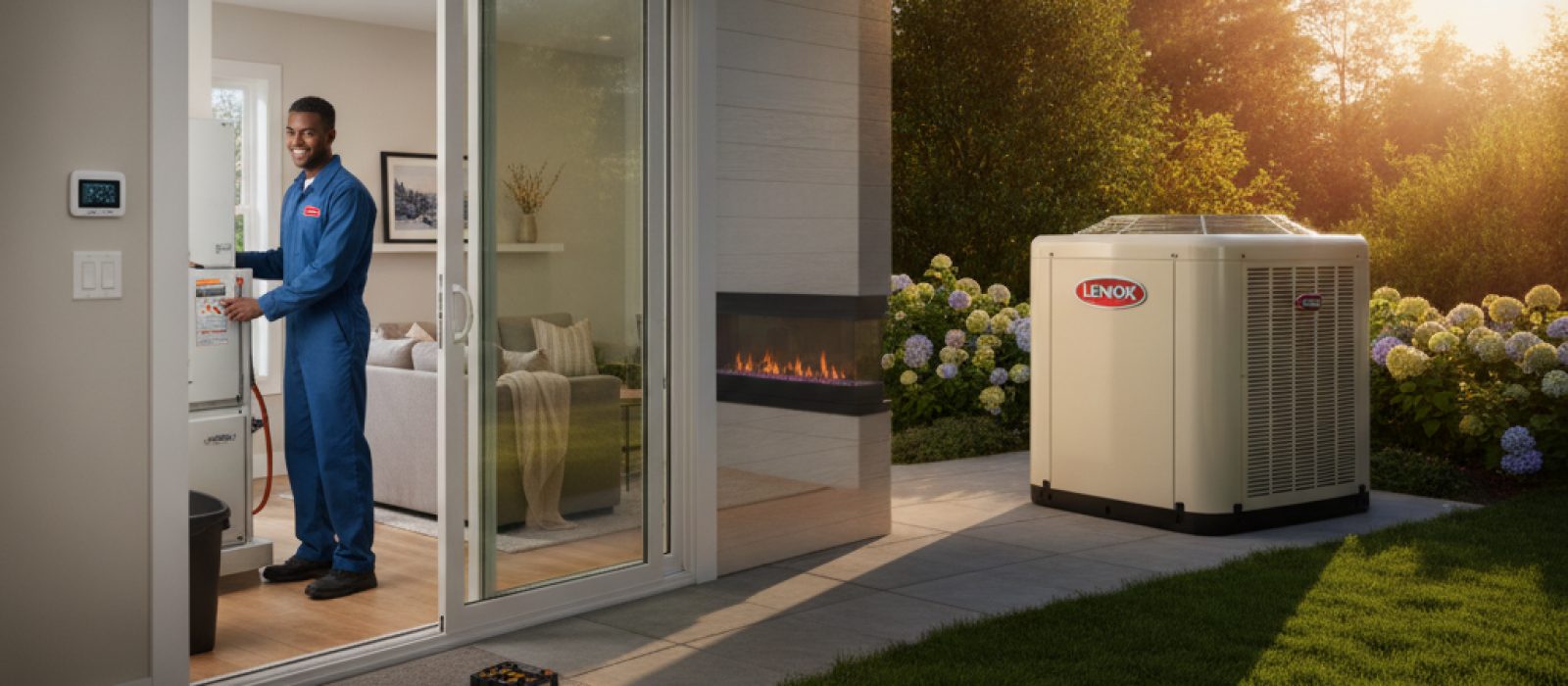
Lennox Furnaces and Heat Pumps: Repair Costs and Buying Guide
A practical guide for homeowners evaluating Lennox heating and cooling systems, covering repair expectations, maintenance needs, and replacement factors.
4 min read

Heat pumps are highly efficient at moving heat from the outdoors into your home, even when the temperature is relatively low. However, as outdoor temperatures drop significantly, the heat pump may struggle to extract enough heat from the ambient air to satisfy the thermostat setting. This is where heat strips, also known as auxiliary or emergency heat, come into play.
Heat strips are essentially electrical resistance heating elements located inside the air handler unit. They function similarly to a toaster or a space heater, converting electricity directly into heat. When the heat pump can no longer maintain the desired indoor temperature on its own, the system controller activates these strips to provide supplemental warmth.
The transition between heat pump operation and heat strip activation is managed by the thermostat and the system's control board. Most modern thermostats are programmed to detect when the heat pump is failing to raise the indoor temperature quickly enough. If the temperature differential between the set point and the actual room temperature is too large, the system assumes the pump needs help.
Another trigger is the outdoor temperature sensor. Many systems are configured to lock out the heat pump entirely if the outdoor air is too cold for the compressor to operate safely. In these instances, the heat strips take over as the primary heat source. This ensures that even during a deep freeze, your home remains comfortable while relying on your Heating Services provider to ensure the system is optimized for local climate conditions.
It is common to confuse auxiliary heat with emergency heat, though they function similarly. Auxiliary heat is an automatic process where the heat strips kick in to assist the heat pump during normal, cold-weather operation. The system determines this need based on outdoor conditions and demand.
Emergency heat is a manual setting found on many thermostats. This setting bypasses the heat pump entirely, forcing the system to run exclusively on the heat strips. This is typically reserved for situations where the outdoor unit has failed or is iced over, and you need immediate warmth while waiting for a professional technician to arrive. Because heat strips consume significantly more electricity than the heat pump compressor, running the system in emergency mode for extended periods can lead to a substantial increase in utility costs.
The primary difference between a heat pump and heat strips is the method of heat production. A heat pump moves heat, which is an efficient process, while heat strips generate heat through electrical resistance, which is far less efficient. Because of this, heat strips should ideally be used sparingly.
If you find that your heat strips are running constantly during mild weather, it may indicate a mechanical issue, such as a refrigerant leak or a faulty defrost sensor. In such cases, scheduling regular Maintenance & Tune-up visits can help identify these inefficiencies before they impact your energy bills. Ensuring your system is operating at peak performance is essential for both comfort and cost management.
While homeowners can monitor their thermostat settings and check for obvious signs of trouble, diagnosing electrical components like heat strips requires specialized training. If you notice a burning smell, flickering lights when the heat kicks on, or if your system is stuck in emergency mode, you should contact a professional for Electrical Services. Attempting to modify or repair the high-voltage wiring inside the air handler is dangerous and should always be left to a licensed technician.
Furthermore, if your heat pump is frequently relying on heat strips even when outdoor temperatures are moderate, it may be a sign that your ductwork is leaking heat or the system is improperly sized for your home. Consulting with experts in Heat Pumps can help you determine if your current setup is adequate or if there are underlying issues with your home's thermal envelope that need to be addressed.
Because heat strips sit idle for much of the year, they can accumulate dust and debris. During your annual service, a technician should inspect the elements for signs of corrosion or loose connections. Keeping the air handler clean also ensures that the heat generated by the strips is properly distributed throughout the home.
If you have concerns about your system's performance, be observant of how often your thermostat displays an 'Aux' or 'EM' light. Knowing when these indicators appear helps your service technician narrow down potential problems during a diagnostic visit. Keeping a log of these occurrences can save time and help resolve heating issues more efficiently.
A practical guide for homeowners evaluating Lennox heating and cooling systems, covering repair expectations, maintenance needs, and replacement factors.
Learn how the Carrier Infinity series heat pumps and ductless systems balance high-efficiency heating with advanced climate control features.
Learn how the air handler functions as the heart of your HVAC system, circulating air and regulating temperature throughout your home.
Learn how specific furnace brands influence repair frequency, component availability, and the diagnostic process for your home heating system.
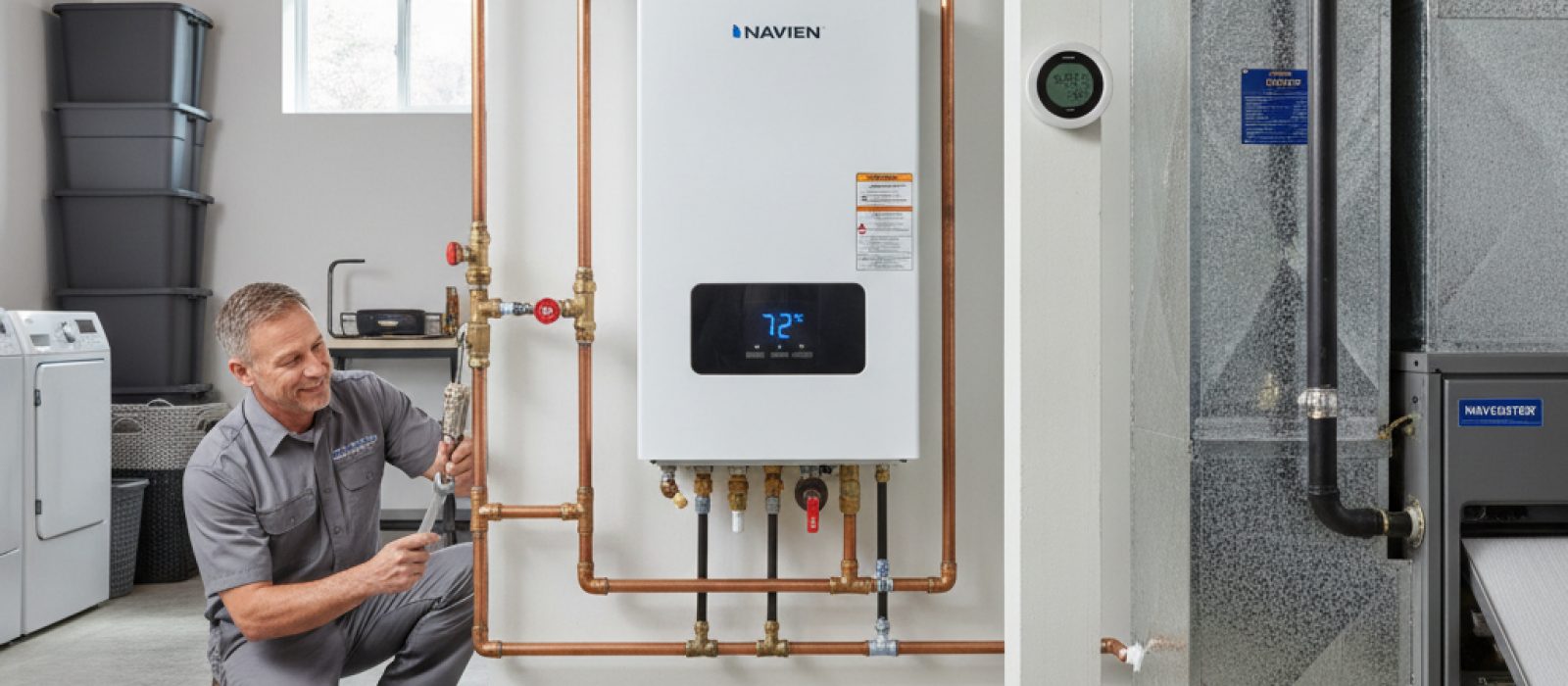
Evaluate the performance, efficiency, and installation requirements of Navien boilers for your residential heating system.
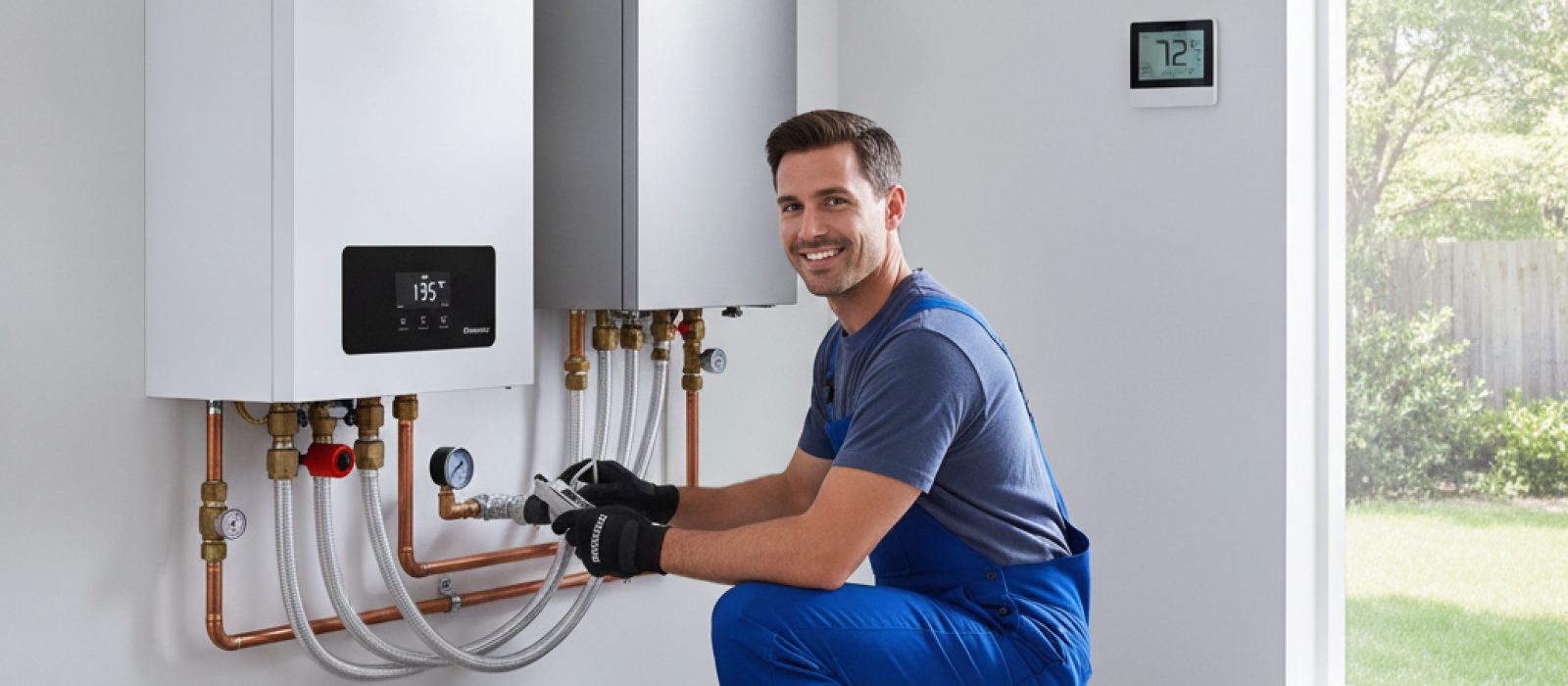
Learn how Rinnai combi boilers provide dual-function heating and hot water, helping you decide if this high-efficiency technology fits your home.
Be the first to comment.