HVAC Service Fast

Heat Pump vs. Furnace: Which is Right for Your Home?

4 min read

Heat Pump vs. Furnace: Which is Right for Your Home?

Understanding Your Heating Options

When it comes to keeping your home warm and comfortable during colder months, U.S. homeowners typically have two primary choices: a traditional furnace system or a modern heat pump. Both systems are designed to provide warmth, but they operate on fundamentally different principles, leading to variations in efficiency, cost, and comfort. Understanding these differences is key to making an informed decision for your home.

Many factors influence which system is ideal for you, including your local climate, energy costs, existing ductwork, and personal priorities regarding energy efficiency and upfront investment. Let's dive into the specifics of each system to help clarify which might be the better fit.

The Traditional Furnace System: Reliable Warmth

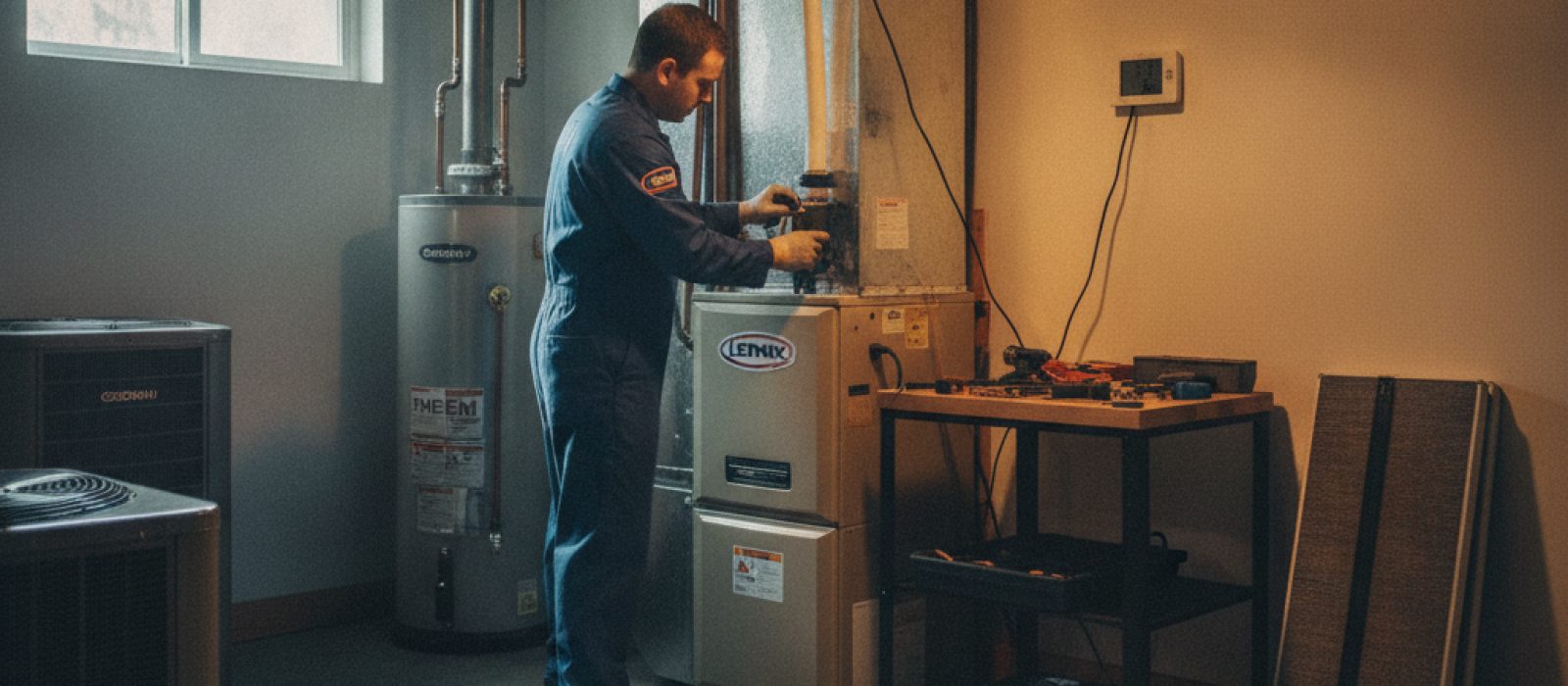
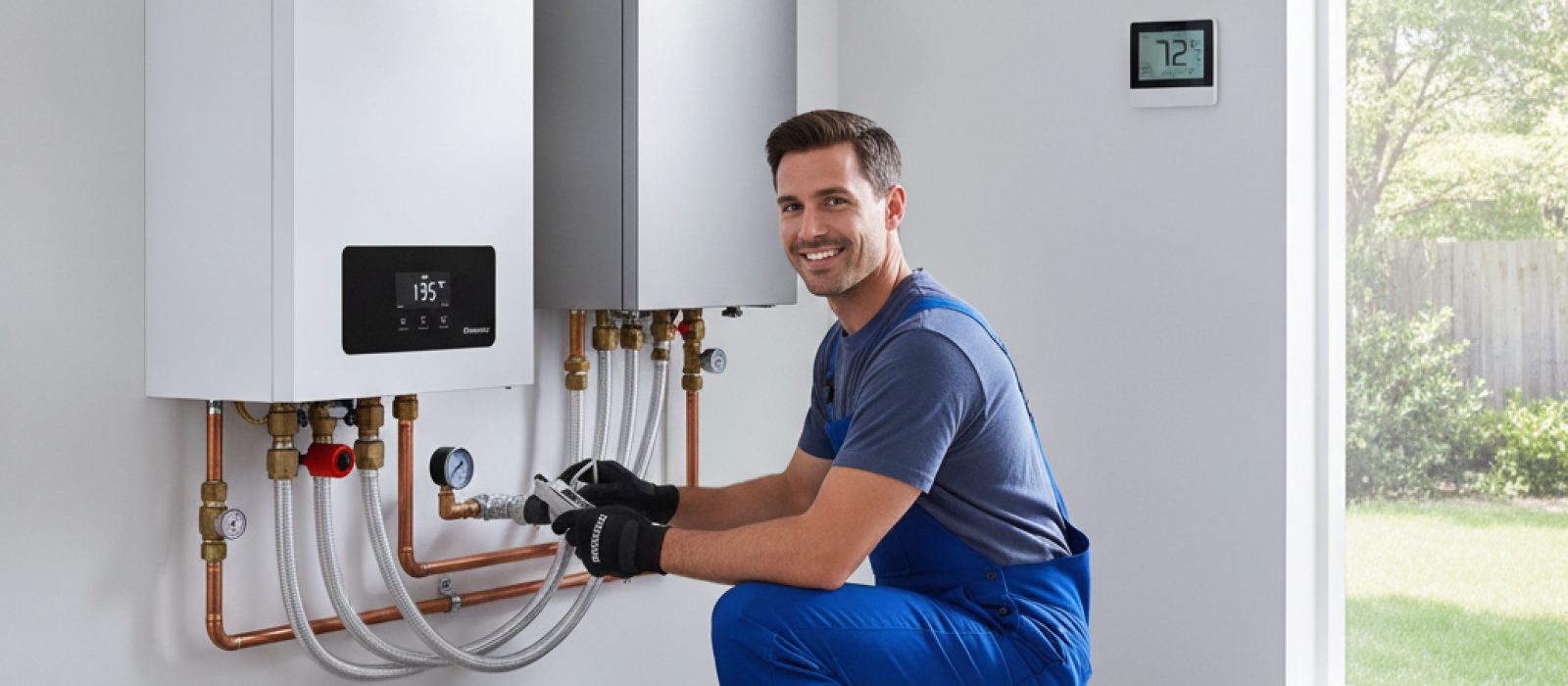
A furnace system is a common heating solution, particularly in regions with very cold winters. It works by burning a fuel source – typically natural gas, propane, or fuel oil – to generate heat. This heat then warms air, which is distributed throughout your home via a blower and ductwork.

Pros of a Furnace System:

  • Powerful Heating: Furnaces, especially gas models, can produce very high temperatures quickly, making them highly effective in extremely cold climates.
  • Lower Upfront Cost: Generally, a new furnace system can have a lower initial installation cost compared to a heat pump.
  • Proven Technology: Furnaces have been a staple in home heating for decades, with well-established service and parts availability.
  • Reliability: They are known for their robust performance and ability to maintain consistent indoor temperatures even during severe cold snaps.

Cons of a Furnace System:

  • Fuel Dependency: Relies on fossil fuels, which can be subject to price fluctuations and environmental concerns.
  • No Cooling Function: A furnace only heats; you'll need a separate air conditioning unit for cooling in warmer months.
  • Energy Efficiency: While modern furnaces are highly efficient, they still consume fuel directly, which can be less efficient than a heat pump's electricity usage in moderate climates.
  • Maintenance: Requires annual maintenance, including filter changes and safety checks for combustion.

The Modern Heat Pump: Efficient All-Season Comfort

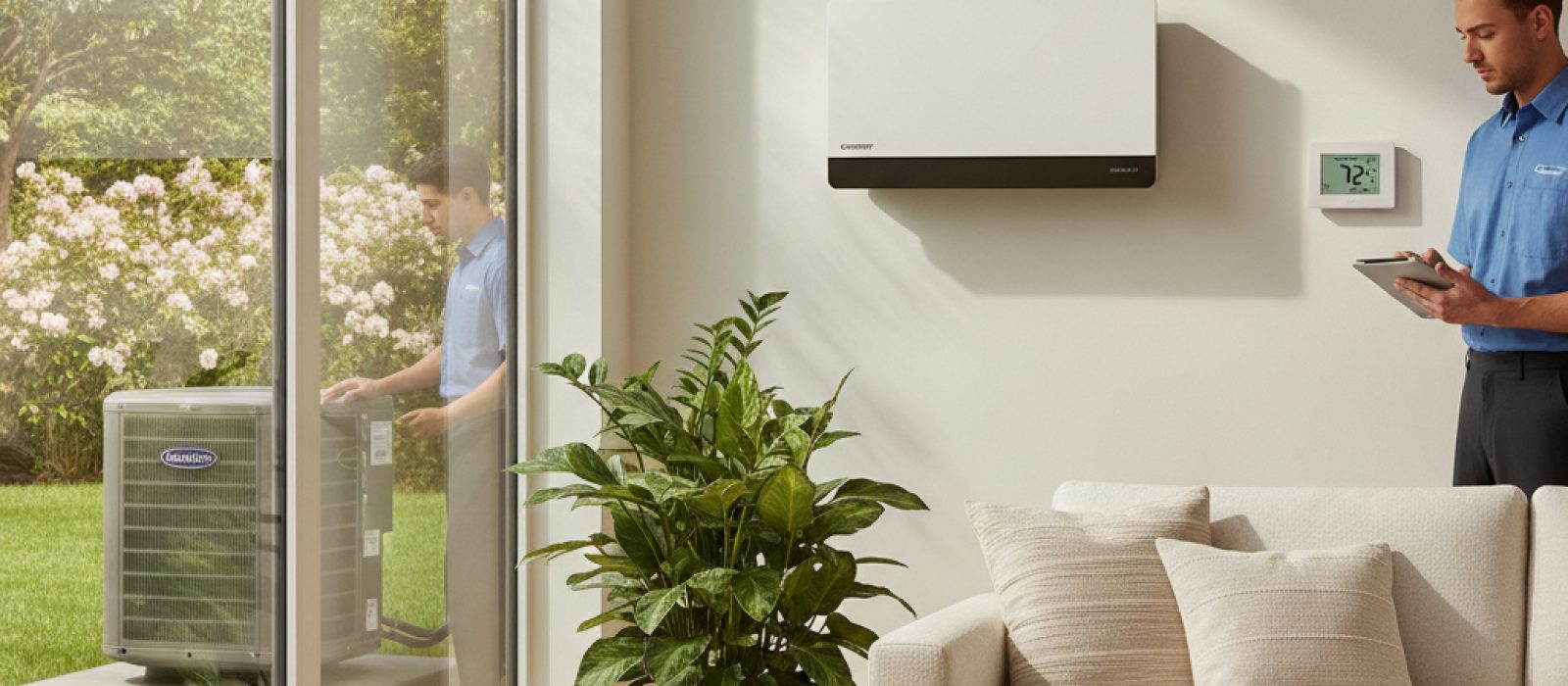
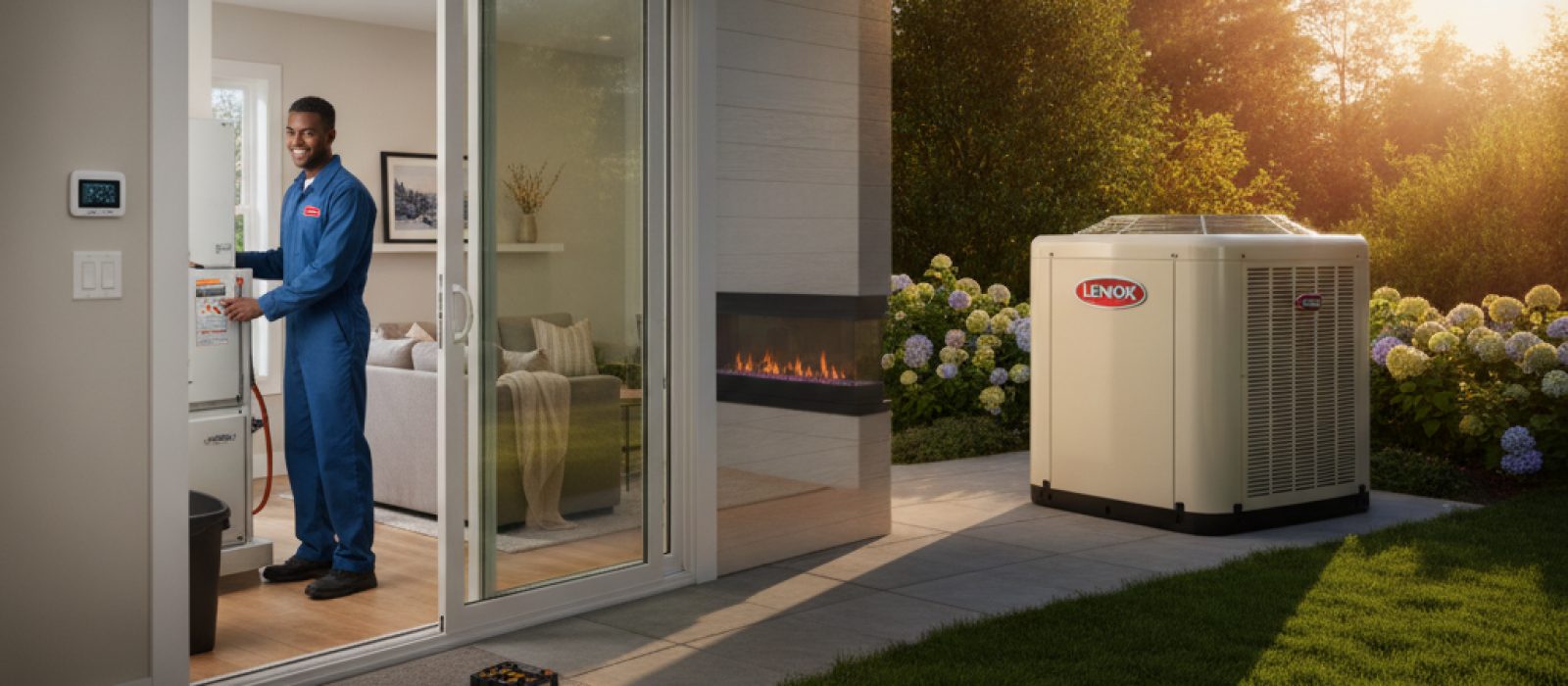
A heat pump is a versatile HVAC system that provides both heating and cooling. Unlike a furnace that generates heat, a heat pump moves heat. In winter, it extracts heat from the outside air (even cold air contains some heat) and transfers it indoors. In summer, it reverses the process, removing heat from inside your home and releasing it outdoors, effectively acting as an air conditioner.

Pros of a Heat Pump:

  • Dual Functionality: Provides both heating and cooling from a single unit, simplifying your HVAC setup.
  • High Energy Efficiency: Heat pumps are incredibly efficient, especially in moderate climates, as they move heat rather than generate it. This can lead to significant energy savings.
  • Environmental Benefits: By reducing reliance on fossil fuels, heat pumps offer a more environmentally friendly heating and cooling solution.
  • Consistent Comfort: They provide a more even and consistent temperature throughout your home, avoiding the blasts of hot air sometimes associated with furnaces.
  • Potential Rebates: Many utility companies and government programs offer incentives for installing energy-efficient heat pumps.

Cons of a Heat Pump:

  • Higher Upfront Cost: The initial installation cost for a heat pump can be higher than a furnace.
  • Performance in Extreme Cold: While modern heat pumps perform well in colder temperatures, their efficiency can decrease in extremely frigid conditions (e.g., consistently below 20°F). Many systems have a supplemental heating element or can be paired with a furnace (a 'dual fuel' system) for these scenarios.
  • Electricity Dependency: Relies on electricity, so power outages will affect both heating and cooling.
  • Slightly Different Heat: The heat produced by a heat pump is often described as a steady, warm flow rather than the intense heat of a furnace, which some homeowners prefer, while others may need time to adjust.

Making the Right Choice for Your Home

To determine whether a heat pump or a furnace system is best for you, consider these factors:

  • Climate: If you live in an area with extremely harsh, long winters, a furnace (or a dual-fuel system combining a heat pump with a furnace) might be more suitable. For moderate climates with less severe winters and hot summers, a heat pump is often an excellent, efficient choice.
  • Energy Costs: Compare the cost of natural gas/propane/oil in your area versus electricity rates. Your local utility company can provide this information.
  • Budget: Evaluate your budget for both initial installation and long-term operating costs. While a furnace might be cheaper upfront, a heat pump could save you more on energy bills over time.
  • Existing System: If you're replacing an old system, consider your current ductwork. Both systems typically use existing ducts, but a heat pump requires an outdoor unit.
  • Environmental Goals: If reducing your carbon footprint is a priority, a heat pump aligns better with sustainable living.

Ultimately, the best way to make an informed decision is to consult with a qualified HVAC professional. They can assess your home's specific needs, evaluate your climate, and provide detailed recommendations and cost estimates for both heat pump and furnace installations. Investing in the right heating system will ensure your home remains comfortable and efficient for years to come.

#Energy Efficiency #home comfort #HVAC #Heating #Heat Pump #Furnace

Frequently asked questions

What is the main difference between a furnace and a heat pump?
A furnace generates heat by burning fuel, while a heat pump moves heat from one place to another, providing both heating and cooling.
Which system is better for very cold climates?
Furnaces are generally more powerful and effective in extremely cold climates, producing very high temperatures quickly.
Do heat pumps also provide air conditioning?
Yes, heat pumps offer dual functionality, providing both heating in winter and cooling in summer from a single unit.
Are heat pumps more energy-efficient than furnaces?
Heat pumps are highly energy-efficient, especially in moderate climates, as they move heat rather than generate it, potentially leading to significant energy savings.
What are the upfront cost differences?
Furnace systems typically have a lower initial installation cost compared to heat pumps, which can have a higher upfront investment.
Can a heat pump work with a furnace?
Yes, a heat pump can be paired with a furnace in a 'dual fuel' system, which is beneficial for performance in extremely cold conditions.

Related articles

Comments (0)

Be the first to comment.

Leave a comment

Security code

Comments are moderated before they appear.