
Lennox Furnaces and Heat Pumps: Repair Costs and Buying Guide
A practical guide for homeowners evaluating Lennox heating and cooling systems, covering repair expectations, maintenance needs, and replacement factors.
3 min read

Heating a garage presents unique challenges compared to residential living spaces. Unlike a home, a garage often lacks high-performance insulation, features thin metal or wood doors with significant air gaps, and may house flammable materials. Selecting an appropriate heater requires calculating the square footage of the area and understanding the thermal loss through walls and ceilings.
For occasional projects, portable heating solutions may suffice, but dedicated workshops that require consistent temperatures often benefit from permanently installed units. Proper ventilation is mandatory for any combustion-based heater to prevent carbon monoxide buildup and moisture accumulation, which can lead to rust on tools and vehicles.
Electric heaters are frequently chosen for their ease of installation and lack of exhaust requirements. These units convert electrical energy directly into heat through resistance coils or ceramic elements. Because they do not require venting, they are versatile for smaller spaces or areas where gas lines are unavailable.
High-wattage electric units often require a dedicated 240-volt circuit. Homeowners should consult with professionals specializing in Electrical Services to ensure the existing panel can handle the load and that the wiring is rated for the heater's amperage. For smaller, intermittent needs, 120-volt portable units can provide supplemental warmth, though they are rarely sufficient for large, uninsulated spaces.
Natural gas or propane heaters are generally more cost-effective for heating large garages over long periods. Forced-air units function similarly to standard home furnaces, circulating warm air throughout the room using a blower fan. These systems require professional installation to ensure proper gas piping and safe venting to the exterior.
Radiant heaters, by contrast, warm objects and surfaces rather than the air itself. Infrared tubes mounted to the ceiling or wall are highly efficient for localized heating, such as over a workbench. Because they do not rely on air circulation, they are less likely to stir up dust, which is a significant advantage in woodworking shops. Installation of gas lines must always be performed by a licensed professional to meet local building codes.
The presence of gasoline, paint thinners, solvents, and sawdust makes fire safety the primary concern in any garage environment. Any combustion heater must be kept a safe distance from flammable vapors. Integrating high-quality air filtration as part of your Indoor Air Quality strategy can help manage the dust levels that may interfere with heater performance.
Carbon monoxide detectors are non-negotiable in spaces with gas-fired equipment. Test these devices monthly and replace batteries annually. Furthermore, keep the area around the heater clear of storage items, cardboard, or oily rags. If you notice unusual odors or soot buildup, shut the unit down immediately and contact a professional for Heating Services to inspect the combustion chamber and venting system.
No heater can overcome a space that loses heat as fast as it generates it. Before installing a permanent heating solution, address the garage envelope. Adding weatherstripping to the garage door frame and using sealants on gaps where walls meet the floor can significantly reduce the BTU requirements of the heater.
If the ceiling is open to the rafters, consider adding insulation to prevent heat from escaping through the roof. When the garage is properly sealed, the heating system cycles less frequently, which extends the lifespan of the equipment. If you are unsure about the thermal efficiency of your garage, scheduling a professional evaluation can prevent you from overspending on an oversized unit that wastes energy.
Heating equipment in garages often faces harsher conditions than indoor units, including higher humidity and more airborne debris. Regular Maintenance & Tune-up visits ensure that burners are clean, fans are unobstructed, and safety sensors are functioning correctly. Neglecting these checks can lead to inefficient operation or dangerous malfunctions. Always follow the manufacturer's guidance regarding filter changes and seasonal cleaning to keep your workshop environment safe and reliable.
A practical guide for homeowners evaluating Lennox heating and cooling systems, covering repair expectations, maintenance needs, and replacement factors.
Learn how the Carrier Infinity series heat pumps and ductless systems balance high-efficiency heating with advanced climate control features.
Learn how the air handler functions as the heart of your HVAC system, circulating air and regulating temperature throughout your home.
Learn how specific furnace brands influence repair frequency, component availability, and the diagnostic process for your home heating system.
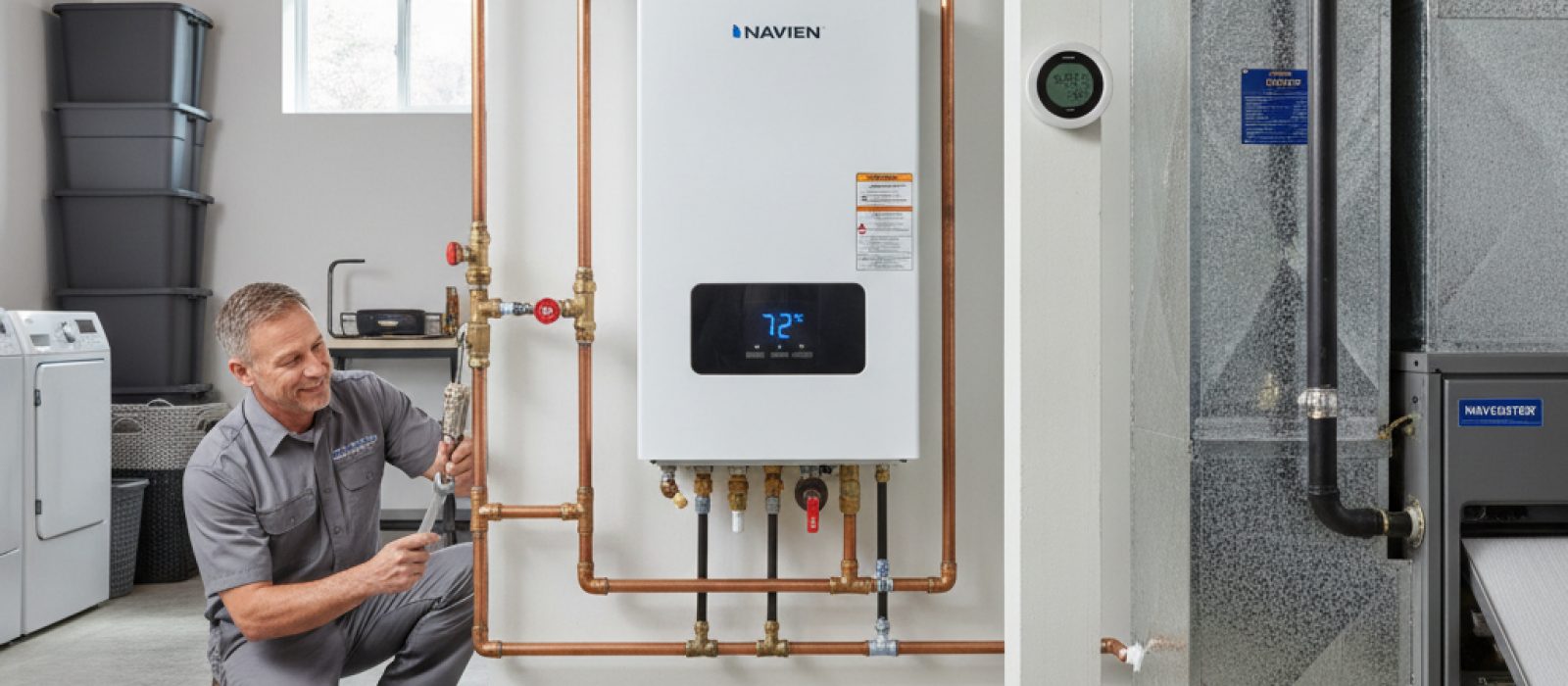
Evaluate the performance, efficiency, and installation requirements of Navien boilers for your residential heating system.
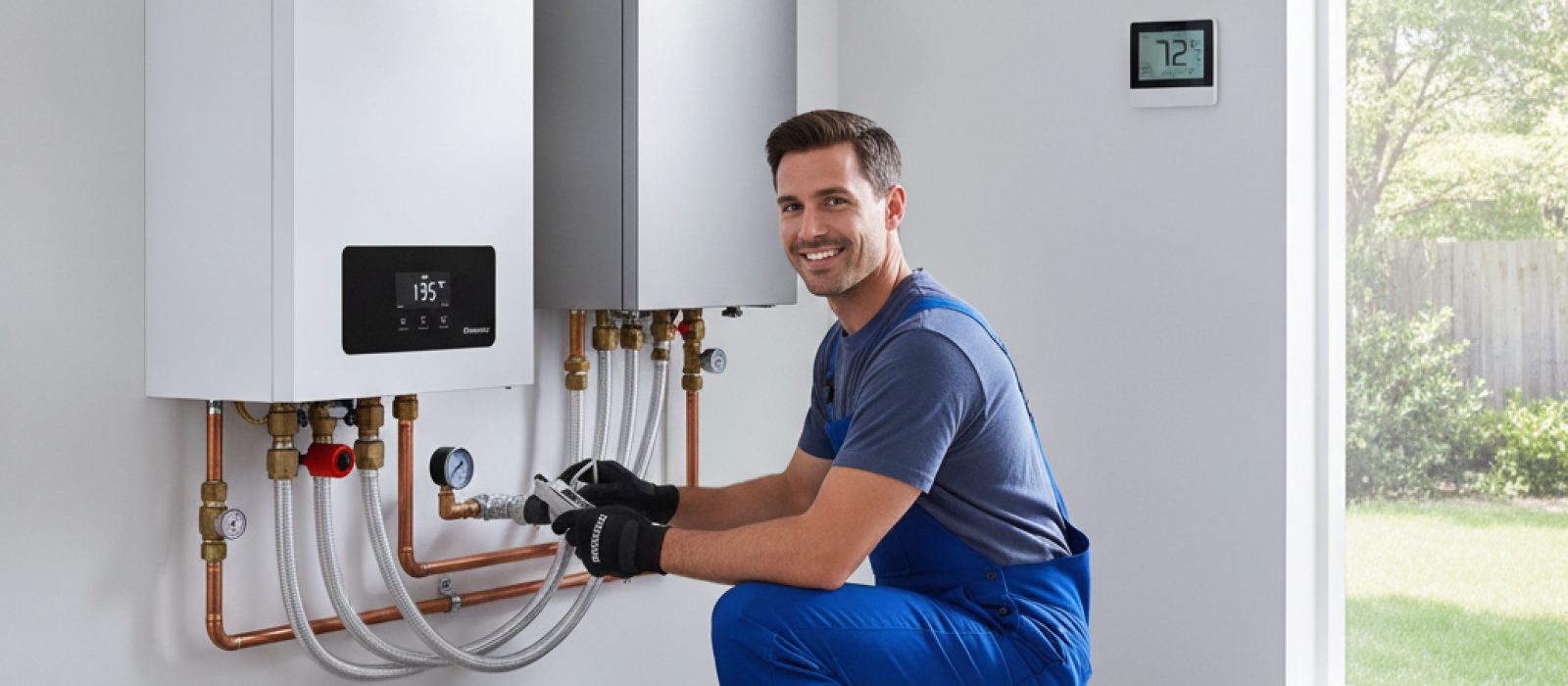
Learn how Rinnai combi boilers provide dual-function heating and hot water, helping you decide if this high-efficiency technology fits your home.
Be the first to comment.