
Lennox Furnaces and Heat Pumps: Repair Costs and Buying Guide
A practical guide for homeowners evaluating Lennox heating and cooling systems, covering repair expectations, maintenance needs, and replacement factors.
3 min read

A furnace that refuses to ignite or blow air creates significant discomfort, especially during peak winter months. While some issues require professional intervention, others stem from simple oversights or minor mechanical failures that homeowners can identify safely. This guide outlines the diagnostic process to help you determine whether the problem is a quick fix or a situation requiring professional Furnace Services.
The most common reason for a non-responsive furnace is a loss of electrical power. Even gas-powered furnaces require electricity to operate the ignition system, control board, and blower motor.
If the furnace has power but remains idle, the thermostat may be the culprit. A thermostat acts as the brain of your heating system, and a faulty signal prevents the furnace from receiving the command to start.
If you suspect an internal wiring issue or a malfunctioning control interface, contact a technician specializing in Thermostat Services to avoid damaging the unit's sensitive electronics.
A severely clogged air filter can restrict airflow to the point that the furnace’s high-limit switch trips as a safety precaution. This switch shuts down the burner to prevent the heat exchanger from overheating.
Check your filter monthly. If it appears gray, dusty, or blocked, replace it immediately. Regular filter changes are a core component of routine Maintenance & Tune-up schedules, ensuring your system runs efficiently throughout the heating season.
For gas furnaces, the fuel supply must be active and the ignition sequence must function correctly. If you smell gas, leave the home immediately and contact your utility provider or emergency services from a safe location.
If the smell of gas is not present, check the following:
Attempting to bypass safety switches, working with high-voltage wiring, or handling gas valves without proper training poses a significant risk. If you have checked your power, thermostat, filter, and gas supply and the furnace still fails to activate, the issue likely resides in the internal components.
A professional technician can safely test the control board, pressure switch, and blower motor. Engaging an expert early prevents secondary damage to your system and ensures that repairs comply with local safety codes and manufacturer warranties.
A practical guide for homeowners evaluating Lennox heating and cooling systems, covering repair expectations, maintenance needs, and replacement factors.
Learn how the Carrier Infinity series heat pumps and ductless systems balance high-efficiency heating with advanced climate control features.
Learn how the air handler functions as the heart of your HVAC system, circulating air and regulating temperature throughout your home.
Learn how specific furnace brands influence repair frequency, component availability, and the diagnostic process for your home heating system.
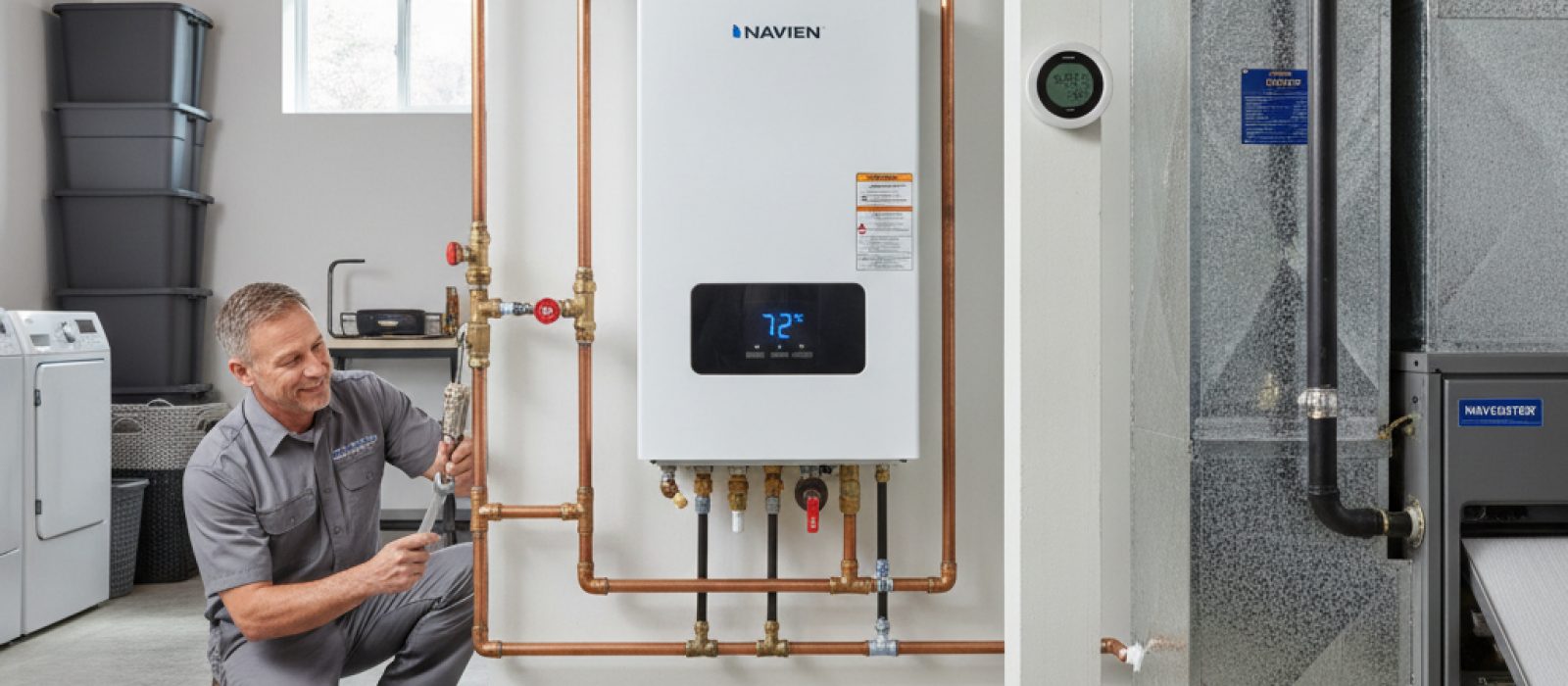
Evaluate the performance, efficiency, and installation requirements of Navien boilers for your residential heating system.
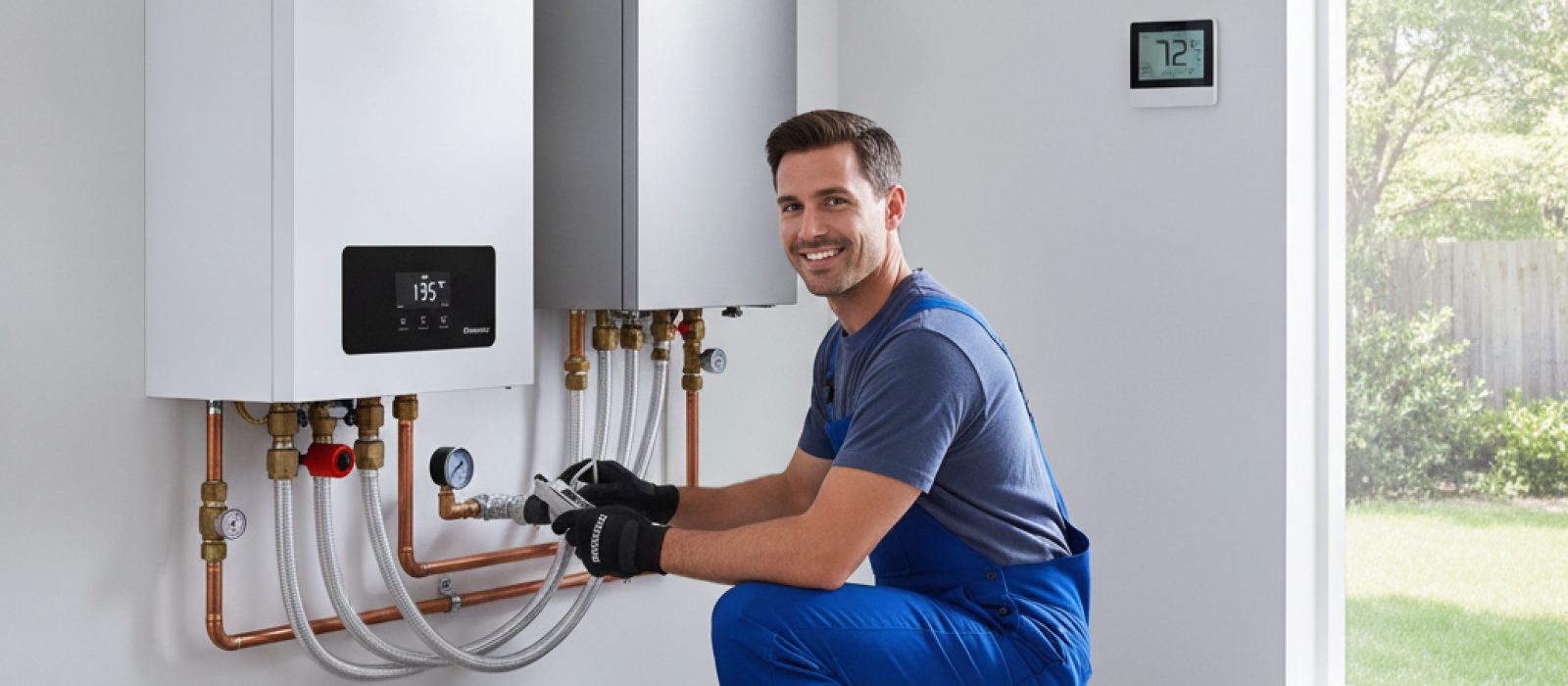
Learn how Rinnai combi boilers provide dual-function heating and hot water, helping you decide if this high-efficiency technology fits your home.
Be the first to comment.