HVAC Service Fast

Furnace Ignition Issues: When to Call a Pro

4 min read

Furnace Ignition Issues: When to Call a Pro

Understanding Your Furnace's Ignition System

As the colder months approach, your furnace becomes an indispensable part of keeping your home warm and comfortable. But what happens when you turn up the thermostat, and nothing happens? Often, the culprit is an issue with your furnace's ignition system. Understanding how your furnace ignites can help you identify potential problems and know when it's time to call in the experts.

Modern furnaces typically use one of two main ignition types:

  • Intermittent Pilot Light: This system uses an electronic igniter to light a pilot flame only when heat is called for. Once the main burner ignites, the pilot goes out.
  • Hot Surface Igniter (HSI): The most common type, an HSI uses an electrically heated silicon carbide or silicon nitride element that glows red hot to ignite the gas.

Older furnaces might still have a standing pilot light that burns continuously, but these are less common due to energy efficiency concerns.

Common Signs of Ignition Problems

You don't need to be an HVAC technician to spot the signs of an ignition issue. Here are some common indicators:

  • No Heat: The most obvious sign. Your furnace blower might turn on, but no warm air comes out.
  • Repeated Clicking Sounds: If you hear multiple clicking sounds (from the igniter trying to light) but the burner doesn't ignite, it's a clear sign of trouble.
  • Furnace Cycles On and Off Rapidly: This could indicate the furnace is attempting to ignite but failing, leading to a safety lockout.
  • Gas Odor (Briefly): If you smell a faint gas odor just as the furnace tries to start, but then it dissipates, it might be unburnt gas due to an ignition failure. If the gas odor persists or is strong, turn off your furnace and gas supply immediately and call for professional help.
  • Error Codes: Many modern furnaces display diagnostic error codes on a small screen. Consult your owner's manual to decipher these codes.

DIY Troubleshooting Steps (When Safe)

Before you pick up the phone, there are a few simple and safe checks you can perform:

  • Check Your Thermostat: Ensure it's set to 'Heat' and the temperature is above the current room temperature. Check batteries if it's a wireless model.
  • Verify Power: Make sure the furnace's power switch (usually a light switch on a wall near the furnace) is 'On'. Check your home's circuit breaker for a tripped breaker related to the furnace.
  • Inspect Air Filter: A severely clogged air filter can restrict airflow, causing the furnace to overheat and shut down as a safety measure, sometimes mimicking an ignition issue. Replace it if dirty.
  • Gas Supply: Ensure the gas valve to your furnace is fully open. If you had any recent work done or an appliance replaced, this valve might have been inadvertently closed.
  • Clear Vents: Make sure all supply and return air vents in your home are unobstructed.

For standing pilot lights, you might be able to re-light it yourself following your furnace's instructions. However, if the pilot light repeatedly goes out, there's an underlying issue that needs professional attention.

When to Call a Professional HVAC Technician

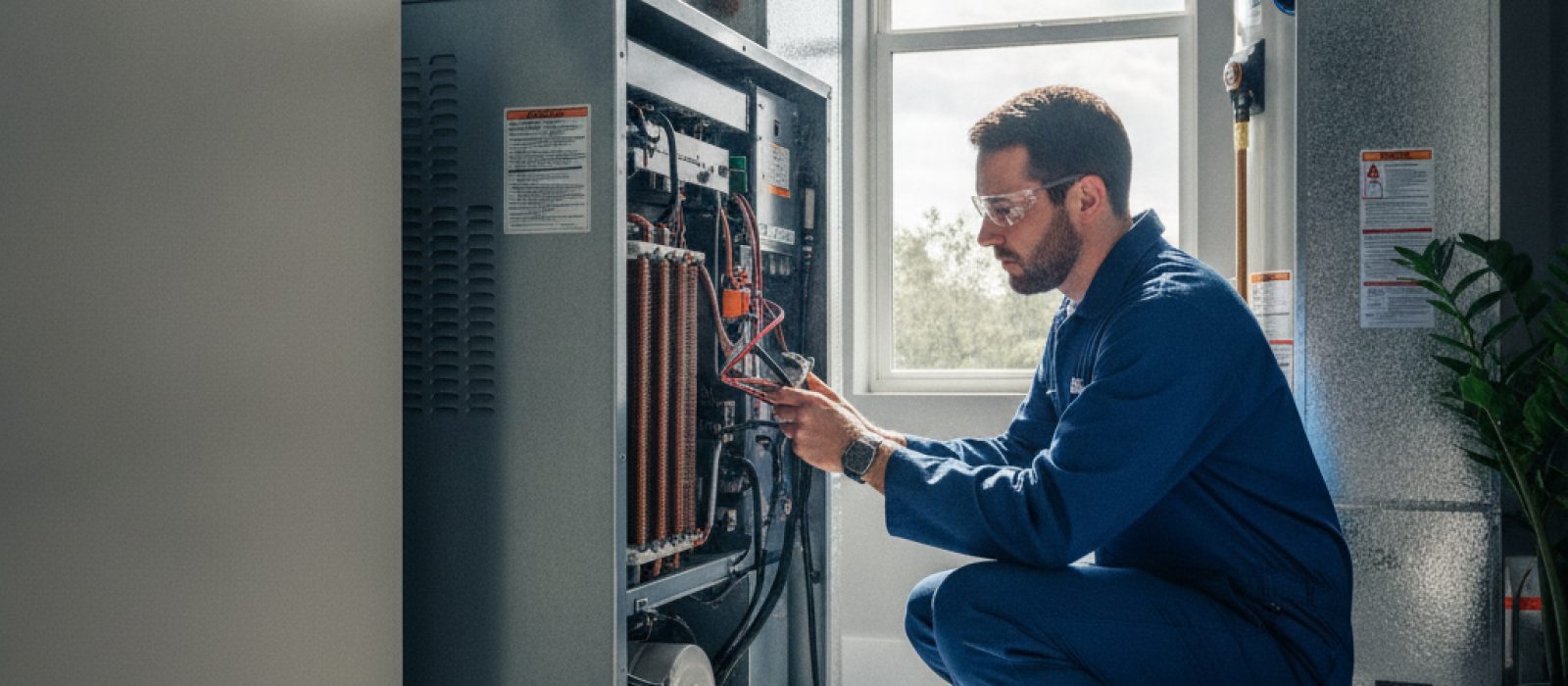
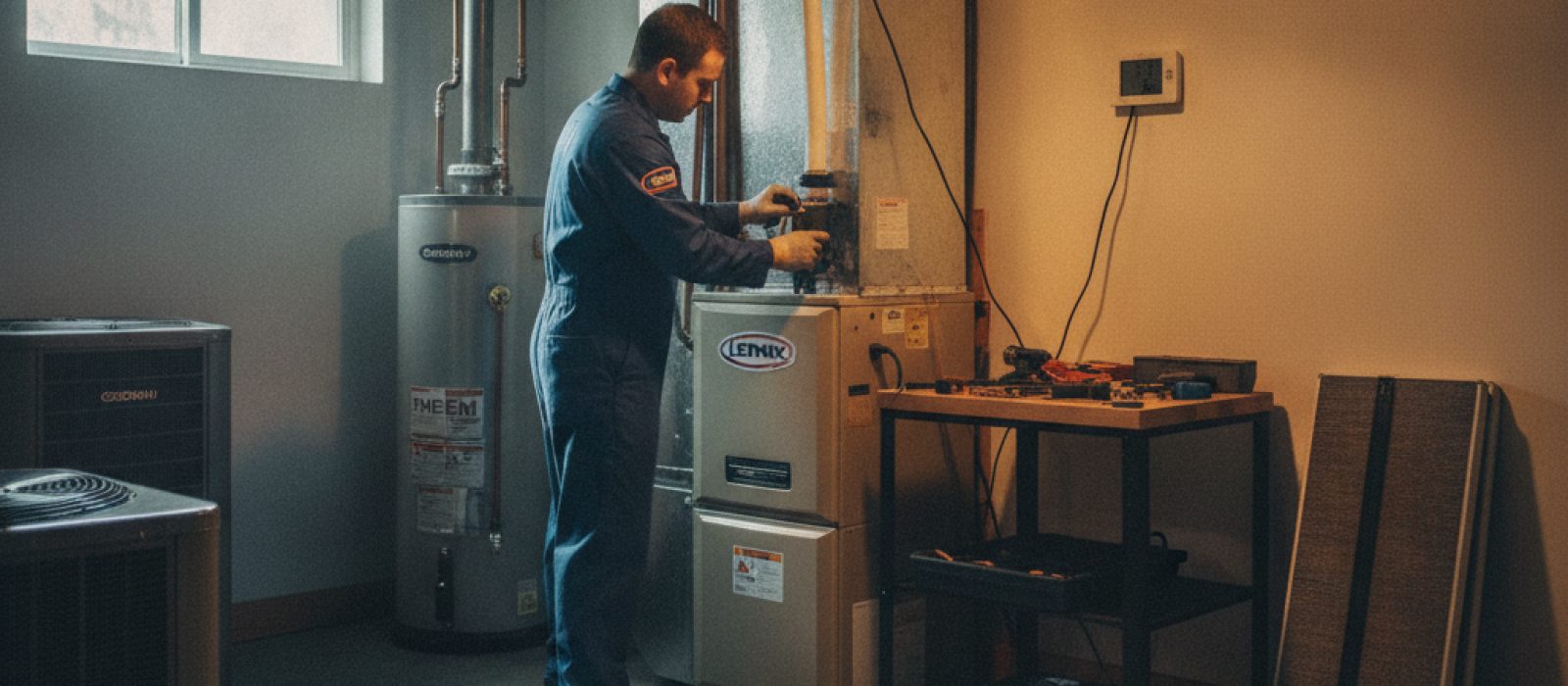
While some minor issues can be resolved with basic troubleshooting, many ignition problems require the expertise of a certified HVAC technician. Here’s when it’s absolutely time to call a pro:

  • Repeated Ignition Failures: If your furnace repeatedly tries and fails to ignite, or cycles on and off, it's a sign of a deeper problem.
  • Persistent Gas Odor: Any strong or lingering smell of natural gas is a serious safety concern. Turn off your gas supply and call for emergency service immediately.
  • Faulty Hot Surface Igniter: HSIs are fragile and can crack or burn out over time. Replacing one requires careful handling and knowledge of electrical connections, which is best left to a professional.
  • Flame Sensor Issues: A dirty or faulty flame sensor can't detect the flame, causing the furnace to shut down as a safety precaution. Cleaning or replacing it requires specific tools and knowledge.
  • Pilot Light Problems: If your standing pilot light won't stay lit, or your intermittent pilot light doesn't ignite, it could indicate issues with the thermocouple, thermopile, or gas valve.
  • Control Board Malfunctions: The furnace's control board is its brain. Problems here can manifest as ignition failures and require diagnostic expertise.
  • Any Doubt or Discomfort: If you're unsure about any step or uncomfortable working with gas or electricity, always err on the side of caution and call a professional. Your safety is paramount.

Attempting to fix complex ignition problems yourself can be dangerous and could lead to further damage, void your warranty, or even pose a risk of carbon monoxide leaks or fire. Professional technicians have the training, tools, and diagnostic equipment to safely and effectively identify and repair the root cause of the problem.

Preventative Maintenance is Key

Many ignition issues, like a dirty flame sensor or a failing igniter, can be caught and addressed during routine preventative maintenance. Scheduling annual furnace tune-ups ensures your system is inspected thoroughly, cleaned, and any worn-out components are identified before they cause a complete breakdown. This proactive approach not only prevents inconvenient outages but also extends the lifespan of your furnace and maintains its efficiency.

Don't let a faulty igniter leave you in the cold. If your furnace is showing signs of ignition trouble, trust the experts to get your heating system running safely and efficiently again.

#home comfort #furnace repair #Heating Problems #Furnace Maintenance #HVAC troubleshooting #ignition issues

Frequently asked questions

What are the common types of furnace ignition systems?
Modern furnaces typically use either an Intermittent Pilot Light system, which lights a pilot only when heat is called for, or a Hot Surface Igniter (HSI), which uses an electrically heated element to ignite the gas.
What are the signs that my furnace has an ignition issue?
Common signs include no heat, repeated clicking sounds without ignition, the furnace cycling on and off rapidly, a brief gas odor during startup attempts, or diagnostic error codes displayed on the unit.
What basic troubleshooting steps can I take for furnace ignition problems?
You can check your thermostat settings and batteries, verify the furnace's power switch and circuit breaker, inspect and replace a dirty air filter, ensure the gas supply valve is open, and clear any obstructed vents.
When should I call a professional HVAC technician for furnace ignition issues?
It's time to call a pro for repeated ignition failures, any persistent or strong gas odor, issues with a faulty Hot Surface Igniter, problems with the flame sensor, or if a standing pilot light repeatedly goes out after relighting.
Is a gas odor during furnace startup always a serious problem?
A faint gas odor that dissipates quickly during startup attempts might indicate unburnt gas from an ignition failure. However, if the gas odor persists or is strong, it's a serious safety concern, and you should turn off the furnace and gas supply immediately and call for professional help.

Related articles

Comments (0)

Be the first to comment.

Leave a comment

Security code

Comments are moderated before they appear.