
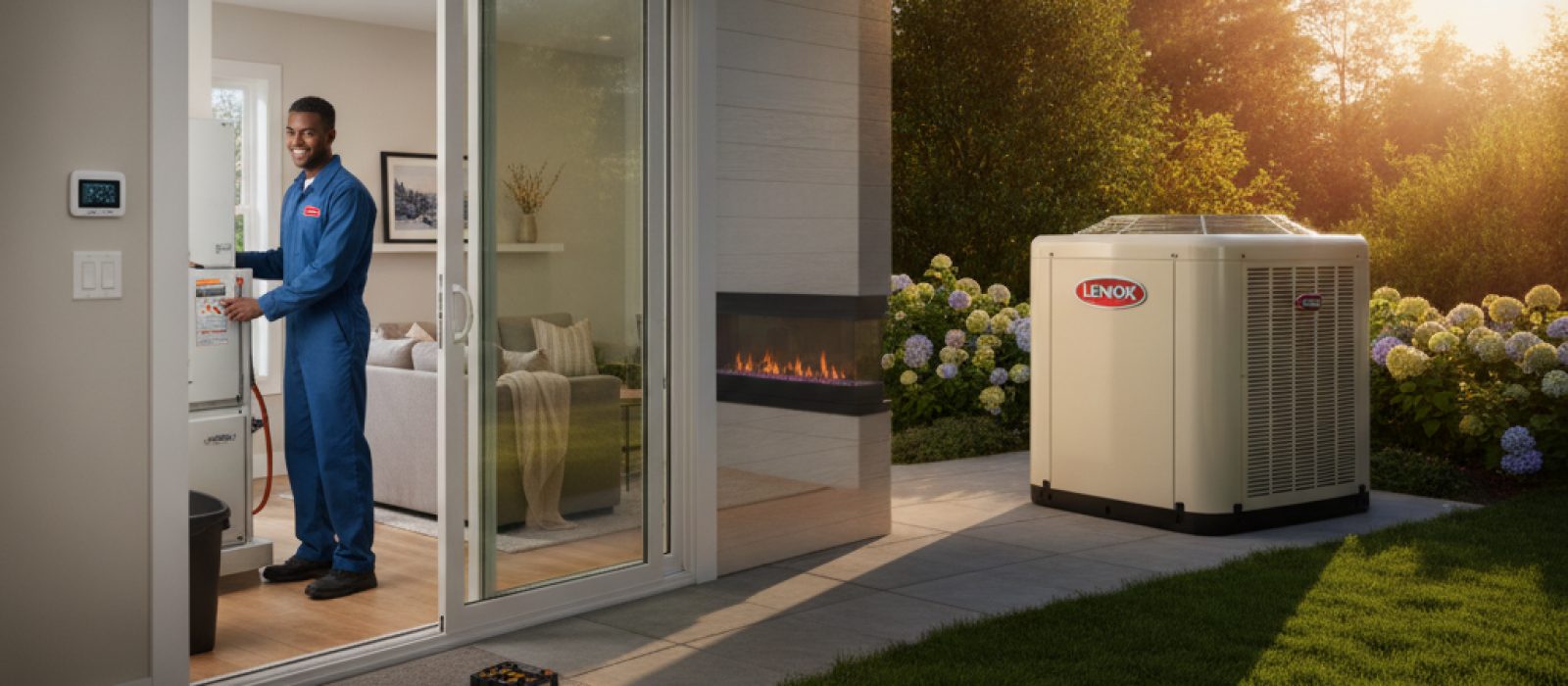
Lennox Furnaces and Heat Pumps: Repair Costs and Buying Guide
A practical guide for homeowners evaluating Lennox heating and cooling systems, covering repair expectations, maintenance needs, and replacement factors.
3 min read

Homeowners often view the fireplace as an economical alternative to the primary furnace during cold snaps. While the aesthetic appeal of a hearth is undeniable, relying on a fireplace for primary heating introduces significant variables regarding heat distribution and energy consumption. This article explores the mechanical and thermal differences between these two systems to help homeowners make informed decisions about their home's heating strategy.
A furnace operates as a forced-air system, designed to move air through a series of ducts to reach every room in the structure. By utilizing a thermostat, the system maintains a consistent temperature throughout the living space. This centralized approach is engineered for efficiency, drawing in cold air, heating it via gas combustion or electric elements, and circulating it evenly.
Because furnaces are integrated with the home's infrastructure, they are often paired with Indoor Air Quality solutions to ensure that the air being circulated remains clean and free of particulate matter. When a furnace is properly maintained, it provides a reliable, automated environment that does not require constant manual intervention.
Wood-burning fireplaces are primarily radiant heat sources. While they feel warm in the immediate vicinity of the hearth, they struggle to distribute that heat to distant rooms. Furthermore, traditional open-hearth fireplaces are notoriously inefficient. Much of the heat generated by the fire is lost directly up the chimney, rather than being transferred into the room.
In many cases, an operating fireplace can actually create a net loss of heat for the home. As the fire draws oxygen from the room to sustain combustion, the chimney pulls warm air from other parts of the house and exhausts it outside. This process forces the furnace to work harder to compensate for the air loss, potentially negating any perceived savings from using wood as a fuel source.
The operational requirements for these two systems differ drastically. A furnace requires periodic Maintenance & Tune-up to ensure the heat exchanger is intact and the burners are firing correctly. These tasks are strictly for licensed professionals, as they involve combustion safety and complex electrical components.
Fireplaces, conversely, require significant manual labor and safety vigilance. The risks include:
Homeowners should have their chimneys inspected annually by a professional to ensure the structure is sound. Attempting to use a fireplace that has not been properly maintained can result in chimney fires or poor air quality within the living space.
Calculating the "real cost" of heating involves more than just the price of fuel. For a furnace, the cost is tied to electricity or gas utility rates and the efficiency rating of the unit. As systems age, their efficiency often declines, which is why regular Furnace Services are essential for keeping utility bills within a reasonable range.
Fireplace costs include the price of firewood, professional chimney cleaning, and the potential for increased wear on the home's overall heating system. If a fireplace is used to supplement the furnace, the furnace may cycle on and off more frequently. This short-cycling can lead to premature component failure, adding an indirect cost to the homeowner's heating budget.
If the goal is to reduce utility consumption, consider Energy Efficient Solutions rather than relying on a fireplace. Modernizing the home's envelope through better insulation or installing a high-efficiency thermostat can provide more consistent results than burning wood. If a fireplace is desired for ambiance, it should be treated as a secondary feature rather than a primary heating appliance.
When deciding how to balance these systems, consider the layout of the home. A fireplace in a centrally located, open-concept living area may provide some localized relief, but it will never match the precision of a modern, forced-air system. Focus on keeping the primary system in top condition to ensure the home remains comfortable throughout the winter months.
A practical guide for homeowners evaluating Lennox heating and cooling systems, covering repair expectations, maintenance needs, and replacement factors.
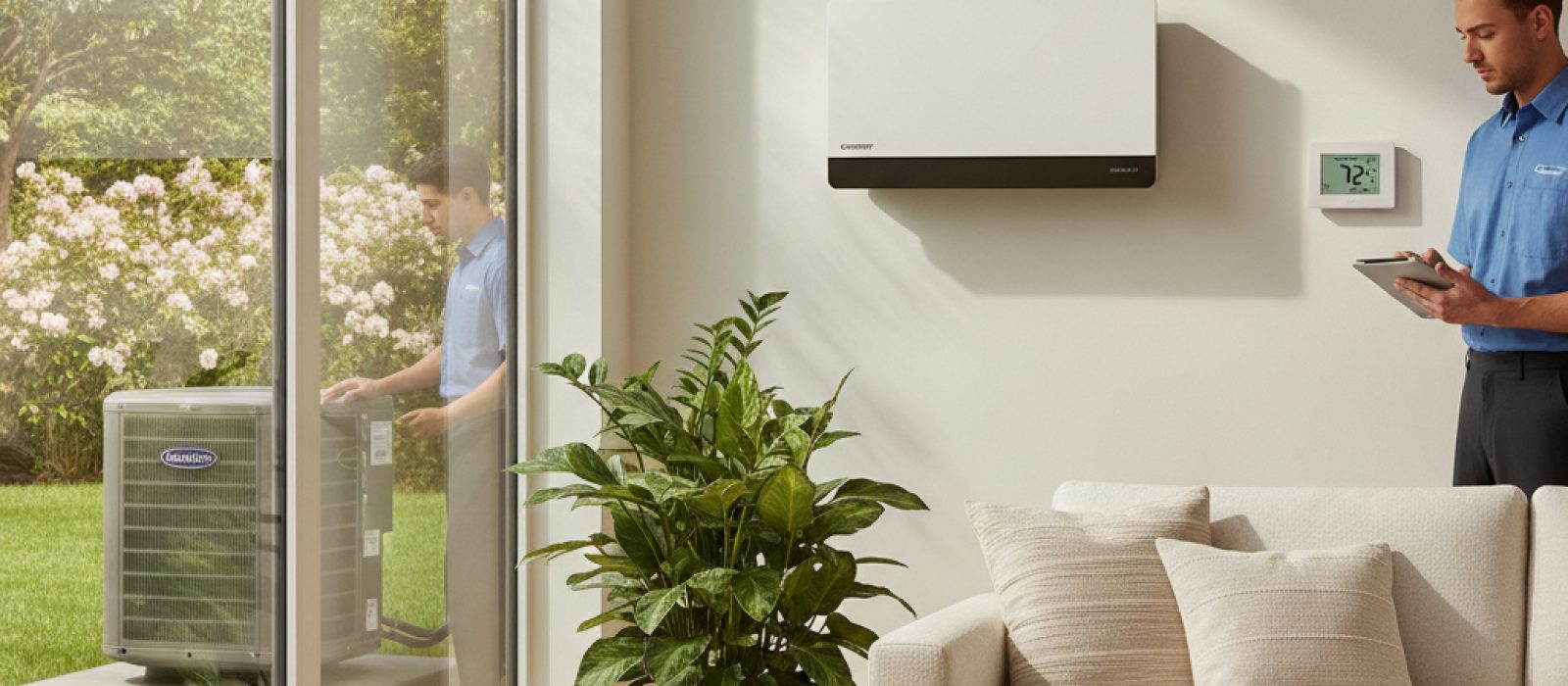
Learn how the Carrier Infinity series heat pumps and ductless systems balance high-efficiency heating with advanced climate control features.
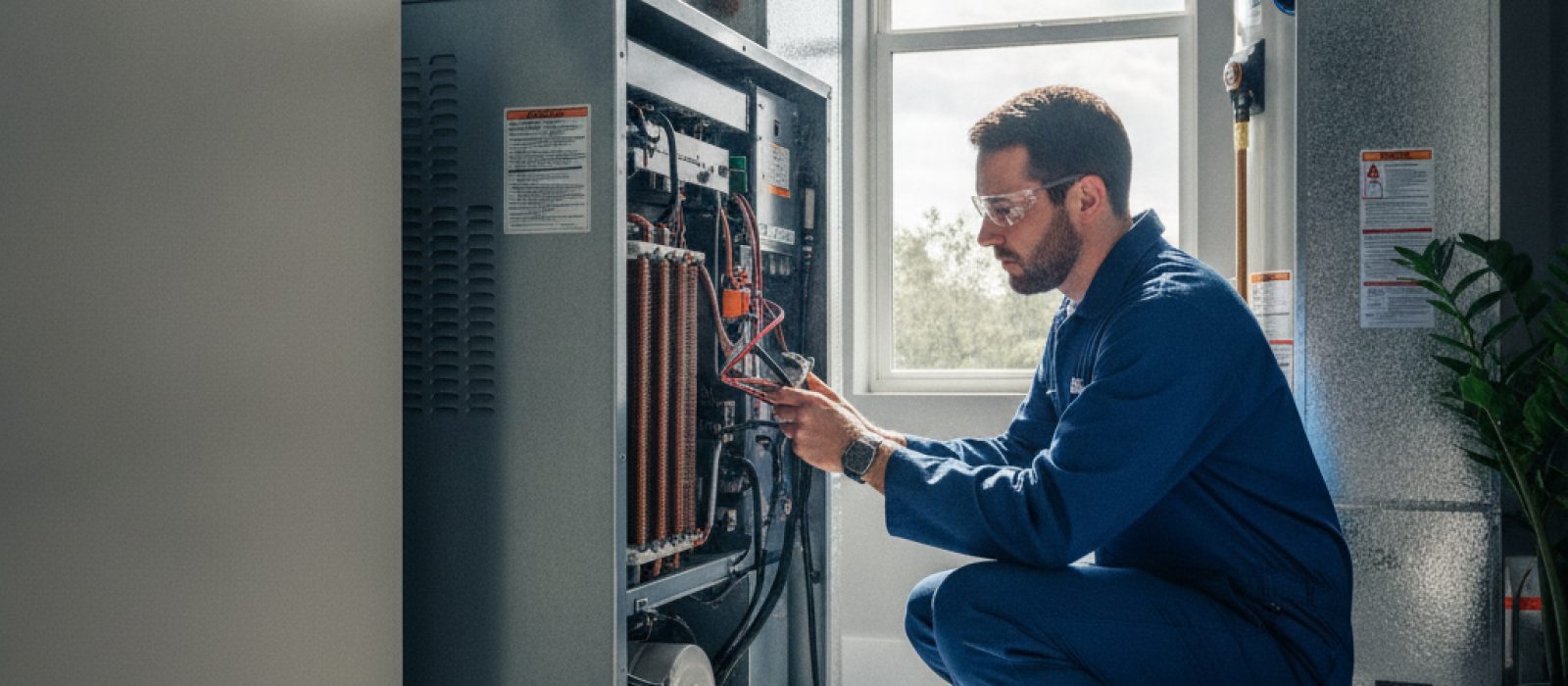
Learn how the air handler functions as the heart of your HVAC system, circulating air and regulating temperature throughout your home.
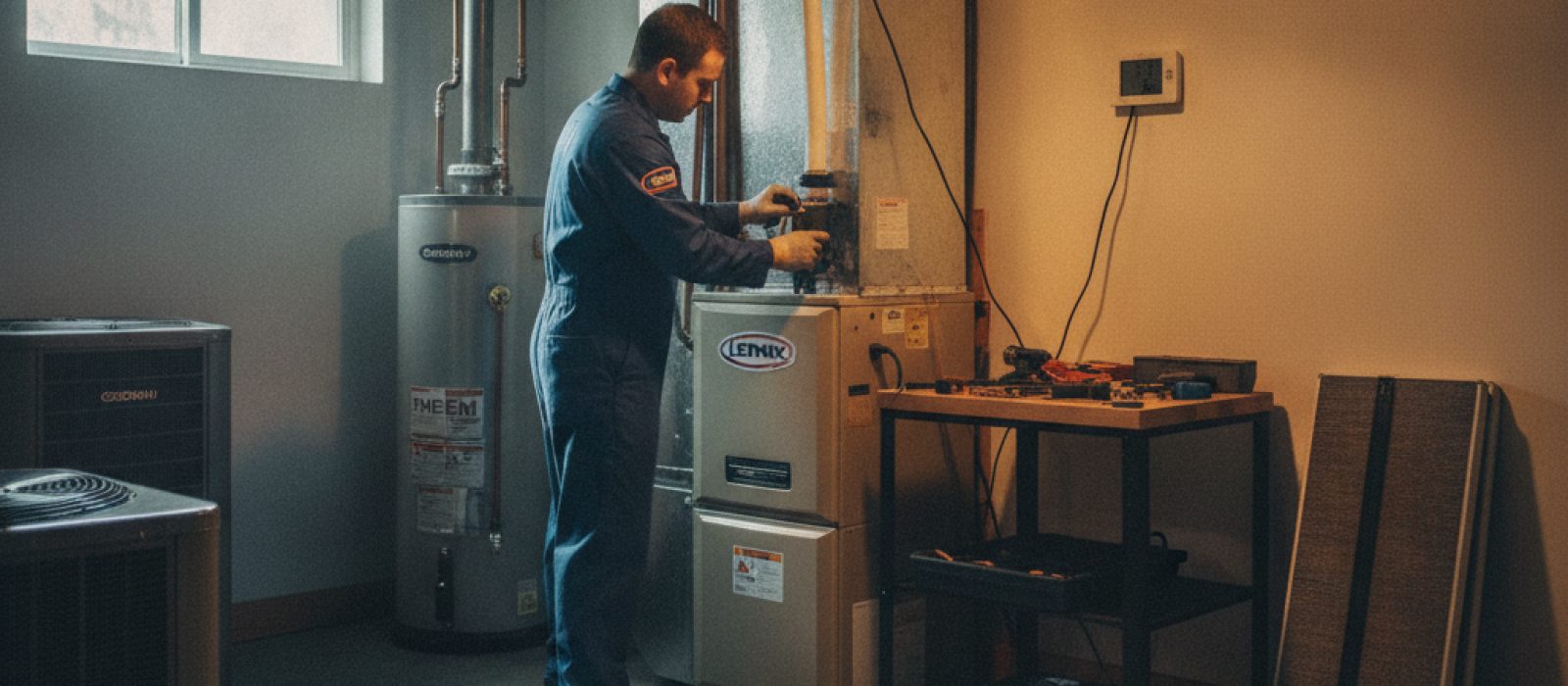
Learn how specific furnace brands influence repair frequency, component availability, and the diagnostic process for your home heating system.
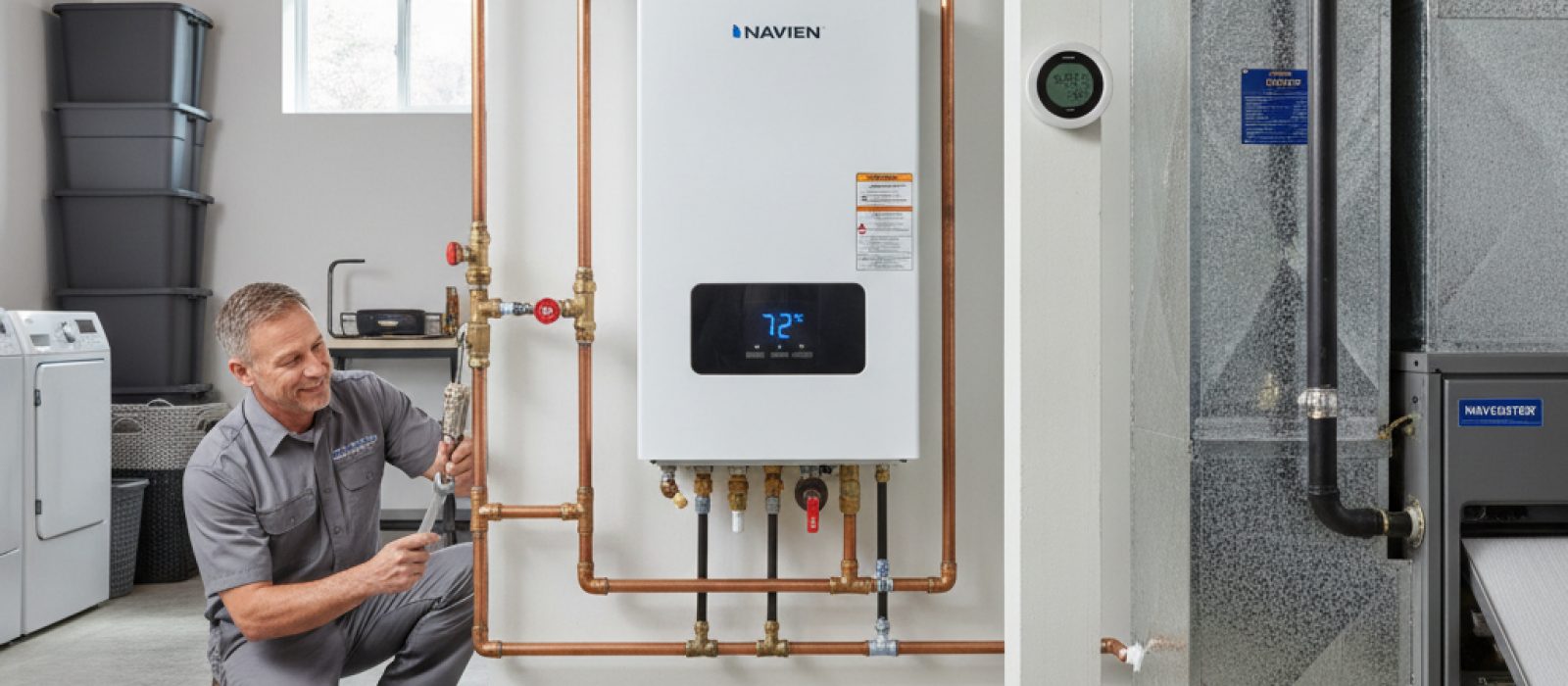
Evaluate the performance, efficiency, and installation requirements of Navien boilers for your residential heating system.
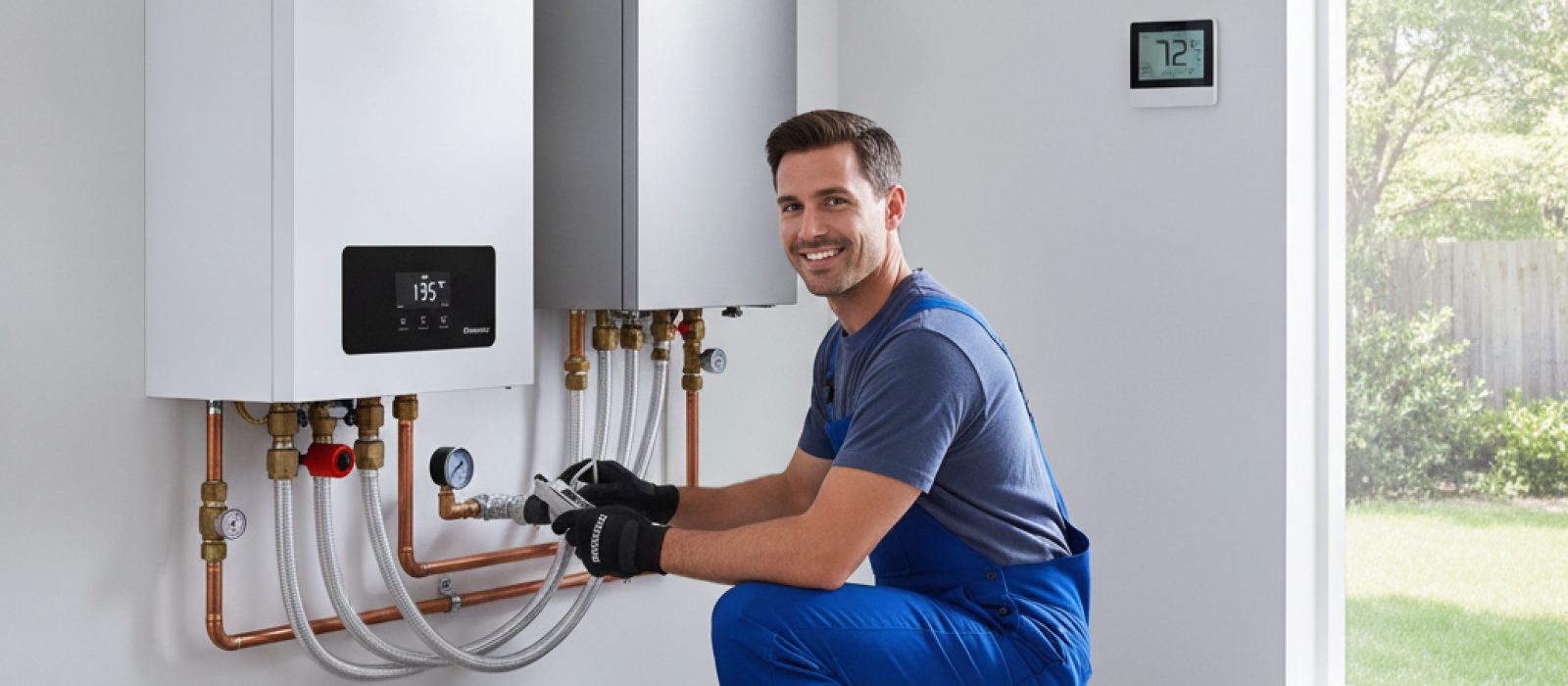
Learn how Rinnai combi boilers provide dual-function heating and hot water, helping you decide if this high-efficiency technology fits your home.
Be the first to comment.