
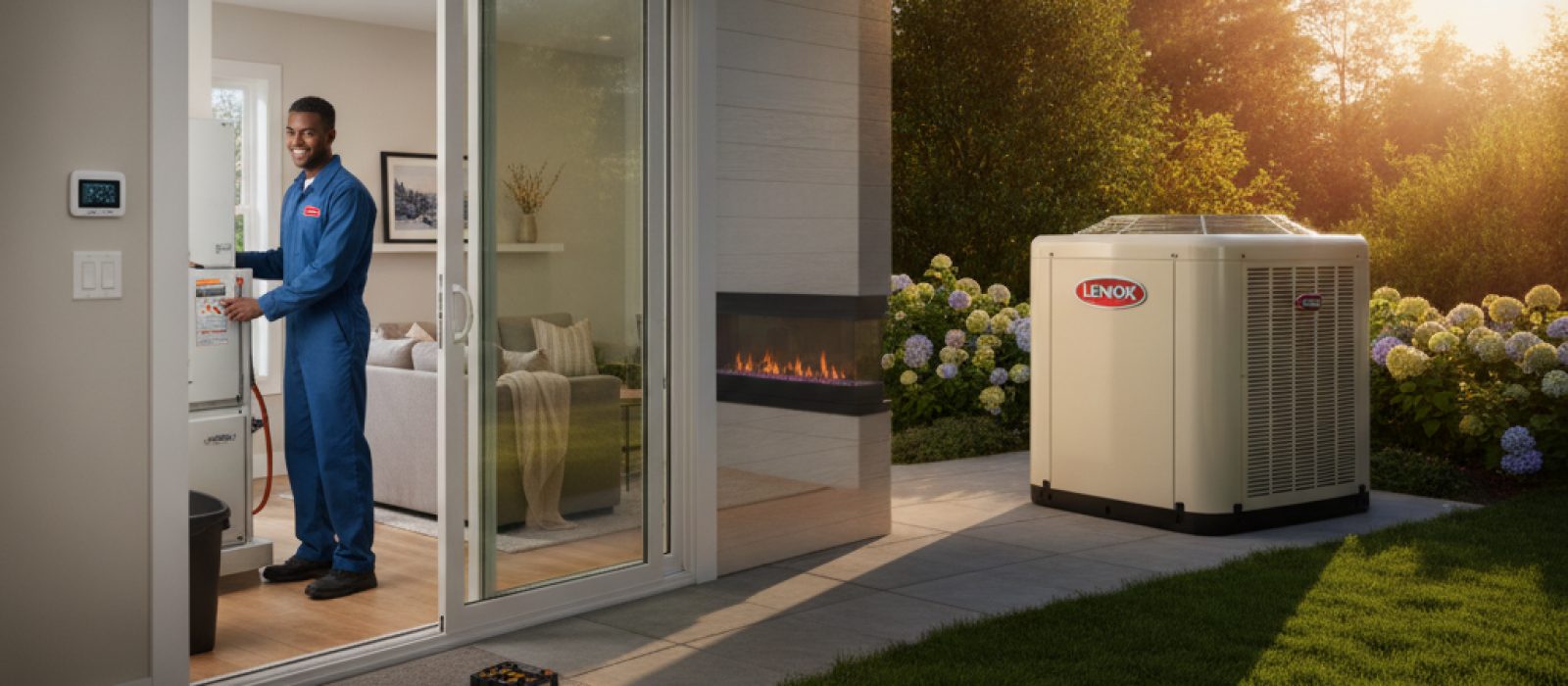
Lennox Furnaces and Heat Pumps: Repair Costs and Buying Guide
A practical guide for homeowners evaluating Lennox heating and cooling systems, covering repair expectations, maintenance needs, and replacement factors.
4 min read

The heat exchanger is the heart of a gas furnace. It is a series of metal chambers or tubes designed to contain the combustion process while transferring heat to the air circulating through the home. As fuel burns, the exchanger remains sealed, ensuring that dangerous combustion byproducts—including carbon monoxide, nitrogen dioxide, and water vapor—are safely vented out through the flue pipe.
When a crack develops in this metal, the barrier between the combustion chamber and the blower compartment is compromised. This allows exhaust gases to mix with the air stream intended for living spaces. Because these gases are often odorless and colorless, a crack represents a significant health risk that requires immediate professional attention.
Cracks in a heat exchanger are almost always the result of metal fatigue caused by repeated thermal expansion and contraction. Every time the furnace cycles on, the metal heats up and expands; as the system cools, it contracts. Over many years, this stress eventually weakens the material.
Several factors can accelerate this process:
Regular Maintenance & Tune-up visits are the most effective way to identify early signs of metal fatigue before a complete failure occurs. During these inspections, technicians look for soot patterns or discoloration that often precede a visible breach.
Homeowners rarely see the crack itself, as the heat exchanger is enclosed within the furnace cabinet. Instead, detection relies on observing changes in how the system operates or physical symptoms within the home.
If you suspect a crack, install a carbon monoxide detector on every level of the home and near sleeping areas immediately. This device acts as a final safeguard against gas leaks.
Identifying a crack is a task for a licensed HVAC professional. Technicians use specialized tools, such as combustion analyzers, to detect the presence of carbon monoxide in the supply air. They may also perform a visual inspection using a borescope to look for hairline fractures in the metal chambers.
Because the heat exchanger is a sealed component, it is rarely repairable. Welding a crack is generally discouraged and often prohibited by local building codes and manufacturer safety standards. The metal has been compromised by heat, and a weld may fail shortly after being applied, leaving the home vulnerable once more.
When a technician confirms a crack, the furnace should be turned off immediately. The system is no longer safe to operate. The homeowner is then faced with two primary options: replacing the heat exchanger or replacing the entire furnace.
Replacing the heat exchanger is a labor-intensive process that involves dismantling a significant portion of the furnace. On older units, the cost of the part and labor may approach the cost of a new system. In many cases, it is more practical to invest in Furnace Services to install a modern, high-efficiency unit. A new furnace provides improved reliability, better energy efficiency, and a fresh manufacturer warranty.
During this time, it is also wise to evaluate your home's Indoor Air Quality. If your furnace failed due to poor ventilation or dust buildup, ensure your ductwork is clean and your return air pathways are unobstructed to prevent premature failure of the new equipment.
While metal fatigue is a natural part of a furnace's lifespan, you can extend the integrity of your heat exchanger by minimizing thermal stress. Ensure your air filters are changed regularly according to the manufacturer’s schedule. If you notice airflow issues in specific rooms, consider Ductwork Services to ensure your system is balanced and the blower motor is not working harder than necessary to move air through the house.
Consistency is key. By scheduling annual inspections, you ensure that any minor issues—such as a burner misfire or a blocked flue—are corrected before they can turn into a cracked heat exchanger. Professional oversight remains the most reliable way to maintain a safe and comfortable home heating environment.
A practical guide for homeowners evaluating Lennox heating and cooling systems, covering repair expectations, maintenance needs, and replacement factors.
Learn how the Carrier Infinity series heat pumps and ductless systems balance high-efficiency heating with advanced climate control features.
Learn how the air handler functions as the heart of your HVAC system, circulating air and regulating temperature throughout your home.
Learn how specific furnace brands influence repair frequency, component availability, and the diagnostic process for your home heating system.
Evaluate the performance, efficiency, and installation requirements of Navien boilers for your residential heating system.
Learn how Rinnai combi boilers provide dual-function heating and hot water, helping you decide if this high-efficiency technology fits your home.
Be the first to comment.