
Lennox Furnaces and Heat Pumps: Repair Costs and Buying Guide
A practical guide for homeowners evaluating Lennox heating and cooling systems, covering repair expectations, maintenance needs, and replacement factors.
4 min read

Heat pumps function by moving existing thermal energy rather than generating it through combustion. In moderate temperatures, this process is highly efficient. When outdoor temperatures drop significantly, the amount of available heat in the air decreases, forcing the system to work harder to extract warmth. Modern cold-climate heat pump technology utilizes variable-speed compressors and enhanced vapor injection to maintain operational capacity even when the mercury drops well below freezing.
While these systems have made significant strides, they are not always designed to replace a traditional furnace in regions like Minnesota. Instead, they are often integrated into a hybrid or dual-fuel setup. In this configuration, the heat pump handles the bulk of the heating demand during the shoulder seasons, while a secondary heat source—such as a gas furnace—automatically activates during the most severe cold snaps.
A dual-fuel system provides the best of both worlds for homeowners in harsh climates. By pairing an electric heat pump with a gas furnace, the system can dynamically switch between energy sources based on outdoor temperature and utility costs. This approach ensures that the home stays comfortable regardless of how low the temperature falls.
When temperatures are moderate, the heat pump operates as the primary source of heating. As the outdoor temperature reaches a predetermined "balance point," the system transitions to the furnace. This transition is managed by the thermostat, which monitors efficiency and comfort levels continuously. Relying on professional Thermostat Services ensures that these sensors are calibrated correctly for your local climate.
The effectiveness of any heating system is heavily dependent on the thermal envelope of the building. If a home has significant air leaks or poor insulation, even the most advanced heat pump will struggle to maintain a consistent temperature. Before installing a new system, it is vital to evaluate your home's overall efficiency. This may include scheduling professional Air Duct Cleaning to ensure that airflow is not restricted by debris, which would force the blower motor to work harder and reduce overall system lifespan.
Improving home insulation is often a more cost-effective first step than upgrading the heating unit itself. Proper weatherstripping, attic insulation, and window sealing reduce the total heating load. A home that retains heat effectively requires less input from the HVAC system, regardless of whether that system is a furnace or a heat pump.
Heat pumps in cold climates endure more stress than those in temperate regions. Because these units spend more time running to keep up with the heating load, regular Maintenance & Tune-up schedules are essential. During these service visits, technicians check refrigerant levels, inspect electrical connections, and ensure that the outdoor unit remains free of snow and ice buildup.
Homeowners can perform simple visual inspections of the outdoor unit. Keeping the area around the unit clear of snowdrifts, leaves, and debris allows for better airflow. However, any internal mechanical issues or electrical concerns must be addressed by a professional. Never attempt to open the cabinet of an outdoor unit, as it contains high-voltage electrical components and pressurized refrigerant lines that present significant safety risks.
Proper sizing is the most critical factor in heat pump performance. A system that is too small will run constantly without reaching the desired set point, while an oversized system will cycle on and off too frequently. This short-cycling reduces the system's ability to dehumidify and puts unnecessary wear on the compressor.
When consulting with a contractor, ask for a professional load calculation. This calculation considers the square footage of the home, the quality of windows, the orientation of the house, and local weather patterns. Relying on accurate sizing ensures that the equipment can handle the peak heating demands of a Minnesota winter without defaulting to the secondary heat source prematurely.
Transitioning to a heat pump often requires an assessment of your home's electrical capacity. Many older homes may need an electrical panel upgrade to accommodate the requirements of a modern heat pump. If you are considering an upgrade, coordinate with a professional who understands how to integrate these systems into your existing ductwork. If your current ducts are aged or damaged, you may need to explore Ductwork Services to ensure that the air distribution is efficient enough to support the new heat pump's airflow requirements.
Ultimately, the decision to install a cold-climate heat pump in Minnesota is a balance of efficiency, comfort, and existing infrastructure. By working with professionals to evaluate your home's unique needs, you can determine if a heat pump is the right fit for your property.
A practical guide for homeowners evaluating Lennox heating and cooling systems, covering repair expectations, maintenance needs, and replacement factors.
Learn how the Carrier Infinity series heat pumps and ductless systems balance high-efficiency heating with advanced climate control features.
Learn how the air handler functions as the heart of your HVAC system, circulating air and regulating temperature throughout your home.
Learn how specific furnace brands influence repair frequency, component availability, and the diagnostic process for your home heating system.
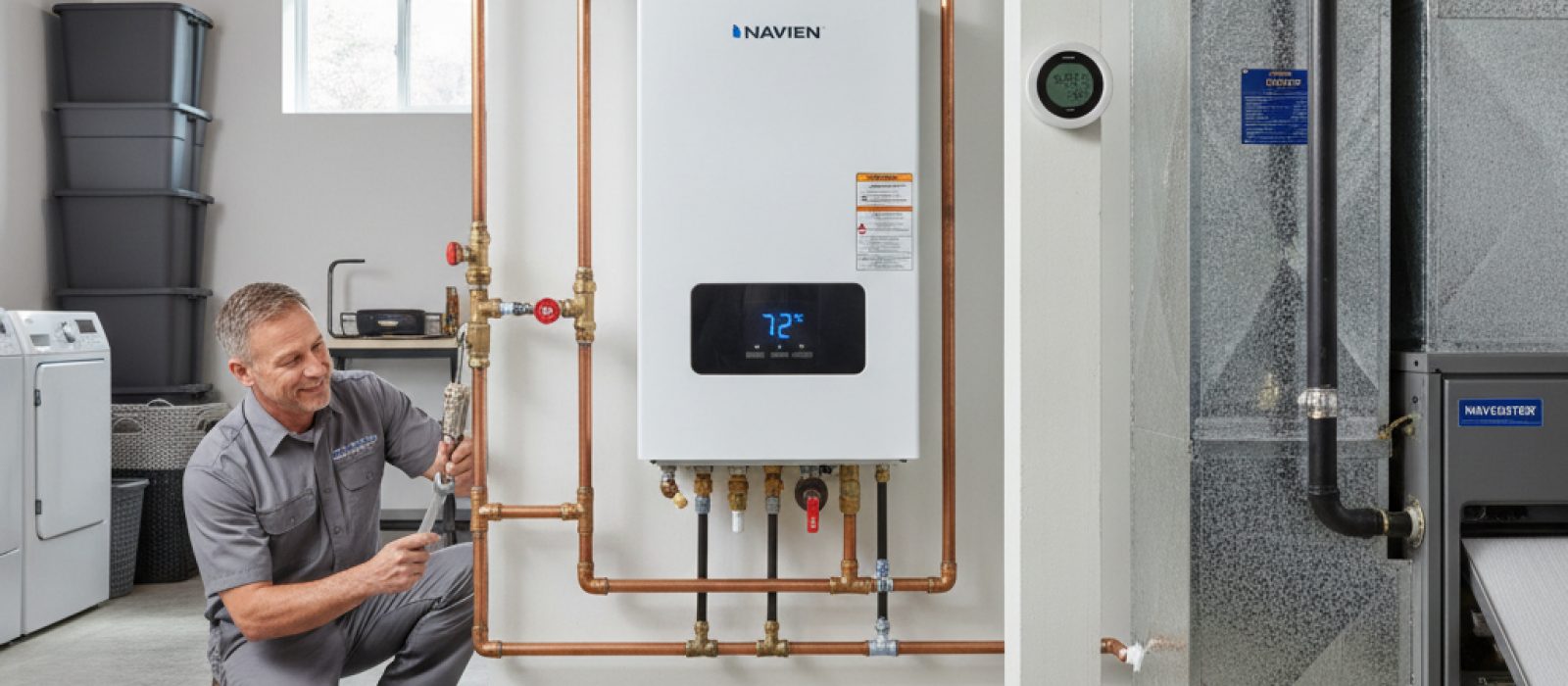
Evaluate the performance, efficiency, and installation requirements of Navien boilers for your residential heating system.
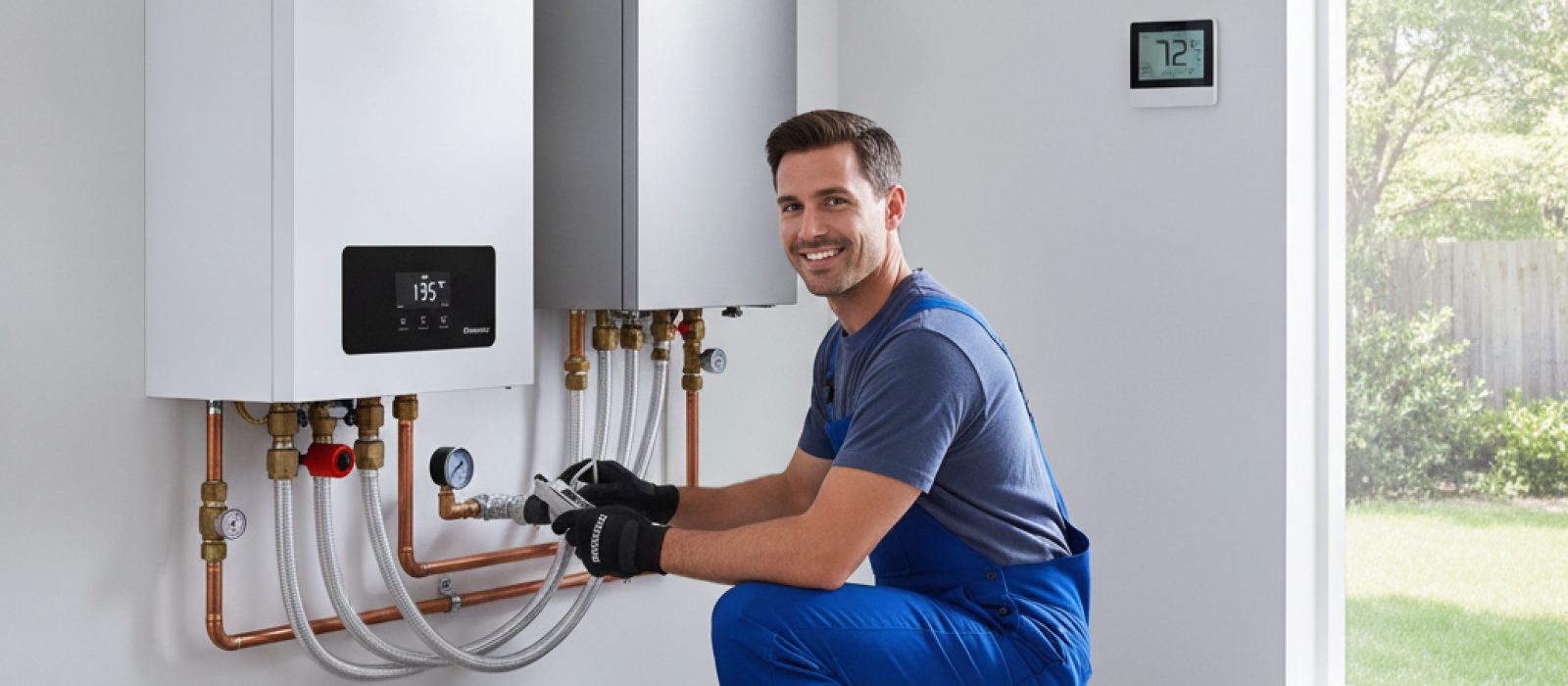
Learn how Rinnai combi boilers provide dual-function heating and hot water, helping you decide if this high-efficiency technology fits your home.
Be the first to comment.