
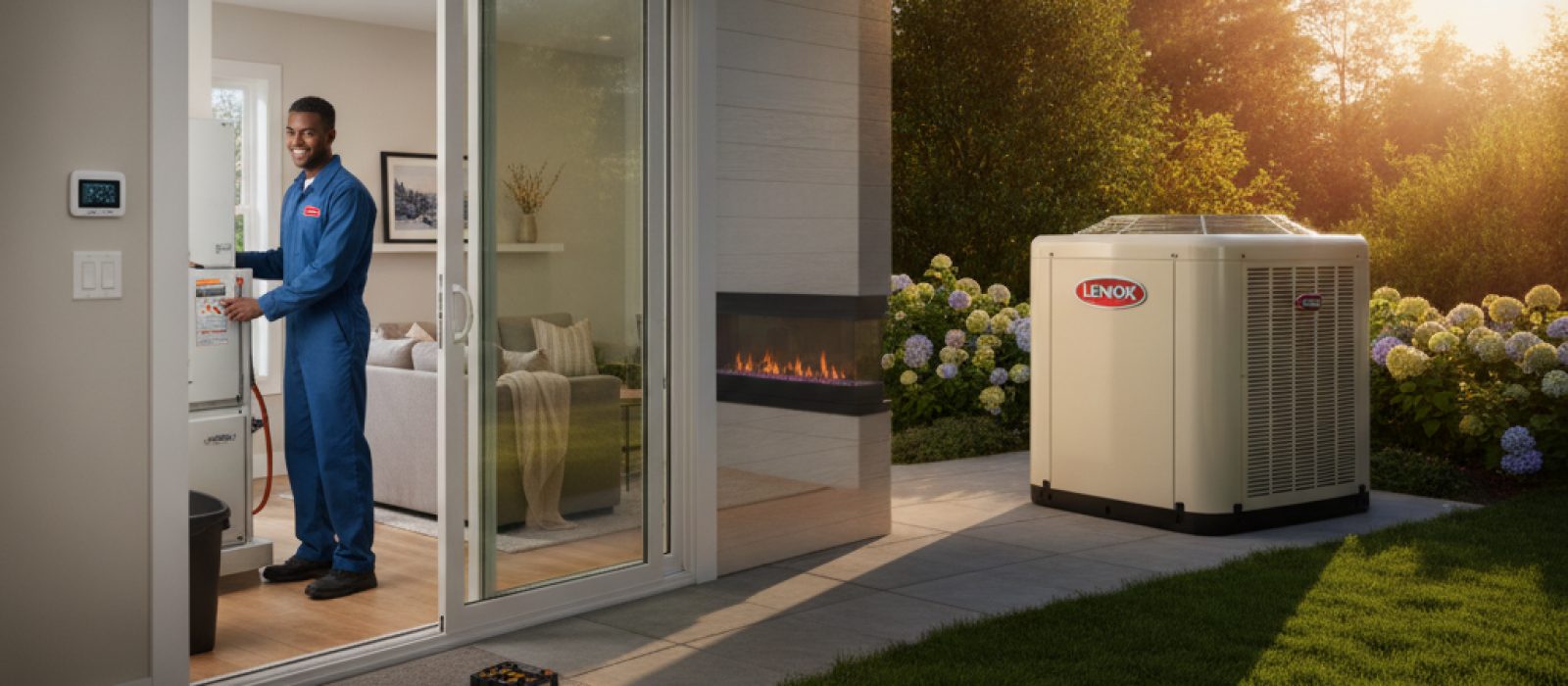
Lennox Furnaces and Heat Pumps: Repair Costs and Buying Guide
A practical guide for homeowners evaluating Lennox heating and cooling systems, covering repair expectations, maintenance needs, and replacement factors.
4 min read

When it comes to keeping your home warm during chilly U.S. winters, you're likely relying on either a boiler or a furnace. While both serve the essential function of heating your living space, they do so in fundamentally different ways. Understanding these differences isn't just for HVAC technicians; it empowers you as a homeowner to make informed decisions about maintenance, energy efficiency, and potential upgrades. Let's demystify these two common heating giants.
A furnace is a central heating system that heats air and then distributes it throughout your home via a system of ducts and vents. It’s what's known as a 'forced-air' system. Here’s a quick breakdown of its operation:
Furnaces are incredibly common in American homes, often integrated with central air conditioning systems, using the same ductwork for both heating and cooling.
Unlike a furnace that heats air, a boiler heats water. This hot water (or steam) is then circulated through pipes to radiators, baseboard heaters, or radiant floor systems throughout your home. This is often referred to as a 'hydronic' heating system.
Boilers are known for providing a very comfortable, even heat, and are particularly prevalent in older homes and in certain regions of the U.S.
Identifying your heating system is usually straightforward:
Regardless of whether you have a boiler or a furnace, regular professional maintenance is crucial for optimal performance, energy efficiency, and longevity. An annual tune-up can identify minor issues before they become major problems, ensure your system is running safely, and help keep your energy bills in check.
For furnaces, regularly change your air filter as recommended by the manufacturer. For boilers, ensure proper water pressure and consider periodic bleeding of radiators if they aren't heating evenly.
Knowing the difference between a boiler and a furnace is a fundamental step in understanding your home's heating infrastructure. Both are excellent choices for keeping warm, each with its unique characteristics. By understanding how your system works, you can better care for it and enjoy a comfortable home for years to come.
A practical guide for homeowners evaluating Lennox heating and cooling systems, covering repair expectations, maintenance needs, and replacement factors.
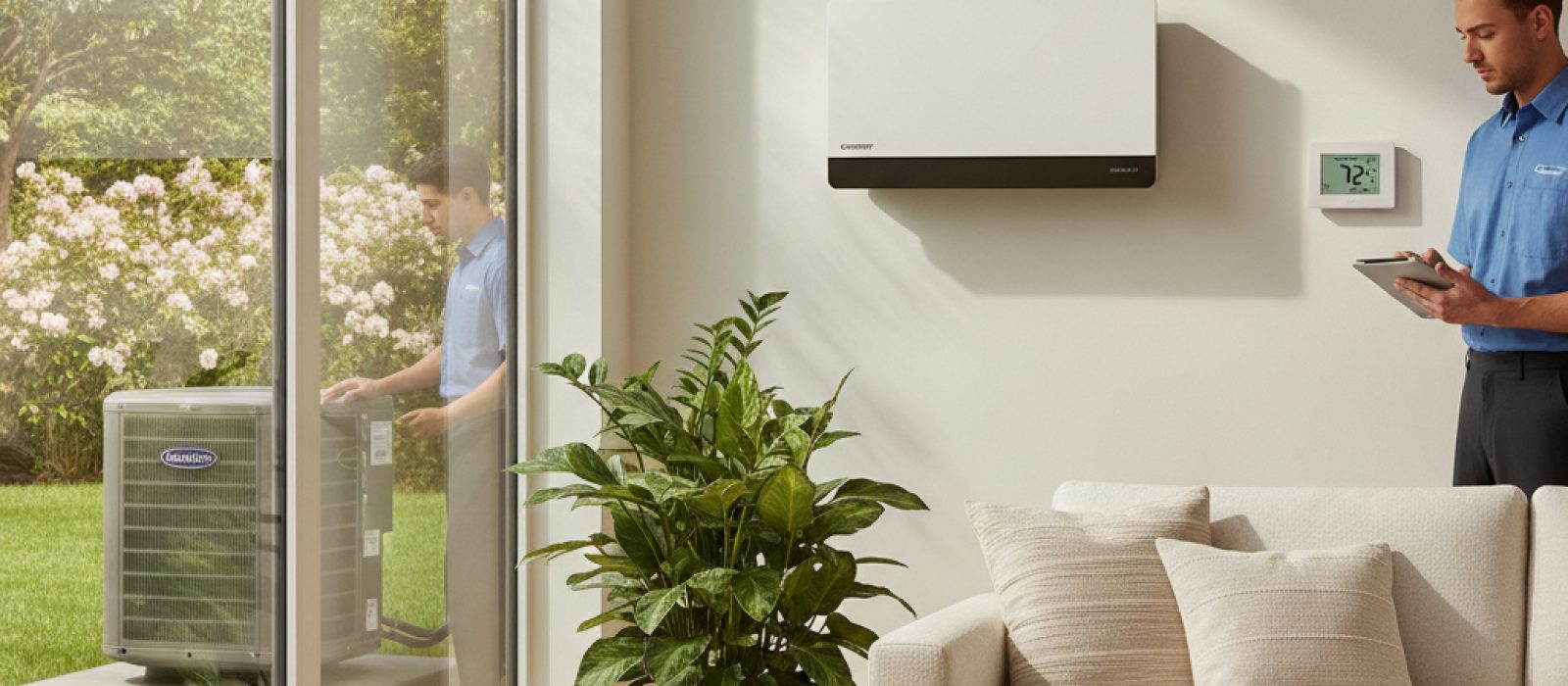
Learn how the Carrier Infinity series heat pumps and ductless systems balance high-efficiency heating with advanced climate control features.
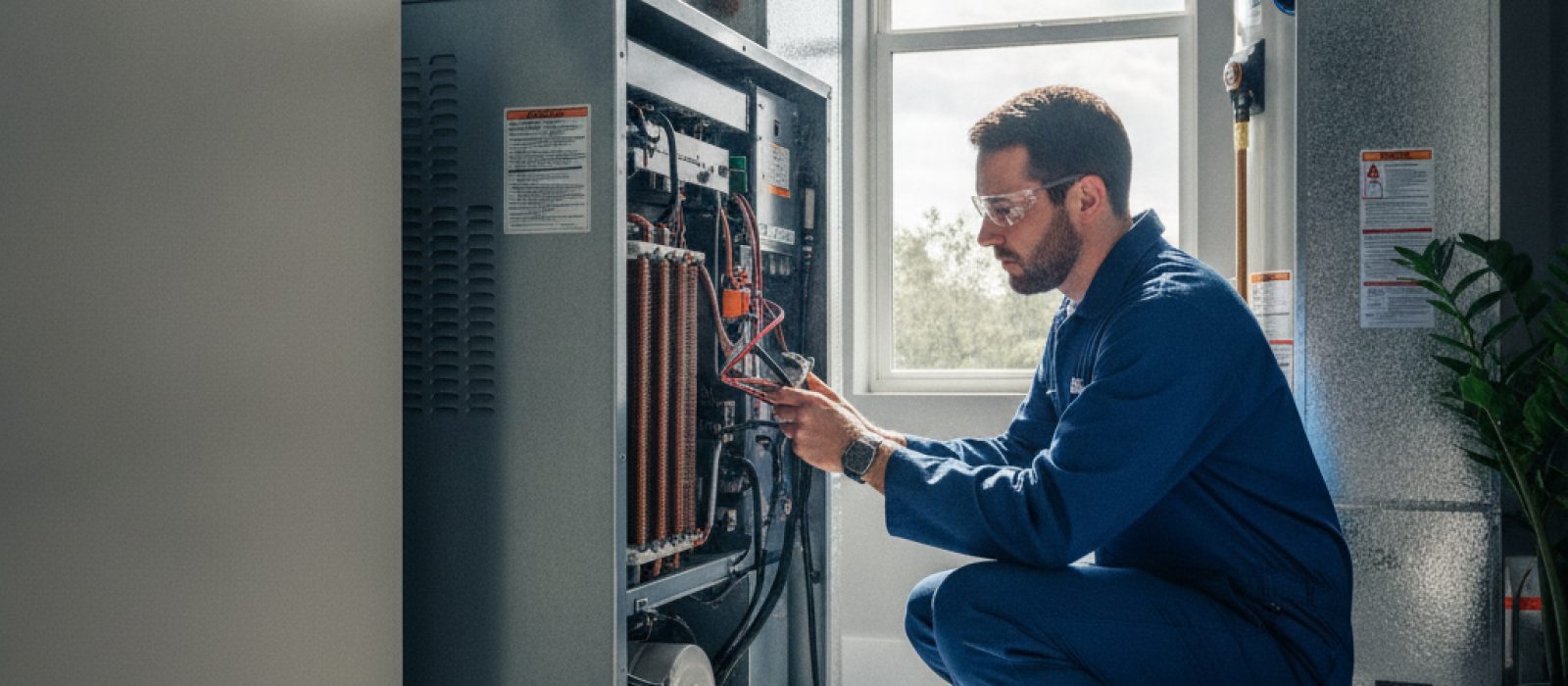
Learn how the air handler functions as the heart of your HVAC system, circulating air and regulating temperature throughout your home.
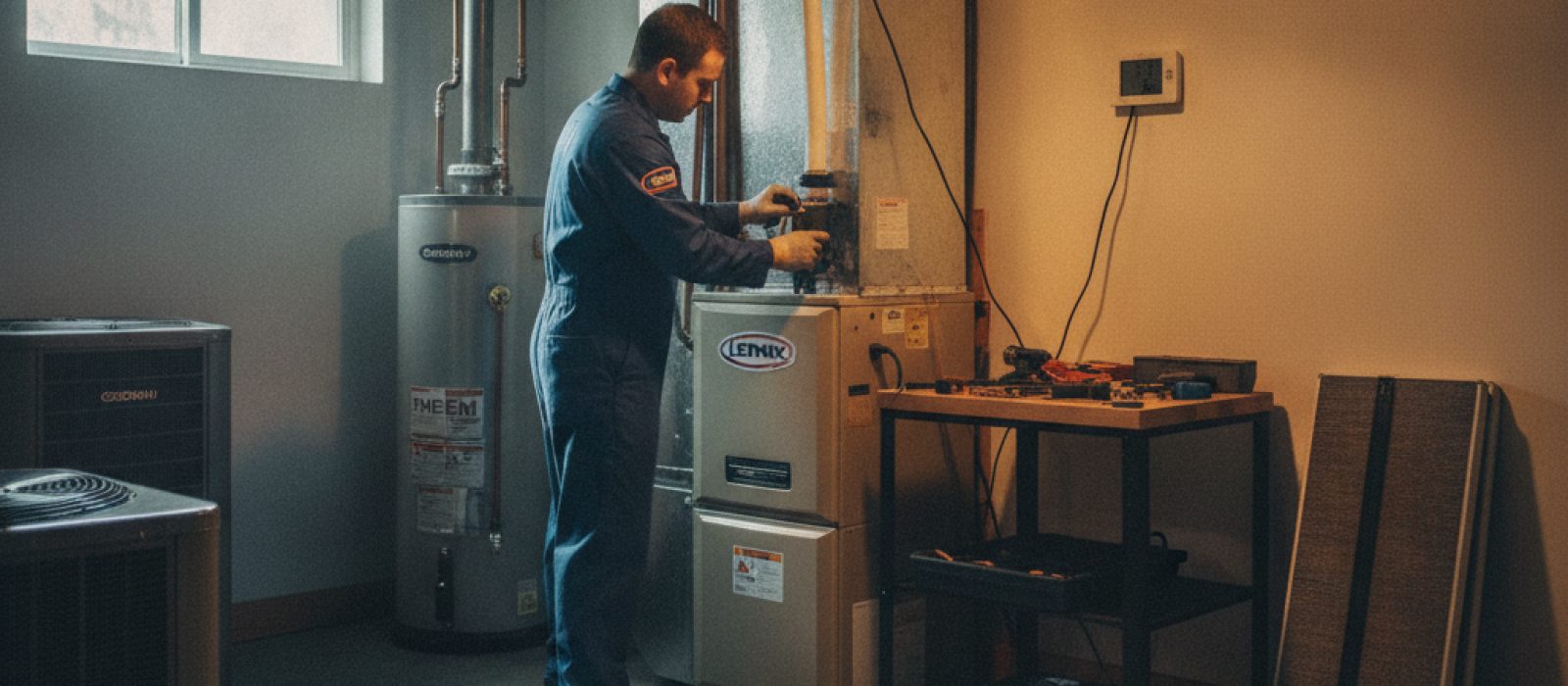
Learn how specific furnace brands influence repair frequency, component availability, and the diagnostic process for your home heating system.
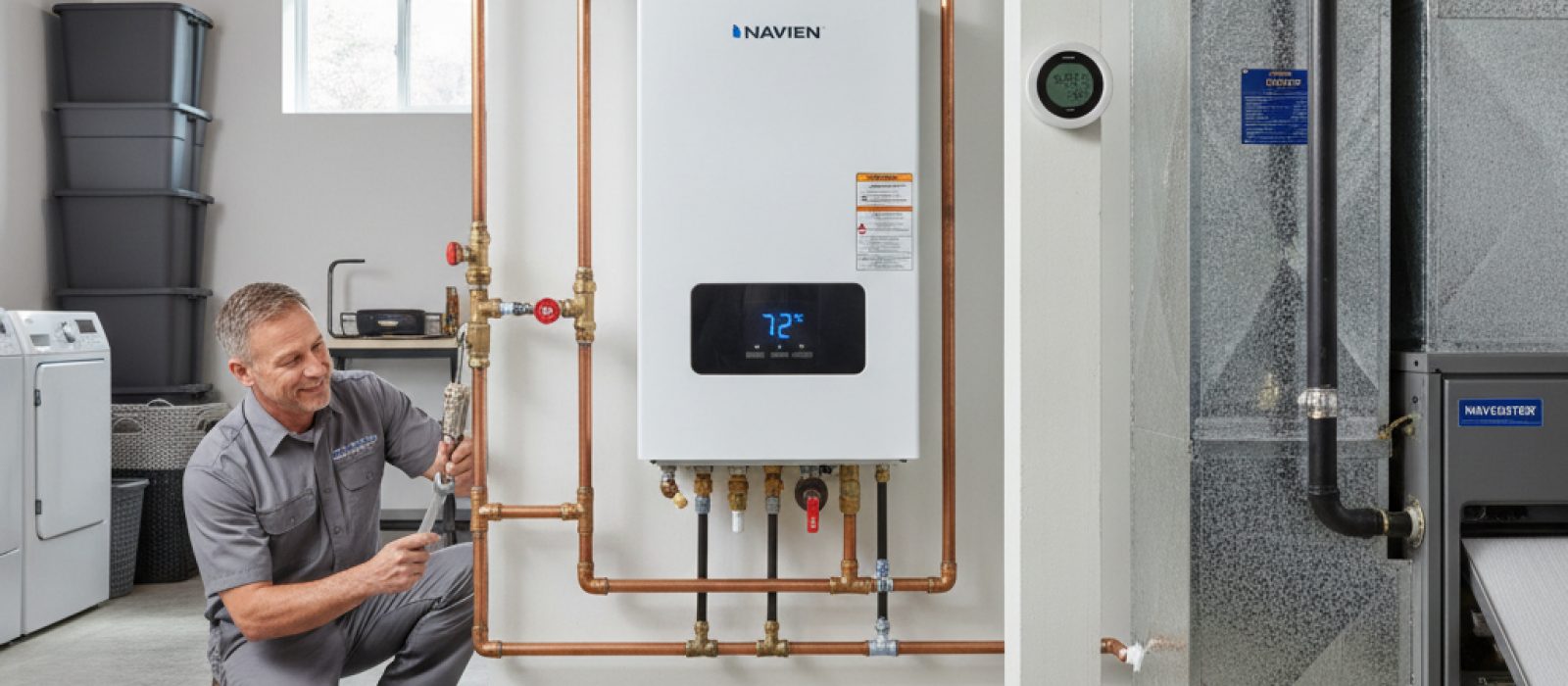
Evaluate the performance, efficiency, and installation requirements of Navien boilers for your residential heating system.
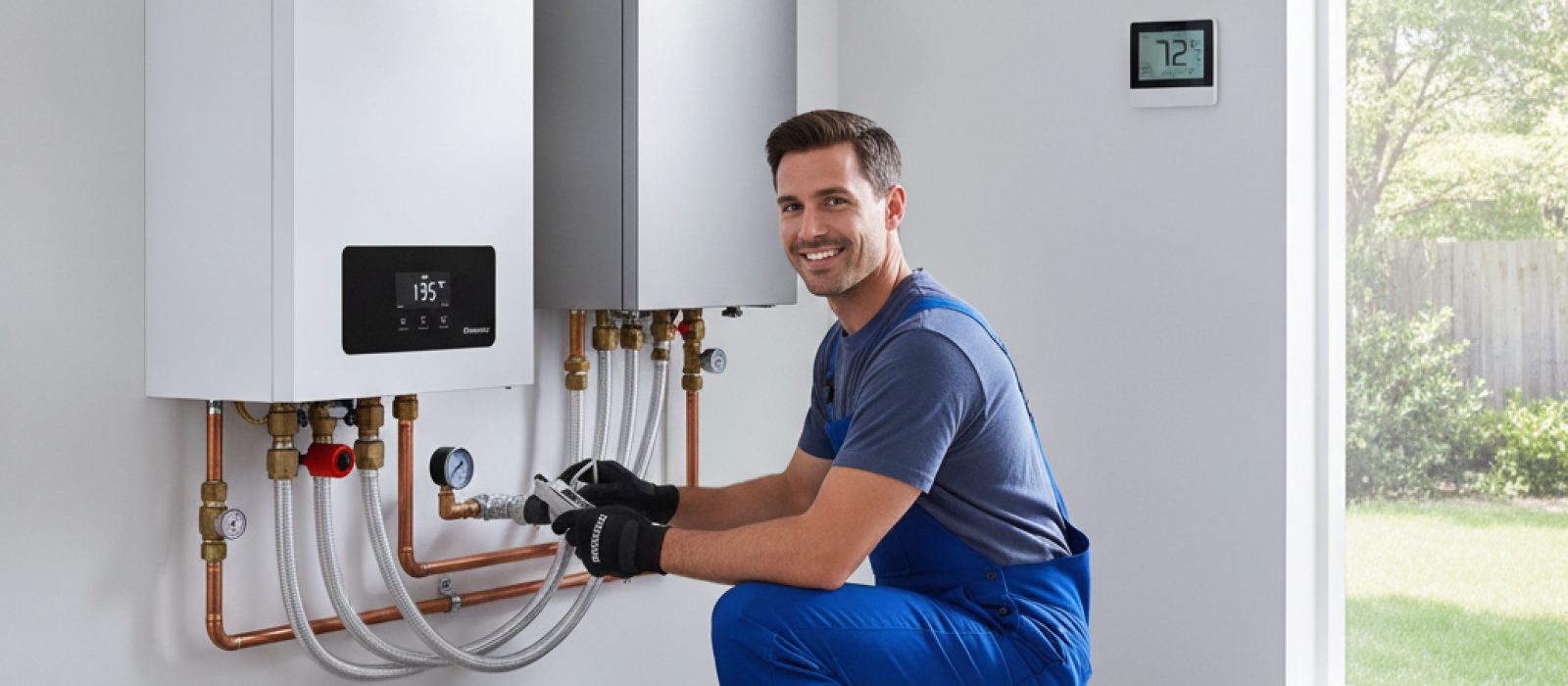
Learn how Rinnai combi boilers provide dual-function heating and hot water, helping you decide if this high-efficiency technology fits your home.
Be the first to comment.