HVAC Service Fast

Your Ultimate HVAC Maintenance Checklist: A Homeowner's Guide

4 min read

Your Ultimate HVAC Maintenance Checklist: A Homeowner's Guide

Why HVAC Maintenance Matters

Your home's heating, ventilation, and air conditioning (HVAC) system is one of its most critical components, working tirelessly to keep you comfortable in every season. However, like any complex machinery, it requires regular attention to perform optimally. Neglecting HVAC maintenance can lead to higher energy bills, frequent breakdowns, costly repairs, and even premature system replacement. A well-maintained system, on the other hand, runs more efficiently, lasts longer, and provides consistent comfort.

This comprehensive checklist empowers you to take proactive steps in caring for your HVAC system. Some tasks are simple DIY projects, while others require the expertise of a certified HVAC professional.

Seasonal DIY HVAC Maintenance Tasks

There are several easy tasks you can perform throughout the year to keep your system running smoothly. Regular attention to these items can make a big difference.

  • Change Air Filters Regularly: This is arguably the most important and easiest maintenance task. Dirty filters restrict airflow, making your system work harder and reducing indoor air quality. Check your filter monthly and replace it every 1-3 months, or more frequently if you have pets, allergies, or live in a dusty environment.
  • Keep Outdoor Unit Clear: Ensure the area around your outdoor condenser unit (for central AC) is free of debris. Trim back shrubs, weeds, and grass at least two feet in every direction. Clear away leaves, dirt, and other obstructions that can impede airflow.
  • Check and Clean Vents and Registers: Periodically inspect your indoor supply and return vents. Make sure they aren't blocked by furniture, curtains, or rugs. Dust and vacuum them to prevent buildup that can restrict airflow.
  • Inspect for Leaks Around Indoor Unit: For your furnace or air handler, occasionally check the area around the unit for any signs of water leaks. If you spot moisture, it could indicate a clogged condensate drain line or another issue that needs attention.
  • Test Thermostat Functionality: Ensure your thermostat is working correctly. Change the batteries annually (if applicable) and test different settings (heat, cool, fan) to confirm it's communicating properly with your system. Consider upgrading to a programmable or smart thermostat for enhanced efficiency.

Annual Professional HVAC Maintenance Tasks

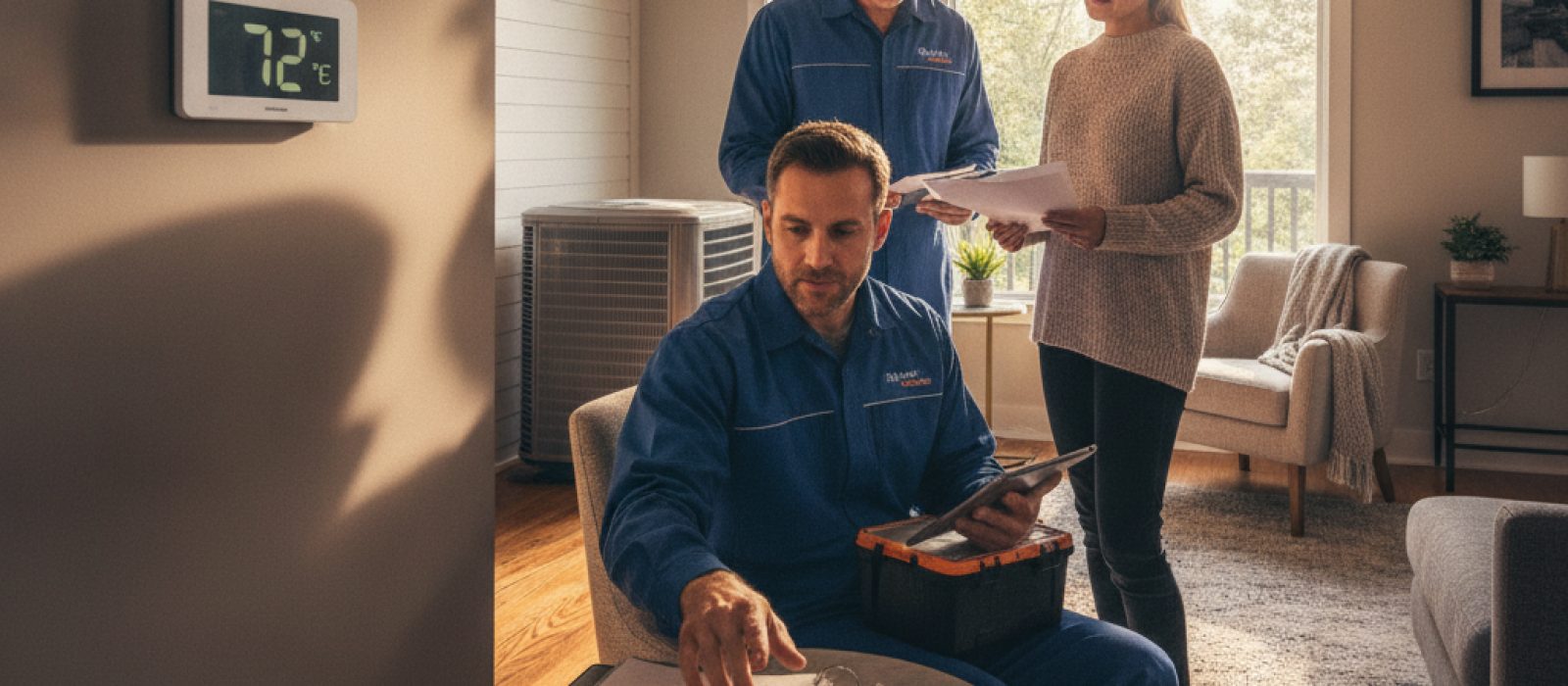
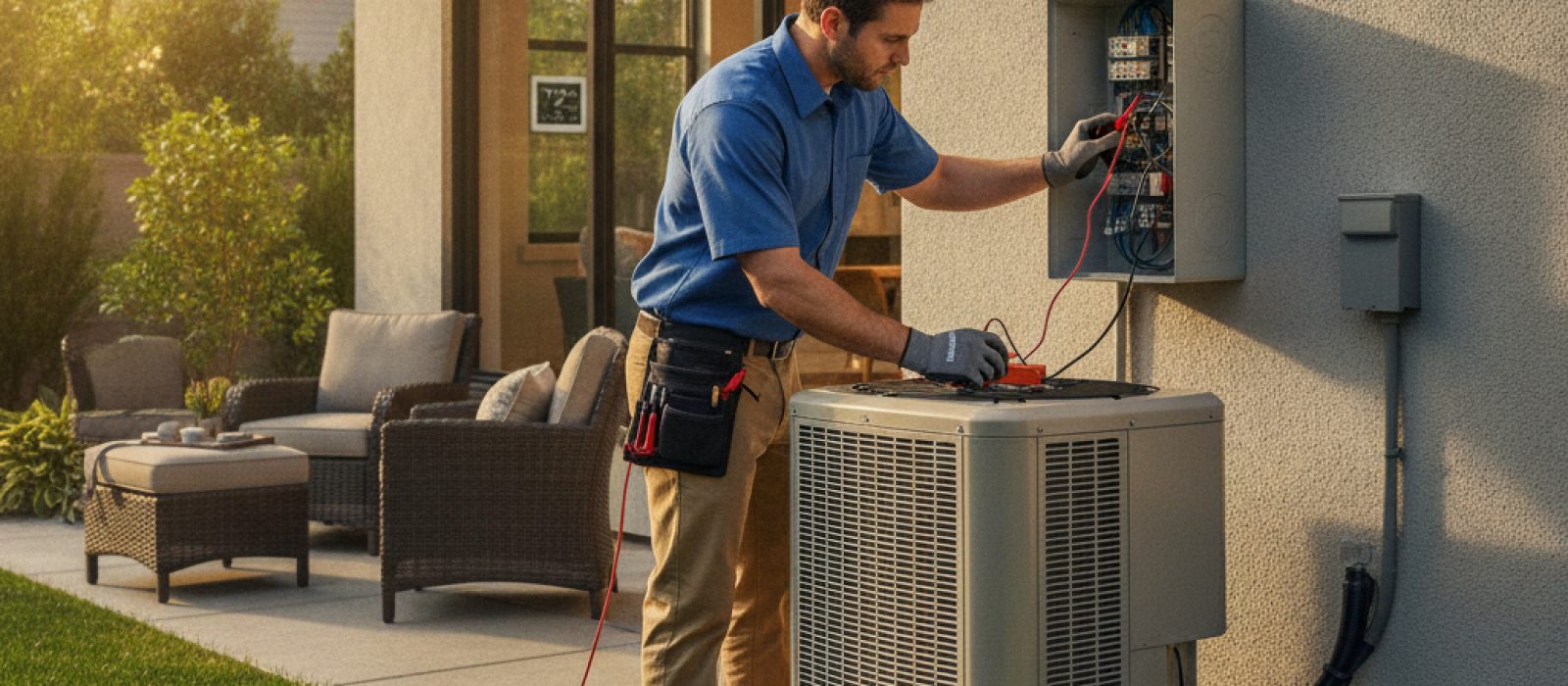
While DIY tasks are important, your HVAC system benefits immensely from a professional tune-up at least once a year, ideally twice (one for heating, one for cooling). A certified technician can identify potential problems before they become major issues and optimize your system's performance.

During a professional maintenance visit, you can expect the technician to perform a variety of crucial checks and adjustments, including:

  • Thorough Cleaning: Cleaning the condenser and evaporator coils, blower components, and drain pan.
  • Lubrication: Lubricating all moving parts to reduce friction and wear.
  • Refrigerant Level Check: Verifying proper refrigerant levels and checking for leaks (for AC systems). Low refrigerant can significantly reduce cooling efficiency.
  • Electrical Connections & Components: Inspecting and tightening all electrical connections, checking voltage and current on motors, and examining capacitors and relays.
  • Drain Line Inspection & Clearing: Ensuring the condensate drain line is clear and free of blockages to prevent water damage and mold growth.
  • Safety Controls & Sensors: Testing safety controls and starting capabilities to ensure proper operation.
  • Thermostat Calibration: Checking and calibrating the thermostat for accurate temperature readings.
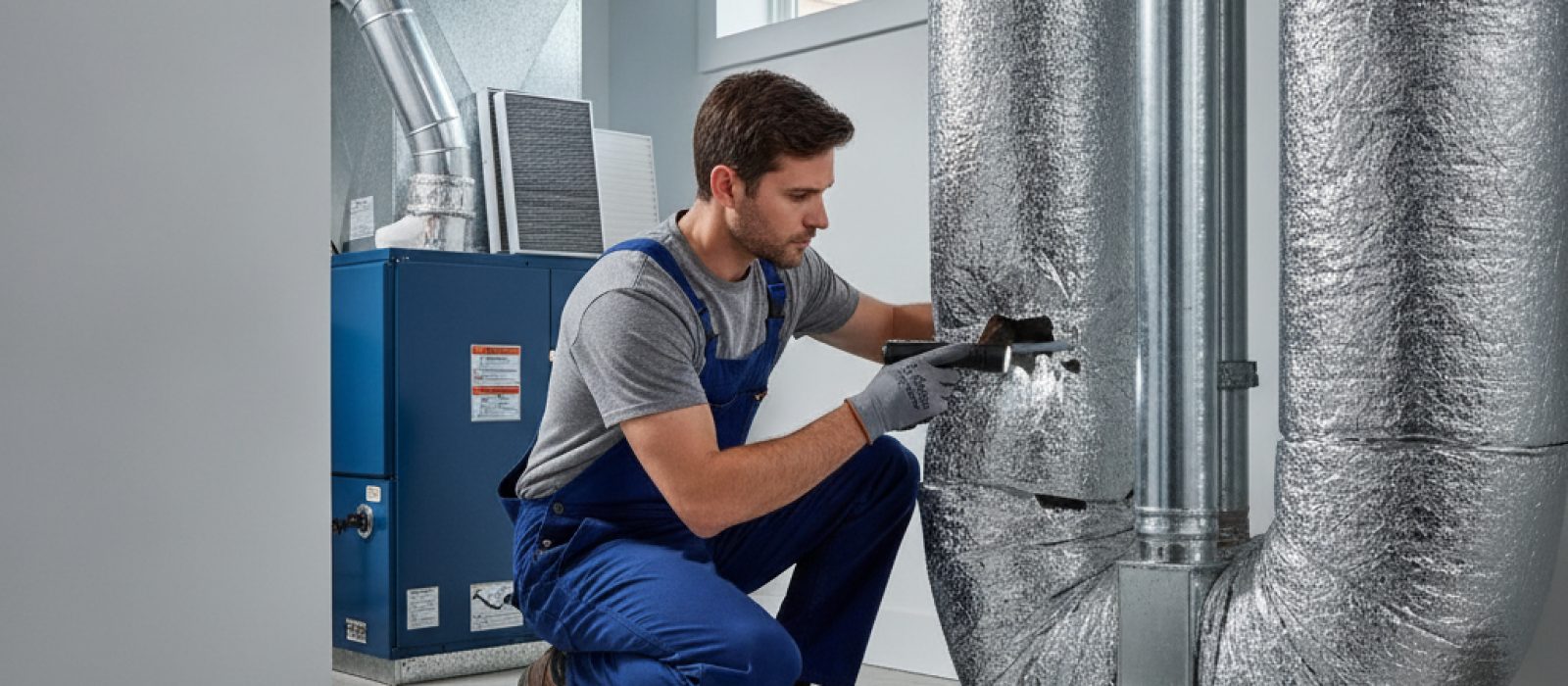
  • Ductwork Inspection: A visual inspection for obvious leaks or damage in accessible ductwork.
  • Heating System Specific Checks (Furnace/Boiler):
    • Checking gas pressure and burner operation.
    • Inspecting the heat exchanger for cracks or damage that could lead to carbon monoxide leaks.
    • Testing all safety controls and limits.
    • Checking the flue system for proper ventilation.

When to Call a Professional for Repairs

Even with diligent maintenance, issues can arise. Don't hesitate to call a professional HVAC technician if you notice any of the following:

  • Unusual noises (grinding, squealing, banging)
  • Strange odors (burning, musty, gas)
  • Reduced airflow or inconsistent temperatures
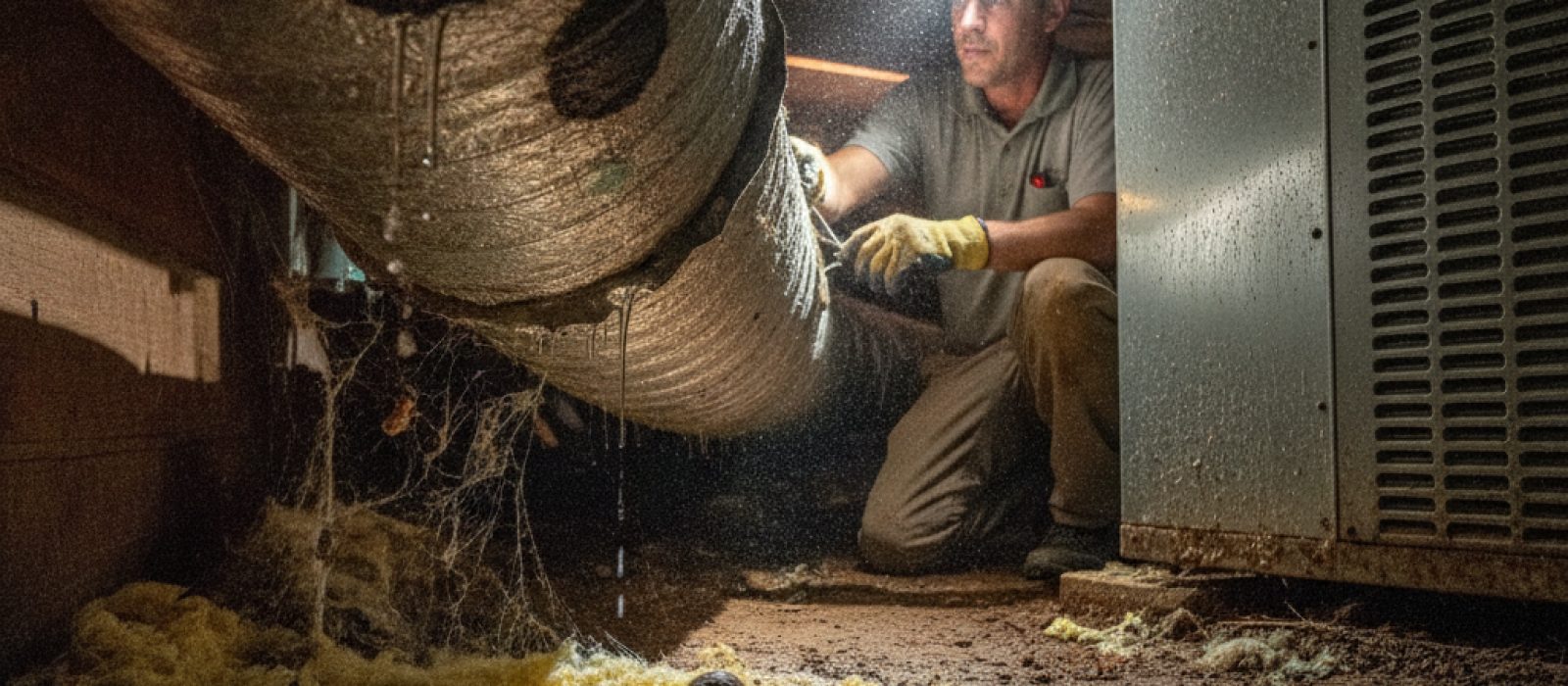
  • Water leaks around the indoor or outdoor unit
  • High energy bills without a change in usage
  • System frequently cycling on and off (short-cycling)
  • No heating or cooling whatsoever

Ignoring these signs can lead to more extensive and costly repairs down the line. Prompt attention from a qualified professional can save you money and headaches.

Long-Term HVAC Care Tips

Beyond the regular checklist, consider these long-term strategies for optimal HVAC performance and longevity:

  • Consider a Maintenance Plan: Many HVAC companies offer annual maintenance plans that include scheduled tune-ups, priority service, and sometimes discounts on repairs.
  • Upgrade When Necessary: If your system is old (typically 10-15 years for AC, 15-20 for furnaces) and frequently breaking down, investing in a new, energy-efficient model can save you money in the long run.
  • Improve Insulation and Sealing: Ensure your home is well-insulated and that windows and doors are properly sealed. A leaky home makes your HVAC system work much harder.
  • Install a Whole-Home Air Purifier: For improved indoor air quality, consider integrating a whole-home air purification system with your HVAC.

By following this comprehensive HVAC maintenance checklist, you'll not only extend the life of your system but also enjoy a more comfortable, energy-efficient, and healthier home environment for years to come. Your HVAC system is a significant investment; protect it with proper care!

#Energy Efficiency #AC repair #HVAC maintenance #Homeowner Tips #Furnace Care #Indoor Air Quality

Frequently asked questions

Why is HVAC maintenance important for homeowners?
Regular HVAC maintenance is crucial because it leads to higher energy efficiency, extends the system's lifespan, reduces the likelihood of costly repairs and breakdowns, and ensures consistent home comfort.
What are some simple DIY HVAC maintenance tasks I can do?
Easy DIY tasks include changing air filters regularly (every 1-3 months), keeping the outdoor unit clear of debris, cleaning indoor vents and registers, inspecting for leaks around the indoor unit, and testing thermostat functionality.
How often should I change my HVAC air filter?
You should check your air filter monthly and replace it every 1-3 months. If you have pets, allergies, or live in a dusty area, more frequent replacement may be necessary.
When should I call a professional for HVAC maintenance?
It is recommended to schedule professional HVAC maintenance at least once a year, ideally twice (one for heating, one for cooling). A technician can perform thorough cleanings, checks, and adjustments beyond DIY capabilities.
What does a professional HVAC tune-up typically include?
A professional tune-up often includes thorough cleaning of coils and components, lubrication of moving parts, refrigerant level checks, inspection of electrical connections, clearing the condensate drain line, testing safety controls, and thermostat calibration.

Related articles

Comments (0)

Be the first to comment.

Leave a comment

Security code

Comments are moderated before they appear.