
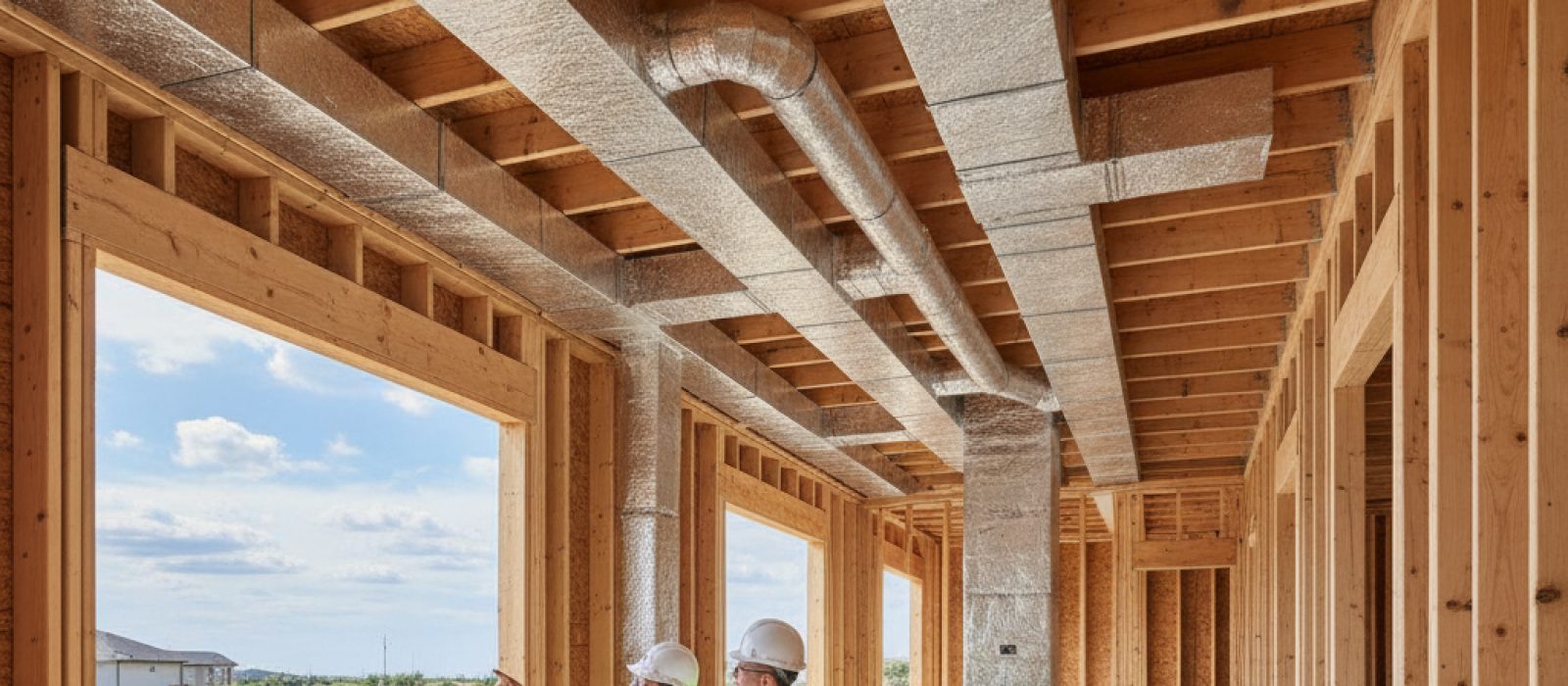
Ductwork Design in New Construction: Questions for Your Builder
Ensure long-term comfort and efficiency by asking the right questions about your home's ductwork design during the new construction process.
4 min read

The HVAC disconnect box is a metal or heavy-duty plastic enclosure mounted on the exterior of a home, typically located near the outdoor condenser unit. It serves as the local power cutoff for the air conditioning or heat pump system. By providing a physical point where electrical current can be interrupted, it allows technicians to service equipment without the risk of the system accidentally powering on.
When performing routine Maintenance & Tune-up tasks, a technician will always verify that the disconnect is pulled or switched to the off position. This ensures that electrical energy is fully isolated from the compressor and fan motor, creating a safe work environment.
The device functions as a manual safety switch between the main electrical panel and the outdoor unit. Inside the box, wires carry high-voltage power from the home's breaker to the HVAC unit. The disconnect serves as an accessible bridge for that power.
A pull-out disconnect features a plastic handle that contains a fuse or a solid metal slug. When the handle is removed from the socket, the electrical path is physically severed. This is a simple, reliable mechanism that is common in older and many modern residential installations.
Disconnect boxes are categorized based on whether they offer overcurrent protection. A fused disconnect includes a chamber for cartridge fuses, which protect the outdoor unit from power surges or electrical shorts. A non-fused disconnect acts purely as a manual shut-off switch and does not provide supplemental circuit protection, relying entirely on the main breaker in the home's electrical panel.
The primary purpose of the disconnect box is life safety. Electrical systems in HVAC equipment operate at high voltages that can be fatal if contact is made while the system is energized. A local disconnect ensures that if a technician is working on the unit, they remain in control of the power supply.
Without this box, a technician would have to walk to the main electrical panel, which might be located in a basement or garage on the opposite side of the house. This creates a risk that someone else could inadvertently flip the breaker back on while the technician is handling exposed wiring.
While the disconnect box is a passive component, it is exposed to the elements year-round. Over time, environmental factors can cause the box or its internal components to degrade. If you notice any of the following, contact a professional who specializes in Electrical Services:
Homeowners should perform visual inspections of the disconnect box periodically. Ensure the cover is closed tightly and that there is no debris accumulating around the base of the box. Do not attempt to open the box or touch the wiring inside.
If you suspect an issue, do not attempt to bypass or repair the internal wiring yourself. Electrical faults in high-voltage HVAC systems require specialized tools and training. In addition to ensuring your disconnect is functioning, scheduling regular Maintenance & Tune-up visits helps identify potential electrical issues before they lead to system failure or safety hazards.
If you are experiencing issues with your system failing to start or showing signs of electrical instability, consult with an expert in AC Services to determine if the fault lies within the unit itself or the disconnect box. A professional can quickly verify voltage levels and ensure all connections are tight and corrosion-free.
Replacement is often necessary during a system upgrade. If you are installing a new, more energy-efficient condenser, current electrical codes often require that the disconnect box be brought up to modern safety standards. This might involve switching from a non-fused to a fused disconnect to better protect your new investment.
Furthermore, if you have recently experienced a power surge or a lightning strike, the disconnect box should be inspected as part of your broader Electrical Services assessment. Surge damage can compromise the internal terminals of the disconnect even if the system appears to be running normally.
Ensure long-term comfort and efficiency by asking the right questions about your home's ductwork design during the new construction process.
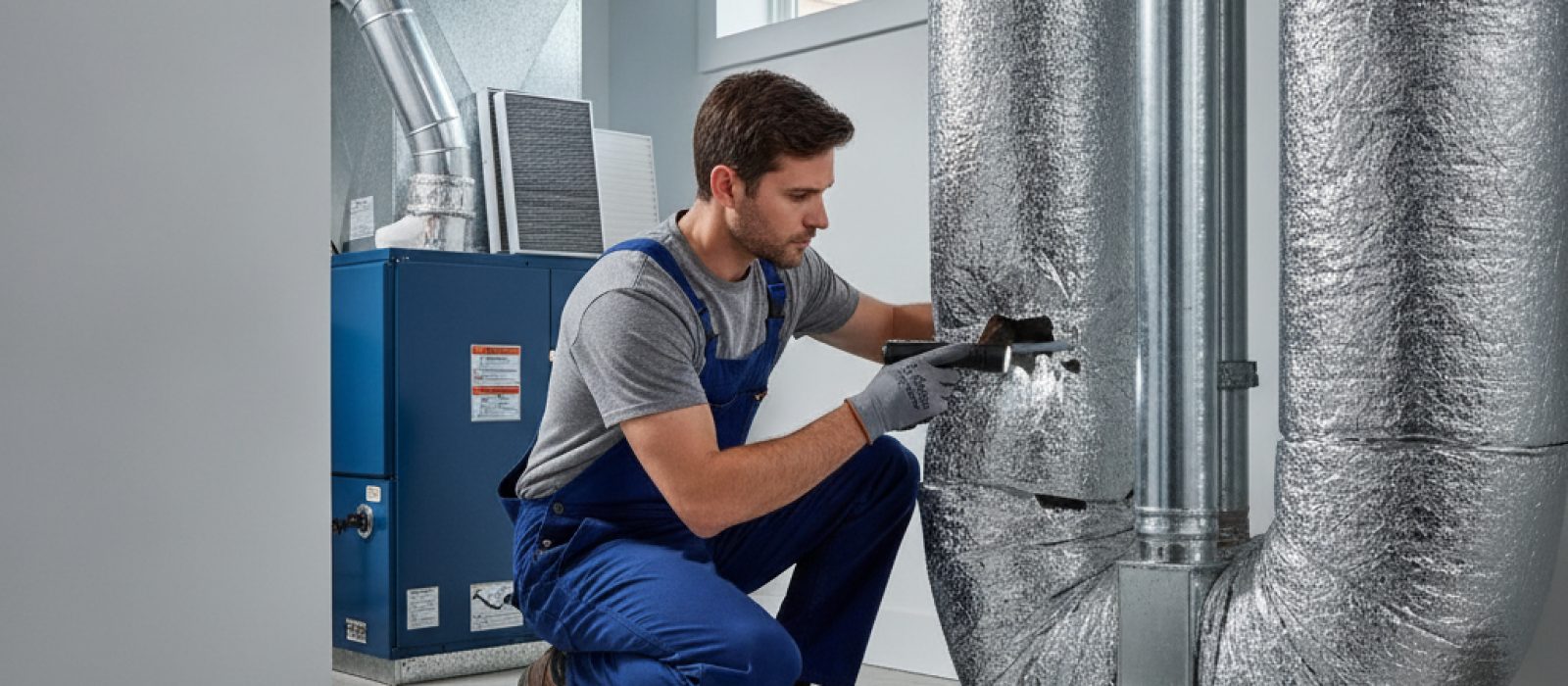
Discover the signs of rodent infestation in your HVAC system and learn how to identify, address, and prevent pest issues in your ductwork.
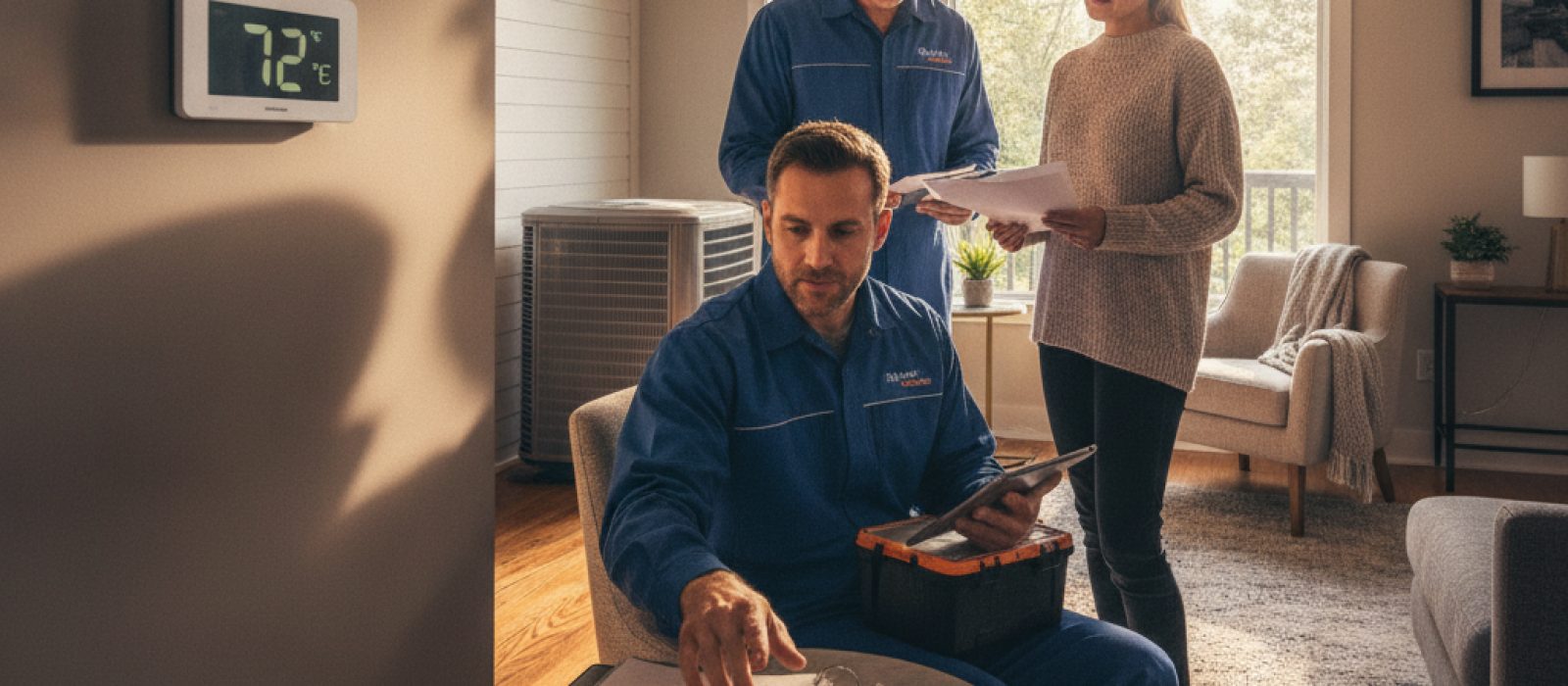
Learn why maintaining a detailed history of your HVAC service records protects your warranty, boosts resale value, and ensures system longevity.
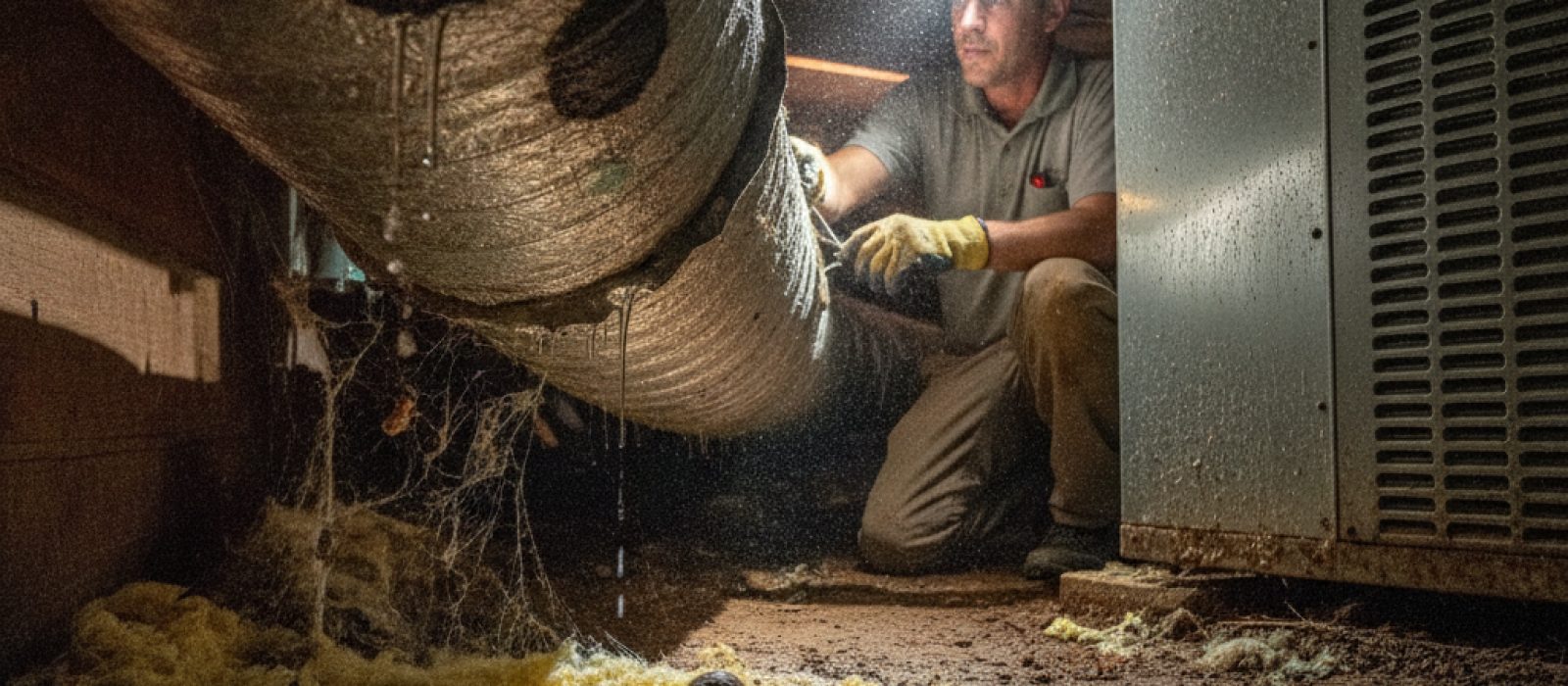
Learn how to identify and resolve common crawl space ductwork problems, including moisture buildup, pest intrusion, and damaged insulation.

Learn how upgrading or maintaining your HVAC registers and grilles can optimize home comfort, improve efficiency, and protect your indoor air quality.
Protect your vacation property from moisture, mold, and system failure with a targeted seasonal HVAC maintenance strategy designed for unoccupied homes.
Be the first to comment.