
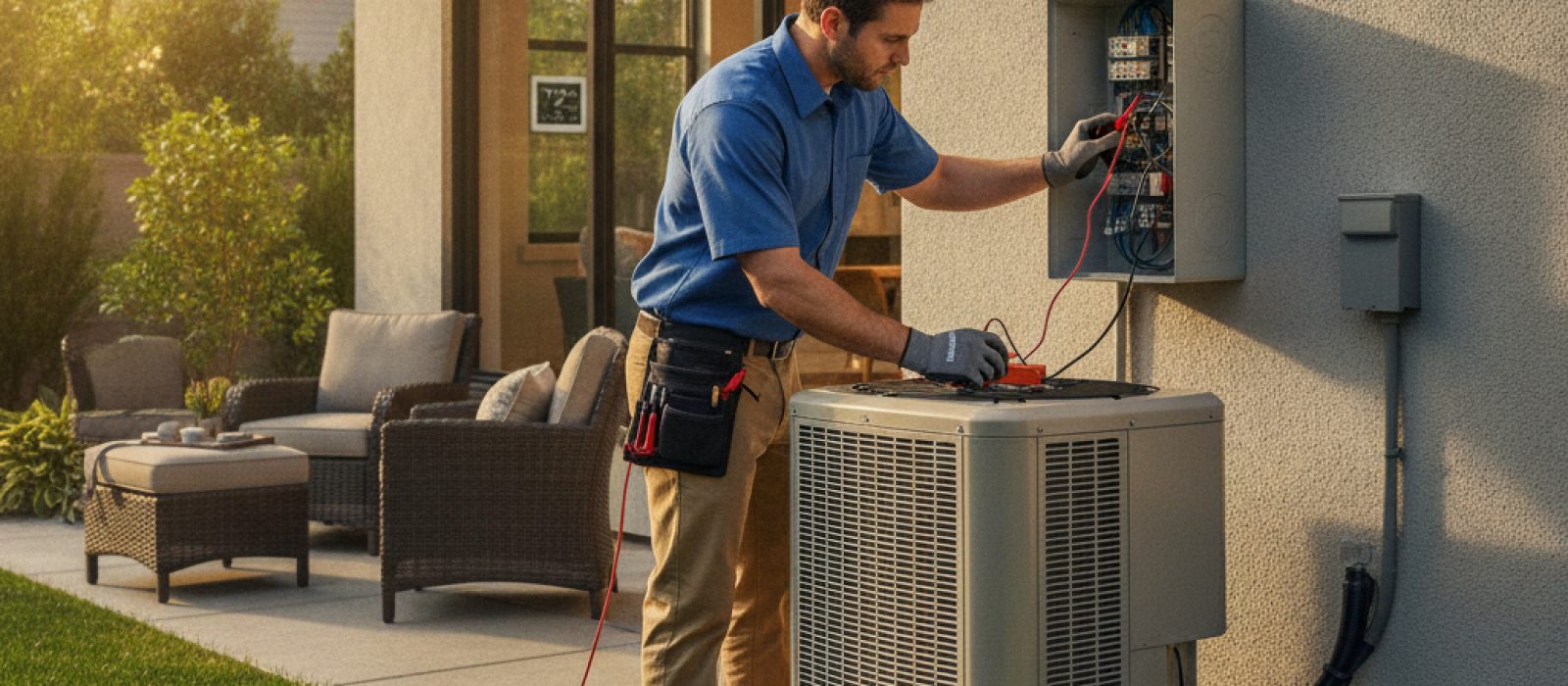
HVAC Disconnect Box: What It Is and Why It Matters
Learn the function of the HVAC disconnect box, why it is vital for safety, and how to identify when this critical component requires professional attention.
4 min read

Rodents often seek out HVAC ductwork as a safe harbor because it provides shelter, warmth, and a network of tunnels that connect different areas of a home. Once inside, these pests can cause significant damage to the system and compromise the quality of the air circulating through your living space. Identifying an infestation early is critical to preventing costly repairs and health hazards.
The most common indicator of rodents in your air ducts is the presence of unusual odors. A persistent, musty, or foul smell that intensifies when the heating or cooling system turns on often suggests the presence of nesting materials, droppings, or decaying organic matter. Because air is pushed through the ducts, these odors are distributed throughout the home, making them difficult to ignore.
Auditory cues are another primary sign. Homeowners may hear scratching, scurrying, or squeaking sounds coming from behind walls, ceilings, or floor vents. These sounds are frequently more noticeable at night when the house is quiet and rodents are most active. If these noises seem to emanate from the ducts themselves, it is a strong indicator that pests have gained entry.
Beyond sounds and smells, visual evidence often manifests near registers and return grilles. Look for small droppings, shredded insulation, or nesting debris like paper, fabric, or dried leaves near the vent openings. If you notice dust or debris blowing out of your vents shortly after the system kicks on, it may be a sign that rodents have damaged the internal duct lining or disturbed the dust accumulation inside the metalwork.
Rodent activity significantly impacts Indoor Air Quality. As rodents traverse the ducts, they track in pathogens, bacteria, and allergens. Furthermore, their waste products break down into fine particles that become airborne, potentially triggering respiratory issues or allergic reactions for occupants. When an infestation is suspected, it is vital to treat the ductwork as a potential source of indoor pollution.
Ignoring rodent presence allows the infestation to grow and the damage to compound. Rodents have teeth that grow continuously, leading them to gnaw on materials to keep their incisors filed. Within an HVAC system, this often results in chewed flexible ducting, which leads to air leaks. These leaks force the system to work harder to maintain temperatures, increasing energy consumption and potentially leading to premature system failure.
In some cases, rodents may chew through low-voltage wiring associated with thermostats or control boards, causing intermittent system errors or complete power loss. If you notice your system failing to respond or cycling erratically, you may require professional Heating Services or Furnace Services to diagnose whether the issue is mechanical or caused by pest-induced electrical damage.
Homeowners should avoid attempting to clear an active infestation on their own, as this poses risks of exposure to hantavirus and other diseases. The process of remediation requires specialized equipment and protective gear to ensure the safety of the occupants. A professional technician will typically begin by performing a thorough inspection to determine how rodents are entering the system, often identifying gaps around exterior vents or unsealed duct joints in crawlspaces or attics.
Once the entry points are identified, the next step is to remove the pests and sanitize the ductwork. This involves using professional-grade vacuums equipped with HEPA filtration to capture debris and pathogens without spreading them further. Following physical removal, the ducts must be treated with antimicrobial solutions designed specifically for HVAC systems to neutralize odors and pathogens.
If the ducting is severely damaged, cleaning alone will not suffice. In these instances, Ductwork Services are necessary to patch or replace sections of the system. Ensuring the ductwork is airtight is the most effective way to prevent future intrusions, as rodents are less likely to attempt to breach a system that does not offer easy entry and exit points.
Prevention focuses on hardening the exterior of the HVAC system against entry. Ensure that all exterior vent covers are securely fastened and made of a durable material that rodents cannot chew through, such as heavy-gauge steel mesh. Inspect the areas where ductwork passes through exterior walls; any gaps should be sealed with rodent-proof caulk or metal flashing.
Regular Maintenance & Tune-up visits are an excellent opportunity to have a technician inspect your system for signs of wildlife. During a routine check, a professional can spot minor breaches in the insulation or ductwork that might not be visible to the average homeowner. Catching these small gaps early prevents larger, more expensive problems from developing later in the season.
Finally, keeping the area around your outdoor condenser unit clear of tall grass, woodpiles, and debris reduces the likelihood that rodents will congregate near your home's mechanical components. By minimizing the cover available to pests near your HVAC equipment, you decrease the chances of them finding their way into your internal systems.
Learn the function of the HVAC disconnect box, why it is vital for safety, and how to identify when this critical component requires professional attention.

Ensure long-term comfort and efficiency by asking the right questions about your home's ductwork design during the new construction process.
Learn why maintaining a detailed history of your HVAC service records protects your warranty, boosts resale value, and ensures system longevity.
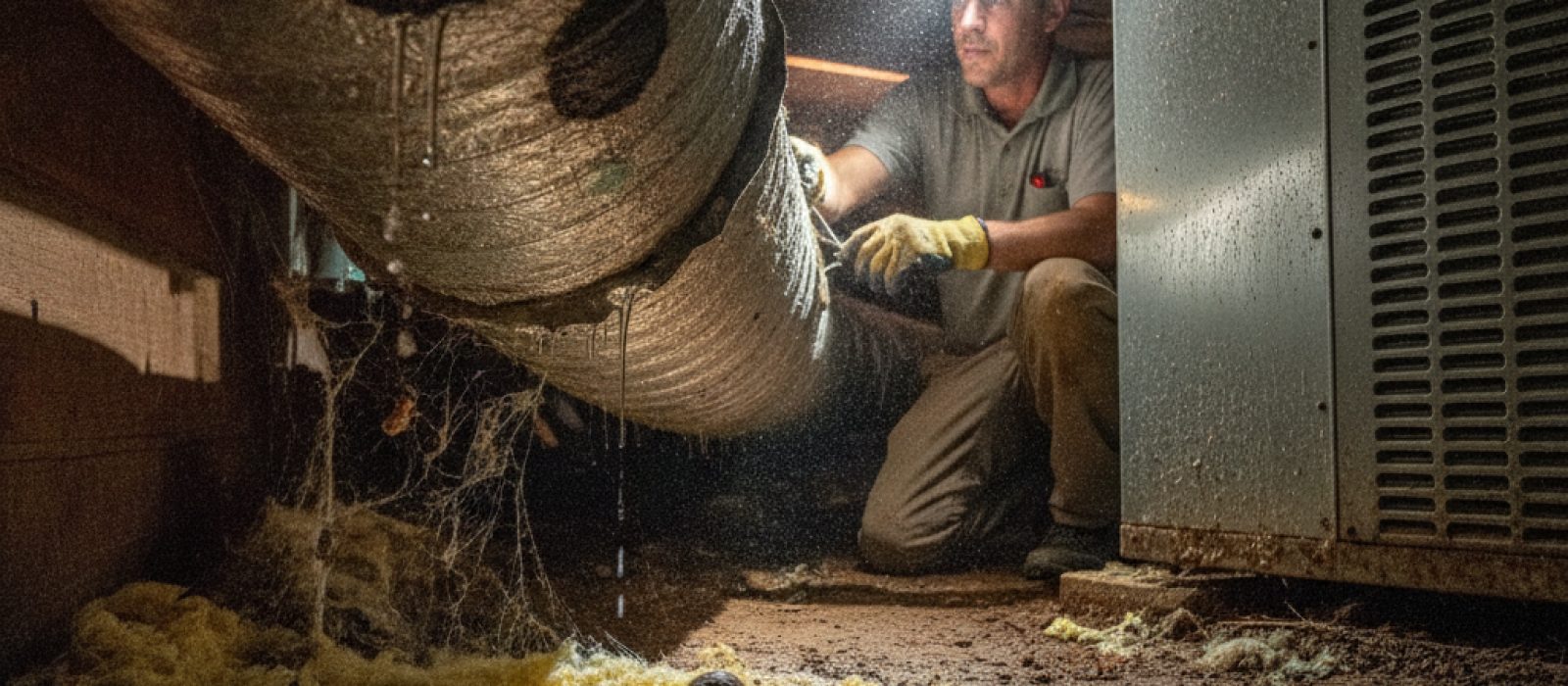
Learn how to identify and resolve common crawl space ductwork problems, including moisture buildup, pest intrusion, and damaged insulation.
Learn how upgrading or maintaining your HVAC registers and grilles can optimize home comfort, improve efficiency, and protect your indoor air quality.
Protect your vacation property from moisture, mold, and system failure with a targeted seasonal HVAC maintenance strategy designed for unoccupied homes.
Be the first to comment.