
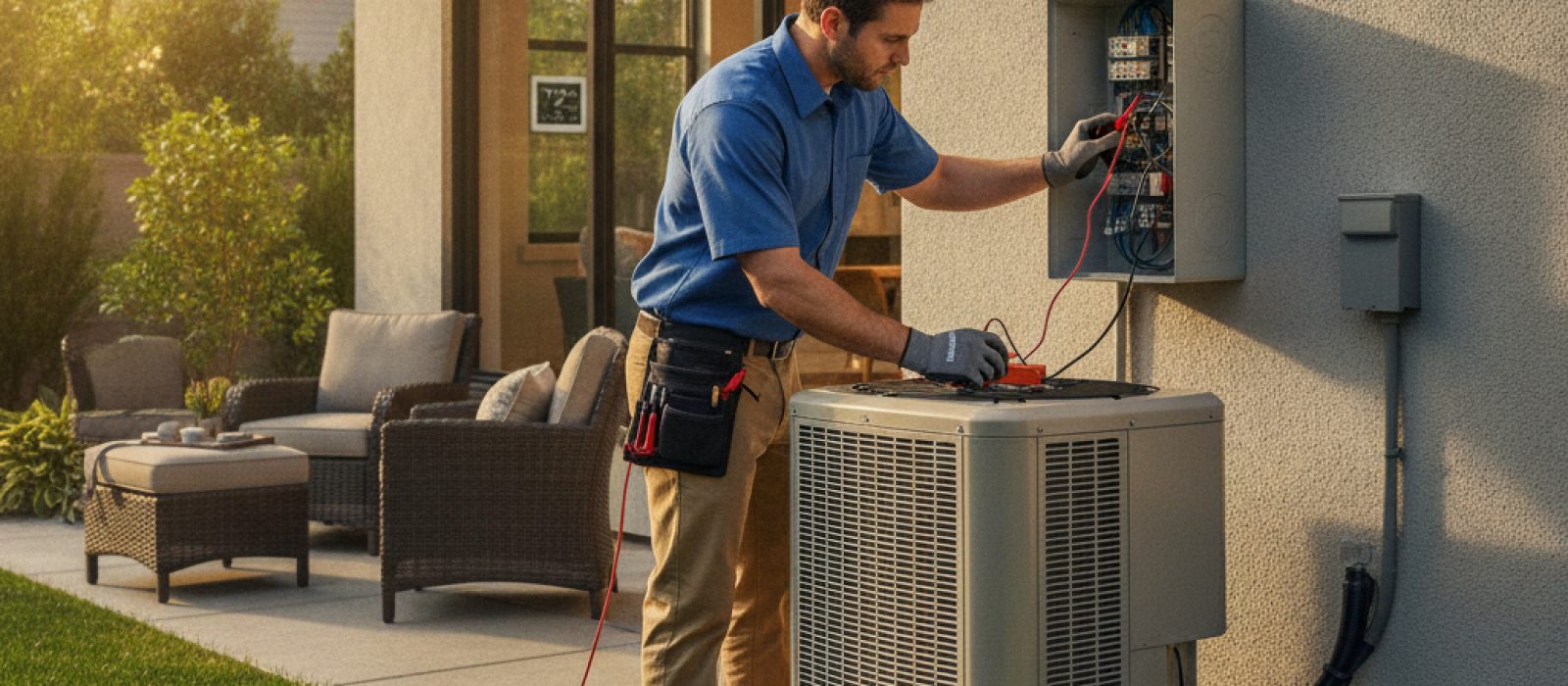
HVAC Disconnect Box: What It Is and Why It Matters
Learn the function of the HVAC disconnect box, why it is vital for safety, and how to identify when this critical component requires professional attention.
4 min read

Registers and grilles are often overlooked components of a home heating and cooling system, yet they serve as the critical interface between your ductwork and your living space. A register is technically a grille equipped with a damper, allowing the homeowner to adjust the volume and direction of airflow into a room. A grille, by contrast, is a simple cover that allows air to pass through, typically used for return air vents where no flow control is required. Maintaining these components is a vital part of routine Maintenance & Tune-up protocols, as even minor obstructions can impede the performance of the entire system.
When registers or grilles become clogged with dust, pet dander, or lint, the blower motor in your furnace or air handler must work significantly harder to move air through the home. This increased static pressure causes unnecessary strain on mechanical components, potentially shortening the lifespan of your blower motor. Furthermore, imbalanced airflow caused by closed or blocked registers can lead to uneven temperatures throughout the house, forcing your system to cycle more frequently to reach the set point on your thermostat.
While many registers and grilles are designed to last for the life of the home, they may require replacement due to physical damage, rust, or outdated design. If the dampers on your registers no longer hold their position, or if the metal slats are bent, airflow will be directed inefficiently, leading to drafts or hot spots. Upgrading to high-quality, modern registers can provide better directional control, allowing homeowners to redirect air away from walls or furniture and toward the center of the room. This simple change often yields immediate improvements in comfort.
Homeowners can perform basic register cleaning as part of a seasonal home care routine. Before beginning, ensure the HVAC system is powered off at the thermostat to prevent debris from being drawn deeper into the ducts. Use a vacuum with a soft brush attachment to remove surface dust from the slats. For a deeper clean, remove the register from the wall or floor and wash it with warm, soapy water. Ensure the component is completely dry before reinstallation to prevent rust or moisture-related issues.
If you notice excessive dust buildup inside the ductwork itself, or if you detect musty odors when the fan turns on, simple surface cleaning of the grilles may not be sufficient. In these instances, professional Air Duct Cleaning is recommended to clear the entire distribution network. Additionally, if the registers are rusted to the point of structural failure, or if you suspect your system has significant leaks at the boot connection, a technician specializing in Ductwork Services can inspect the integrity of your system and suggest proper repairs.
A common misconception is that closing registers in unused rooms will save energy. In modern forced-air systems, this practice can be counterproductive. Closing too many vents increases static pressure, which may trigger safety switches or cause the system to overheat. If you are struggling with inconsistent temperatures, avoid closing vents and instead consult with a professional regarding the balance of your system. Improving the overall efficiency of your home often involves a holistic approach, which may include addressing insulation or considering Energy Efficient Solutions to ensure the HVAC system operates within its design parameters.
Registers come in a variety of materials, each with specific benefits for different environments. Steel is the most common and provides a durable, cost-effective solution for most rooms. In areas with high humidity, such as bathrooms or near laundry rooms, consider using aluminum or plastic registers, as these materials resist corrosion. Floor registers must be constructed from heavy-gauge steel or reinforced materials to withstand foot traffic, whereas wall and ceiling units can be made from lighter materials.
The return air grilles in your home are the primary intake points for your system. If these grilles are obstructed by furniture or heavy curtains, the system will struggle to pull in enough air, which can lead to poor Indoor Air Quality. Keeping these areas clear ensures that your air filters can effectively trap particles before they circulate. Regularly inspecting these grilles for structural integrity is a simple task that supports the overall health of your HVAC system and ensures cleaner air throughout your living space.
Learn the function of the HVAC disconnect box, why it is vital for safety, and how to identify when this critical component requires professional attention.

Ensure long-term comfort and efficiency by asking the right questions about your home's ductwork design during the new construction process.
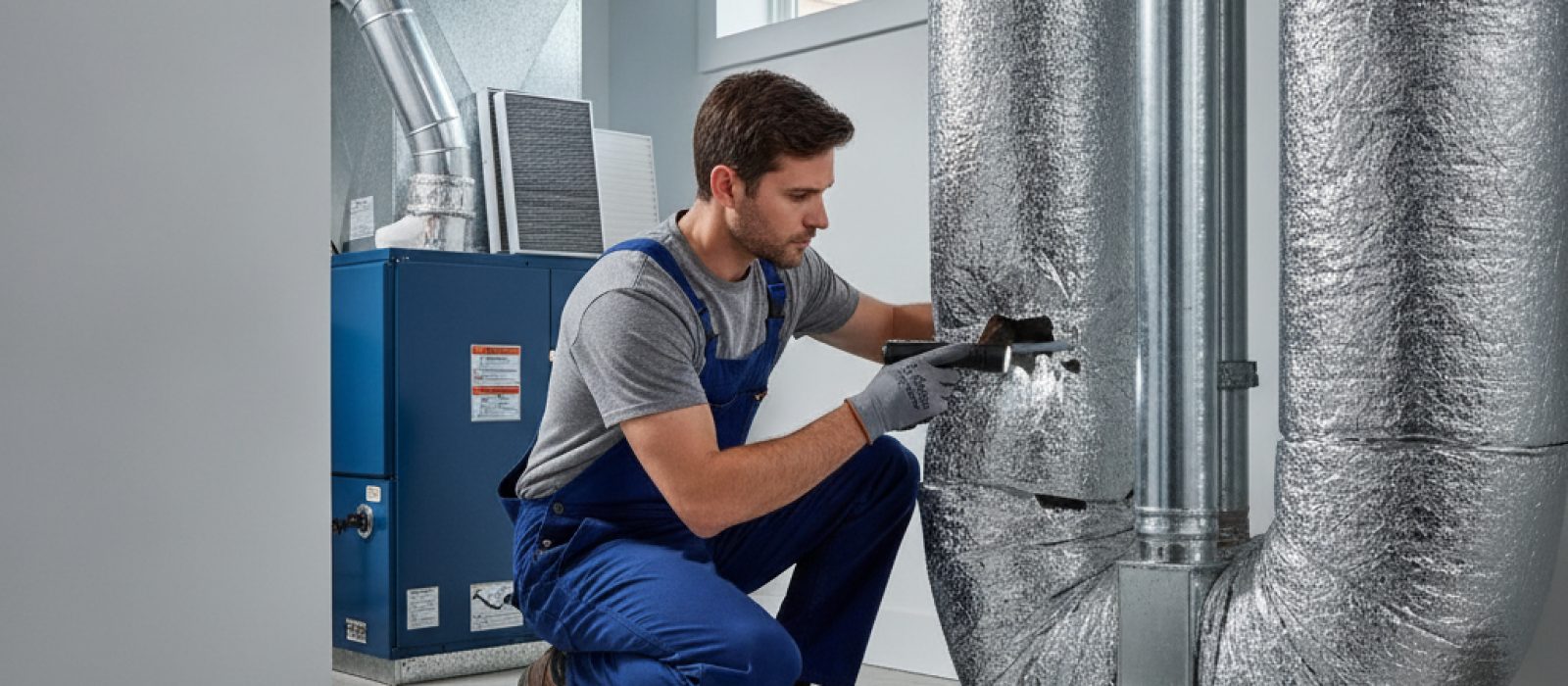
Discover the signs of rodent infestation in your HVAC system and learn how to identify, address, and prevent pest issues in your ductwork.

Learn why maintaining a detailed history of your HVAC service records protects your warranty, boosts resale value, and ensures system longevity.
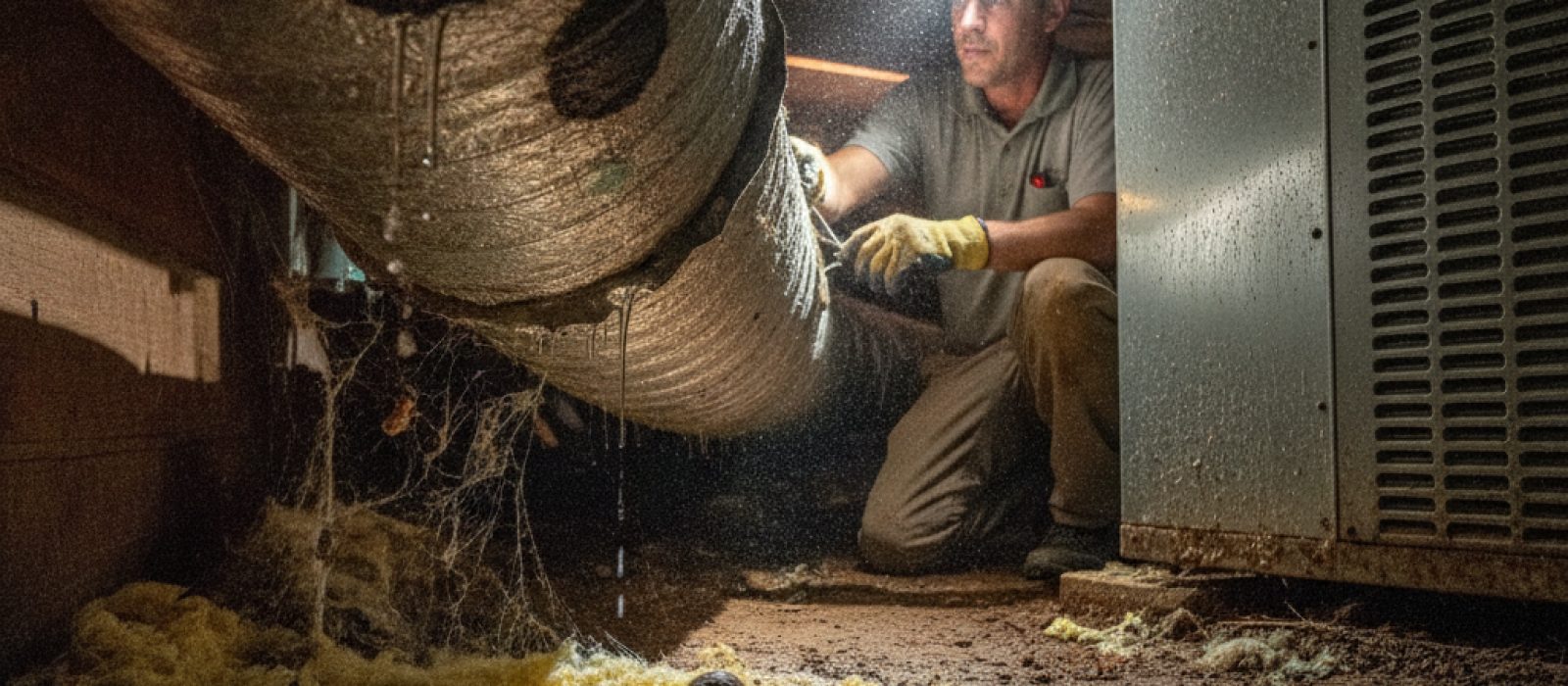
Learn how to identify and resolve common crawl space ductwork problems, including moisture buildup, pest intrusion, and damaged insulation.
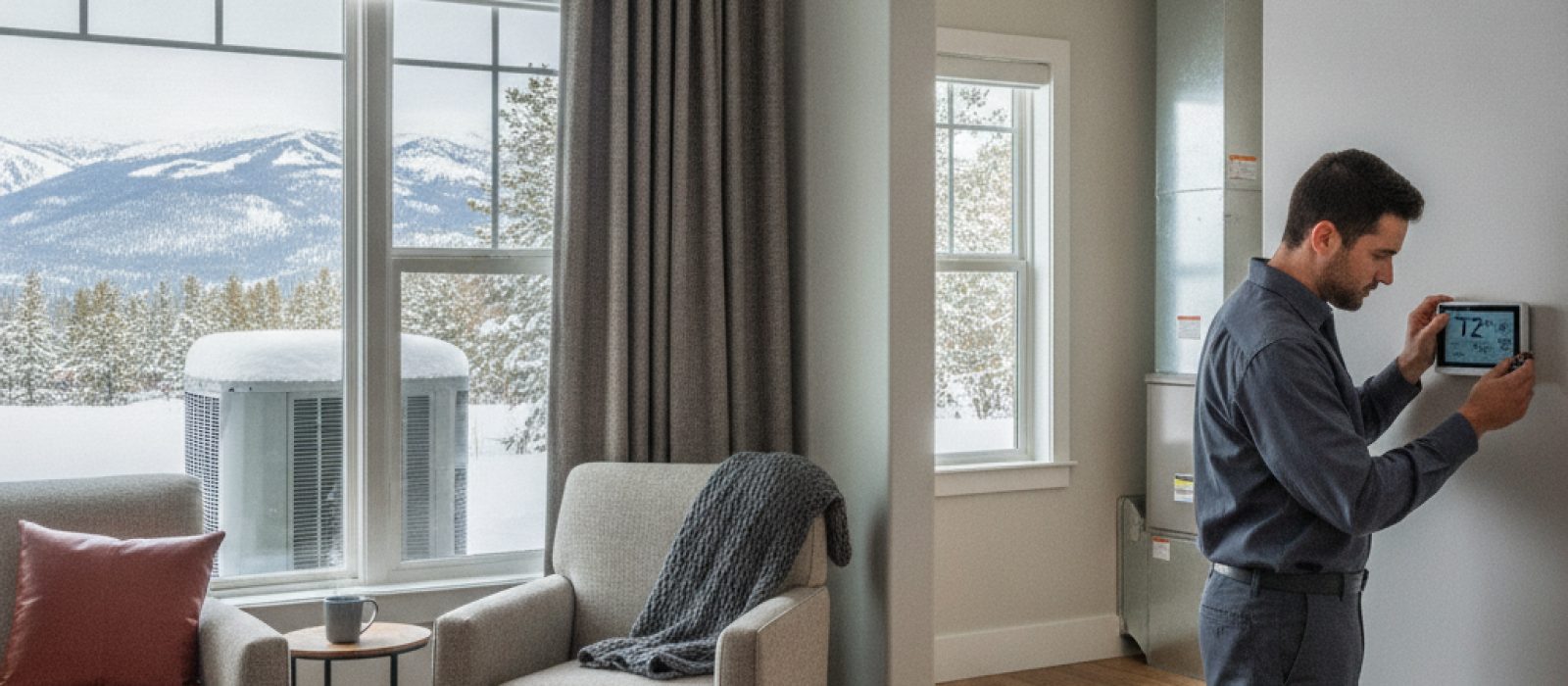
Protect your vacation property from moisture, mold, and system failure with a targeted seasonal HVAC maintenance strategy designed for unoccupied homes.
Be the first to comment.