HVAC Service Fast

Your HVAC Checklist After Severe Weather Strikes

4 min read

Your HVAC Checklist After Severe Weather Strikes

Protecting Your Home's Comfort After the Storm

When severe weather hits – be it a powerful thunderstorm, a blizzard, or even a hurricane's aftermath – our homes often bear the brunt. While we typically focus on roof damage, downed trees, and power outages, it's crucial not to overlook your home's heating, ventilation, and air conditioning (HVAC) system. Your HVAC unit, particularly the outdoor components, is exposed to the elements and can suffer significant damage. A post-storm check-up isn't just about comfort; it's about safety, efficiency, and preventing more costly repairs down the line.

Before you even think about flipping the thermostat, take a few moments to assess the situation. Your proactive steps can make a big difference.

Initial Safety Checks: Before You Do Anything Else

  • Ensure Power is Off: If there was a power outage, or if you suspect any electrical damage, make sure the power to your HVAC system (both indoor and outdoor units) is turned off at the breaker box. This is paramount for your safety and to prevent further damage if the system tries to start with an electrical fault.
  • Check for Downed Power Lines: Never approach your outdoor unit if there are downed power lines nearby. Contact your utility company immediately.
  • Look for Standing Water: If your outdoor unit was submerged in floodwaters, do NOT attempt to turn it on. Water can cause severe electrical damage and corrosion. Professional inspection is essential.

Outdoor Unit Inspection: What to Look For

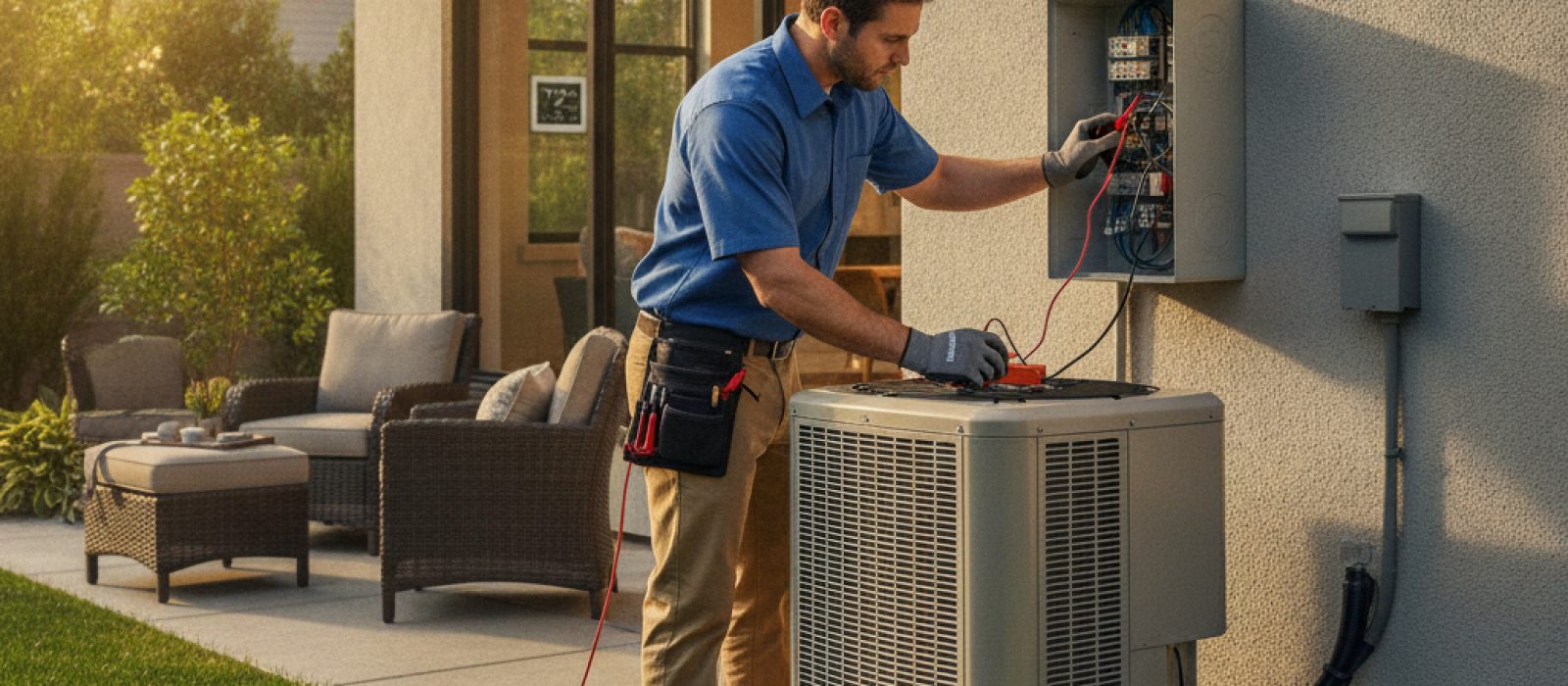
Once you've ensured safety, you can begin a visual inspection of your outdoor unit, also known as the condenser or heat pump.

  • Debris Clearance: High winds can scatter branches, leaves, and other debris. Carefully remove any large items resting on or around your unit. Ensure the area around the unit is clear for proper airflow.
  • Physical Damage: Look for dents, bent fins, or other signs of impact. Even small dents on the coil fins can restrict airflow and reduce efficiency. If the unit itself has shifted on its pad, it could indicate damage to the refrigerant lines or electrical connections.
  • Refrigerant Lines and Electrical Wiring: Inspect the lines that run from your outdoor unit into your home. Are they intact? Are there any visible breaks, kinks, or frayed wires? These are critical components that, if damaged, require professional attention.
  • Fan Blades: If you can safely see them (and the power is OFF!), check for bent or broken fan blades. Damaged blades can cause imbalance, noise, and further mechanical issues.

Indoor Unit and Ductwork Inspection

While the outdoor unit is more vulnerable, severe weather can still impact your indoor system.

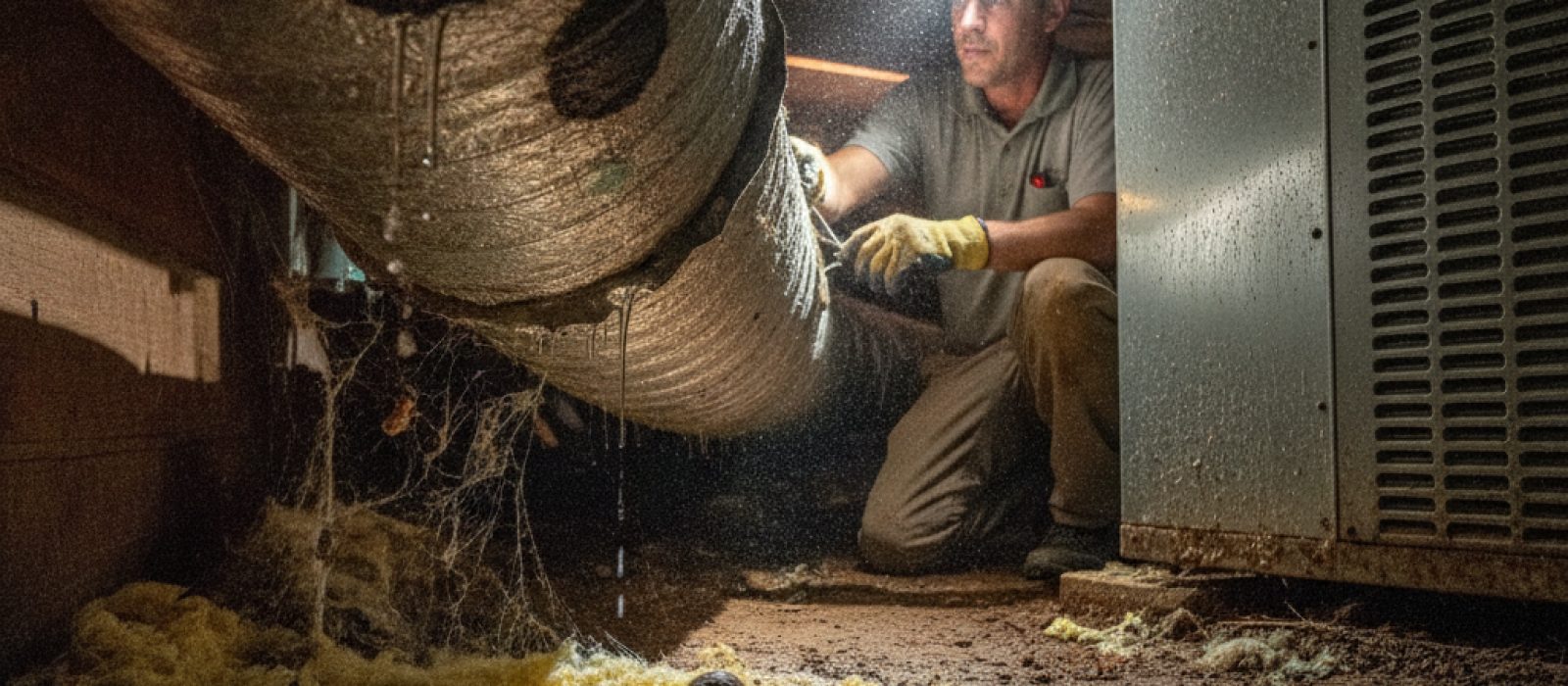
  • Water Leaks: Check around your furnace or air handler for any signs of water leaks. Heavy rain can sometimes find its way into attics or basements, affecting ductwork or indoor components.
  • Air Filters: A clogged filter can strain your system, especially after a storm when more outdoor debris might have been pulled in. Replace your air filter if it looks dirty.
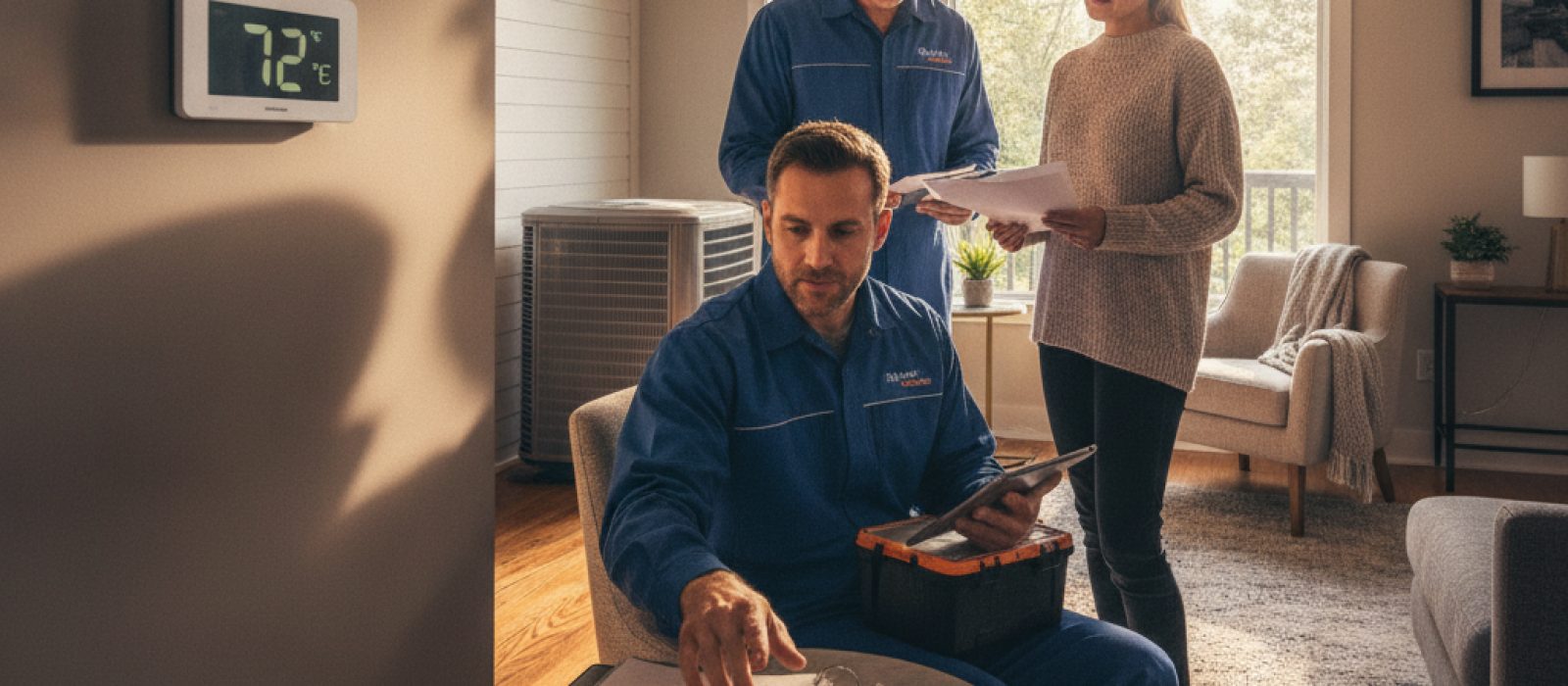
  • Thermostat Functionality: Once you're confident the system is safe to power on, check if your thermostat is working correctly. A power surge could potentially affect its operation.
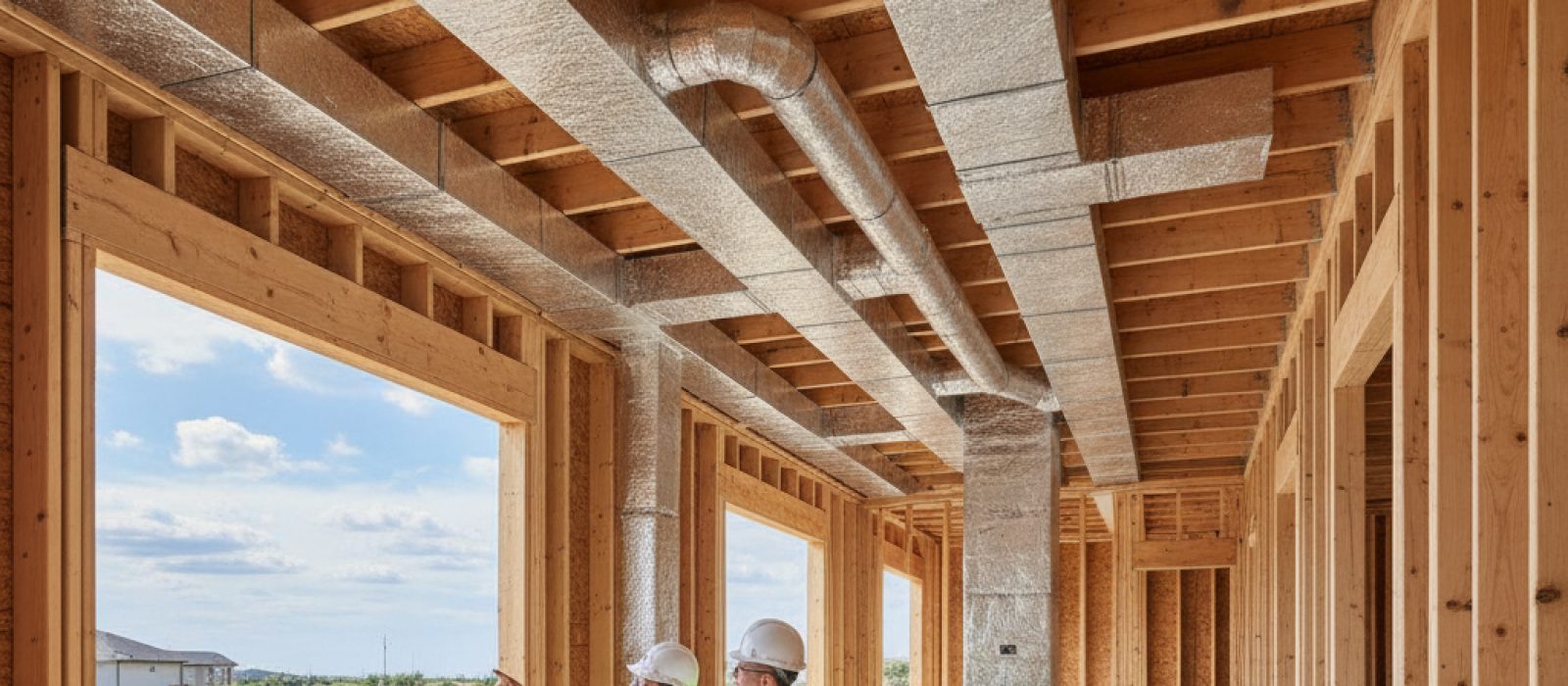
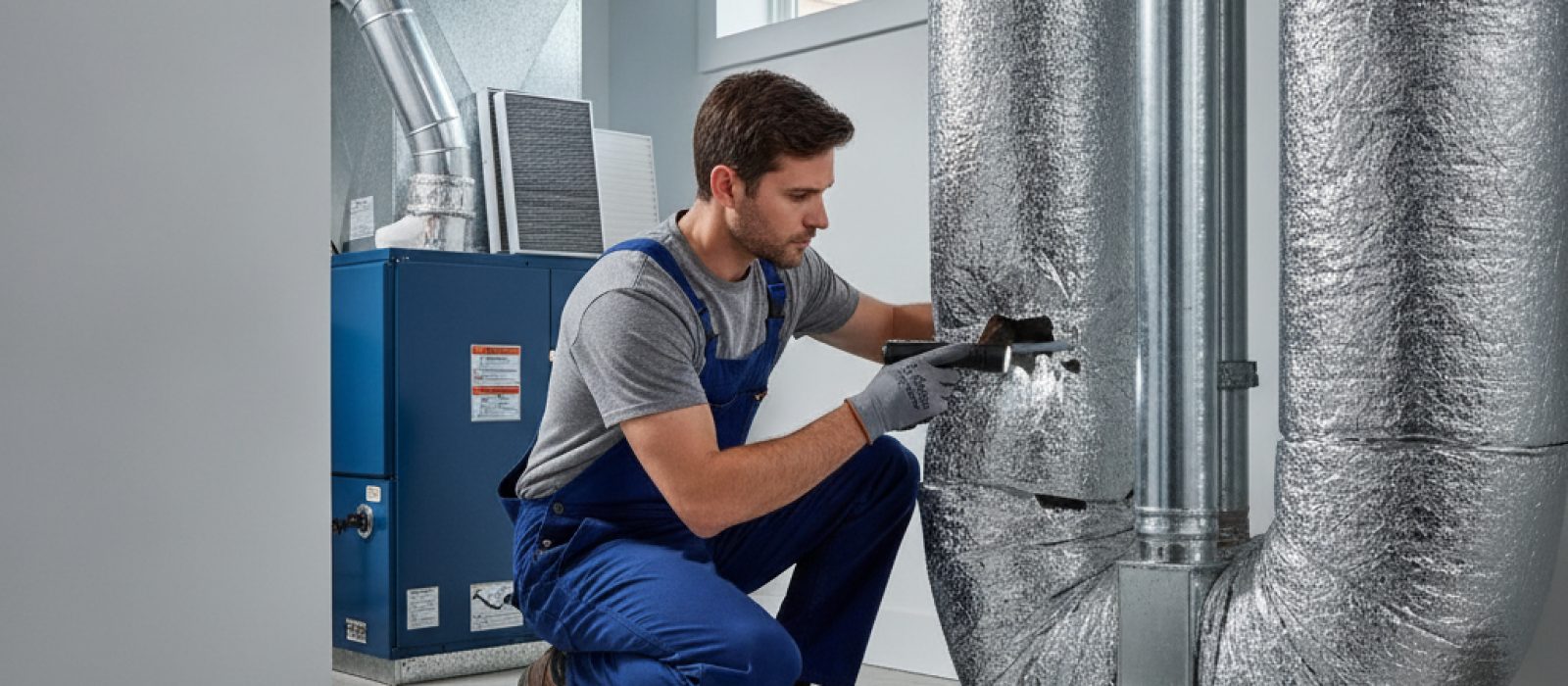
  • Ductwork Integrity: In cases of extreme flooding or high winds, ductwork in basements or attics could be compromised. Look for visible damage, disconnections, or areas where water might have entered.

When to Call the Professionals

While a DIY visual inspection is helpful, some issues absolutely require expert attention. You should immediately call a qualified HVAC technician if:

  • Your unit was submerged in water.
  • You see significant physical damage to the unit or lines.
  • There are frayed wires or exposed electrical components.
  • You hear unusual noises or smell burning when you attempt to start the system.
  • The system fails to turn on or doesn't cool/heat properly after your checks.
  • You suspect refrigerant leaks (e.g., hissing sounds, ice on lines).

A professional HVAC technician can safely assess electrical components, refrigerant levels, fan motors, and internal controls that are beyond the scope of a homeowner's inspection. They have the tools and expertise to diagnose hidden damage and ensure your system operates safely and efficiently.

Preventative Measures for Future Storms

After you've recovered from one storm, it's wise to think about the next. Consider these preventative steps:

  • Clear the Area: Keep the area around your outdoor unit clear of loose debris, trees, or shrubs that could become projectiles in high winds.
  • Surge Protection: Discuss whole-home surge protectors with an electrician to protect your HVAC and other appliances from power surges.
  • Regular Maintenance: Annual tune-ups help ensure your system is in top condition, making it more resilient to external stressors and helping identify potential weaknesses before a storm hits.

Severe weather is an unavoidable part of living in many parts of the U.S., but by being prepared and knowing what to do afterward, you can help protect your HVAC system and maintain your home's comfort and safety.

#AC repair #HVAC maintenance #Heating System #Homeowner Tips #Severe Weather #Storm Damage

Frequently asked questions

What should I do first after severe weather before checking my HVAC system?
Prioritize safety by ensuring the power to your HVAC system is off at the breaker box, checking for downed power lines, and looking for standing water around the outdoor unit. Do not approach if power lines are down or if the unit was submerged.
What kind of damage should I look for on my outdoor HVAC unit after a storm?
Inspect for debris, physical damage like dents or bent fins, shifted unit on its pad, and any visible breaks, kinks, or frayed wires on refrigerant lines and electrical wiring. If safe, check for bent or broken fan blades.
Can severe weather affect my indoor HVAC unit or ductwork?
Yes, check around your furnace or air handler for water leaks, replace dirty air filters, and ensure your thermostat is functioning. Also, inspect ductwork in basements or attics for visible damage or disconnections.
When is it essential to call a professional HVAC technician after a storm?
Call a professional immediately if your unit was submerged, you see significant physical damage, frayed wires, smell burning, hear unusual noises, or if the system fails to operate correctly after your checks.
Why is it important to check my HVAC system after severe weather?
A post-storm check-up is crucial for safety, ensuring system efficiency, and preventing more costly repairs down the line by identifying and addressing potential damage early.

Related articles

Comments (0)

Be the first to comment.

Leave a comment

Security code

Comments are moderated before they appear.