
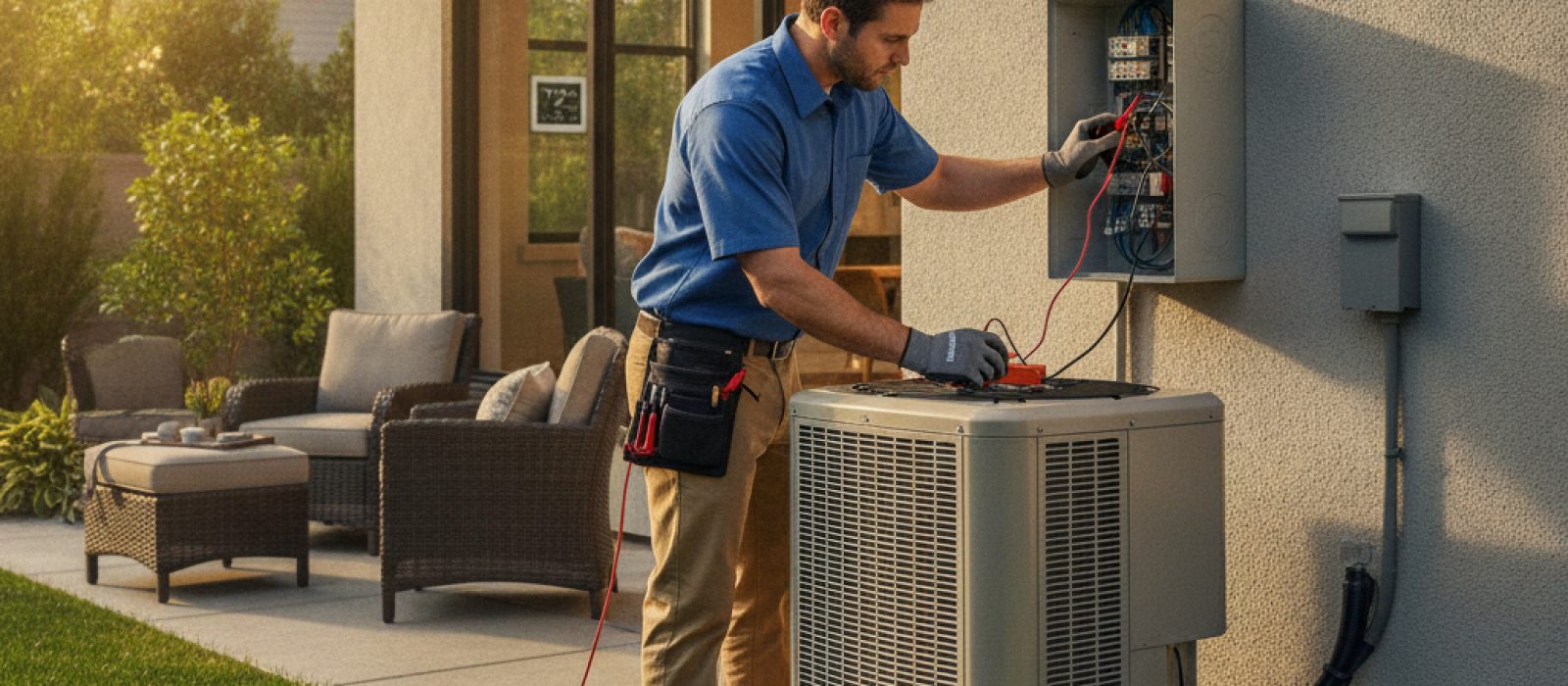
HVAC Disconnect Box: What It Is and Why It Matters
Learn the function of the HVAC disconnect box, why it is vital for safety, and how to identify when this critical component requires professional attention.
4 min read

When you think about your home's heating and cooling system, you might picture the thermostat, the outdoor unit, or the vents. But tucked away, often out of sight, are two critical components that do the heavy lifting in transferring heat: the evaporator coil and the condenser coil. These coils are the heart of your HVAC system's ability to cool your home, and keeping them clean is paramount to its efficiency, your comfort, and even its lifespan.
Ignoring these vital components can lead to a cascade of problems, from higher energy bills to complete system breakdowns. Let's delve into why regular cleaning of your evaporator and condenser coils isn't just a good idea, but an essential part of home maintenance.
To understand why cleaning is so important, it helps to know their function:
Essentially, the evaporator coil picks up heat from your home, and the condenser coil dumps that heat outside. Both processes rely on efficient heat transfer, which is severely hampered by dirt and debris.
Over time, both coils accumulate a surprising amount of grime. The evaporator coil can collect dust, pet dander, mold spores, and other airborne particles that bypass your air filter. The condenser coil, exposed to the elements, can get clogged with leaves, grass clippings, dirt, pollen, and even animal fur.
Here's what happens when these coils get dirty:
While the exact frequency can vary based on your home's environment, pet ownership, and local conditions, a general guideline is:
Remember, while you can perform some basic outdoor coil cleaning, the indoor evaporator coil requires professional attention. It's often difficult to access and requires specific cleaning agents to prevent damage and ensure proper sanitation.
Maintaining clean evaporator and condenser coils is one of the most impactful things you can do for your HVAC system. It's an investment that pays off in lower energy bills, improved comfort, better indoor air quality, and a longer-lasting system. Don't wait until you notice a problem; make professional coil cleaning a regular part of your home's HVAC maintenance routine. Your wallet, your comfort, and your HVAC system will thank you.
Learn the function of the HVAC disconnect box, why it is vital for safety, and how to identify when this critical component requires professional attention.

Ensure long-term comfort and efficiency by asking the right questions about your home's ductwork design during the new construction process.
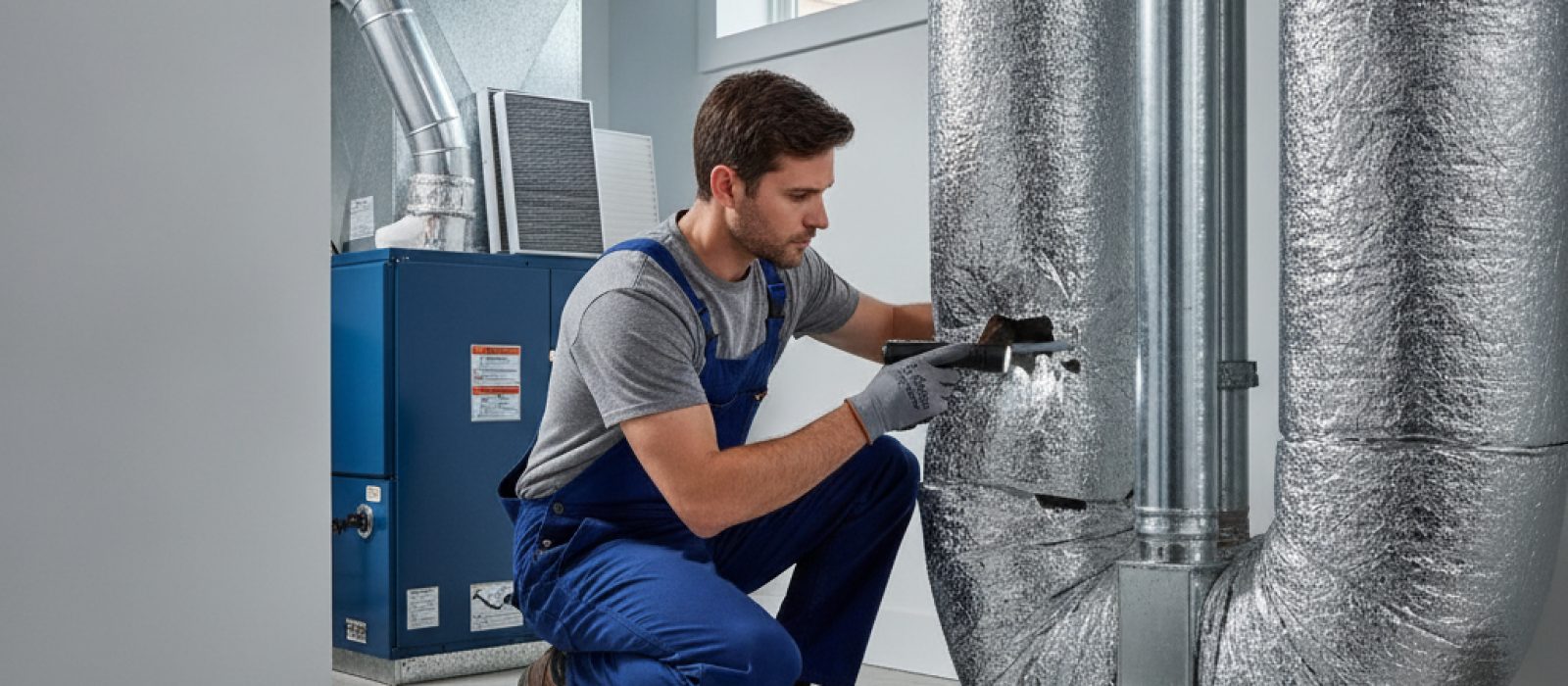
Discover the signs of rodent infestation in your HVAC system and learn how to identify, address, and prevent pest issues in your ductwork.
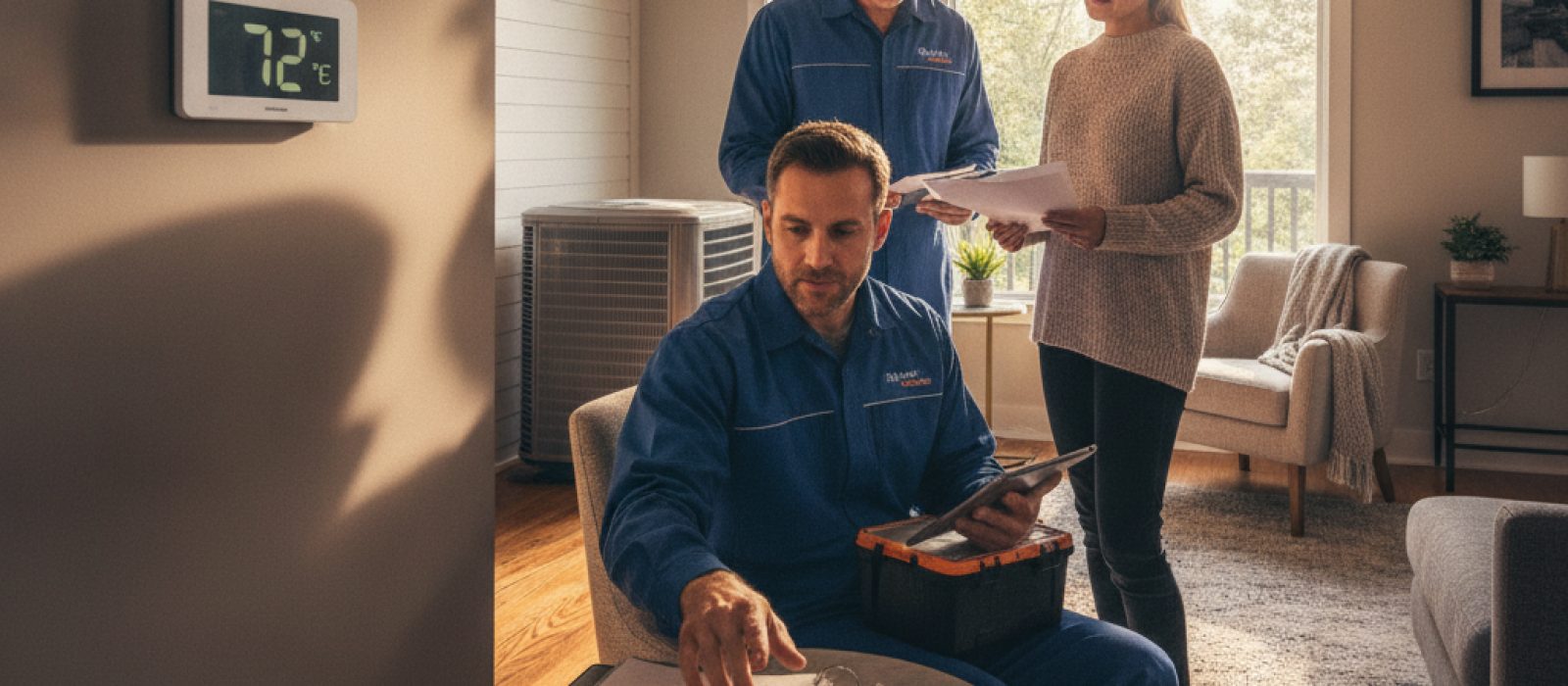
Learn why maintaining a detailed history of your HVAC service records protects your warranty, boosts resale value, and ensures system longevity.
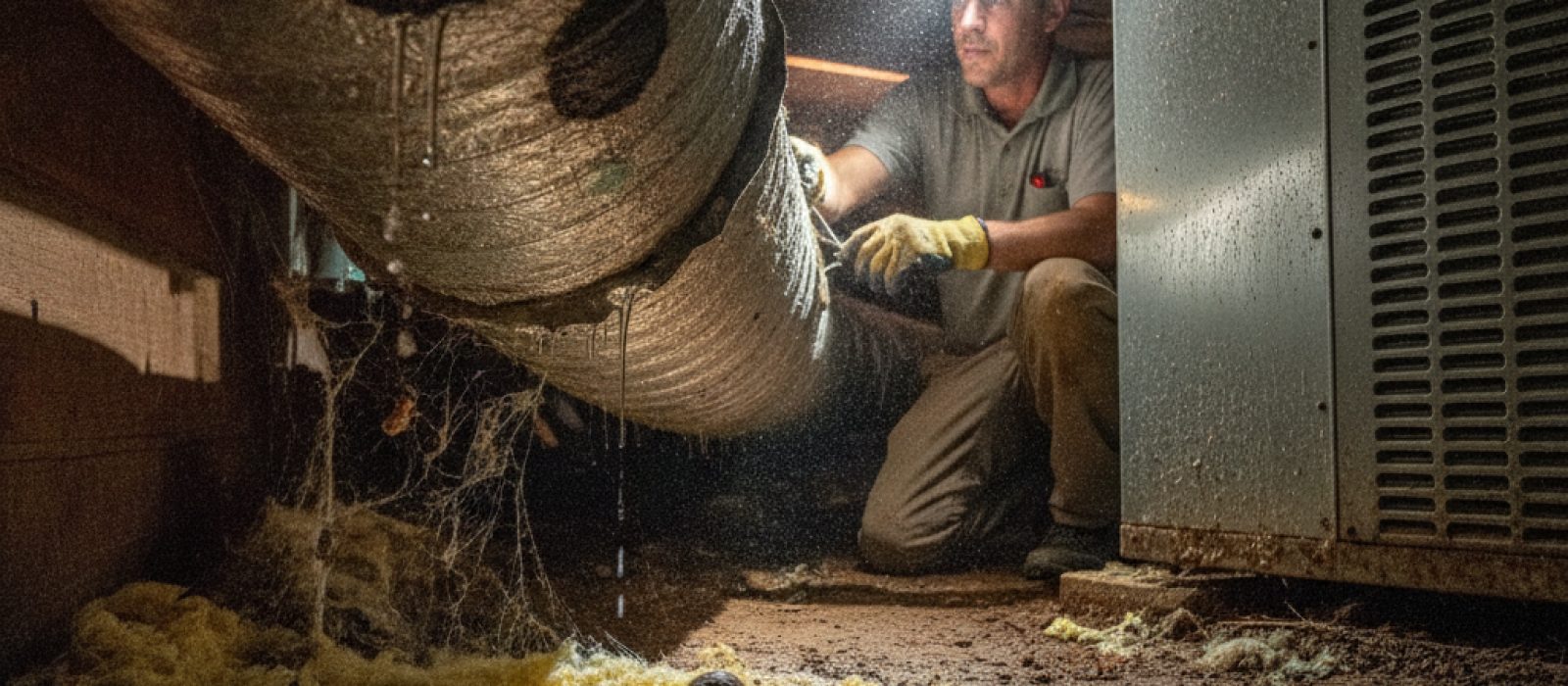
Learn how to identify and resolve common crawl space ductwork problems, including moisture buildup, pest intrusion, and damaged insulation.

Learn how upgrading or maintaining your HVAC registers and grilles can optimize home comfort, improve efficiency, and protect your indoor air quality.
Be the first to comment.