
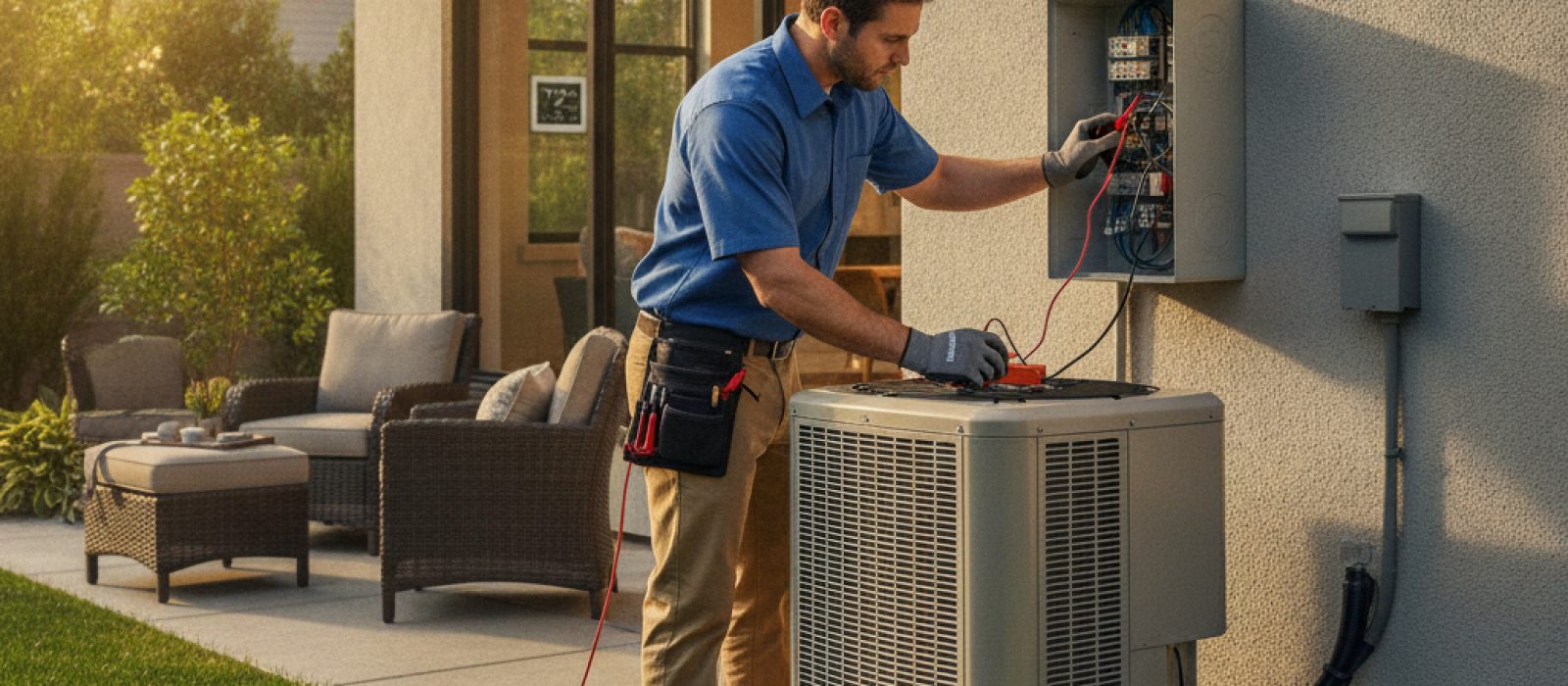
HVAC Disconnect Box: What It Is and Why It Matters
Learn the function of the HVAC disconnect box, why it is vital for safety, and how to identify when this critical component requires professional attention.
4 min read

Have you noticed your air conditioner or furnace turning on for a short period, shutting off, and then turning back on again shortly after? This phenomenon is known as “short cycling,” and it's a common complaint among homeowners. While it might seem like a minor inconvenience, short cycling is often a symptom of an underlying problem with your HVAC system. Ignoring it can lead to increased energy bills, reduced system efficiency, premature wear and tear on components, and even a shorter lifespan for your entire unit.
In this article, we'll explore the main reasons why your HVAC system might be short cycling and what you can do to address them. Understanding these issues can help you decide whether it's a simple fix you can handle or if it's time to call in a professional HVAC technician.
One of the most frequent culprits behind short cycling is an HVAC system that's too large for your home's square footage. When a system is oversized, it quickly cools or heats your home to the thermostat's set temperature, satisfies the thermostat, and then shuts off. However, it hasn't run long enough to properly dehumidify the air (for AC) or evenly distribute heat. This leads to the thermostat calling for more cooling or heating soon after, resulting in frequent on-off cycles. An oversized unit uses more energy to start and stop, and it never truly achieves optimal efficiency or comfort.
A simple yet often overlooked issue is a dirty or clogged air filter. A dirty filter restricts airflow, forcing your HVAC system to work harder to pull air through. This reduced airflow can cause the evaporator coil (in ACs) to freeze over or the heat exchanger (in furnaces) to overheat. Many modern systems have safety features that will shut down the unit to prevent damage when these conditions occur, leading to short cycling. Regularly checking and replacing your air filter every 1-3 months is crucial for healthy HVAC operation.
If your air conditioner is low on refrigerant, it won't be able to absorb enough heat from your home's air. This can cause the evaporator coil to get too cold and potentially freeze. As with a dirty filter, safety mechanisms will often shut down the unit to prevent further damage. Low refrigerant usually indicates a leak in the system, which requires professional diagnosis and repair, not just a simple recharge.
Your thermostat is the brain of your HVAC system. If it's malfunctioning, it might be sending incorrect signals to your unit, causing it to turn on and off erratically. Issues could include:
Checking your thermostat's settings, battery, and ensuring it's not exposed to external temperature influences can sometimes resolve the issue.
Various electrical issues can cause short cycling. These might include a faulty capacitor, a failing contactor, or problems with the control board. These components are vital for starting and running your HVAC unit. When they fail or work intermittently, they can cause the system to struggle to start or to shut down unexpectedly. Diagnosing electrical issues typically requires the expertise of a qualified technician.
During the cooling process, your AC system removes humidity from the air, which collects as condensate and drains away. If the condensate drain line becomes clogged with algae or debris, the water can back up. Many AC units have a safety float switch that will shut down the system when the drain pan fills up to prevent water damage, leading to short cycling until the water level drops.
While some issues like a dirty air filter or thermostat batteries are easy DIY fixes, many causes of short cycling require professional attention. Here's a quick guide:
If these simple checks don't resolve the problem, or if you suspect issues like low refrigerant, an oversized system, electrical faults, or a clogged condensate line, it's best to contact a reputable HVAC technician. They have the tools and expertise to accurately diagnose the root cause of short cycling and perform the necessary repairs safely and efficiently.
Short cycling is more than just an annoyance; it's a warning sign that your HVAC system isn't operating as it should be. Addressing the issue promptly can save you money on energy bills, prevent costly breakdowns, and extend the life of your heating and cooling equipment. Don't let your comfort be compromised – if your HVAC system is constantly turning on and off, reach out to a professional for an inspection.
Learn the function of the HVAC disconnect box, why it is vital for safety, and how to identify when this critical component requires professional attention.
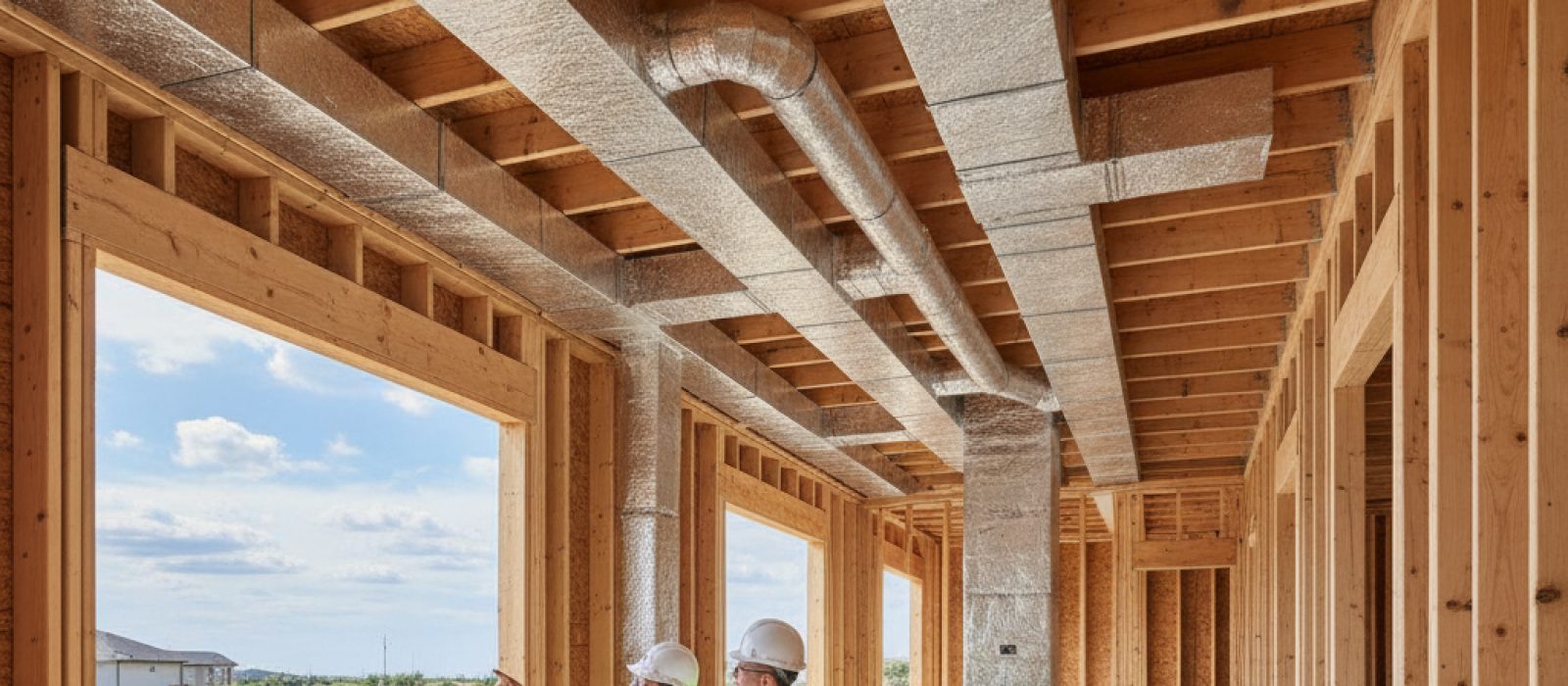
Ensure long-term comfort and efficiency by asking the right questions about your home's ductwork design during the new construction process.
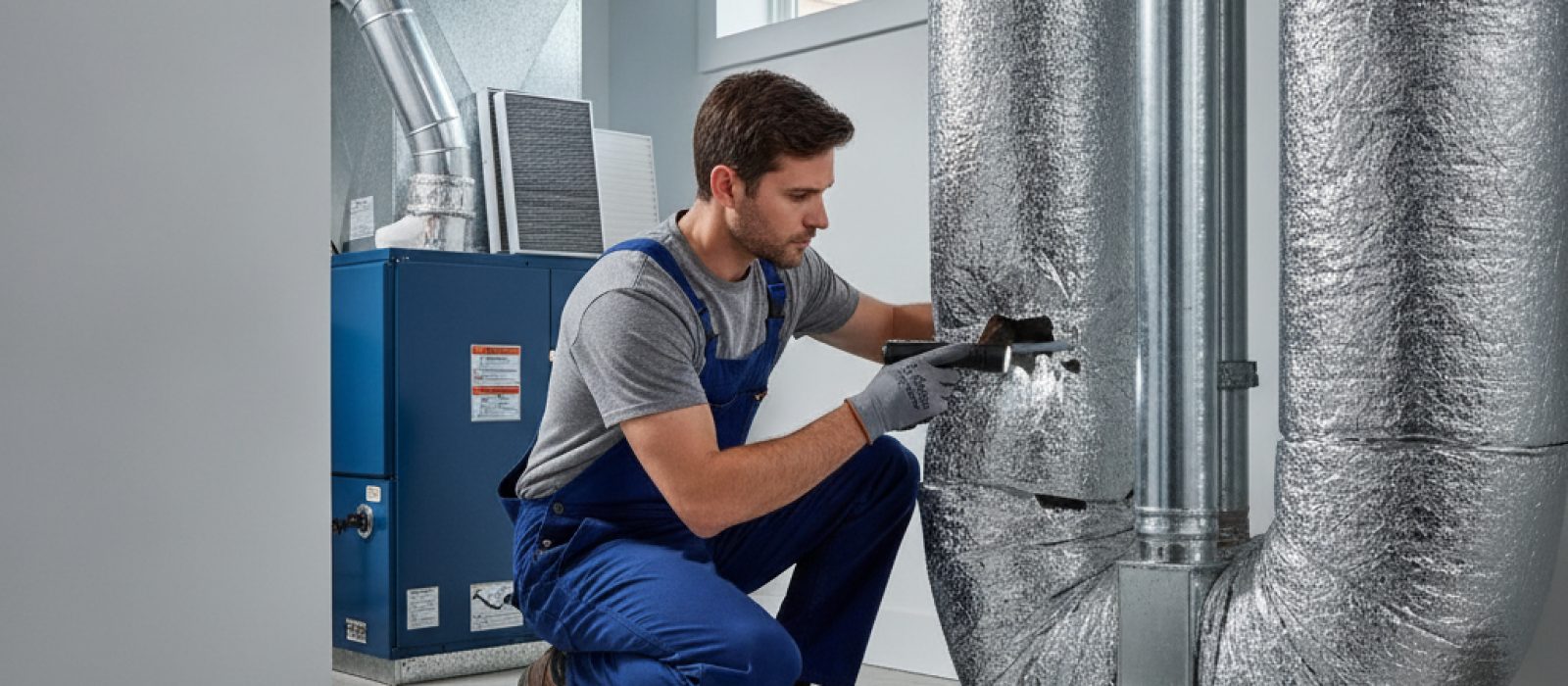
Discover the signs of rodent infestation in your HVAC system and learn how to identify, address, and prevent pest issues in your ductwork.
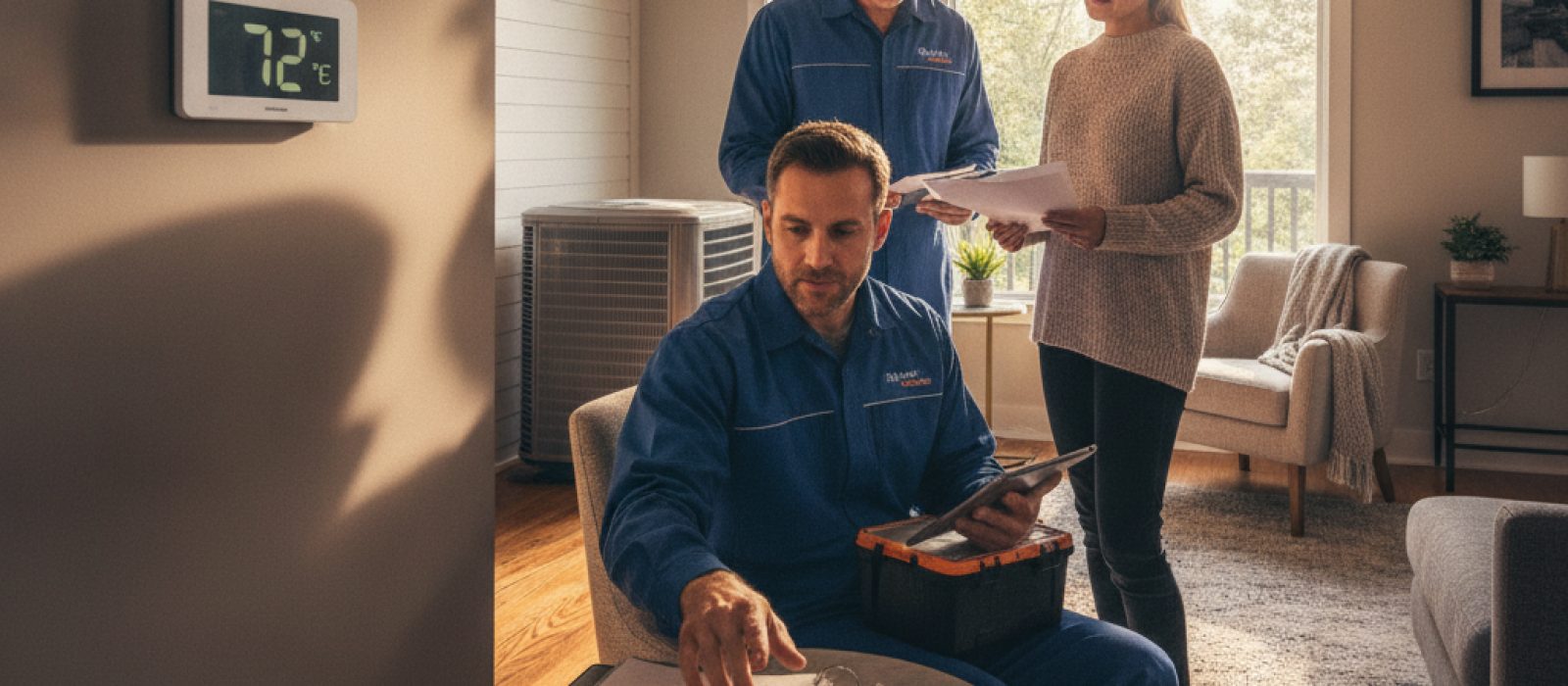
Learn why maintaining a detailed history of your HVAC service records protects your warranty, boosts resale value, and ensures system longevity.
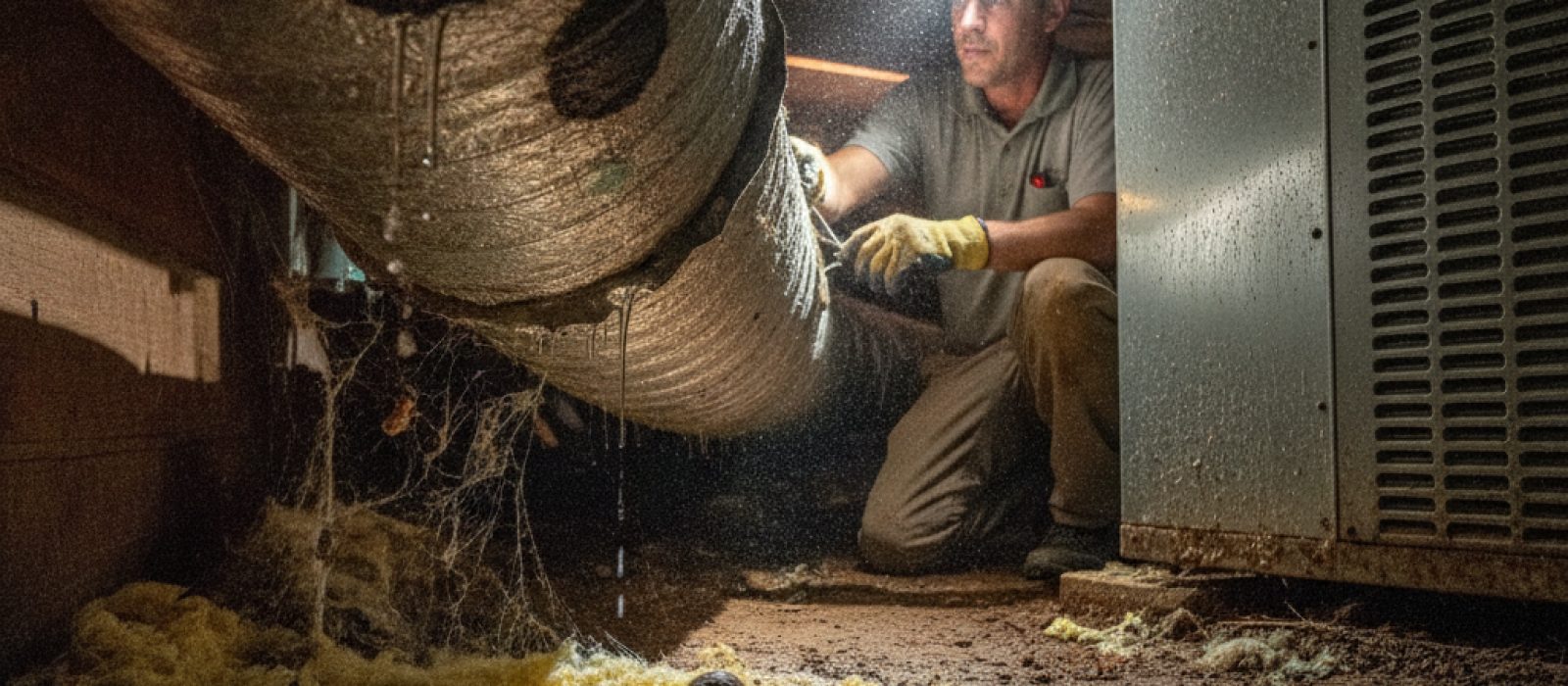
Learn how to identify and resolve common crawl space ductwork problems, including moisture buildup, pest intrusion, and damaged insulation.
Learn how upgrading or maintaining your HVAC registers and grilles can optimize home comfort, improve efficiency, and protect your indoor air quality.
Be the first to comment.