
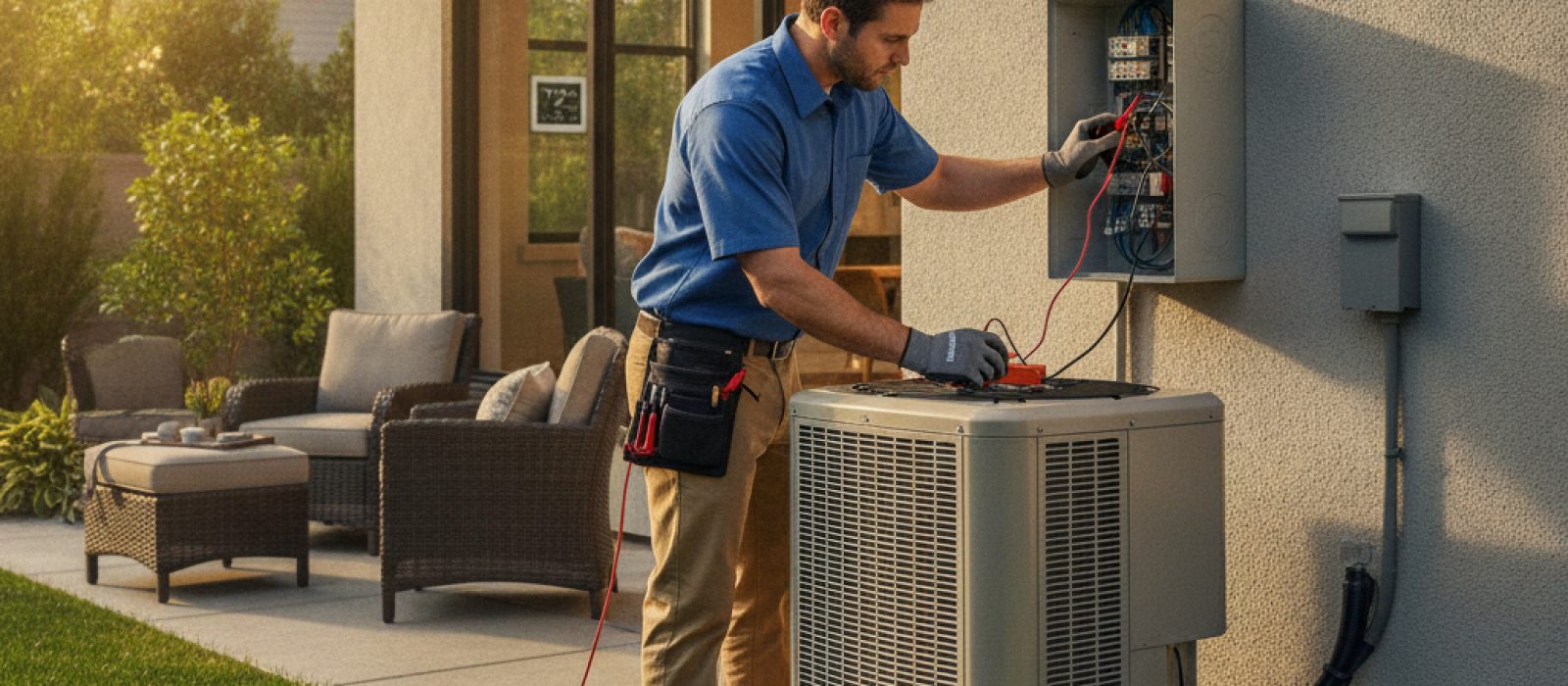
HVAC Disconnect Box: What It Is and Why It Matters
Learn the function of the HVAC disconnect box, why it is vital for safety, and how to identify when this critical component requires professional attention.
4 min read

As homeowners, we all strive to keep our homes comfortable and our utility bills manageable. Your HVAC system – the heart of your home's indoor climate control – plays a massive role in both. While the idea of scheduling annual HVAC maintenance might seem like just another expense, we're here to explain why it's not just worth it, but essential. Think of it as a preventative health check-up for your home's most important mechanical system.
Many homeowners only think about their HVAC system when something goes wrong. The AC stops blowing cold air in July, or the furnace sputters to a halt in January. By then, you're looking at an emergency repair, often at the least convenient time and potentially at a higher cost. Annual maintenance helps you avoid these stressful, budget-busting surprises.
One of the most compelling reasons to invest in annual HVAC maintenance is the direct impact it has on your energy consumption. Over time, dust, dirt, and minor wear and tear can significantly reduce your system's efficiency. A professional tune-up addresses these issues:
When your HVAC system operates at peak efficiency, it uses less energy to heat or cool your home, translating directly into lower monthly utility bills. The savings can often offset a significant portion, if not all, of the maintenance cost over a year.
Your HVAC system is a significant investment. Most furnaces and air conditioners are designed to last 10-15 years, or even longer with proper care. Neglecting regular maintenance is like driving your car for years without an oil change – it’s a recipe for premature breakdown and costly replacement.
During an annual tune-up, technicians identify and address small issues before they escalate into major problems. For example, a slightly worn belt or a minor electrical issue, if caught early, can be repaired affordably. Left unaddressed, these small issues can stress other components, leading to a domino effect of failures and potentially shortening the overall life of your unit. By extending your system's operational life, you delay the expense of a full system replacement, saving you thousands in the long run.
A well-maintained HVAC system does more than just save you money; it also significantly improves your home environment. When your system is running efficiently, it provides more consistent heating and cooling throughout your home, eliminating hot and cold spots. This leads to a more comfortable living space for you and your family.
Furthermore, maintenance includes checking and often cleaning components related to air quality. While not a substitute for dedicated air purification, a clean system with proper airflow can help reduce the circulation of dust, allergens, and other airborne particles, contributing to healthier indoor air quality.
Many HVAC manufacturers require proof of annual professional maintenance to keep your warranty valid. If a major component fails and you haven't had your system serviced regularly, you might find your warranty claim denied, leaving you to bear the full cost of an expensive repair or replacement. Annual maintenance provides the documentation you need to ensure your investment is protected.
Finally, there's the invaluable peace of mind that comes with knowing your HVAC system is operating safely and reliably. Technicians check for potential hazards such as gas leaks (in furnaces), carbon monoxide leaks, and faulty electrical connections. Catching these issues early protects your home and, more importantly, your family.
Don't wait for a breakdown to realize the importance of your HVAC system. Proactive annual maintenance is a smart investment that pays dividends in lower energy bills, extended system life, improved comfort, and enhanced safety. Contact a trusted HVAC professional today to schedule your annual tune-up and give your home the care it deserves.
Learn the function of the HVAC disconnect box, why it is vital for safety, and how to identify when this critical component requires professional attention.
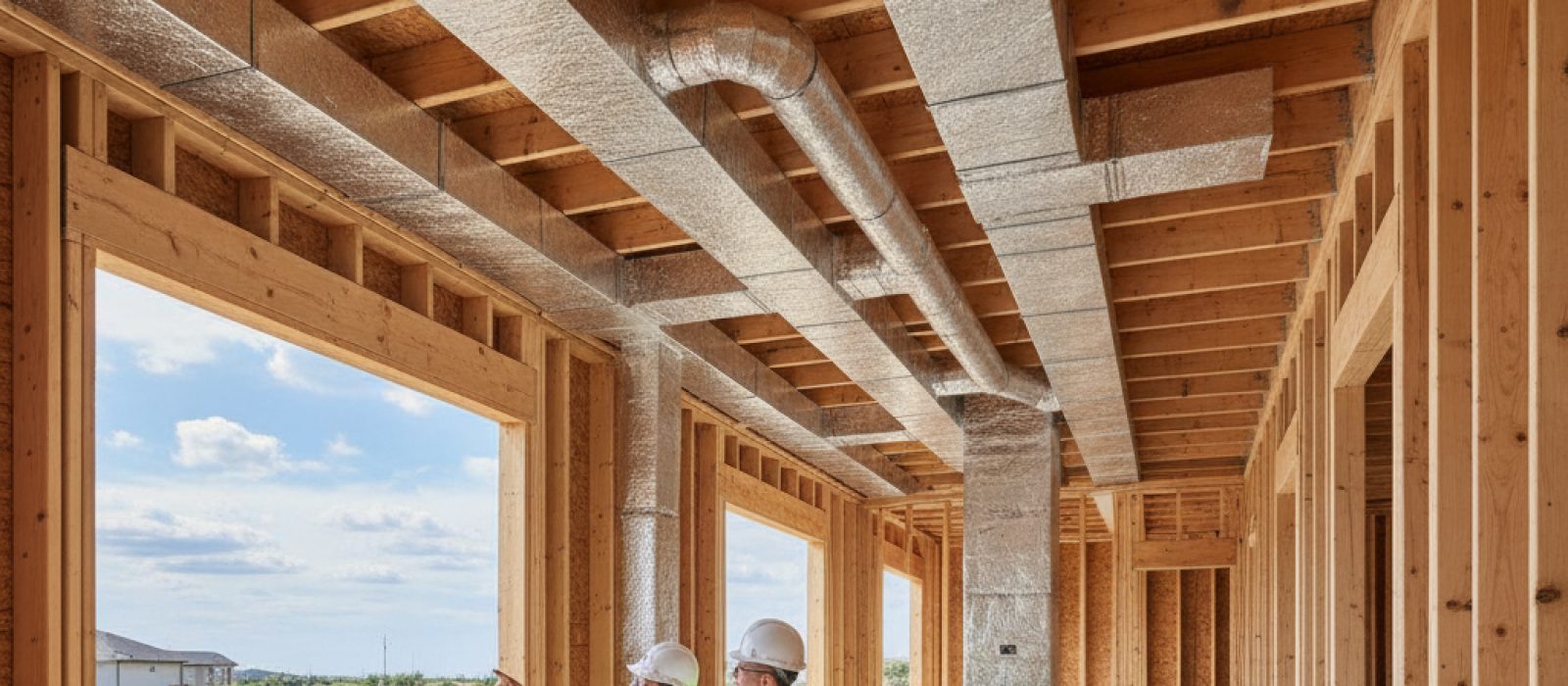
Ensure long-term comfort and efficiency by asking the right questions about your home's ductwork design during the new construction process.
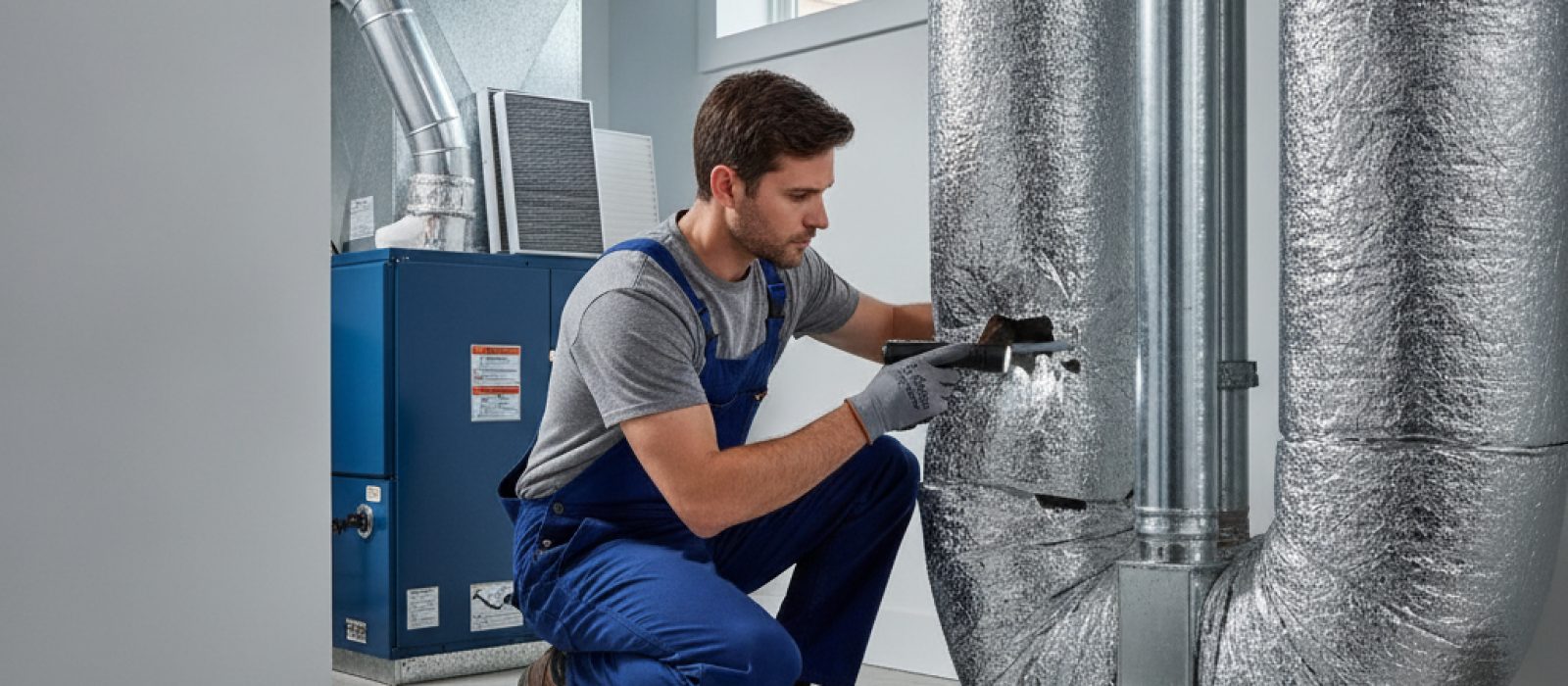
Discover the signs of rodent infestation in your HVAC system and learn how to identify, address, and prevent pest issues in your ductwork.
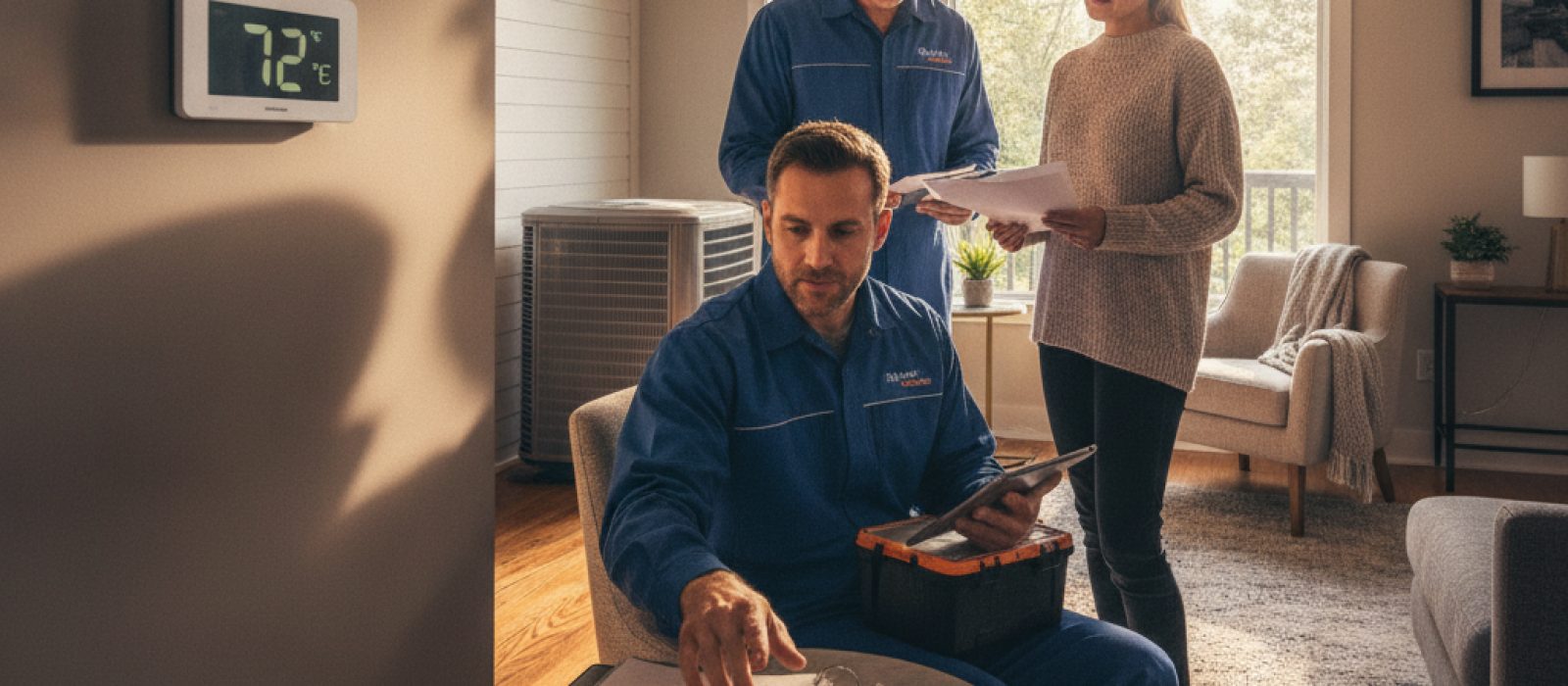
Learn why maintaining a detailed history of your HVAC service records protects your warranty, boosts resale value, and ensures system longevity.
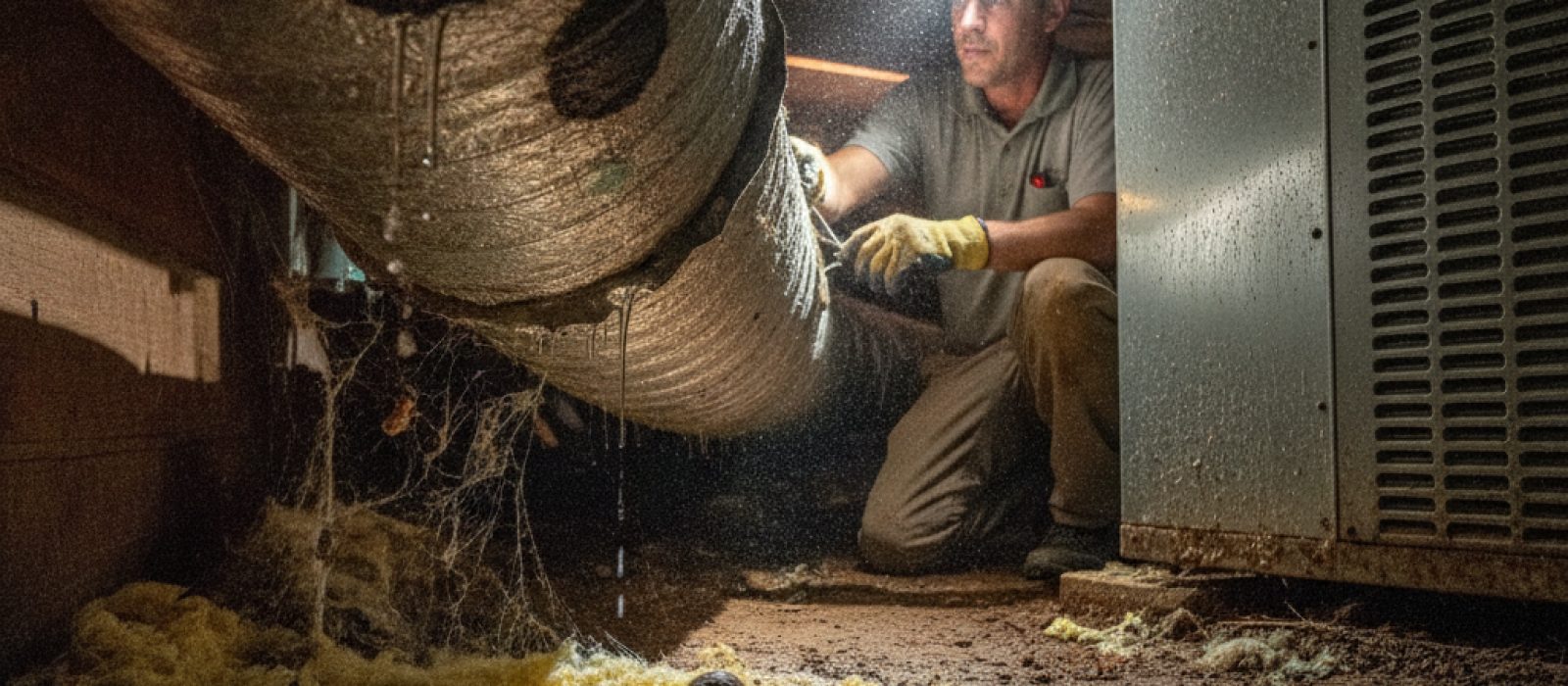
Learn how to identify and resolve common crawl space ductwork problems, including moisture buildup, pest intrusion, and damaged insulation.

Learn how upgrading or maintaining your HVAC registers and grilles can optimize home comfort, improve efficiency, and protect your indoor air quality.
Be the first to comment.