
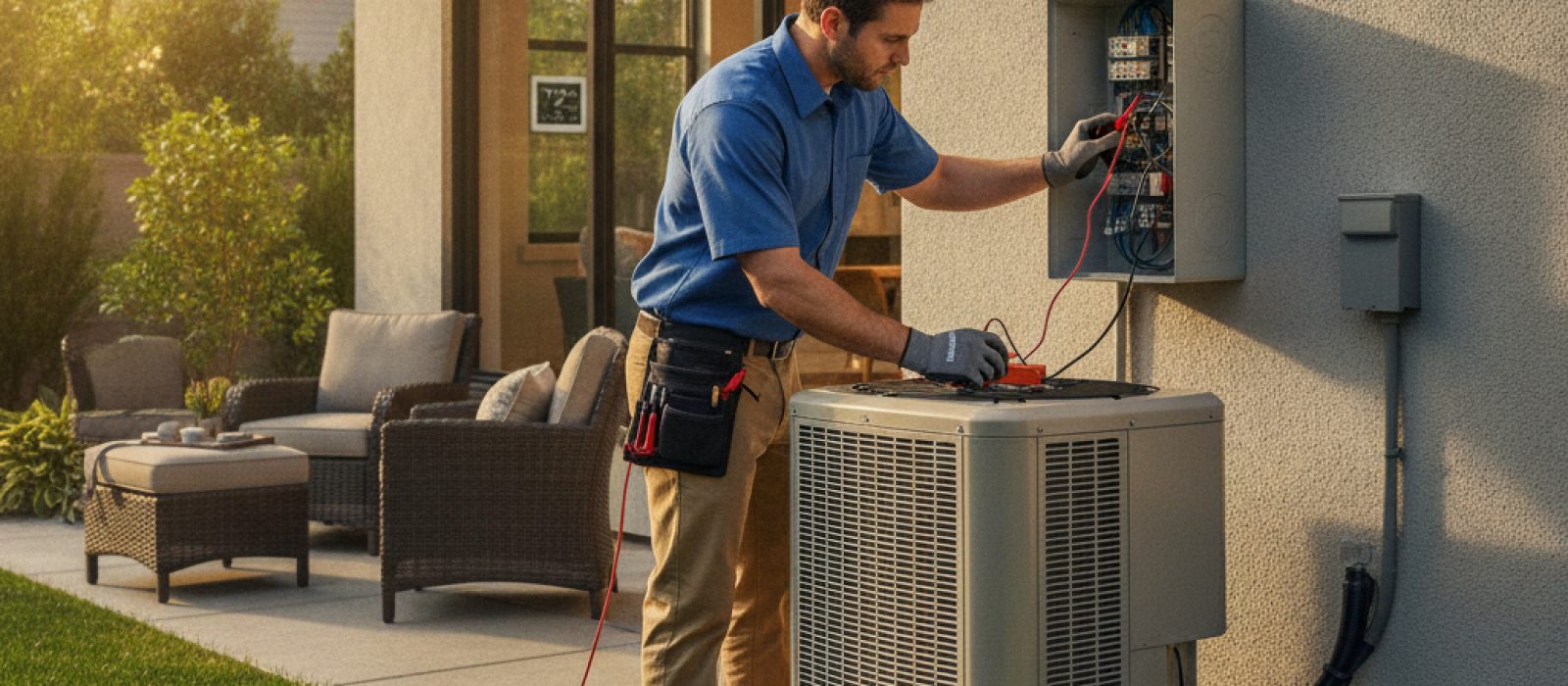
HVAC Disconnect Box: What It Is and Why It Matters
Learn the function of the HVAC disconnect box, why it is vital for safety, and how to identify when this critical component requires professional attention.
4 min read

A thermostat functions as the brain of your HVAC system, constantly monitoring the ambient air temperature to determine when to trigger heating or cooling cycles. Because these devices rely on internal sensors to gauge the environment, their physical location dictates the accuracy of the entire system. If a thermostat is placed in an area that does not reflect the average temperature of the home, the equipment will cycle prematurely or run longer than necessary, leading to uneven comfort and increased wear on your system.
Proper maintenance of your climate control strategy begins with ensuring your sensor is not being deceived by its surroundings. When a thermostat is mislocated, it creates a feedback loop that causes the system to struggle against artificial conditions rather than the actual temperature of the living space.
Direct exposure to sunlight is one of the most common factors that compromises thermostat accuracy. When the sun hits a thermostat sensor, it warms the internal components, causing the device to believe the room is much hotter than it actually is. This often leads to the air conditioner running continuously during the day, even if the rest of the house is comfortably cool.
Similarly, internal heat sources can skew readings. Placing a thermostat near lamps, televisions, or kitchen appliances creates localized hotspots. These devices generate heat that the thermostat interprets as a general rise in room temperature, forcing the furnace or air conditioner to compensate for heat that is only present within a few inches of the wall. To avoid these issues, ensure your device is mounted on an interior wall away from any electronics or lighting fixtures.
Air movement is critical for accurate temperature readings. Thermostats should be situated in a location with natural, unobstructed airflow. If a thermostat is placed in a corner, behind a door, or inside a bookshelf, the air surrounding the device becomes stagnant. This lack of circulation prevents the sensor from detecting the true temperature of the room, leading to sluggish system response times.
Conversely, avoid placing the thermostat near windows, exterior doors, or supply registers. Drafts from outside can cause the sensor to detect sudden temperature drops or spikes that do not represent the conditions in the primary living area. If you find your system is constantly cycling, it may be time to consult with professionals who specialize in Thermostat Services to evaluate if your current placement is causing these inefficiencies.
The optimal location for a thermostat is typically a central, interior wall in a room that is frequently occupied, such as a living room or hallway. This placement ensures the device monitors the temperature in an area that represents the average climate of the home. Maintaining a height of approximately five feet from the floor is standard, as this aligns with the average human breathing zone and avoids the temperature stratification that occurs near the ceiling or floor.
If you are planning to relocate a thermostat, understand that this involves more than simply moving a plastic box. The process requires careful handling of low-voltage wiring and ensuring the hole in the wall is properly sealed. Air leaking from inside the wall cavity can cause the sensor to read the temperature of the wall interior rather than the room air. If you are uncomfortable working with electrical wiring, contact a technician for professional assistance to ensure the job is performed safely and correctly.
While thermostat placement is a primary factor in home comfort, it is only one piece of the puzzle. An accurately placed thermostat can only do so much if the rest of the system is struggling with clogged air filters or obstructed ducts. Regular Maintenance & Tune-up visits can help identify if your energy consumption issues are related to thermostat positioning or if there are underlying mechanical problems within the system.
Furthermore, if your home has significant temperature imbalances despite a correctly placed thermostat, the issue may lie with your ductwork. In such cases, professional Ductwork Services can reveal leaks or improper sizing that prevent conditioned air from reaching the rooms where your thermostat is located. Ensuring your HVAC infrastructure is sound is just as vital as the placement of the control interface itself.
As you evaluate your home's layout, consider how your furniture arrangement might be affecting your thermostat. Large pieces of furniture, such as bookshelves or curtains, can block the necessary airflow that allows the thermostat to function properly. Keeping the area around the thermostat clear is a simple, cost-free way to improve your system's efficiency and longevity.
By prioritizing the location of your thermostat, you reduce the workload on your heating and cooling equipment. This promotes better energy efficiency and helps maintain a consistent, comfortable environment throughout the seasons. If you suspect your thermostat is poorly placed, taking the time to relocate it can provide immediate improvements in both comfort and utility costs.
Learn the function of the HVAC disconnect box, why it is vital for safety, and how to identify when this critical component requires professional attention.

Ensure long-term comfort and efficiency by asking the right questions about your home's ductwork design during the new construction process.
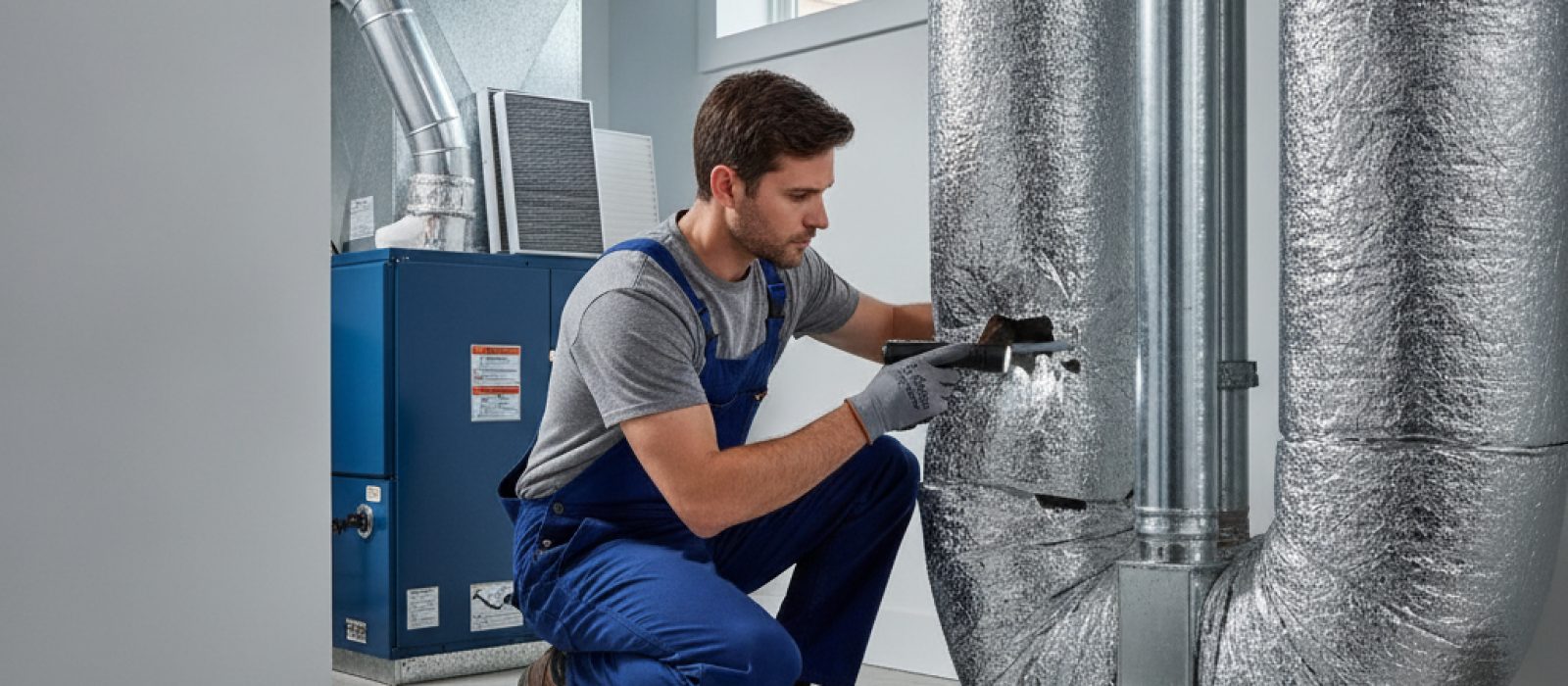
Discover the signs of rodent infestation in your HVAC system and learn how to identify, address, and prevent pest issues in your ductwork.
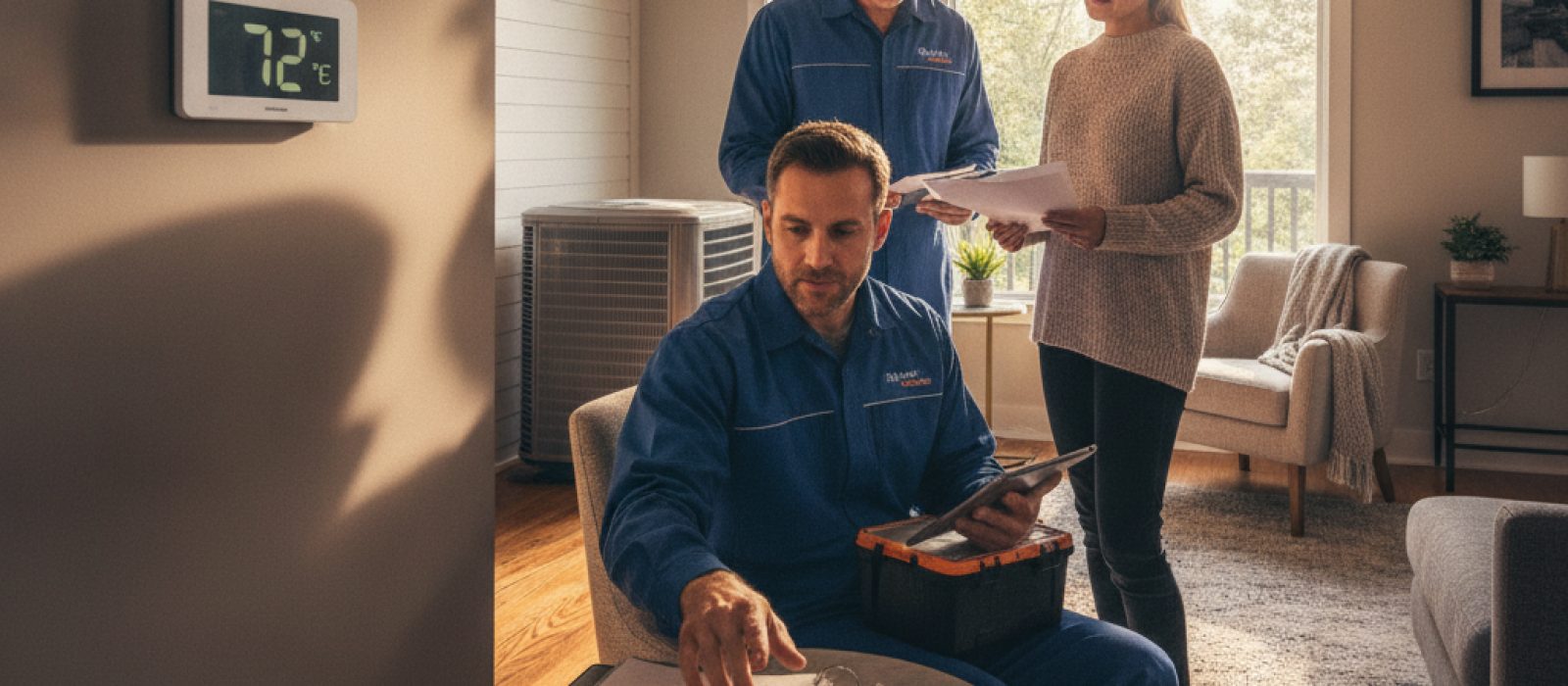
Learn why maintaining a detailed history of your HVAC service records protects your warranty, boosts resale value, and ensures system longevity.
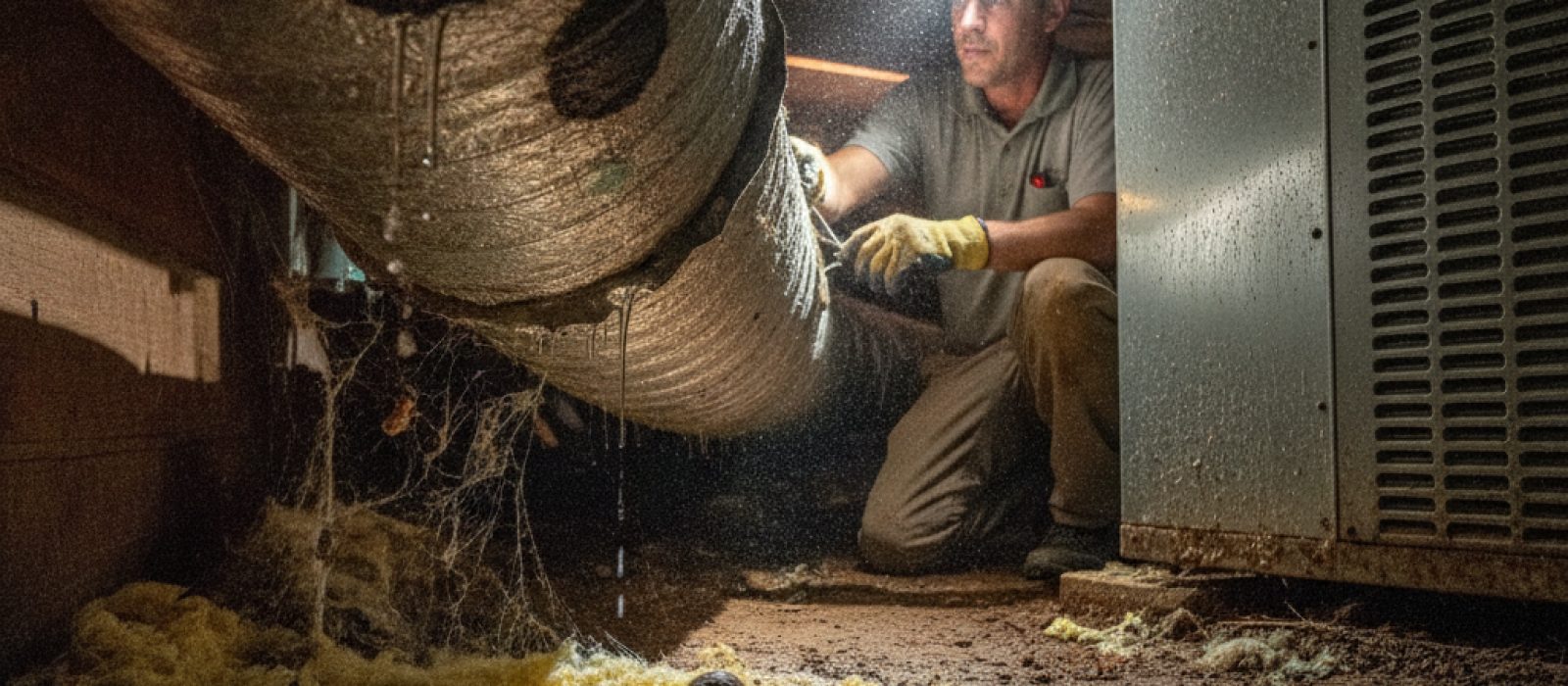
Learn how to identify and resolve common crawl space ductwork problems, including moisture buildup, pest intrusion, and damaged insulation.
Learn how upgrading or maintaining your HVAC registers and grilles can optimize home comfort, improve efficiency, and protect your indoor air quality.
Be the first to comment.