
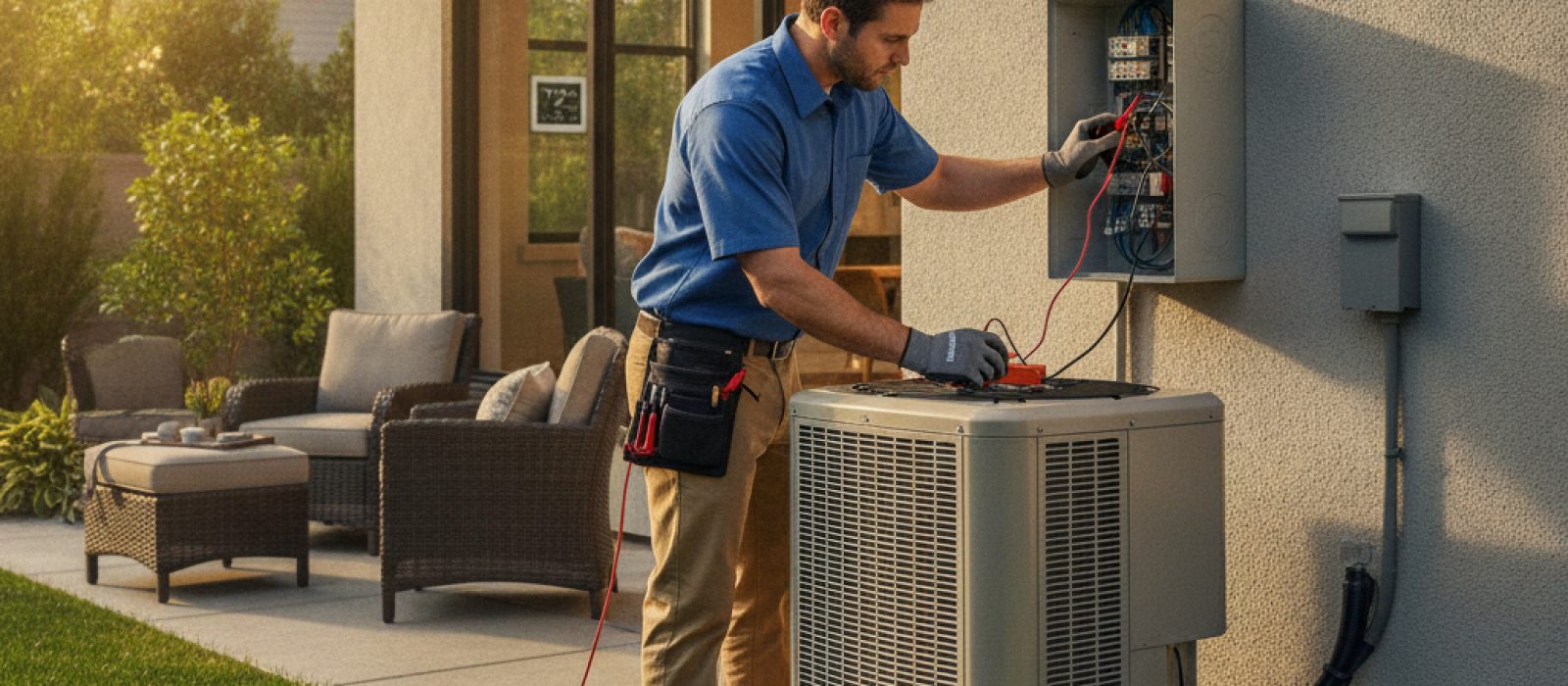
HVAC Disconnect Box: What It Is and Why It Matters
Learn the function of the HVAC disconnect box, why it is vital for safety, and how to identify when this critical component requires professional attention.
4 min read

Air ducts serve as the circulatory system for a home’s HVAC infrastructure. When these pathways are compromised by leaks, holes, or disconnected joints, the system loses conditioned air before it ever reaches its destination. This loss forces the furnace or air conditioner to run significantly longer to maintain the set temperature on the thermostat, leading to premature wear and increased utility costs.
Leaking air ducts often reveal themselves through subtle environmental changes within the home. Recognizing these signs early can prevent more extensive damage to the HVAC unit.
If specific rooms in the house feel significantly warmer or cooler than others, the cause is often an obstruction or a leak in the ductwork leading to those areas. When air escapes into unconditioned spaces like attics, crawlspaces, or basements, the volume of air reaching the register is insufficient to counteract the heat gain or loss in that room.
While seasonal weather changes affect energy consumption, a sudden, unexplained spike in utility costs often points to system inefficiencies. If the HVAC system is consuming more power than in previous years under similar weather conditions, the ductwork may be losing conditioned air to non-living areas. This is a common indicator that your home may benefit from professional Energy Efficient Solutions.
Ductwork is not just responsible for delivering air; it also plays a role in Indoor Air Quality. Leaky return ducts often pull air from dirty areas, such as attics or wall cavities, rather than from the living space. This air carries dust, debris, and insulation particles, which are then distributed throughout the home. If you notice a thin layer of dust returning to surfaces shortly after cleaning, the ducts may be pulling in pollutants.
Listen to the HVAC system during operation. Whistling, rattling, or hissing sounds near vents or in areas where ducts are visible usually indicate air escaping under pressure. These noises often suggest that joints have separated or that there is a puncture in the flexible ducting.
Neglecting duct repairs leads to more than just financial waste. When a system struggles to push air through a compromised network, the blower motor faces increased resistance. This creates strain that can lead to mechanical failure. Over time, the cumulative impact of these leaks can necessitate major repairs that might have been avoided with proactive Maintenance & Tune-up protocols.
While homeowners can visually inspect accessible ductwork for large tears or disconnected sections, professional intervention is required for a comprehensive assessment. Technicians use specialized tools like duct blasters and smoke testers to identify hidden leaks behind walls or in tight attic spaces.
If you suspect your system is underperforming, scheduling professional Ductwork Services is the most reliable way to ensure the entire network is properly sealed. Professionals use mastic sealant or specialized metal tape to ensure long-term integrity, which is far more effective than standard hardware-store duct tape. Attempting to seal ducts with improper materials can lead to failure when exposed to the high temperatures found in attics during summer months.
Maintaining the integrity of the ductwork is an ongoing process. During routine inspections, ensure that registers are not blocked by heavy furniture or carpets, which can increase static pressure in the system and exacerbate existing leaks. Periodically checking the connections in visible areas—such as in a basement or utility closet—can help identify issues before they become systemic.
If the home is older, the insulation surrounding the ducts may be degrading. Ensuring that the ducts are properly insulated in unconditioned spaces is a vital step in preventing condensation and heat loss. For comprehensive assessments, consulting with experts in Air Duct Cleaning can reveal if the interior of the ducts requires attention beyond simple sealing.
Never attempt to modify or repair ductwork that is connected directly to a furnace or air handler without proper training. These areas involve electrical components, gas lines, and high-heat surfaces. If the ductwork feels excessively hot or if there is a smell of gas or burning, shut down the system immediately and contact a professional for emergency assistance. Prioritize safety by ensuring that all repairs comply with local building codes, which mandate specific materials and methods for duct sealing to prevent fire hazards and ensure proper airflow.
Learn the function of the HVAC disconnect box, why it is vital for safety, and how to identify when this critical component requires professional attention.
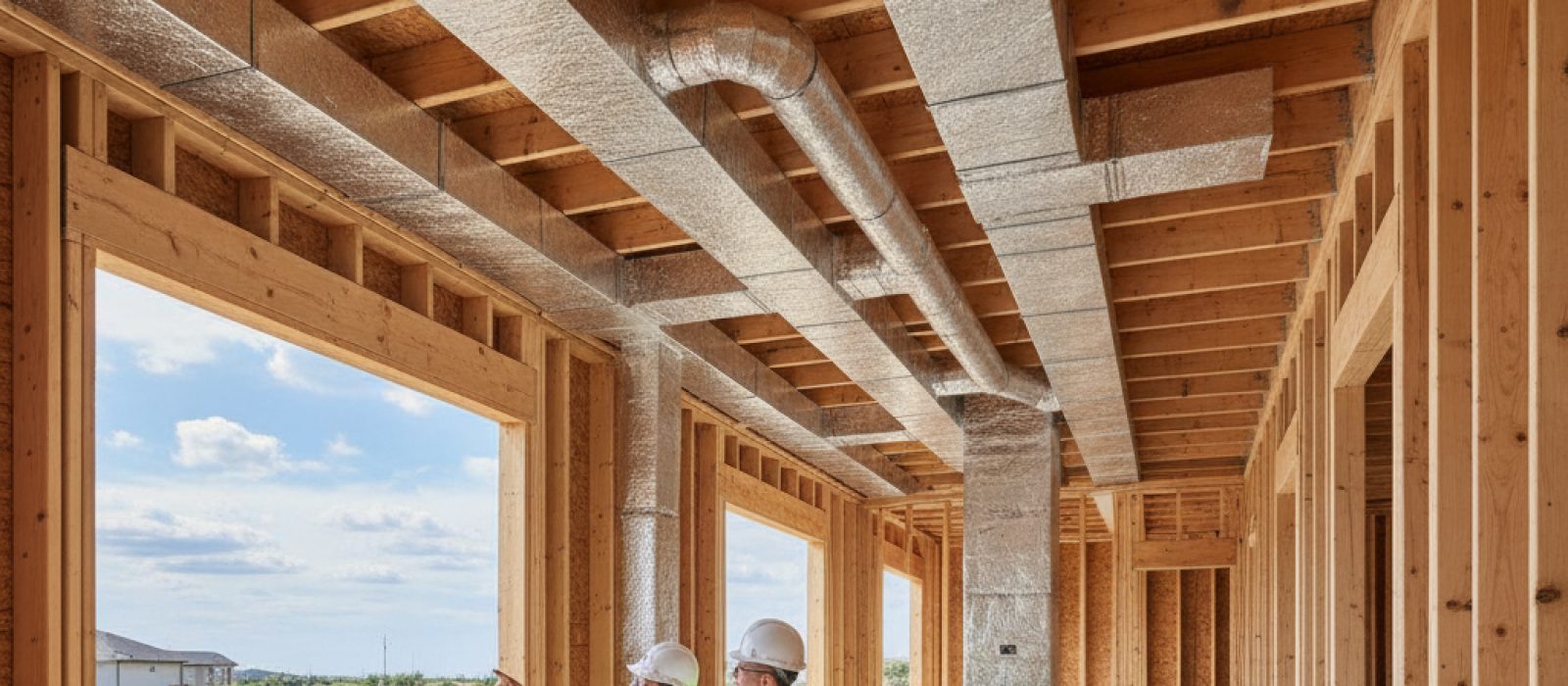
Ensure long-term comfort and efficiency by asking the right questions about your home's ductwork design during the new construction process.
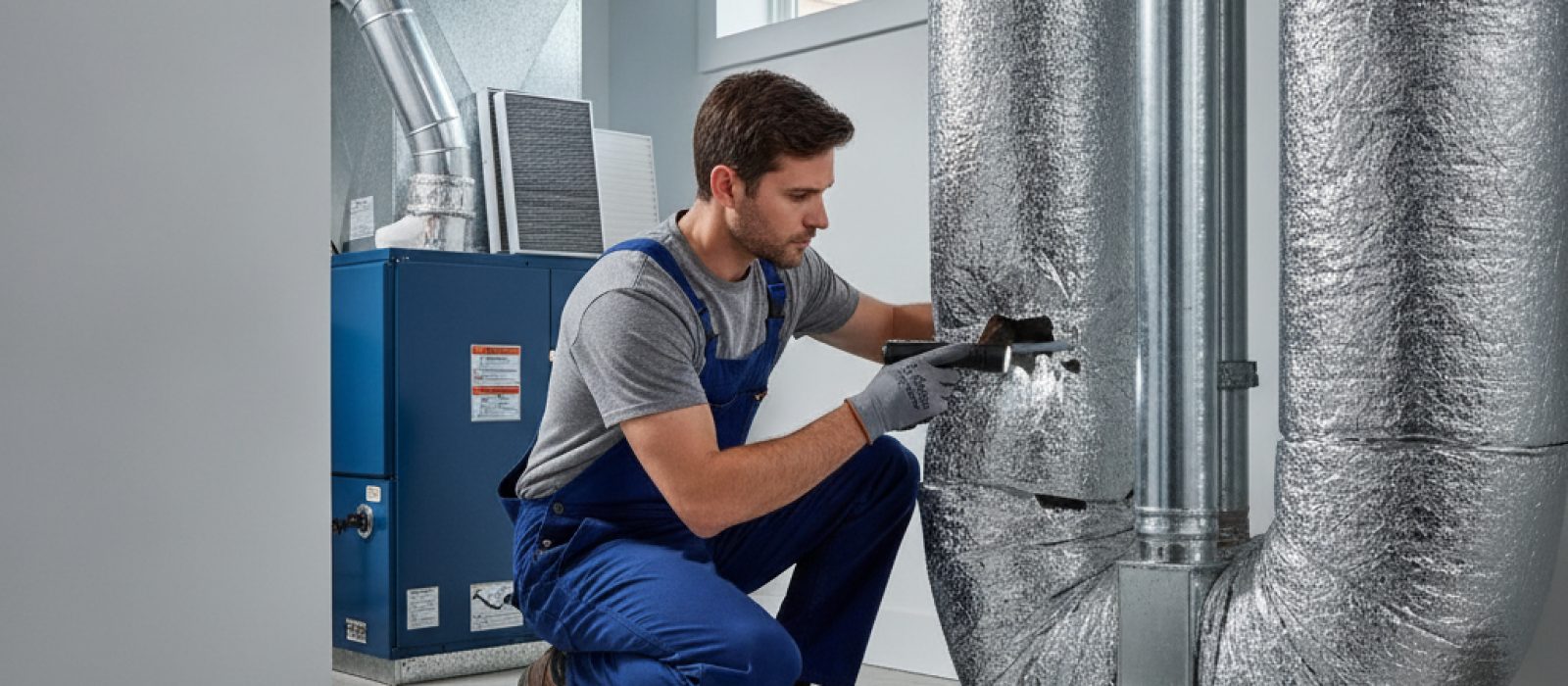
Discover the signs of rodent infestation in your HVAC system and learn how to identify, address, and prevent pest issues in your ductwork.
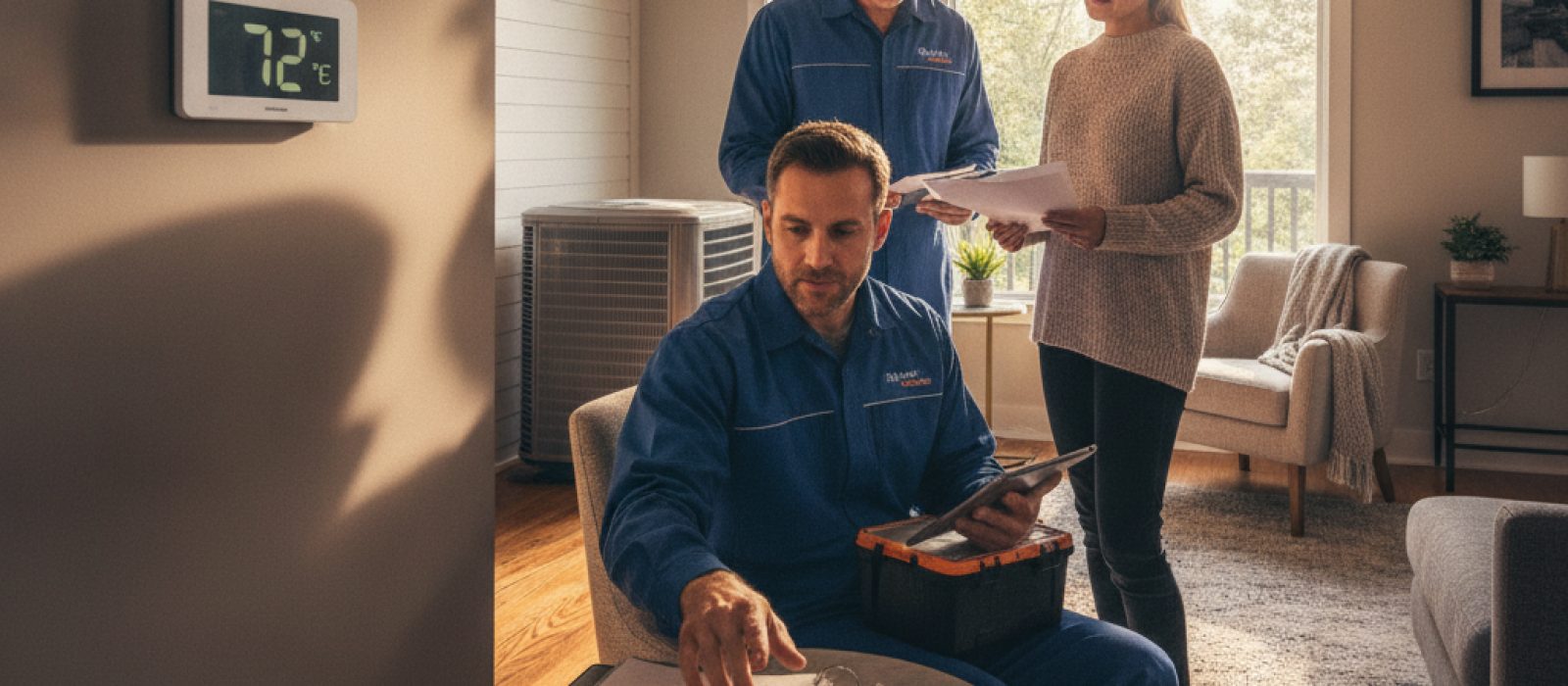
Learn why maintaining a detailed history of your HVAC service records protects your warranty, boosts resale value, and ensures system longevity.
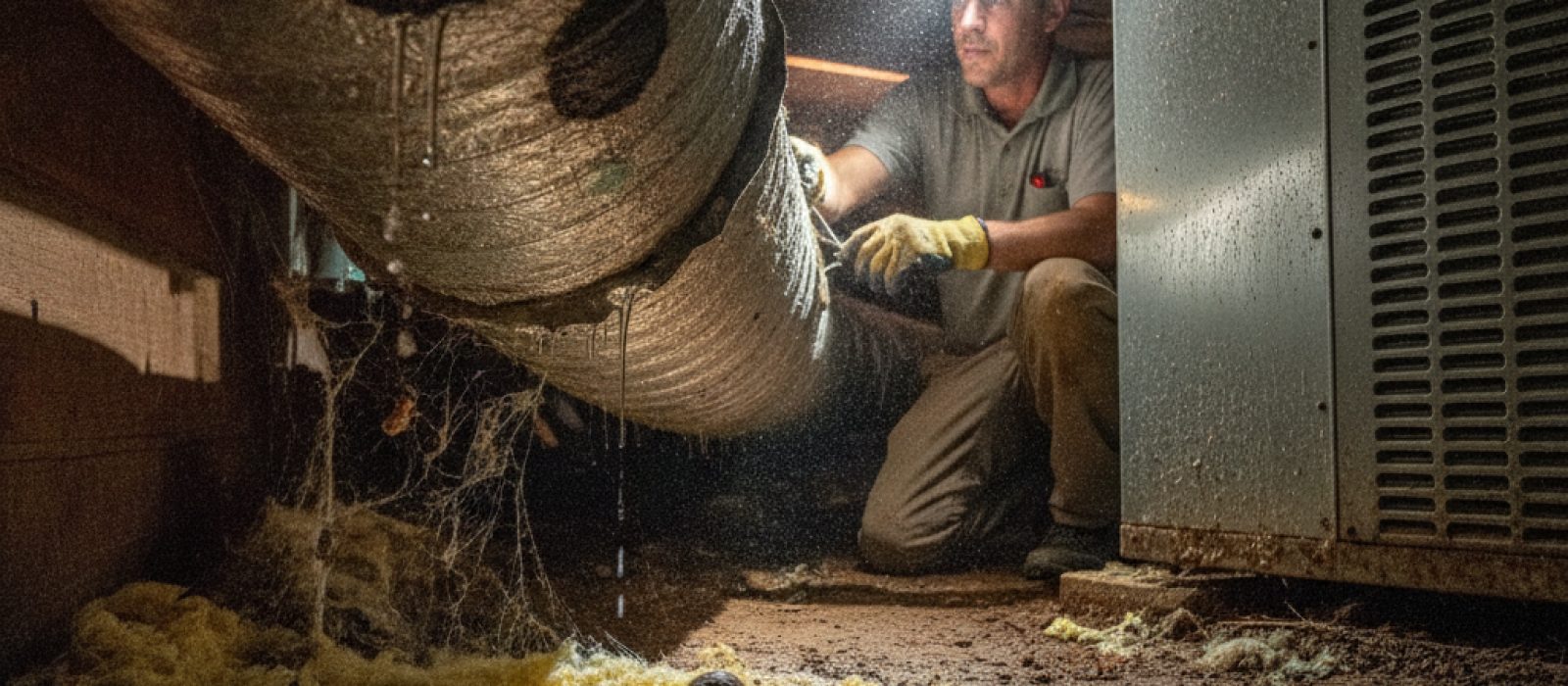
Learn how to identify and resolve common crawl space ductwork problems, including moisture buildup, pest intrusion, and damaged insulation.

Learn how upgrading or maintaining your HVAC registers and grilles can optimize home comfort, improve efficiency, and protect your indoor air quality.
Be the first to comment.