
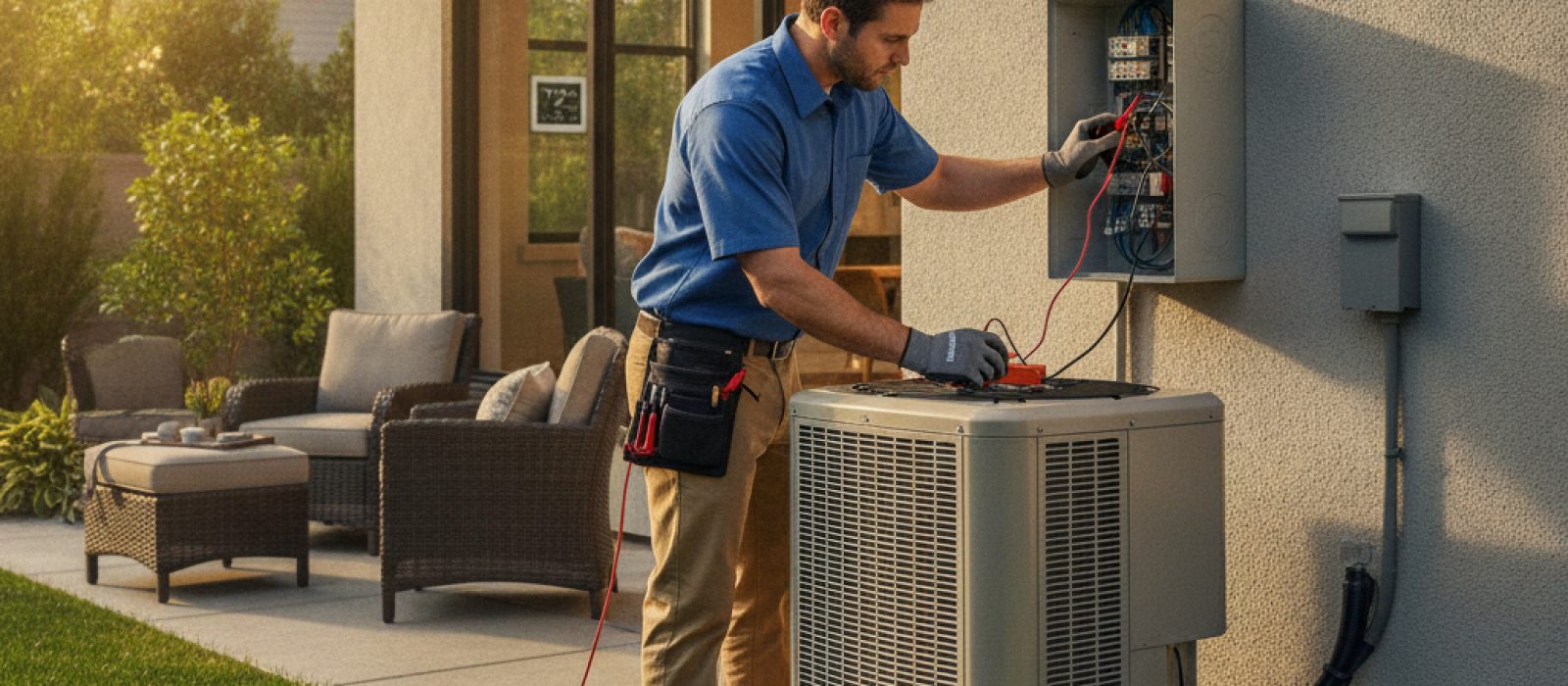
HVAC Disconnect Box: What It Is and Why It Matters
Learn the function of the HVAC disconnect box, why it is vital for safety, and how to identify when this critical component requires professional attention.
4 min read

Outdoor air conditioning units are engineered to withstand harsh weather conditions, including freezing rain, heavy snowfall, and extreme temperature fluctuations. The exterior housing is typically constructed from galvanized steel or aluminum with a powder-coated finish designed to resist corrosion. Because these units are built to operate outdoors year-round, they do not require total enclosure to remain functional.
The internal components, such as the compressor and condenser coils, are also designed with durability in mind. However, maintenance is still a critical aspect of ensuring the longevity of your cooling system. Scheduling professional Maintenance & Tune-up visits ensures that any debris accumulated during the autumn months is cleared before the first freeze, preventing potential internal damage.
Many homeowners believe that wrapping their AC unit in a heavy-duty plastic cover will protect it from winter elements. In reality, full-unit covers can introduce significant problems. If a cover is not properly ventilated, it can trap moisture inside the unit. This creates a humid environment that promotes rust and corrosion on electrical components and metal housing.
Furthermore, an enclosed unit becomes an inviting sanctuary for rodents and small pests. Mice and squirrels often seek shelter from the cold and may chew through electrical wiring or build nests inside the condenser. A unit that is left uncovered allows for airflow, which discourages these animals from settling in, and makes it easier for you to notice any signs of infestation during periodic inspections.
While a full-unit cover is generally discouraged, a top-only cover can serve a legitimate purpose. If your outdoor unit is positioned directly beneath a roof drip line or an area where heavy icicles form, a rigid cover placed on the top of the unit can protect the fan blades and internal parts from falling ice or heavy debris. This cover should only be large enough to shield the top, allowing the sides to remain open for proper air circulation.
Ensure that any top cover is securely fastened so it does not blow away during high winds. If you are uncertain about the structural integrity of your unit or notice signs of wear, consulting with experts in AC Services can provide clarity on whether your specific location requires specialized protection.
Protecting your system is less about covering it and more about keeping the area clear. Before winter fully sets in, remove leaves, twigs, and other yard debris from the base of the unit. These materials can hold moisture against the metal cabinet, accelerating the oxidation process. If you notice persistent issues with your system's performance, it may be time to evaluate your overall Energy Efficient Solutions to ensure your home remains comfortable throughout the changing seasons.
It is also important to keep the area around the unit free of snow drifts if possible. While the unit itself is waterproof, deep, packed snow can sometimes block the airflow or cause issues during the early spring when the unit begins to cycle again. If you find your system struggling, contact a professional for Heating Services to ensure all components are operating within manufacturer specifications.
If you choose to use a cover, it is vital that it is removed before the system is turned on for the first time in the spring. Operating an air conditioner while it is still covered can cause the system to overheat and lead to severe compressor damage. The compressor relies on heat exchange to function; blocking this process forces the motor to work harder, significantly reducing the lifespan of the equipment.
If you are unsure whether your unit is clear for operation, do not attempt to start it. A simple visual inspection is usually sufficient, but if you hear unusual noises or detect electrical burning smells upon startup, shut the power off at the disconnect box and call a technician immediately. Never attempt to service electrical components yourself, as these systems involve high-voltage connections that require professional training.
The best way to prepare your HVAC system for winter is to focus on preventative care rather than seasonal covering. This includes ensuring the unit is level, as shifting soil can cause the condenser to tilt, which places unnecessary stress on the refrigerant lines. If your unit is sitting on an uneven pad, address this before the ground freezes.
Regular inspections also allow you to identify small problems before they become costly repairs. If you notice signs of refrigerant leaks, such as oil residue or ice buildup during the rare times you might use the unit on a warm winter day, schedule a professional check-up. Taking care of these details during the off-season ensures your system is ready to perform efficiently when the first heat wave of the year arrives.
Learn the function of the HVAC disconnect box, why it is vital for safety, and how to identify when this critical component requires professional attention.

Ensure long-term comfort and efficiency by asking the right questions about your home's ductwork design during the new construction process.
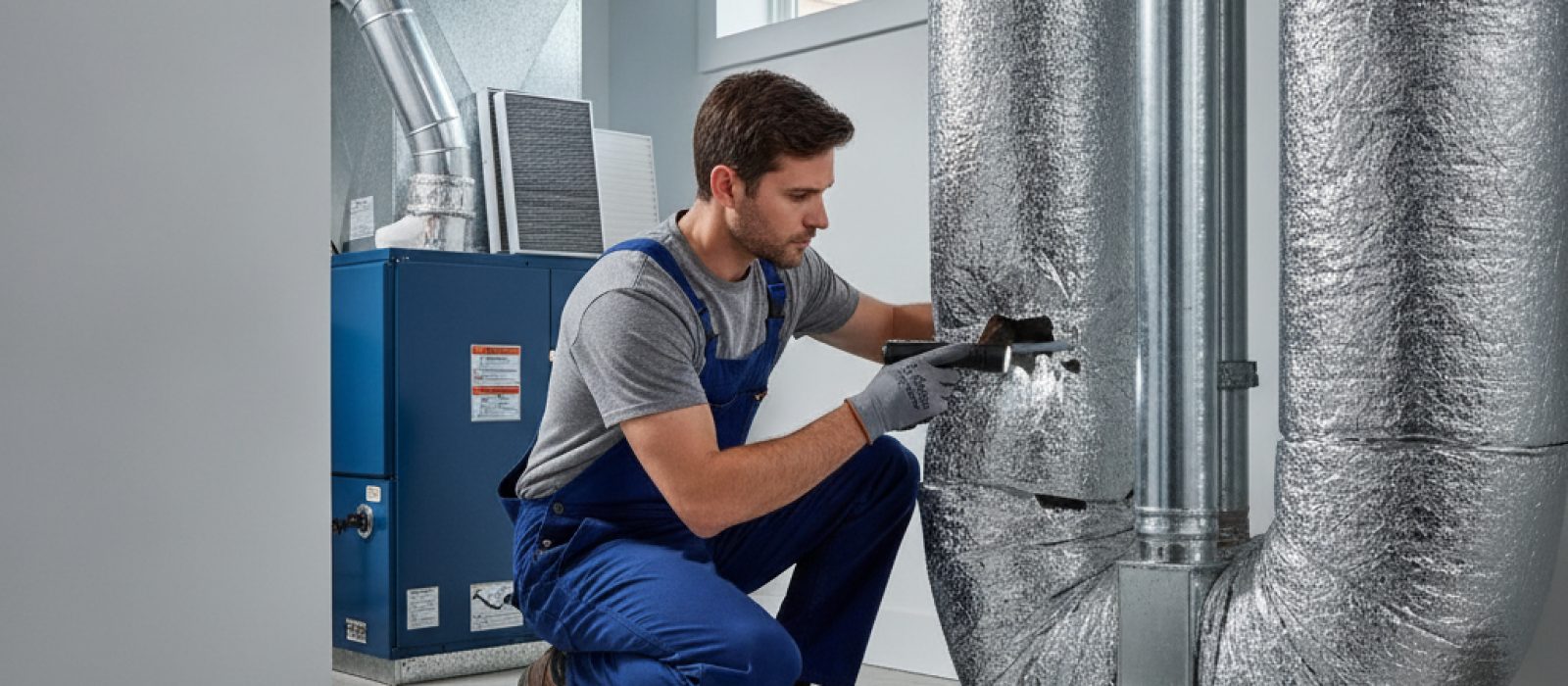
Discover the signs of rodent infestation in your HVAC system and learn how to identify, address, and prevent pest issues in your ductwork.
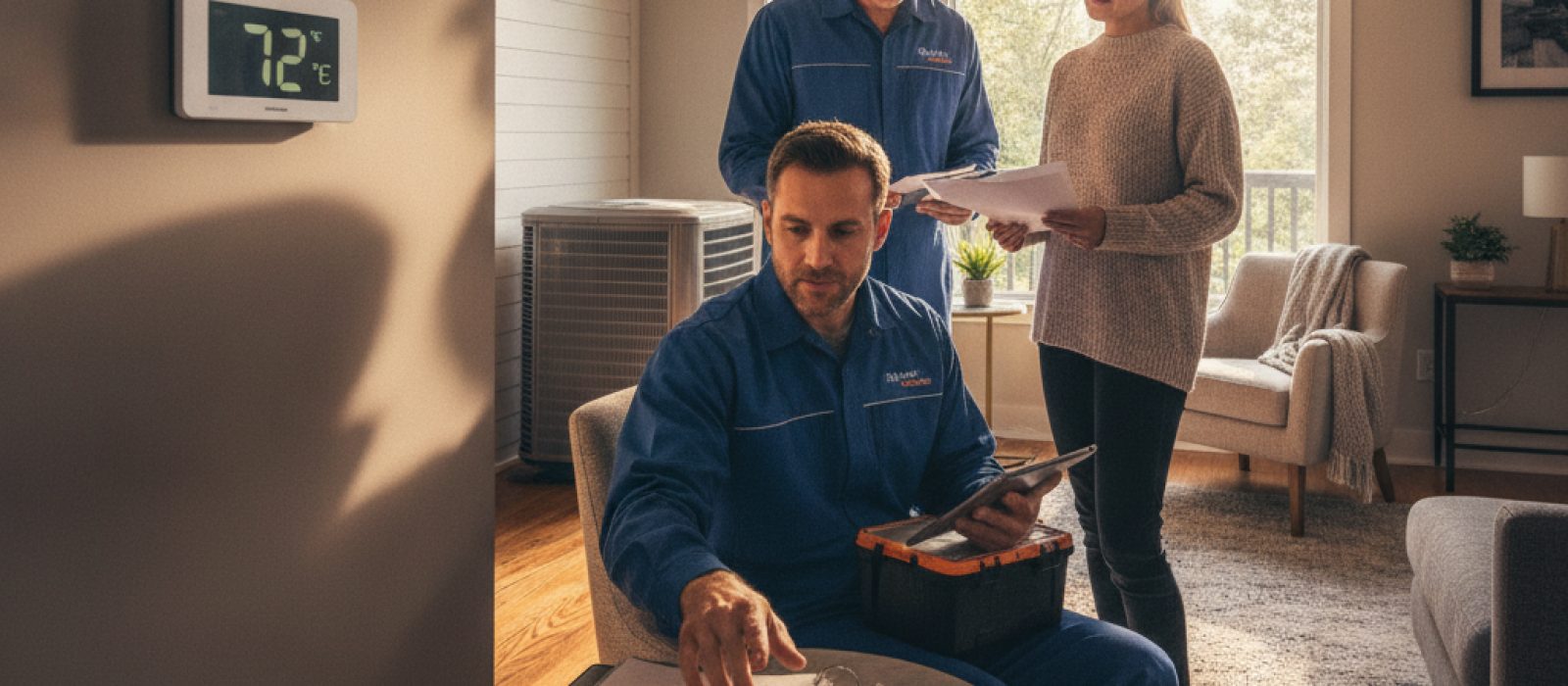
Learn why maintaining a detailed history of your HVAC service records protects your warranty, boosts resale value, and ensures system longevity.
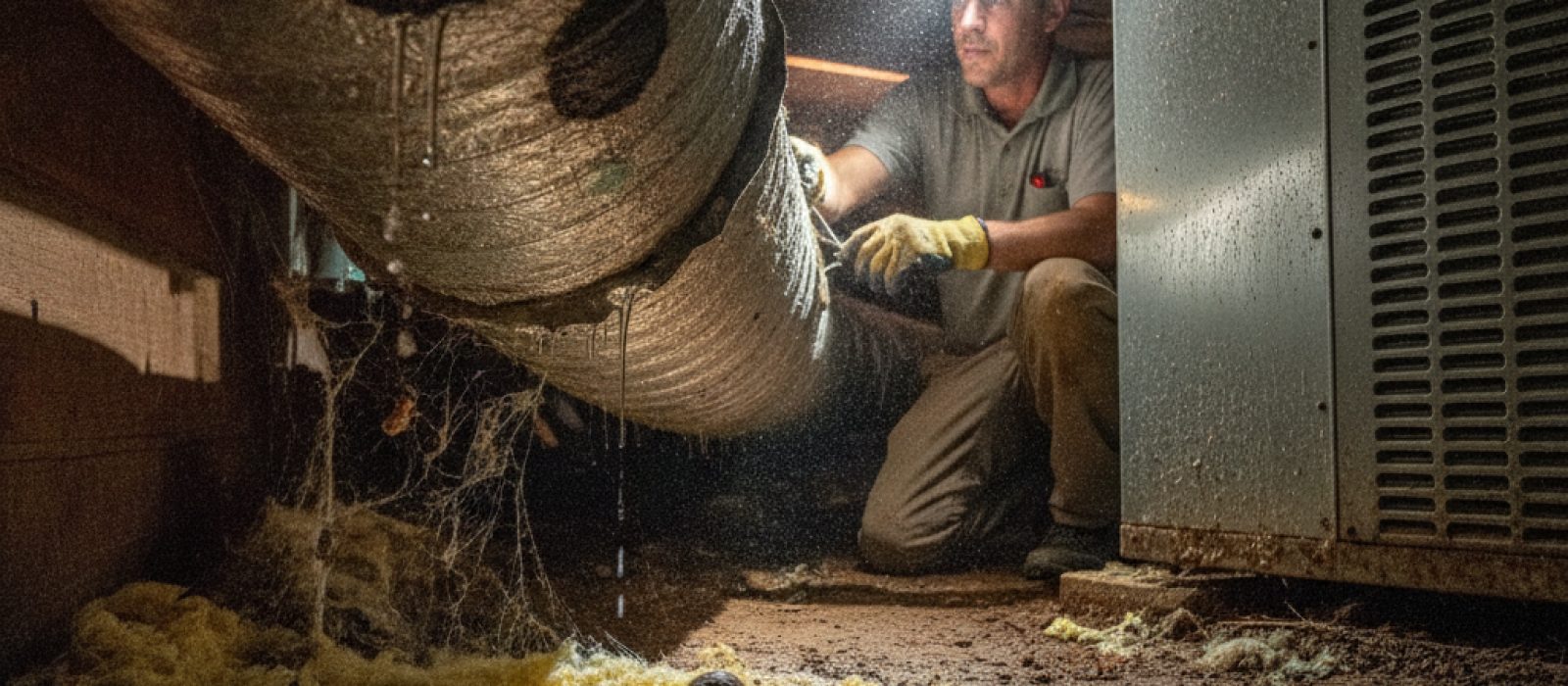
Learn how to identify and resolve common crawl space ductwork problems, including moisture buildup, pest intrusion, and damaged insulation.

Learn how upgrading or maintaining your HVAC registers and grilles can optimize home comfort, improve efficiency, and protect your indoor air quality.
Be the first to comment.