
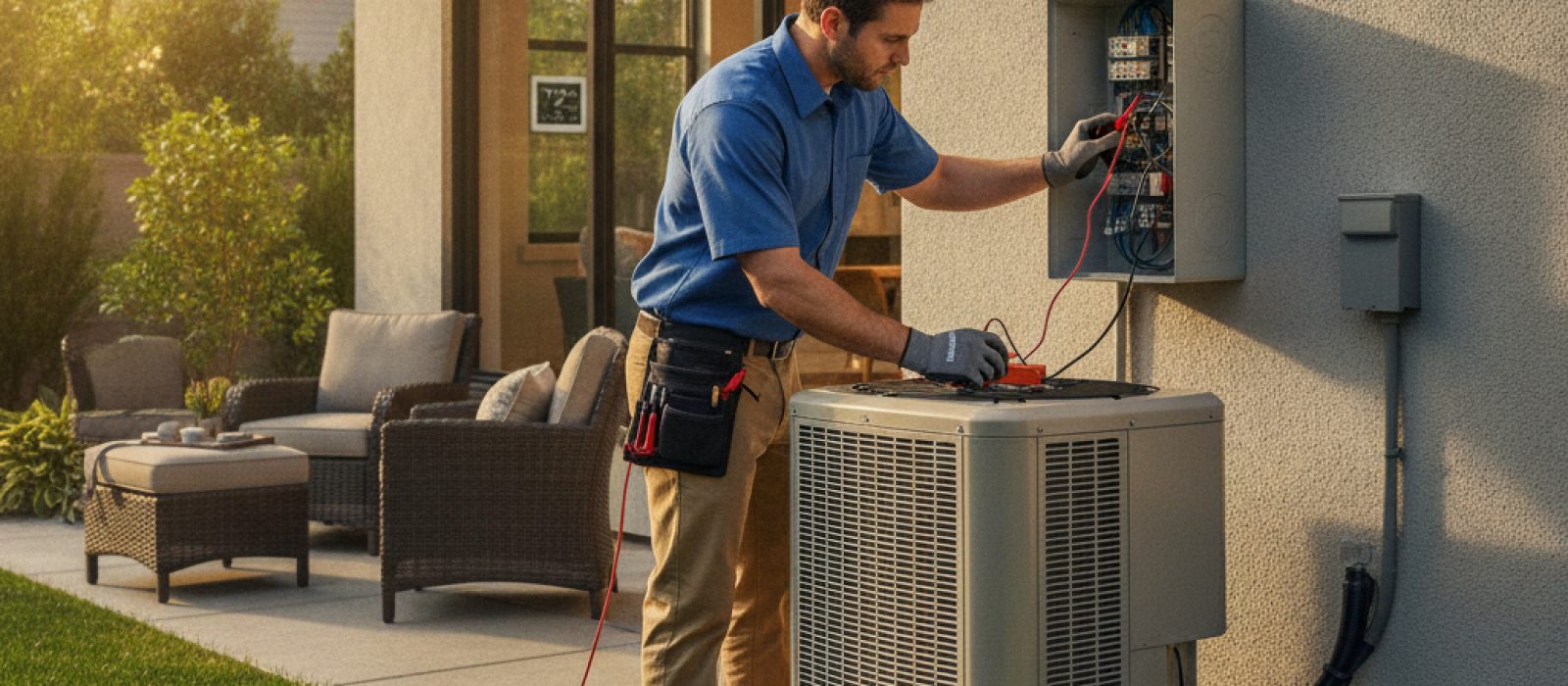
HVAC Disconnect Box: What It Is and Why It Matters
Learn the function of the HVAC disconnect box, why it is vital for safety, and how to identify when this critical component requires professional attention.
4 min read

Return air vents are the intake portals of a forced-air HVAC system. While supply vents push conditioned air into living spaces, return vents pull stale air out, cycling it back to the furnace or air handler to be filtered, heated, or cooled. When these vents become obstructed, the entire system experiences a pressure imbalance, forcing the blower motor to work harder to pull air through restricted pathways.
Ignoring these intake points often leads to a decline in comfort and a significant increase in energy consumption. Maintaining clear air pathways is a fundamental aspect of professional Maintenance & Tune-up routines, as restricted airflow is a leading cause of premature component failure.
The symptoms of an obstructed return air system often mimic other mechanical failures. Recognizing these signs early can prevent more extensive damage to the blower assembly or the heat exchanger.
Homeowners often unknowingly restrict airflow by placing furniture, heavy curtains, or area rugs over return vents. Even if a vent appears unobstructed, internal blockages within the ductwork can impede performance.
Regular Air Duct Cleaning is recommended if you notice persistent dust accumulation or if your home has recently undergone renovations. Construction debris, pet hair, and carpet fibers are common culprits that accumulate inside the return registers, slowly choking the system's intake capacity.
To perform basic maintenance, remove the grill cover and inspect the duct for visible debris. Use a vacuum attachment to clear the immediate area around the vent. If the blockage appears to be deep within the branch ducts, professional intervention is necessary to avoid damaging the ductwork lining.
The return air vent serves as the primary gateway to your system's air filter. A dirty or clogged filter acts as a physical barrier that prevents air from entering the return plenum effectively. When the filter is saturated, the blower motor creates negative pressure, which can cause the ductwork to collapse slightly or pull in contaminants from the surrounding structure.
Check your filters at least once a month during peak heating or cooling seasons. If the filter is bent or warped, it is a sign that the system is pulling too hard against the resistance, indicating an urgent need for an Indoor Air Quality assessment to ensure the system is breathing properly.
While clearing furniture away from a vent is a simple task, mechanical issues involving the return air system require professional knowledge. If you notice structural damage to the ductwork, such as collapsed sections or significant gaps at the joints, do not attempt a DIY repair. These issues require specialized Ductwork Services to seal the leaks and restore proper static pressure.
Furthermore, if you hear mechanical grinding or smell burning coming from the air handler after clearing vents, turn the system off immediately and contact a technician. This indicates that the blower motor may have already sustained damage from long-term airflow restriction. Electrical components should only be serviced by licensed professionals to ensure safety and compliance with building codes.
Consistency is key to system longevity. Ensure that all return vents are unobstructed by furniture or window treatments. If you are planning a room remodel, avoid covering existing return vents with permanent fixtures or built-in cabinetry.
Maintaining a clean environment around your return registers reduces the frequency with which you need to clean your entire duct system. By keeping the intake pathways clear, you allow the HVAC system to operate at its designed capacity, which improves energy efficiency and helps maintain a comfortable indoor environment year-round.
Learn the function of the HVAC disconnect box, why it is vital for safety, and how to identify when this critical component requires professional attention.

Ensure long-term comfort and efficiency by asking the right questions about your home's ductwork design during the new construction process.
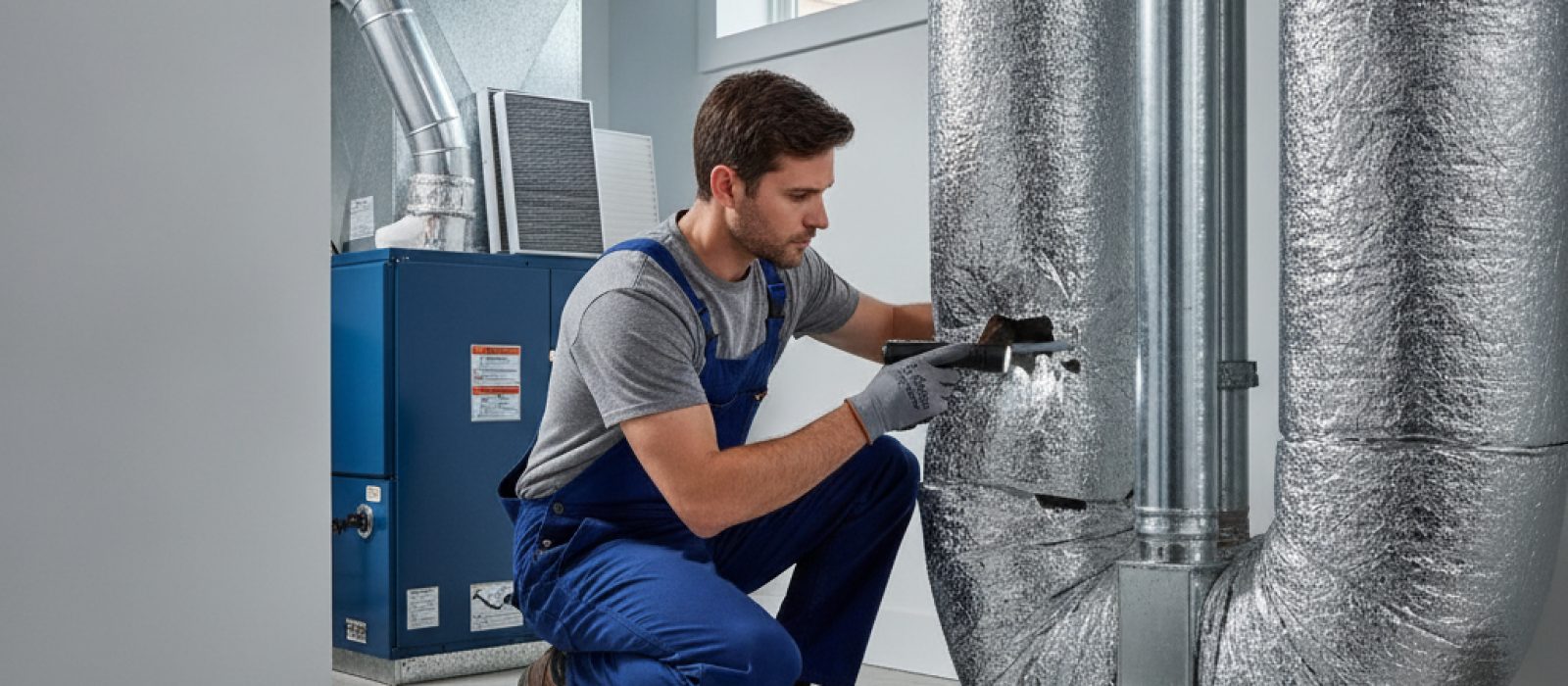
Discover the signs of rodent infestation in your HVAC system and learn how to identify, address, and prevent pest issues in your ductwork.
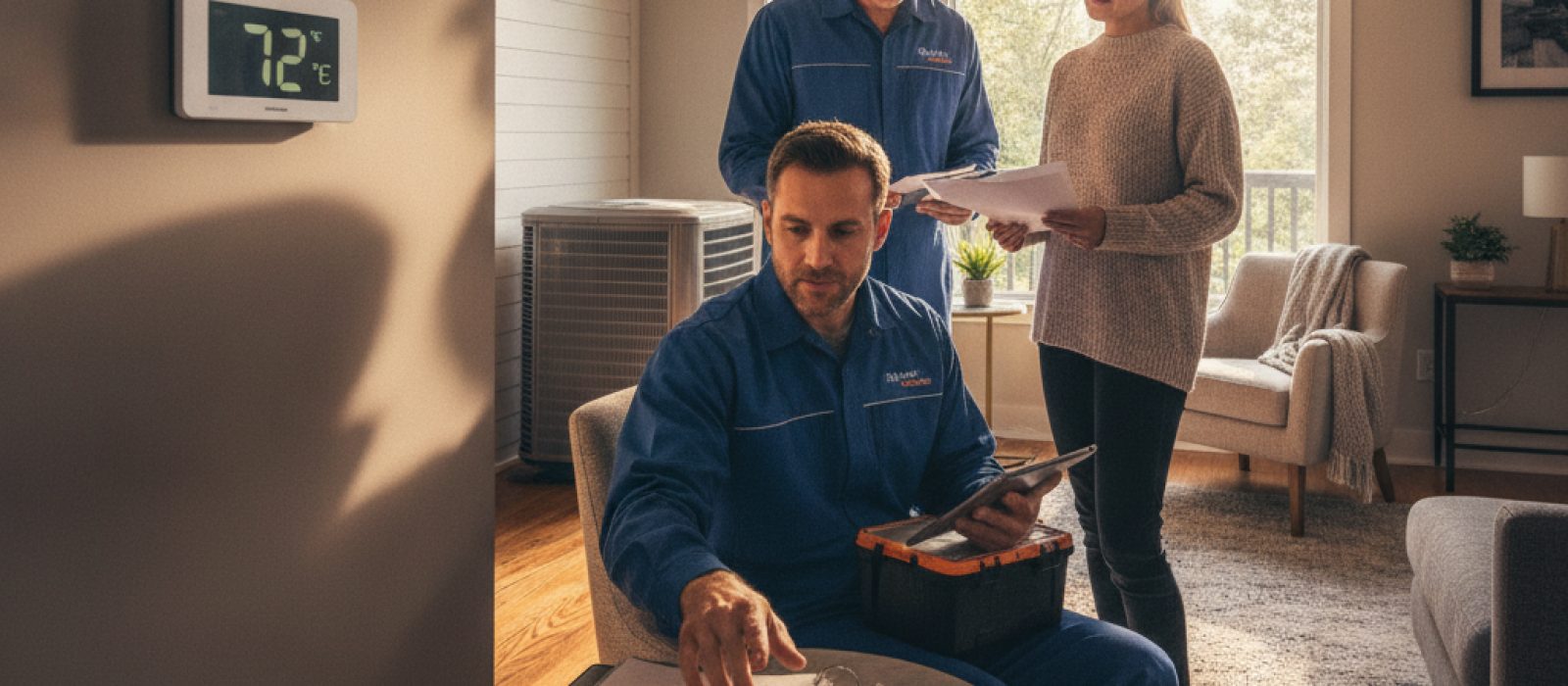
Learn why maintaining a detailed history of your HVAC service records protects your warranty, boosts resale value, and ensures system longevity.
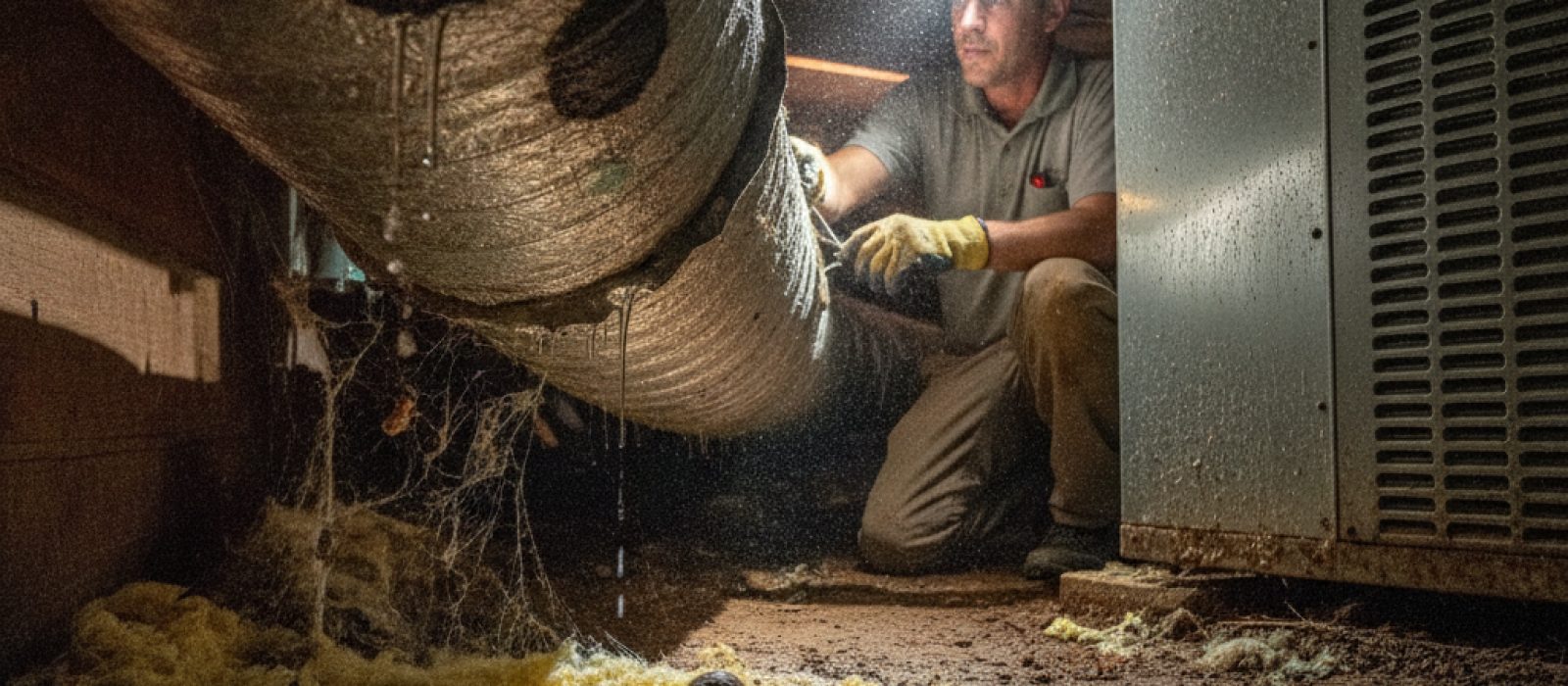
Learn how to identify and resolve common crawl space ductwork problems, including moisture buildup, pest intrusion, and damaged insulation.

Learn how upgrading or maintaining your HVAC registers and grilles can optimize home comfort, improve efficiency, and protect your indoor air quality.
Be the first to comment.