For both landlords and tenants, maintaining a comfortable living environment is a top priority. A crucial component of that comfort is a properly functioning HVAC system. However, when it comes to who is responsible for what regarding HVAC maintenance and repairs in a rental property, things can sometimes get a little murky. Clear communication and understanding of typical responsibilities can prevent misunderstandings and ensure your heating and cooling systems operate efficiently all year round.
Landlord Responsibilities: Ensuring a Functional System
Generally, landlords are responsible for ensuring that the HVAC system is in good working order at the time of move-in and for addressing major repairs or replacements when necessary. Think of it as providing a habitable living space, and a functioning HVAC system is a key part of that. Here’s a breakdown of common landlord duties:
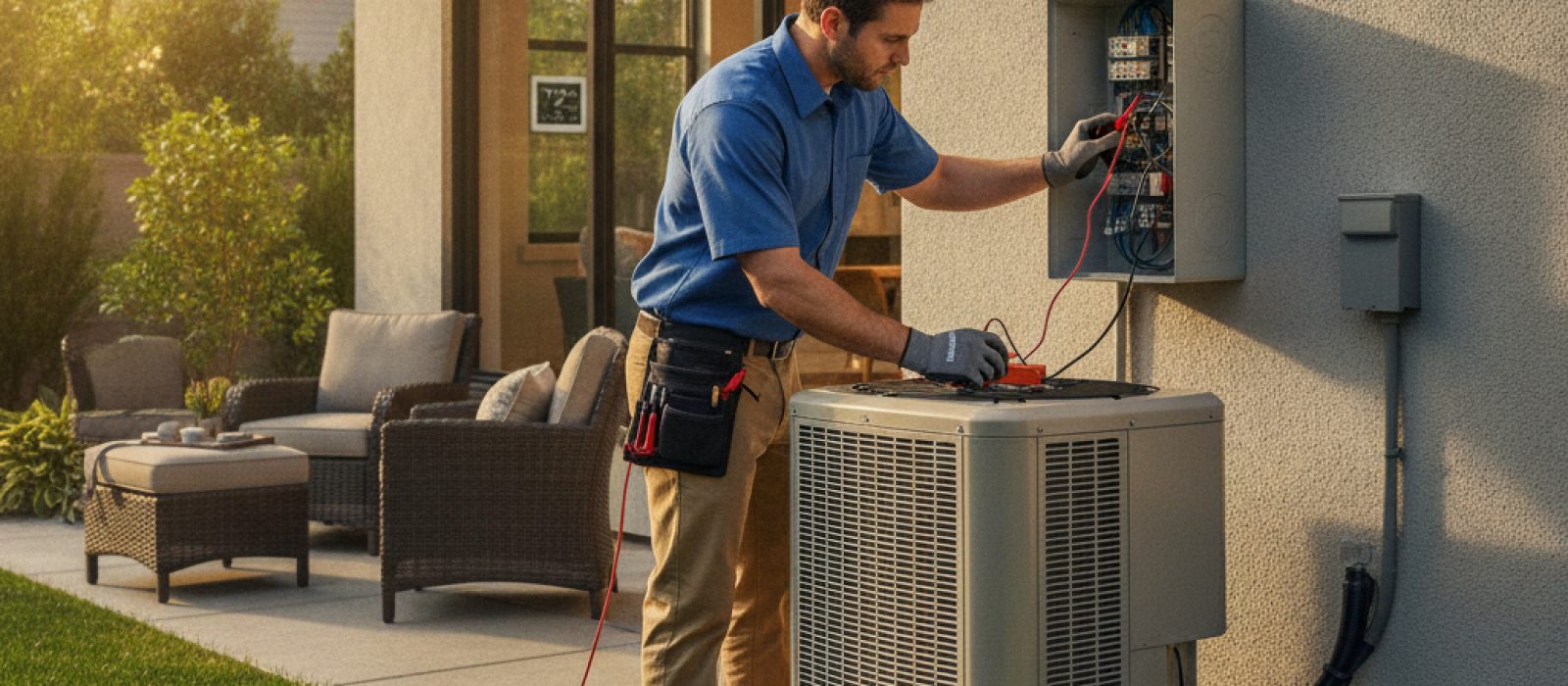
Major Repairs & Replacements: If the furnace breaks down in winter or the AC stops working in summer due to mechanical failure, it's typically the landlord's duty to arrange and pay for professional repairs or replacement. This includes components like compressors, heat exchangers, and refrigerant lines.
Seasonal Maintenance (Professional): Many landlords opt to schedule professional preventative maintenance annually or bi-annually. This can include tasks like checking refrigerant levels, inspecting electrical components, cleaning coils, and ensuring the system is operating safely and efficiently. This proactive approach can prevent costly breakdowns.
Initial System Condition: The HVAC system should be operational and safe when a tenant moves in. Any pre-existing issues should be addressed before occupancy.
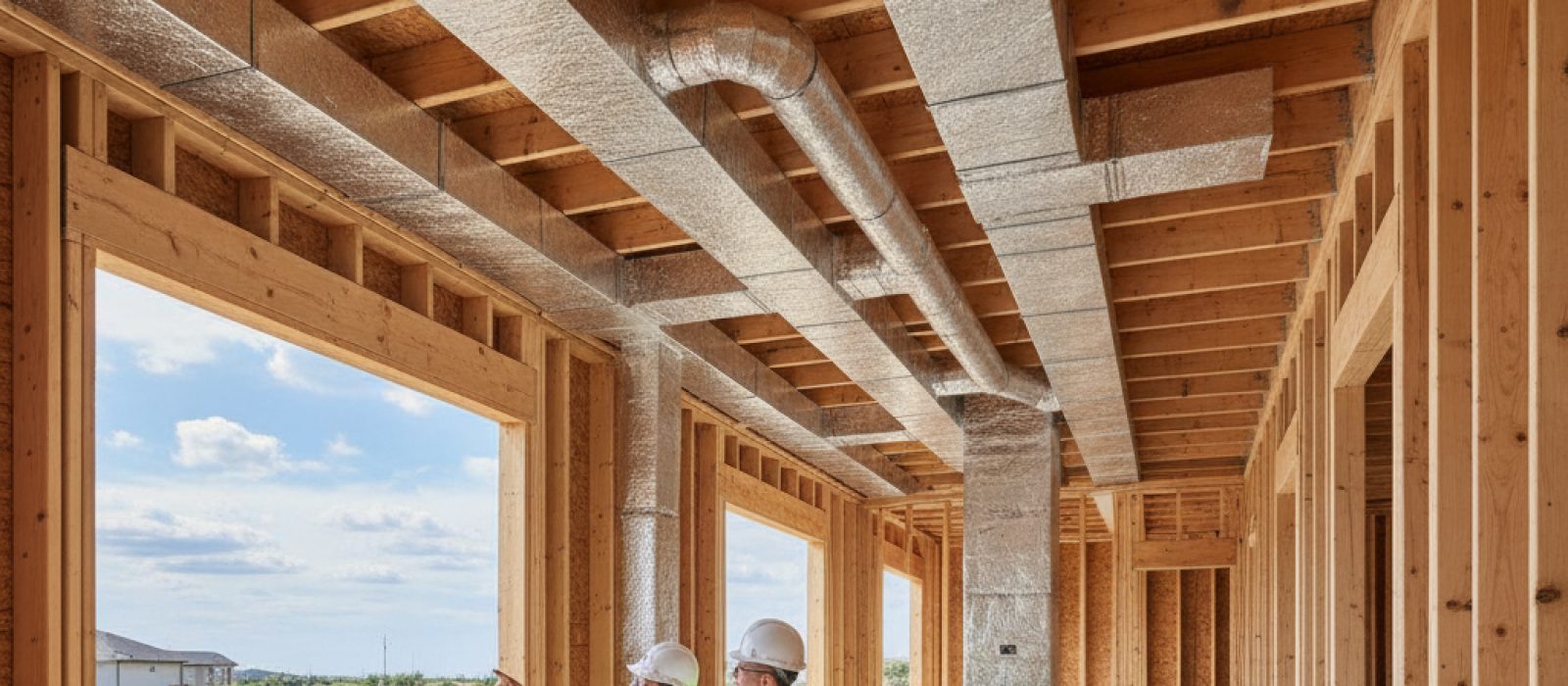
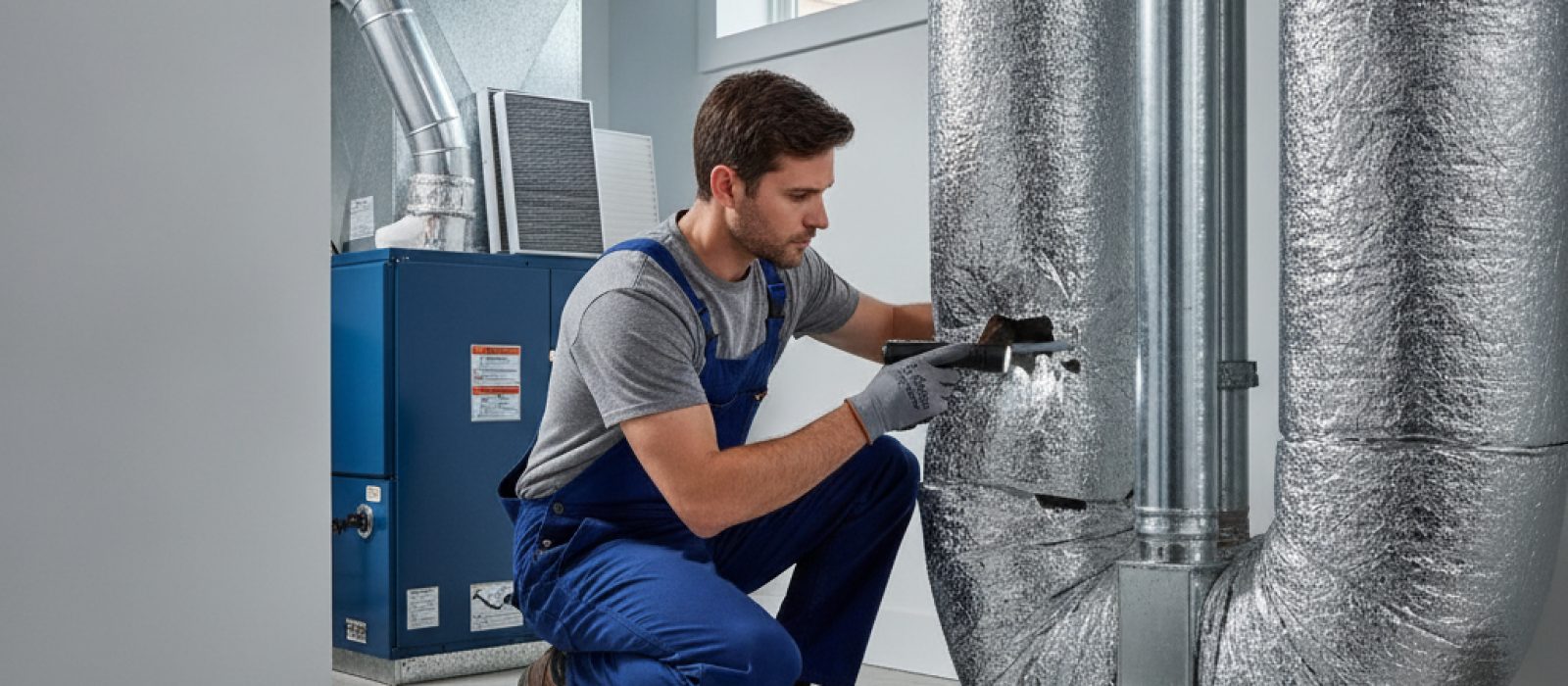
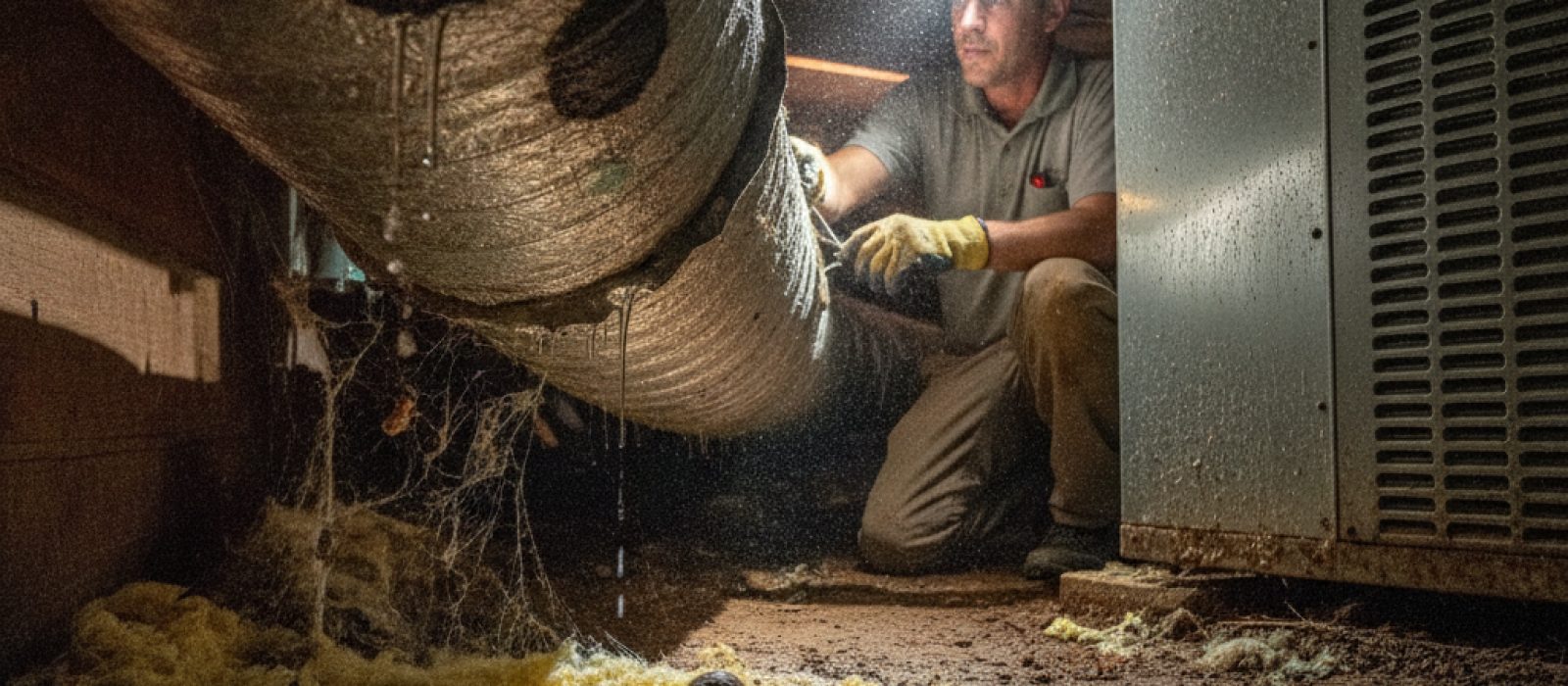
Ductwork Integrity: Maintaining the integrity of the ductwork, ensuring it's sealed and free from major leaks, is also generally a landlord's responsibility, as this impacts overall system efficiency and indoor air quality.
Tenant Responsibilities: Day-to-Day Care
While landlords handle the heavy lifting, tenants play a vital role in the day-to-day care and basic upkeep of the HVAC system. These actions are often outlined in the lease agreement and contribute significantly to the system's efficiency and longevity. Neglecting these simple tasks can sometimes lead to issues that the tenant might be held responsible for.
Changing Air Filters: This is arguably the most important and common tenant responsibility. Air filters should be checked monthly and replaced every 1-3 months, depending on factors like pets, allergies, and system usage. A dirty filter restricts airflow, reduces efficiency, and can even damage the system.
Maintaining Thermostat Settings: Tenants are responsible for setting the thermostat appropriately. While energy saving is encouraged, extreme settings (e.g., turning the AC off completely in summer when away for extended periods in humid climates) can sometimes lead to mold growth or put undue stress on the system when it's cranked back up.
Keeping Vents Clear: Ensure that all supply and return vents are unobstructed by furniture, rugs, or other items. Blocked vents impede airflow and can cause the system to work harder than necessary.
Reporting Issues Promptly: If you notice any unusual noises, smells, leaks, or a decrease in heating/cooling performance, it's crucial to report it to your landlord or property manager immediately. Early detection can prevent minor issues from becoming major, expensive repairs.
Outdoor Unit Clearance: If accessible, keep the outdoor condenser unit clear of debris, leaves, grass clippings, and shrubs. Allow for at least two feet of clearance around the unit for proper airflow.
The Lease Agreement: Your HVAC Blueprint
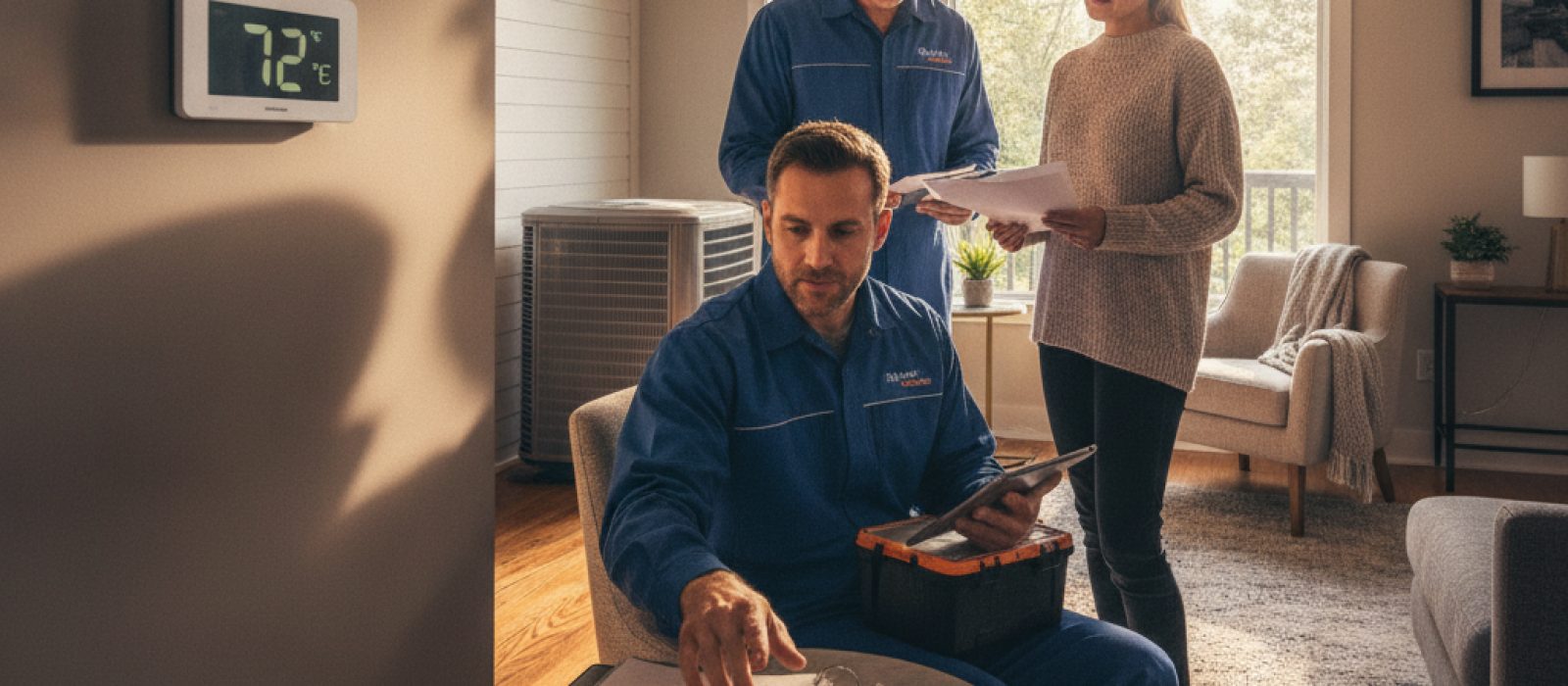
The most important document outlining HVAC responsibilities is your lease agreement. Always read it carefully before signing. It should explicitly state what the landlord is responsible for and what the tenant is expected to do. If anything is unclear, ask for clarification in writing before you move in.
A well-drafted lease will specify:
Who pays for professional maintenance.
Who is responsible for changing air filters (and sometimes, who provides them).
The process for reporting HVAC issues.
Guidelines regarding thermostat usage.
Why Shared Responsibility Matters
When both landlords and tenants understand and fulfill their respective HVAC responsibilities, everyone benefits:
Comfort: A well-maintained system provides consistent heating and cooling.
Lower Utility Bills: Efficient systems use less energy, which can mean lower bills for tenants (if utilities are separate).
System Longevity: Regular maintenance extends the life of expensive HVAC equipment.
Avoidance of Disputes: Clear roles minimize misunderstandings and potential conflicts.
Improved Indoor Air Quality: Clean filters and maintained systems contribute to healthier indoor air.
By working together, landlords and tenants can ensure the HVAC system in any rental property provides reliable, efficient, and comfortable indoor conditions for years to come.
#HVAC maintenance#Homeowner Tips#Rental Property#Landlord Responsibilities#Tenant Responsibilities#HVAC Care
Frequently asked questions
What are a landlord's main HVAC responsibilities?
Landlords are generally responsible for ensuring the HVAC system is functional at move-in, handling major repairs or replacements, scheduling professional seasonal maintenance, and maintaining ductwork integrity.
What are a tenant's main HVAC responsibilities?
Tenants are typically responsible for day-to-day care, including changing air filters, setting thermostats appropriately, keeping vents clear, reporting issues promptly, and ensuring the outdoor unit has proper clearance.
How often should a tenant change air filters?
Tenants should check air filters monthly and replace them every 1-3 months, depending on factors like pets, allergies, and system usage.
What should I do if my rental HVAC system stops working?
If you notice any unusual noises, smells, leaks, or a decrease in performance, you should report it to your landlord or property manager immediately.
Does the lease agreement specify HVAC responsibilities?
Yes, the lease agreement is the most important document outlining HVAC responsibilities for both landlords and tenants, and it should be read carefully.
Learn the function of the HVAC disconnect box, why it is vital for safety, and how to identify when this critical component requires professional attention.