Power Outage? How to Safely Restart Your HVAC System
4 min read
Understanding the Impact of Power Outages on Your HVAC
Power outages are more than just an inconvenience; they can sometimes affect the sensitive electronics and mechanical components of your home's heating, ventilation, and air conditioning (HVAC) system. When the power suddenly cuts out, your HVAC unit stops abruptly, and when it returns, there can be a surge or fluctuation in voltage. While modern HVAC systems are designed with some protective measures, it's always wise to take a few precautionary steps to ensure everything is running smoothly and safely after an outage.
Ignoring these steps could potentially lead to premature wear, tripped breakers, or even damage to your system's compressor or control board. Taking a few minutes to properly check your system can save you from costly repairs and ensure your home returns to comfortable temperatures without a hitch.
Initial Safety Checks Before Restarting
Before you even think about flipping switches, a few critical safety checks are in order. Your safety and the longevity of your HVAC system are paramount.
Confirm Stable Power: Ensure the power is fully restored and stable throughout your home. Are all lights bright and consistent? Are other appliances working normally without flickering or unusual noises?
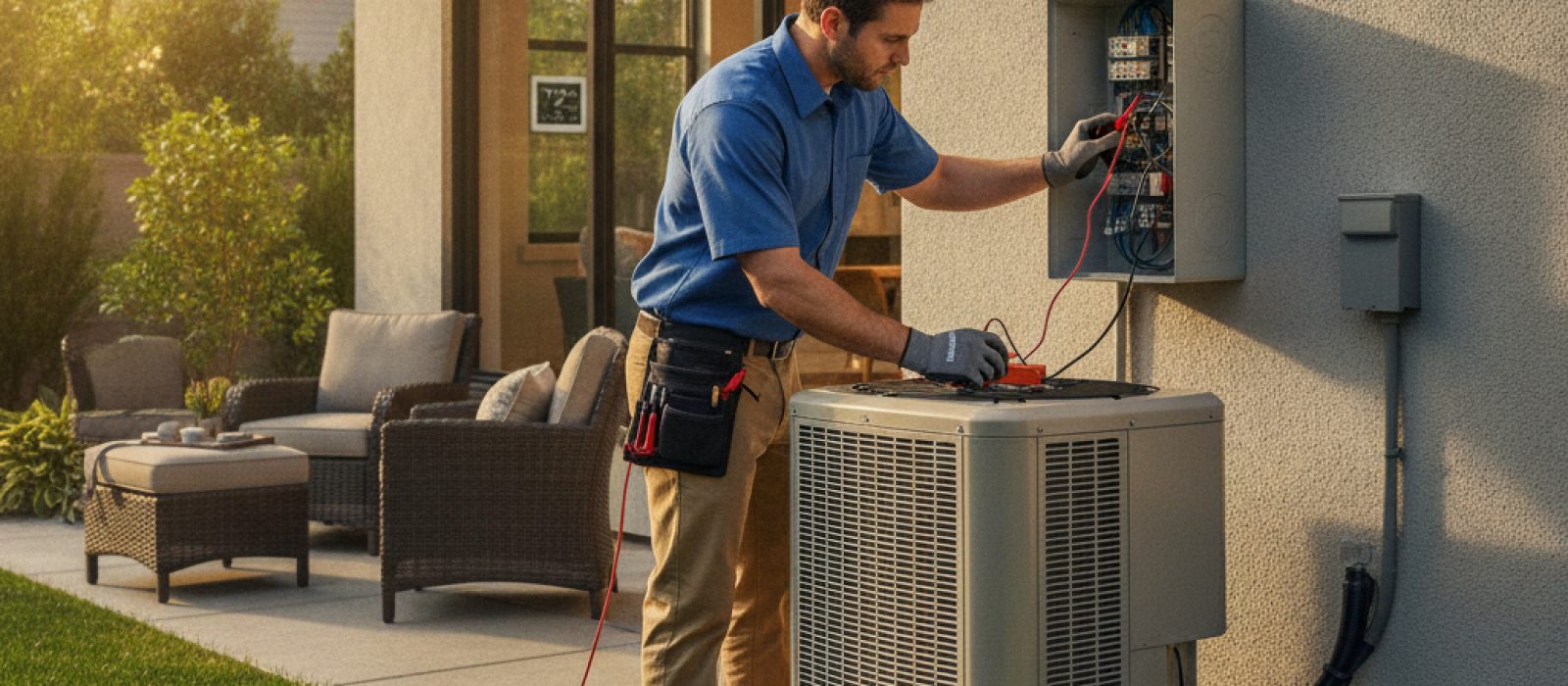
Check for Visible Damage: Take a quick look at your outdoor condenser unit and indoor furnace/air handler. Are there any visible signs of damage from the outage itself, such as fallen branches on the unit, or any loose wires?
Turn Off Thermostat: Go to your thermostat and switch it to the 'Off' position. This prevents the system from attempting to start immediately when power is restored, which can be stressful on components if the power is still unstable.
Locate Your Breaker Box: Find your home's electrical panel (breaker box). You'll need access to it for the next steps.
The Step-by-Step Restart Process
Once you've completed your initial safety checks, you can proceed with restarting your HVAC system. Patience is key here to avoid any sudden jolts to the system.
Step 1: Resetting Circuit Breakers
Even if your power seems stable, it's a good practice to manually reset the breakers associated with your HVAC system. This helps clear any minor electrical glitches that might have occurred during the outage.
Identify HVAC Breakers: In your electrical panel, locate the breakers labeled for your furnace/air handler and your outdoor condenser unit. These are often 240V double-pole breakers, meaning they are two switches tied together.
Flip Them Off, Then On: Firmly flip these breakers to the 'Off' position, then immediately back to the 'On' position. You might hear a small click.
Check Other Breakers: While you're there, quickly scan the rest of the breakers. If any others are tripped (often halfway between 'On' and 'Off'), reset those as well.
Step 2: Waiting Period
This step is crucial and often overlooked. After resetting the breakers, wait for at least 15-30 minutes before proceeding. This waiting period serves a couple of important purposes:
Compressor Protection: It allows the pressure within your outdoor air conditioning compressor to equalize. Attempting to restart the compressor too quickly after a power interruption can cause it to short-cycle, leading to strain and potential damage.
System Stabilization: It gives all internal controls and sensors in your HVAC system time to reset and stabilize properly after the power surge or interruption.
Step 3: Turning Your Thermostat Back On
Once the waiting period is over, you can return to your thermostat.
Set to 'Auto' and Desired Temperature: Switch your thermostat from 'Off' to 'Cool' or 'Heat' (depending on the season) and set the fan to 'Auto'. Then, adjust the temperature to your desired setting.
Observe and Listen: Your system should now attempt to start. Listen for familiar sounds: the hum of the fan, the click of the compressor engaging, and the movement of air through your vents.
Check for Airflow: Confirm that conditioned air (cool or warm) is flowing from your vents as expected.
When to Call a Professional
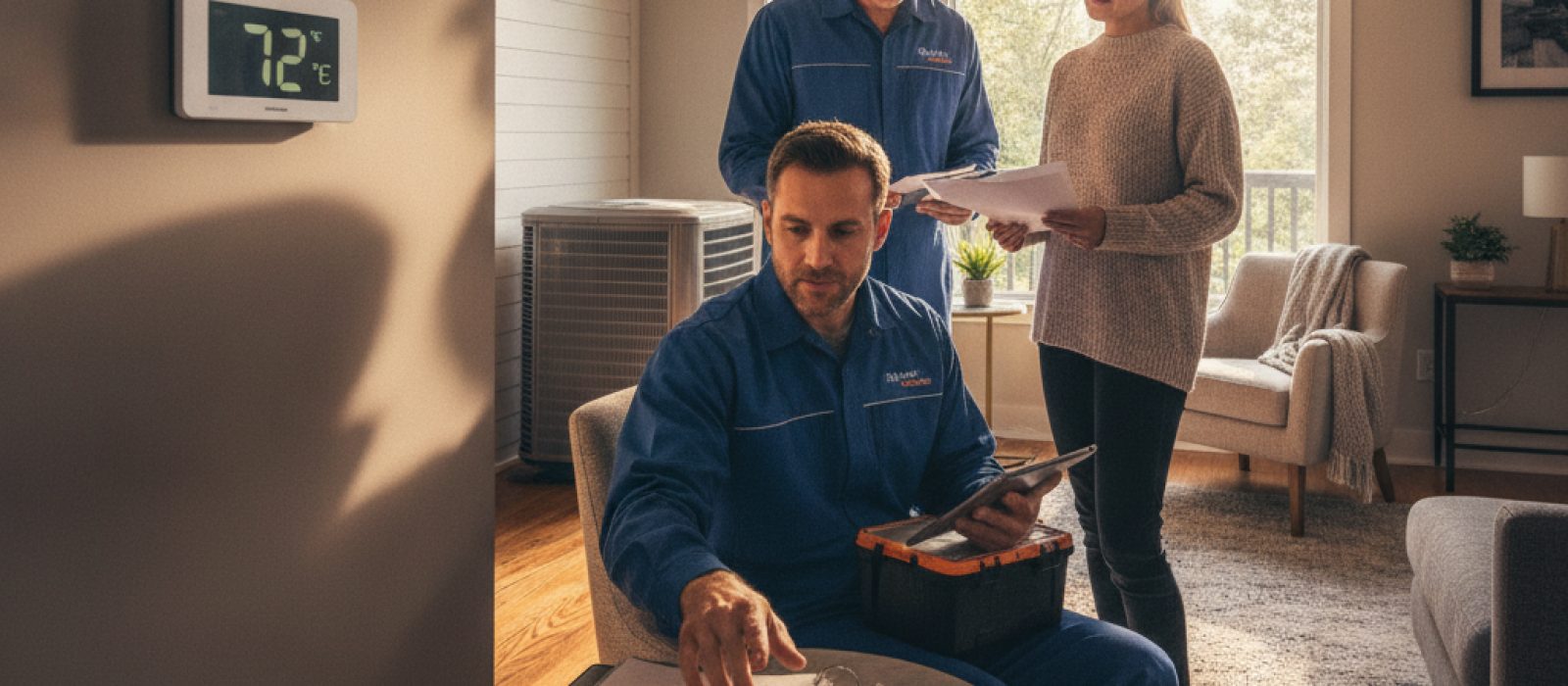
While many HVAC systems will restart without issue after a power outage, there are times when professional help is needed. Don't hesitate to call an HVAC technician if:
The System Doesn't Start: After following all the steps, your system remains unresponsive.
Unusual Noises or Smells: You hear grinding, clanking, or buzzing sounds, or smell burning odors.
No Conditioned Air: The fan runs, but the air coming out isn't cool or warm.
Repeated Tripped Breakers: The HVAC breaker trips again shortly after you reset it.
Thermostat Issues: Your thermostat isn't responding or displaying error codes.
A power outage can be unsettling, but with these simple steps, you can safely and effectively bring your HVAC system back online. Regular maintenance by a qualified professional also plays a significant role in ensuring your system's resilience against such disruptions. If in doubt, always err on the side of caution and contact a trusted HVAC service provider.
Why is it important to wait before restarting my HVAC after a power outage?
Waiting 15-30 minutes allows the pressure within your outdoor air conditioning compressor to equalize and gives internal controls time to reset, preventing strain and potential damage from short-cycling.
What are the initial safety checks I should perform before restarting my HVAC system?
Before restarting, confirm stable power throughout your home, check for visible damage to units, turn your thermostat to 'Off', and locate your home's electrical breaker box.
Should I reset my HVAC circuit breakers after a power outage?
Yes, it's a good practice to manually flip the breakers for your furnace/air handler and outdoor condenser unit off then on, even if power seems stable, to clear any minor electrical glitches.
What could happen if I restart my HVAC system too quickly after a power outage?
Restarting too quickly can lead to premature wear, tripped breakers, or potentially damage your system's compressor or control board due to unstable power or pressure imbalances.
Learn the function of the HVAC disconnect box, why it is vital for safety, and how to identify when this critical component requires professional attention.