
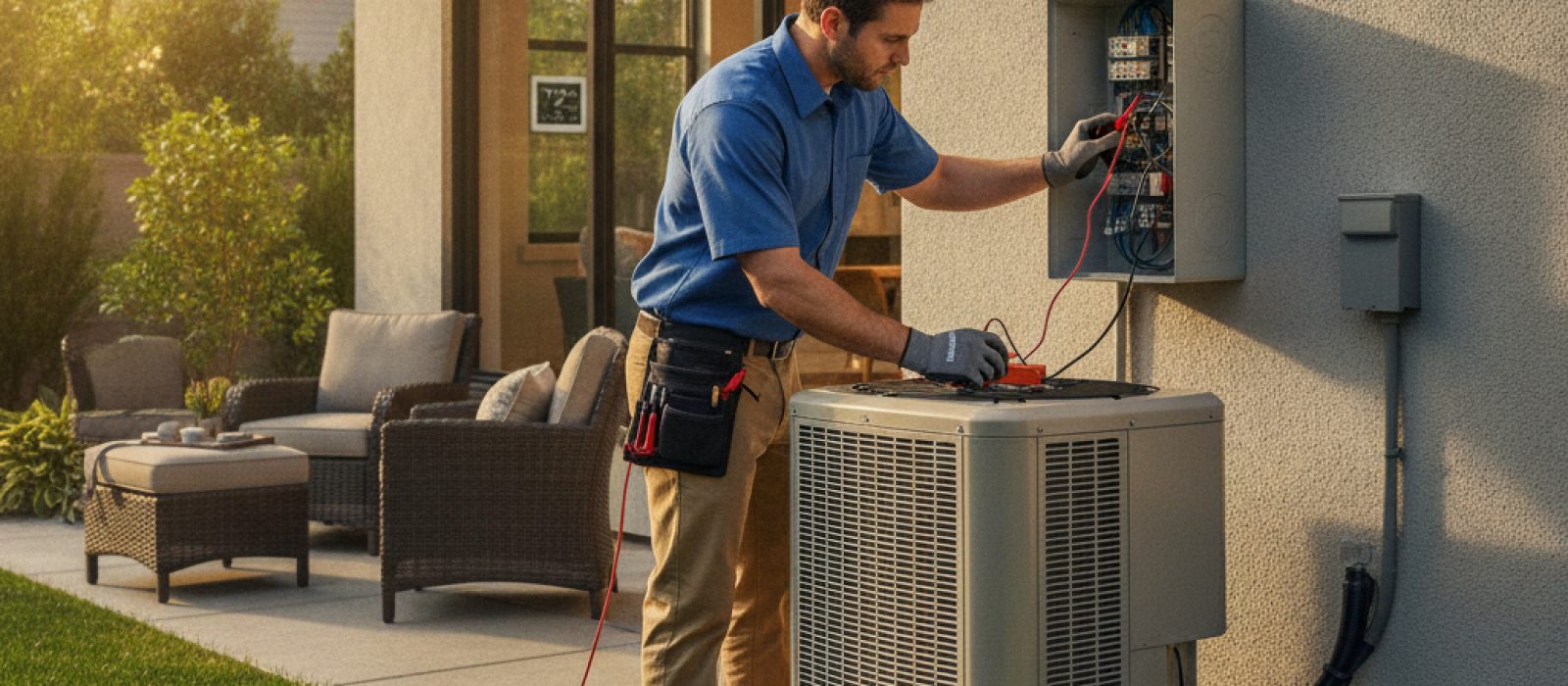
HVAC Disconnect Box: What It Is and Why It Matters
Learn the function of the HVAC disconnect box, why it is vital for safety, and how to identify when this critical component requires professional attention.
4 min read

Your home's air conditioning system is a marvel of modern comfort, and while you might only think about the thermostat inside, a crucial part of its operation happens outdoors. The large unit sitting on a concrete pad or mounted on your home's exterior is called the condenser unit, or simply, the outdoor unit. It plays a vital role in expelling heat from your home, making your indoor spaces cool and comfortable. Unfortunately, because it lives outside, it's constantly exposed to the elements: dirt, dust, leaves, pollen, grass clippings, and even small animals. Over time, this debris can accumulate, significantly impacting your AC's performance and efficiency.
A dirty outdoor unit has to work harder to do its job, leading to increased energy consumption, higher utility bills, and accelerated wear and tear on components. In severe cases, neglect can even lead to system breakdowns. Regular cleaning and protection aren't just about aesthetics; they're essential for extending your AC's lifespan and ensuring it runs smoothly all summer long. While some tasks are best left to HVAC professionals, there's plenty you can do as a homeowner to keep your outdoor unit in top shape.
Before you even think about touching your outdoor unit, safety must be your top priority. Electricity and water don't mix, and AC units contain powerful electrical components. Always follow these precautions:
Start by removing any large debris around the unit. This includes:
Use your garden hose on a gentle setting to rinse the outside of the unit. Avoid using high-pressure washers, as they can damage the delicate fins. Just a light rinse to remove loose dirt and dust is sufficient for now.
Most outdoor units have a protective grille on top. You'll likely need a screwdriver or nut driver to remove the screws holding it in place. Carefully lift the grille and set it aside. Be cautious of any wires connected to the fan motor.
Once the grille is off, you'll see the fan blades and the interior of the unit. Carefully wipe down the fan blades with a damp cloth to remove any grime. You can also use a soft brush to dislodge dirt from the bottom of the unit.
This is arguably the most critical step. The condenser coils are the metal fins that wrap around the unit. They are designed to dissipate heat, but when clogged with dirt, they can't do their job effectively.
Once everything is clean and dry, carefully replace the fan grille and secure it with its screws. Double-check that all connections are secure. Then, turn the power back on at the electrical disconnect and your main breaker panel.
Cleaning your unit once or twice a year (ideally in spring before heavy use and in fall after leaves drop) is a great start, but ongoing protection is also key:
By investing a little time in cleaning and protecting your outdoor AC unit, you'll enjoy more efficient cooling, lower energy bills, and a longer lifespan for your entire HVAC system. If you ever feel unsure or encounter a problem beyond basic cleaning, don't hesitate to contact a qualified HVAC professional.
Learn the function of the HVAC disconnect box, why it is vital for safety, and how to identify when this critical component requires professional attention.

Ensure long-term comfort and efficiency by asking the right questions about your home's ductwork design during the new construction process.
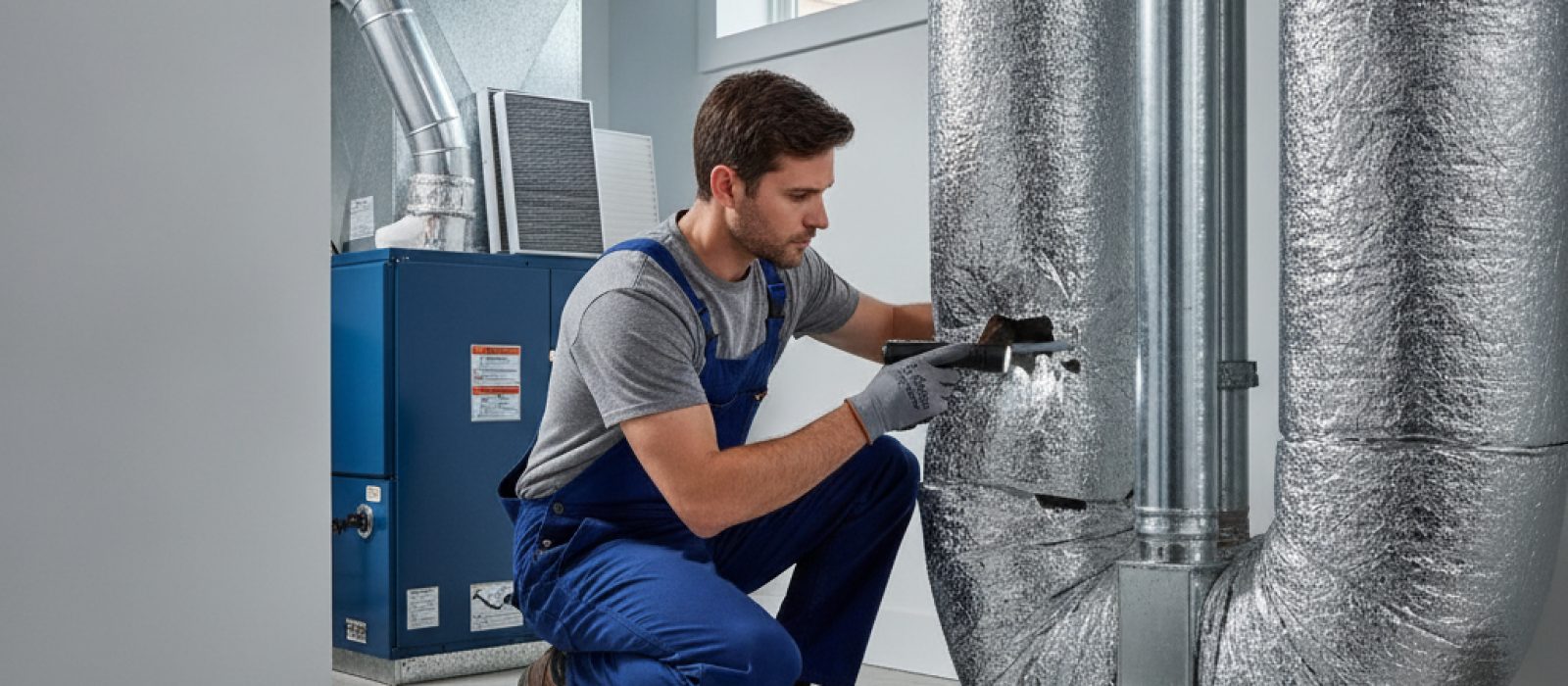
Discover the signs of rodent infestation in your HVAC system and learn how to identify, address, and prevent pest issues in your ductwork.
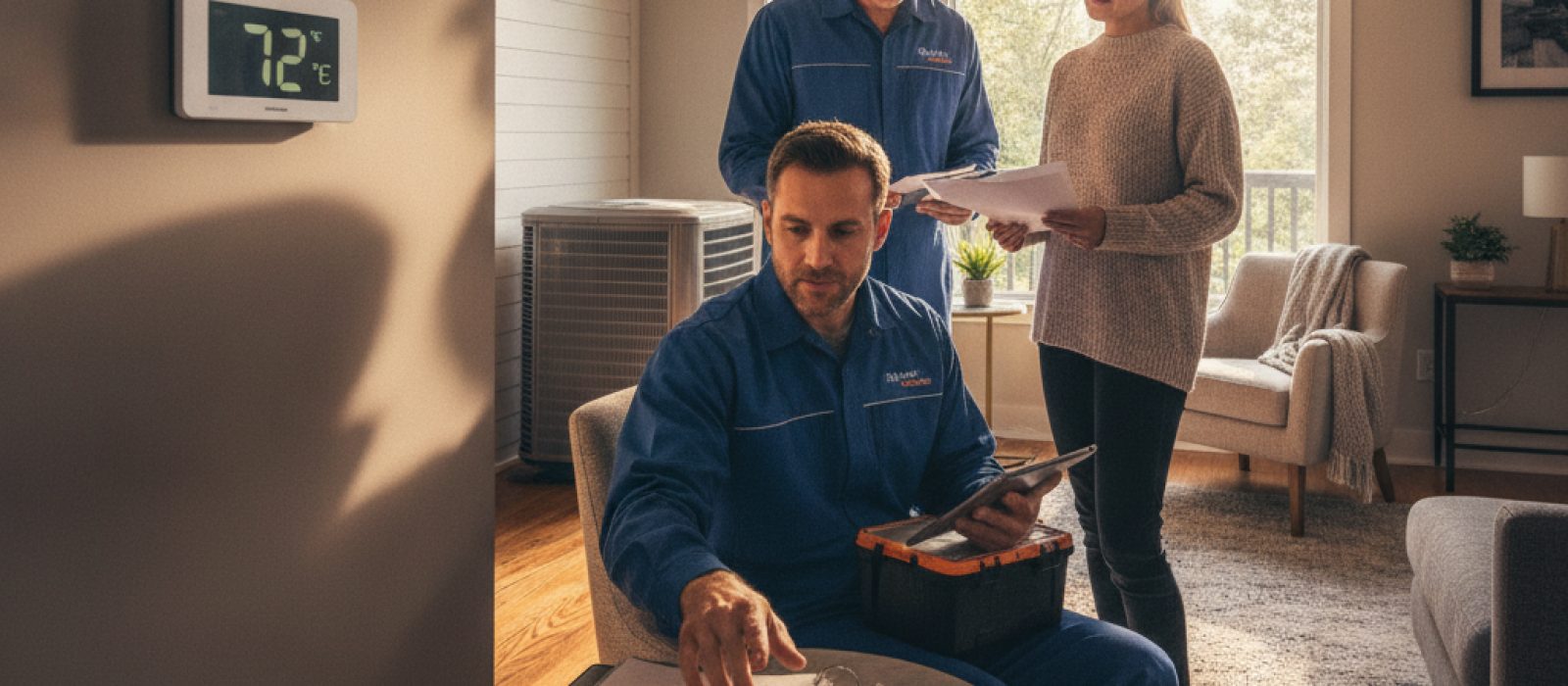
Learn why maintaining a detailed history of your HVAC service records protects your warranty, boosts resale value, and ensures system longevity.
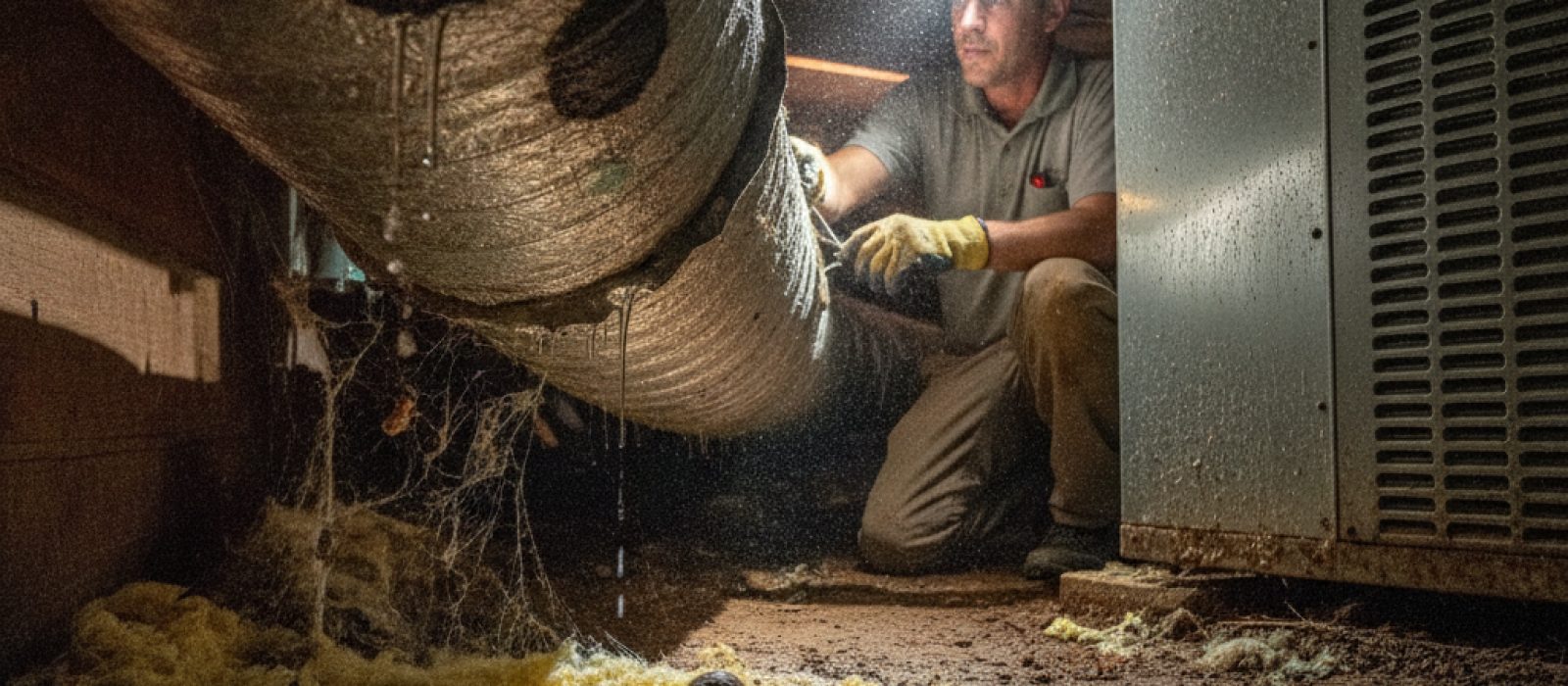
Learn how to identify and resolve common crawl space ductwork problems, including moisture buildup, pest intrusion, and damaged insulation.
Learn how upgrading or maintaining your HVAC registers and grilles can optimize home comfort, improve efficiency, and protect your indoor air quality.
Be the first to comment.