
HVAC Disconnect Box: What It Is and Why It Matters
Learn the function of the HVAC disconnect box, why it is vital for safety, and how to identify when this critical component requires professional attention.
5 min read

An HVAC system relies on a complex electrical network to function safely and efficiently. While mechanical performance often takes center stage, the electrical infrastructure—comprising breakers, disconnect boxes, and high-voltage wiring—is the backbone of the system. Regular maintenance of these components prevents premature failure and reduces the risk of electrical hazards in the home.
Homeowners can perform visual inspections to identify potential red flags, such as signs of overheating or physical damage. However, internal electrical diagnostics must be reserved for licensed professionals. Understanding how these parts interact is the first step in effective preventive maintenance.
The electrical panel serves as the central hub for all power distribution in a home. HVAC systems, particularly central air conditioners and electric furnaces, draw significant current and require dedicated circuits. These circuits are protected by circuit breakers designed to trip if the system draws too much power, preventing wires from overheating.
If a breaker trips repeatedly, it is a sign of a deeper issue rather than a simple glitch. Common causes for a tripped breaker include:
When a breaker trips, it is important to investigate the cause before resetting it. Repeatedly forcing a breaker to stay closed when it is designed to trip can lead to melted wires or fire hazards.
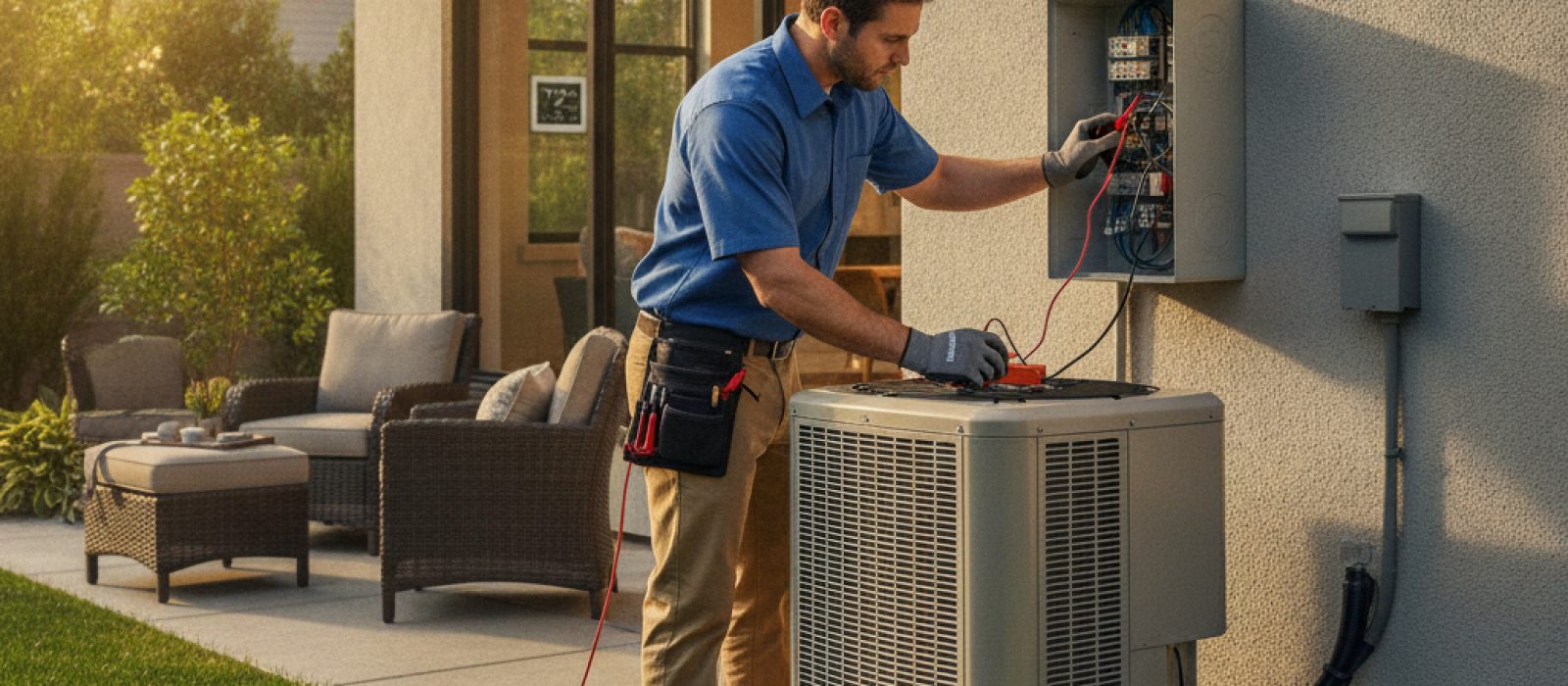
The disconnect box is a safety device located near the outdoor condenser unit. Its primary purpose is to provide a quick way to cut power to the unit during emergencies or routine maintenance. A standard inspection of the disconnect box involves checking for signs of environmental wear.
Look for the following during a visual scan:
If you notice the disconnect box is loose or pulling away from the wall, ensure the mounting hardware is secure. Never attempt to open the panel of the disconnect box to inspect the internal wiring, as this exposes live electricity.
The conduit is the protective tubing that carries electrical wires from the house to the HVAC unit. This conduit must remain intact to protect the wiring from physical damage, sunlight, and moisture. Over time, plastic conduits can become brittle from UV exposure, and metal conduits may rust.
Inspect the length of the conduit where it connects to the unit and the house. If you notice gaps or segments that have pulled apart, the internal wiring is vulnerable to the elements. This is a common point of failure that can lead to intermittent power issues. If the wiring itself appears frayed or exposed, you require immediate assistance from professionals who specialize in Electrical Services to ensure the system remains safe to operate.
While visual inspections are helpful, they cannot replace the precision of a professional audit. During routine Maintenance and Tune-up visits, a technician will use a multimeter to check voltage levels, measure amperage draw, and tighten electrical lugs that may have loosened due to thermal expansion and contraction. Loose connections are one of the most common causes of electrical failure in HVAC systems, as they create resistance and heat, eventually leading to charred wiring.
Comprehensive inspections also catch issues that aren't visible to the naked eye. For instance, a technician might identify a contactor that is pitting or a capacitor that is nearing the end of its service life. Addressing these components before they fail is essential for the long-term health of your Heating Services and AC Services.
Certain conditions demand an immediate halt to your DIY inspection. If you notice any of the following, turn off the system and call a technician:
These symptoms indicate that a component has failed or is in the process of failing. Attempting to repair these issues without the proper training and diagnostic tools can result in serious injury or permanent damage to your HVAC equipment.
Proactive care is the best strategy for avoiding electrical problems. Keep the area around your outdoor unit clear of vegetation and debris to ensure the disconnect box remains accessible and dry. If you are planning an upgrade or renovation, ensure your electrical panel is capable of handling the load of your current system. If you suspect your system is struggling, scheduling timely Maintenance and Tune-up sessions ensures that your system stays within manufacturer specifications, ultimately prolonging the lifespan of your HVAC investment.
Learn the function of the HVAC disconnect box, why it is vital for safety, and how to identify when this critical component requires professional attention.
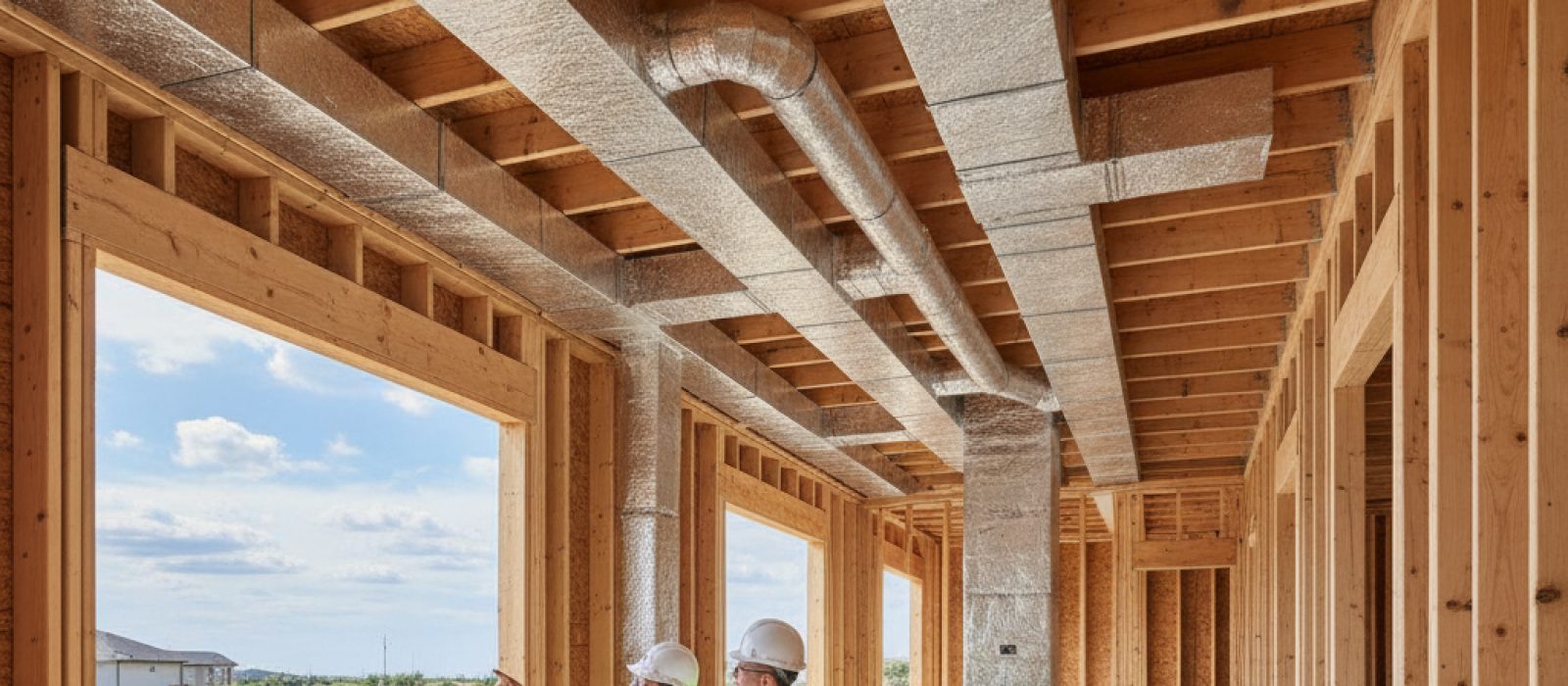
Ensure long-term comfort and efficiency by asking the right questions about your home's ductwork design during the new construction process.
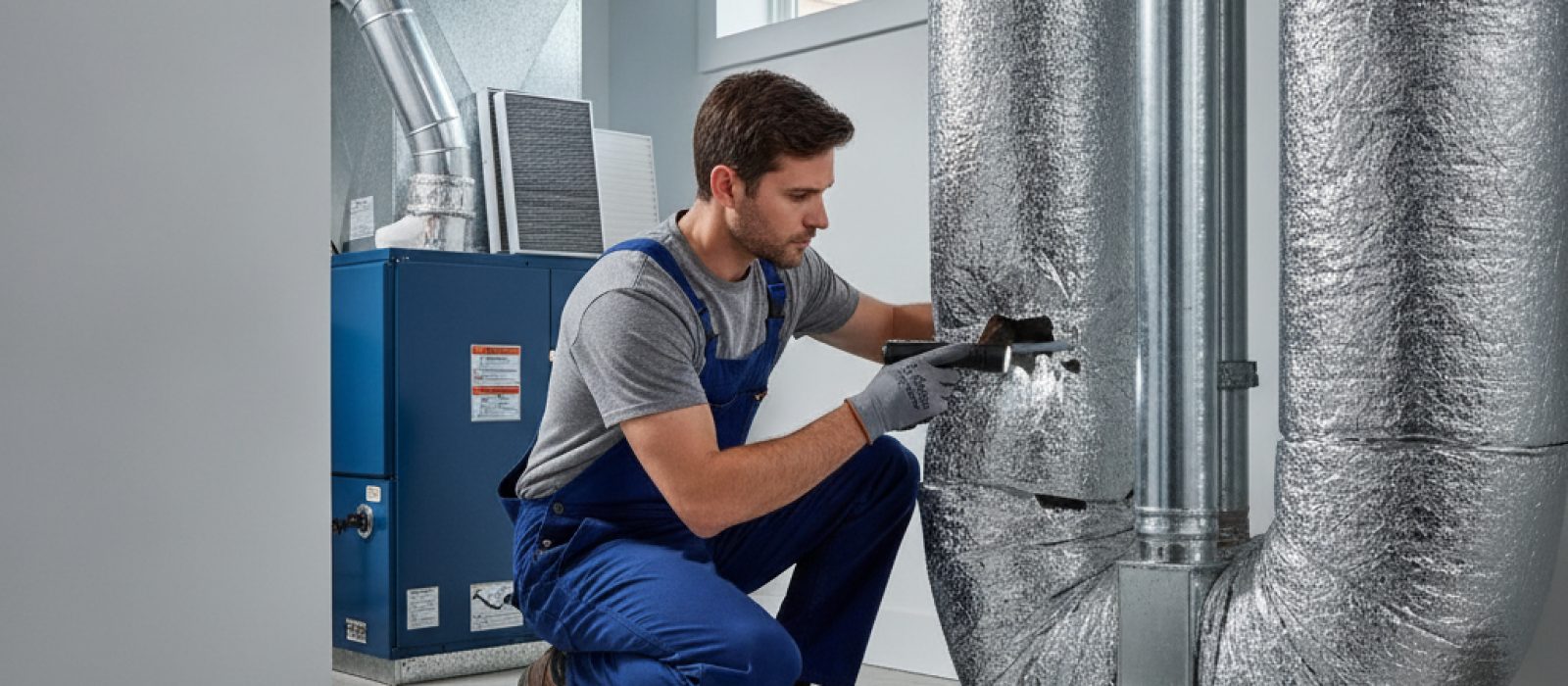
Discover the signs of rodent infestation in your HVAC system and learn how to identify, address, and prevent pest issues in your ductwork.
Learn why maintaining a detailed history of your HVAC service records protects your warranty, boosts resale value, and ensures system longevity.
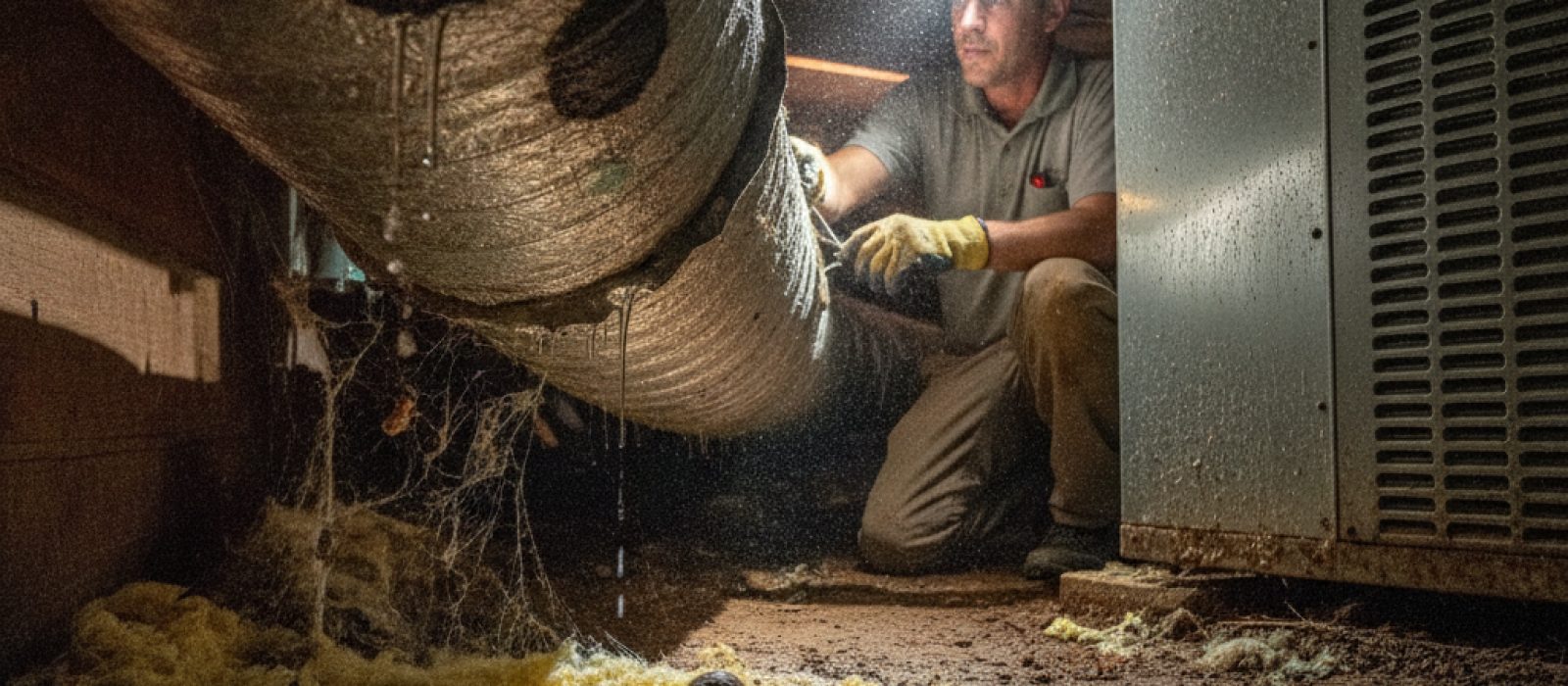
Learn how to identify and resolve common crawl space ductwork problems, including moisture buildup, pest intrusion, and damaged insulation.

Learn how upgrading or maintaining your HVAC registers and grilles can optimize home comfort, improve efficiency, and protect your indoor air quality.
Be the first to comment.