
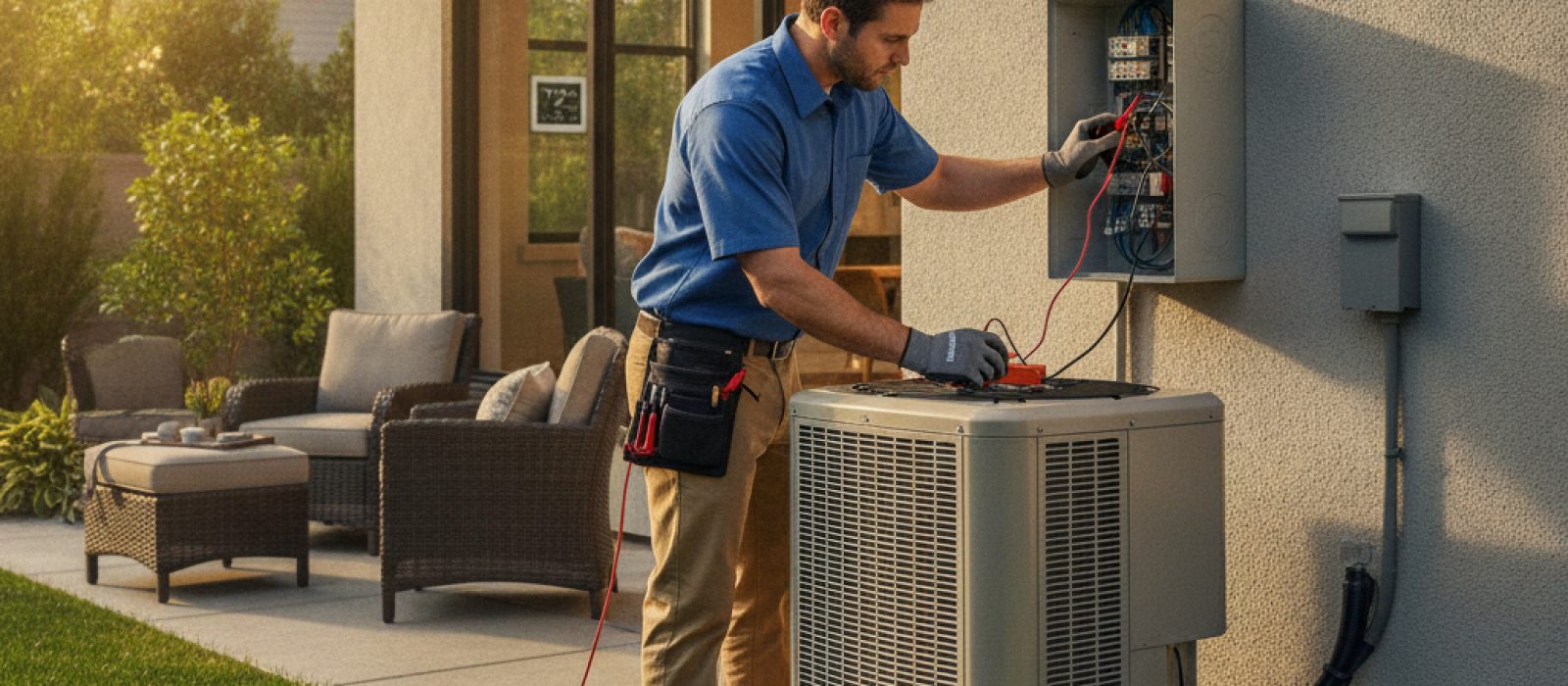
HVAC Disconnect Box: What It Is and Why It Matters
Learn the function of the HVAC disconnect box, why it is vital for safety, and how to identify when this critical component requires professional attention.
4 min read

Your home's HVAC system is a complex network designed to keep you comfortable year-round. While the furnace and air conditioner often get the spotlight, there's a small, often overlooked component that plays a monumental role in your home's air quality and system efficiency: the air filter. Think of it as the lungs of your HVAC system, tirelessly working to trap dust, pollen, pet dander, and other airborne particles before they circulate throughout your home or damage sensitive internal components.
Regularly changing your HVAC air filter isn't just about breathing easier; it's crucial for maintaining your system's health, prolonging its lifespan, and keeping your energy bills in check. A clogged filter restricts airflow, forcing your HVAC system to work harder, consume more energy, and potentially lead to costly breakdowns. So, the big question is: how often should you change it?
For most residential homes, a good baseline recommendation is to check and potentially replace your HVAC air filter every 1 to 3 months. However, this is a general guideline, and several factors can significantly influence how frequently your specific filter needs changing.
Understanding these variables will help you tailor a filter replacement schedule that's right for your home:
Beyond the calendar, your HVAC system itself might give you clues:
Changing your filter is typically a straightforward task that most homeowners can do themselves:
Changing your HVAC air filter regularly is one of the easiest and most cost-effective ways to ensure your home's comfort, protect your HVAC investment, and maintain healthy indoor air quality. By paying attention to the factors unique to your home and being vigilant for the signs of a dirty filter, you can establish an optimal replacement schedule. If you're ever unsure about which filter type is best for your system or if you suspect a deeper issue, don't hesitate to contact a qualified HVAC professional.
Learn the function of the HVAC disconnect box, why it is vital for safety, and how to identify when this critical component requires professional attention.

Ensure long-term comfort and efficiency by asking the right questions about your home's ductwork design during the new construction process.
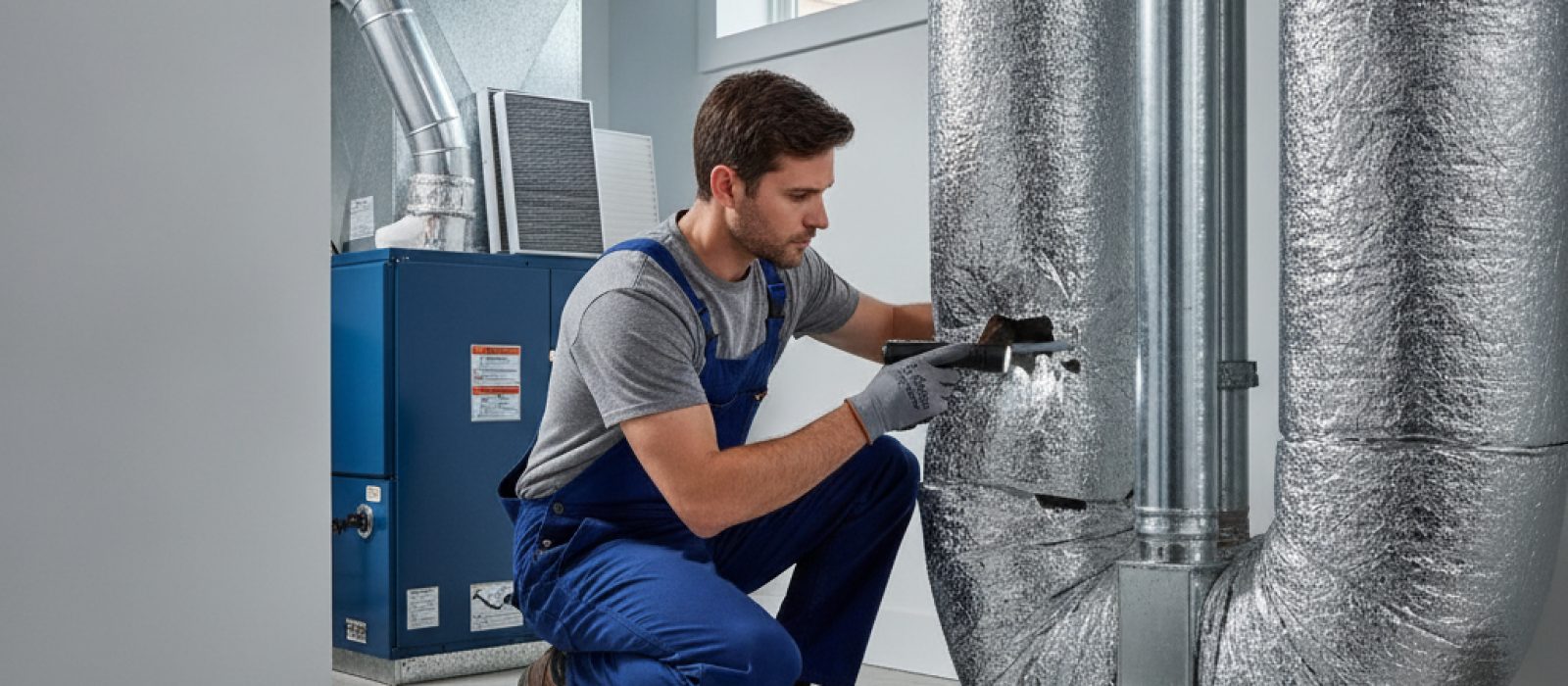
Discover the signs of rodent infestation in your HVAC system and learn how to identify, address, and prevent pest issues in your ductwork.
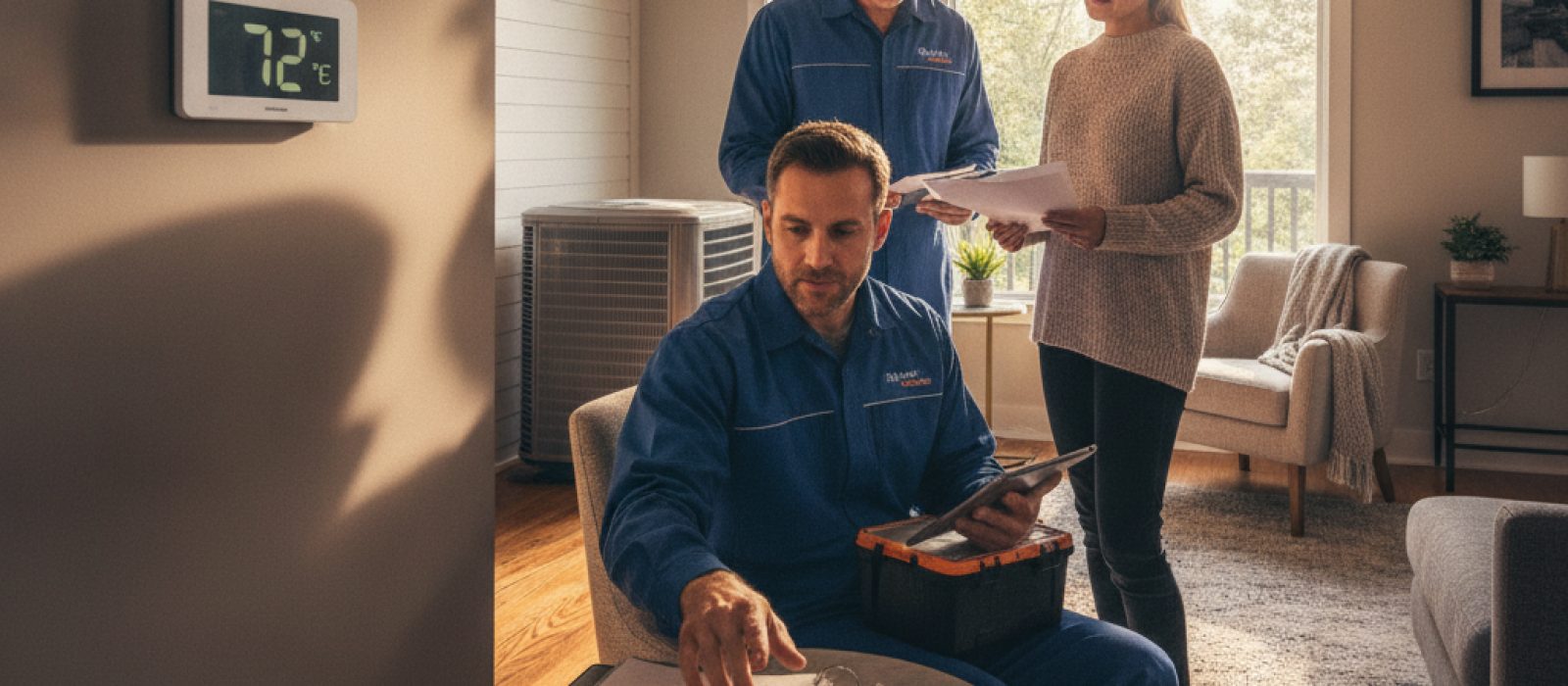
Learn why maintaining a detailed history of your HVAC service records protects your warranty, boosts resale value, and ensures system longevity.
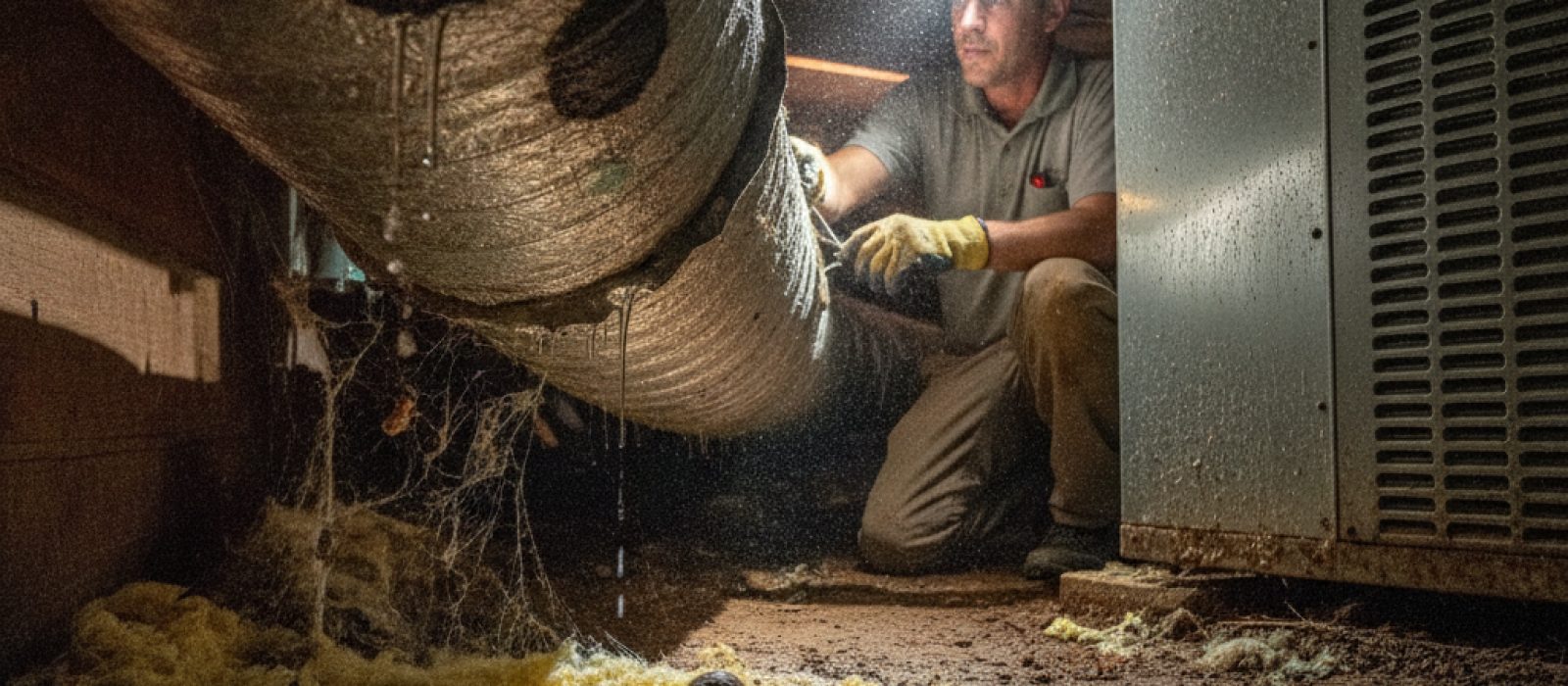
Learn how to identify and resolve common crawl space ductwork problems, including moisture buildup, pest intrusion, and damaged insulation.
Learn how upgrading or maintaining your HVAC registers and grilles can optimize home comfort, improve efficiency, and protect your indoor air quality.
Be the first to comment.