
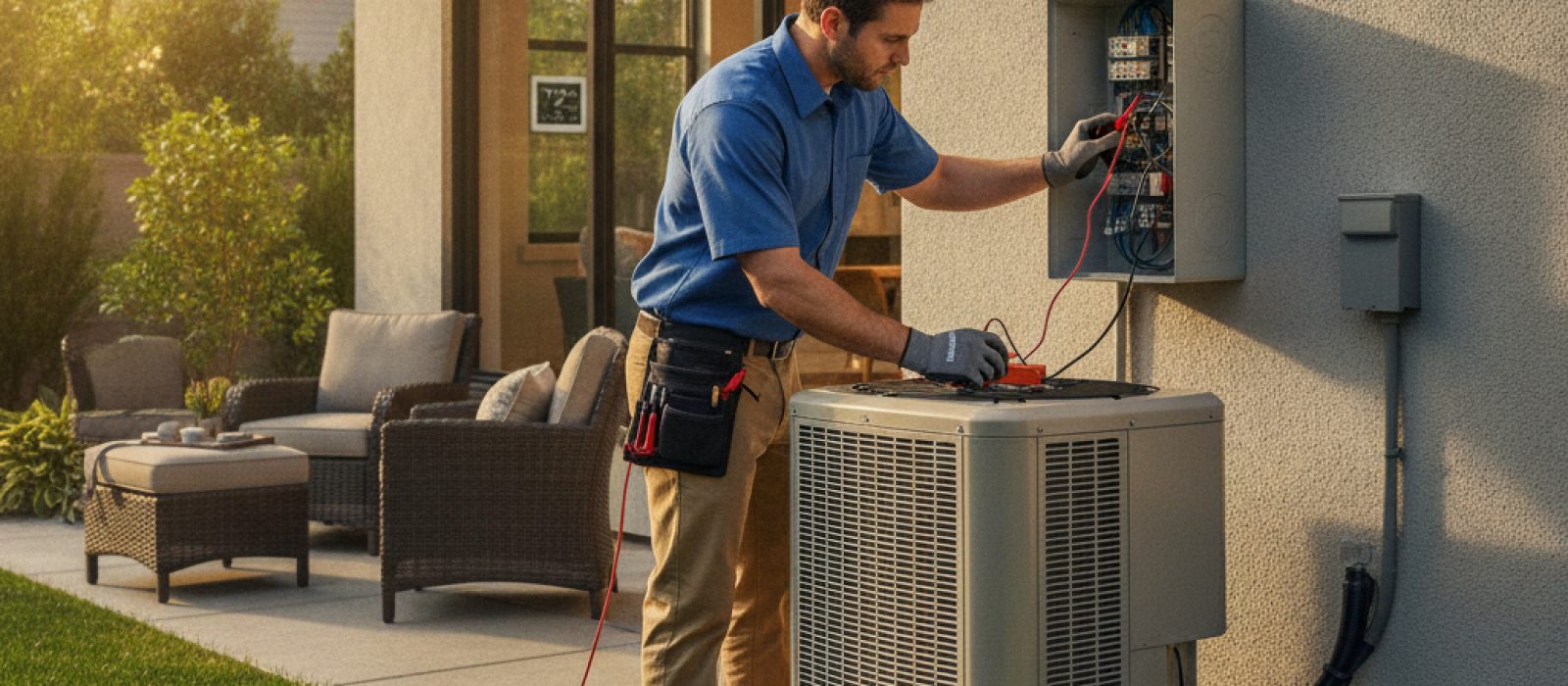
HVAC Disconnect Box: What It Is and Why It Matters
Learn the function of the HVAC disconnect box, why it is vital for safety, and how to identify when this critical component requires professional attention.
4 min read

Most residential HVAC systems are designed to provide consistent comfort for 15 to 20 years, though the actual lifespan depends heavily on regional climate, usage patterns, and the consistency of professional care. Homeowners often wonder if a system is nearing the end of its life when repair costs begin to climb or efficiency drops noticeably. Understanding these timelines helps in planning for future replacements rather than reacting to a total system failure.
Different components within an HVAC infrastructure experience varying levels of wear. Cooling systems, which are often used heavily during summer months, face different stresses than heating equipment.
A standard central air conditioning unit typically lasts between 12 and 15 years. Because these systems cycle frequently during hot months, the compressor—the heart of the unit—endures significant mechanical stress. Regular Maintenance & Tune-up visits are critical to ensuring the refrigerant levels remain balanced and the coils stay clean, which prevents the compressor from overworking.
Gas furnaces are generally robust, often lasting 15 to 20 years. Their longevity is tied to the integrity of the heat exchanger, which must be inspected annually for cracks or corrosion. If the heat exchanger fails, the unit typically requires immediate replacement for safety reasons. Regular Furnace Services help identify these issues long before they become a hazard.
Heat pumps function as both heating and cooling systems, meaning they run year-round. Because they operate more frequently than dedicated furnaces or air conditioners, their lifespan is often slightly shorter, typically ranging from 12 to 15 years. Consistent Heat Pumps care is essential to manage the increased operational hours.
The duration of an HVAC system's life is rarely determined by age alone. Environmental factors and installation quality play massive roles in determining whether a system meets or exceeds its expected lifespan.
While age is a primary indicator, performance symptoms often signal that a system is reaching its limit. Homeowners should observe how their equipment behaves during daily operation.
If the cost of a single repair begins to approach a significant percentage of the cost of a new system, it is often more economical to consider a replacement. Repeated failures of different components suggest that the entire assembly is suffering from general fatigue.
As internal components wear down, they require more energy to produce the same amount of heating or cooling. If monthly energy costs are climbing despite regular maintenance, the system’s efficiency has likely degraded past the point of cost-effective operation.
While some noise is normal, grinding, squealing, or rattling sounds often indicate mechanical failure. Similarly, burning odors or persistent musty smells may suggest electrical issues or mold growth within the unit or ductwork. In such cases, professional Indoor Air Quality assessments can determine if the system is contributing to comfort or health issues.
The most effective way to reach the upper limit of an HVAC system’s lifespan is through a strict maintenance schedule. A professional technician can catch small problems before they cause cascading damage to other parts of the system.
Homeowners can assist in this process by keeping the area around the outdoor unit clear of debris, grass, and foliage, which allows for proper airflow. Indoors, changing air filters on a schedule recommended by the manufacturer is the single most important task a homeowner can perform. When the system struggles to pull air through a clogged filter, the blower motor works harder, increasing the likelihood of an early breakdown.
Deciding to replace an aging system is a major decision. Beyond age and repair costs, consider the current reliability of the unit. If the system frequently fails during extreme weather, the inconvenience and potential for emergency service calls may outweigh the cost of a new, more reliable installation. Consult with a professional to discuss Energy Efficient Solutions that might offer better performance and lower long-term operating costs compared to aging, outdated equipment.
Learn the function of the HVAC disconnect box, why it is vital for safety, and how to identify when this critical component requires professional attention.
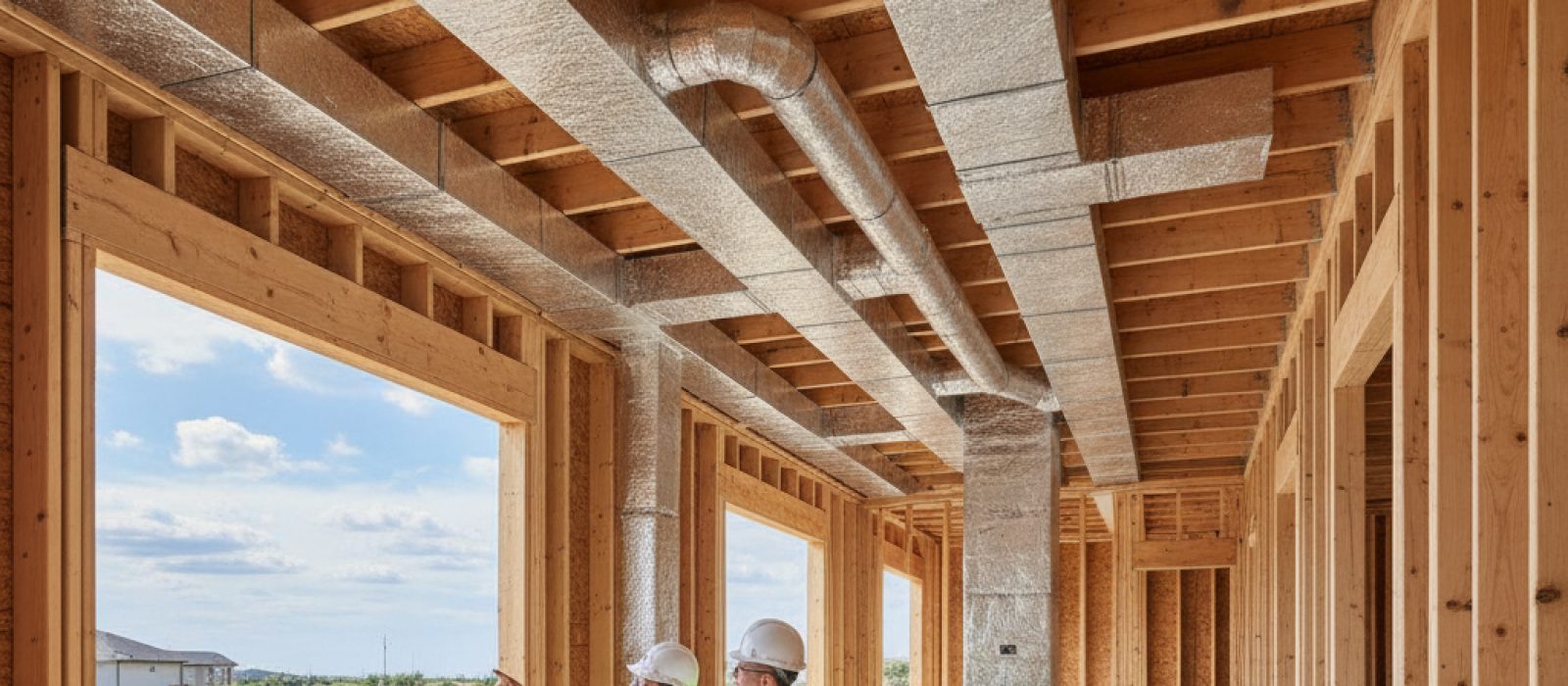
Ensure long-term comfort and efficiency by asking the right questions about your home's ductwork design during the new construction process.
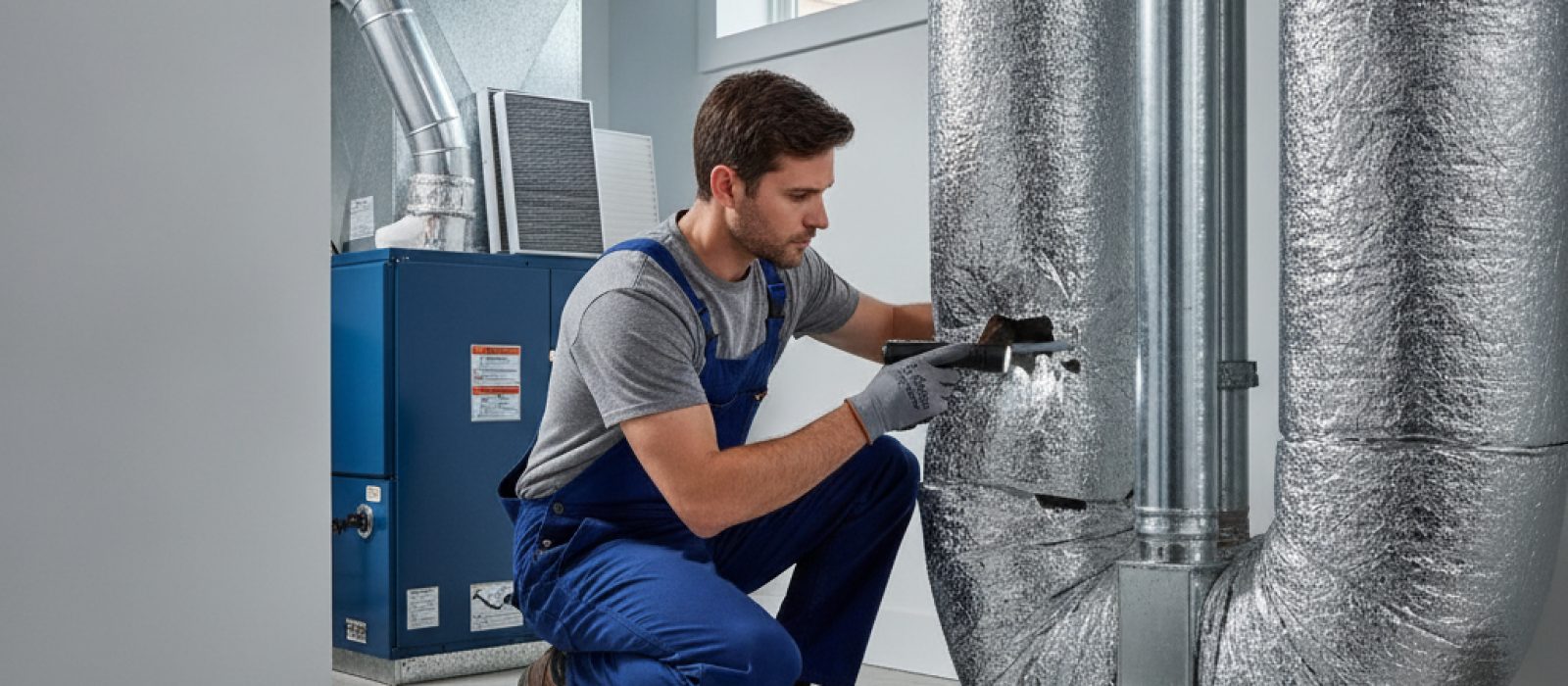
Discover the signs of rodent infestation in your HVAC system and learn how to identify, address, and prevent pest issues in your ductwork.
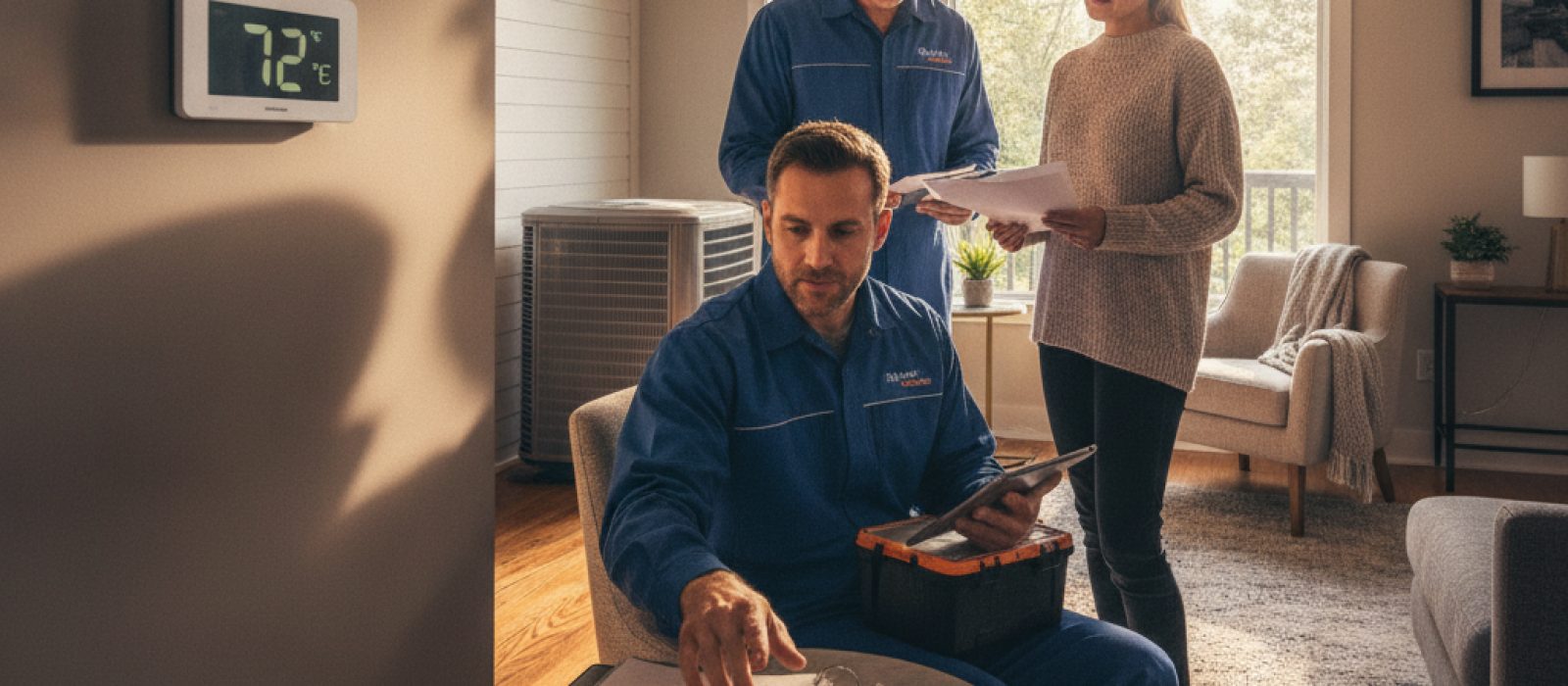
Learn why maintaining a detailed history of your HVAC service records protects your warranty, boosts resale value, and ensures system longevity.
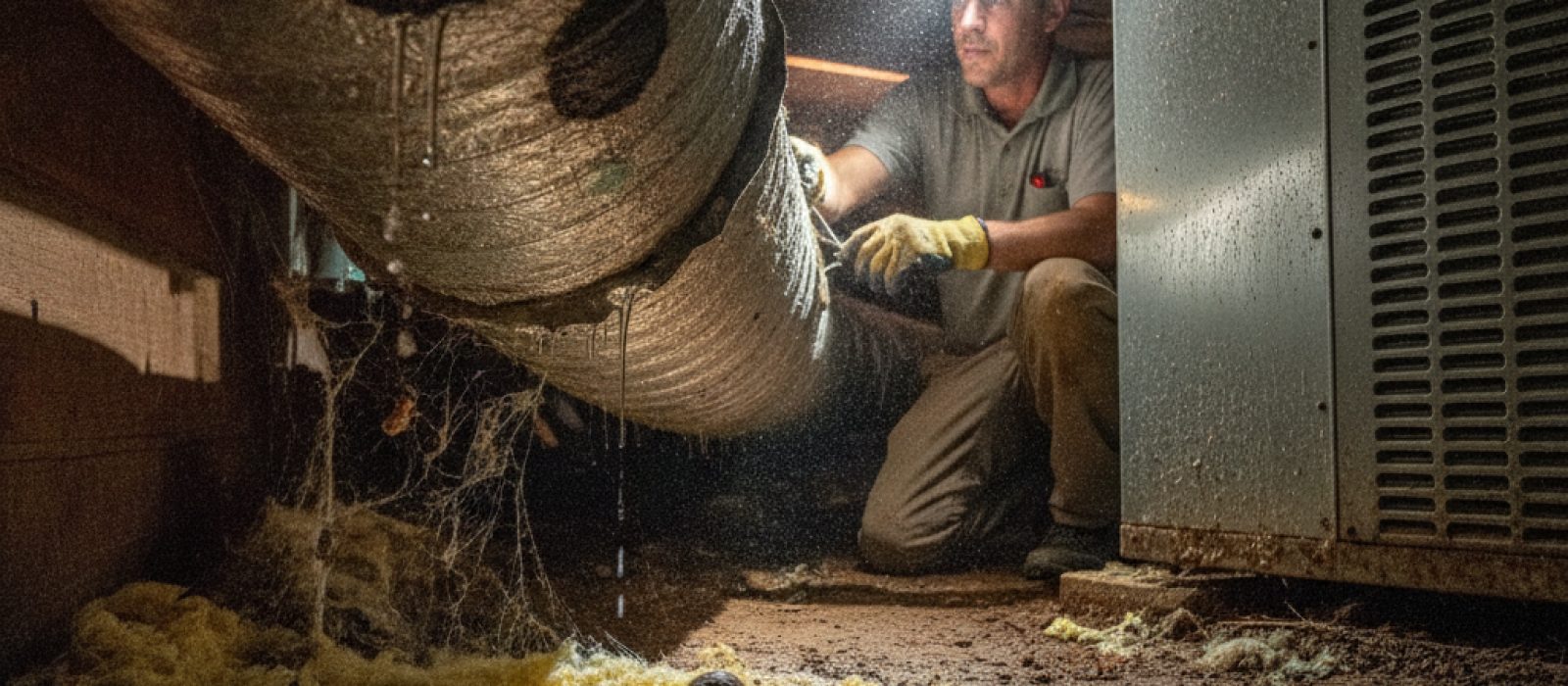
Learn how to identify and resolve common crawl space ductwork problems, including moisture buildup, pest intrusion, and damaged insulation.
Learn how upgrading or maintaining your HVAC registers and grilles can optimize home comfort, improve efficiency, and protect your indoor air quality.
Be the first to comment.