

HVAC Disconnect Box: What It Is and Why It Matters
Learn the function of the HVAC disconnect box, why it is vital for safety, and how to identify when this critical component requires professional attention.
4 min read

Ductwork acts as the circulatory system of a home, moving conditioned air from the furnace or air conditioner to every room. Homeowners often encounter two primary material types during Ductwork Services: flexible (flex) duct and rigid metal duct. Choosing between these materials involves balancing installation logistics, airflow efficiency, and long-term maintenance requirements.
Flexible duct consists of a wire helix coil encapsulated in a flexible, insulated polymer or metallic film. Its primary advantage is versatility. Because it can bend around obstacles in tight attic spaces or cramped crawlspaces, installation is often faster and less labor-intensive than rigid alternatives. This makes it a frequent choice for connecting main trunk lines to individual supply registers.
Maintenance is a critical concern for flexible ductwork. Due to its corrugated interior surface, flex duct can trap dust and debris more easily than smooth-walled metal. When performing Air Duct Cleaning, technicians must use specialized equipment, as the soft walls of flexible duct are susceptible to tearing or puncturing if handled too aggressively. Over time, the outer jacket may degrade if exposed to extreme temperatures or pests, necessitating professional inspection to ensure the insulation remains intact.
Rigid metal ductwork is typically fabricated from galvanized steel or aluminum. These ducts are smooth-walled, providing the least amount of resistance to airflow. Because they are rigid, they require precise planning during installation to navigate the home's framing. They are often used for the main trunk lines that run from the central HVAC unit, acting as the backbone of the system.
Metal ducts are highly durable and resistant to punctures, making them ideal for areas of the home that are frequently accessed. The smooth interior surfaces minimize friction, which can improve the overall efficiency of the air delivery system. When combined with proper sealing techniques, metal ducts are less prone to the air leakage issues that can plague poorly installed flexible connections. Maintenance for metal ducts is generally more straightforward, as the rigid structure can withstand standard cleaning brushes and vacuum systems without risk of structural damage.
Efficiency in an HVAC system is largely dictated by how well air is contained and how easily it moves through the pipes. Flexible ductwork, if compressed, kinked, or sagging, creates significant resistance that makes the system work harder to deliver air. This increased static pressure can lead to uneven temperatures in different rooms and put unnecessary strain on the blower motor.
Metal ductwork, while superior in terms of airflow, is susceptible to heat gain or loss if not properly insulated. In unconditioned spaces like attics, metal ducts must be wrapped with high-quality insulation to prevent the air inside from changing temperature before reaching its destination. Both systems rely on proper sealing at joints and transitions; without it, even the most expensive duct material will fail to provide optimal energy efficiency.
Regardless of the material, all ductwork requires periodic Maintenance & Tune-up to ensure system longevity. Homeowners should regularly check for signs of sagging in flex ducts, which often indicates that the support strapping has failed. For metal ducts, visual inspections should focus on the joints where sections connect; if tape or mastic sealant is peeling, air is likely escaping into unconditioned spaces.
If you suspect that your system is underperforming, it is best to consult with a professional. While homeowners can perform basic visual inspections, sealing leaks or repairing duct damage requires specific materials and knowledge of airflow dynamics. Engaging in professional Ductwork Services ensures that any repairs do not inadvertently restrict airflow or compromise the integrity of the system.
It is common for residential systems to utilize a hybrid approach. The main trunk lines are typically constructed from rigid metal to provide a robust foundation for the system, while flexible ducts are used as 'runs' to connect the trunk to individual registers. This hybrid configuration leverages the durability and airflow efficiency of metal where it matters most, while utilizing the adaptability of flex duct to navigate the final, complex path into a room. Keeping this hybrid system clean and sealed is essential for maintaining consistent Indoor Air Quality throughout the living space.
Learn the function of the HVAC disconnect box, why it is vital for safety, and how to identify when this critical component requires professional attention.

Ensure long-term comfort and efficiency by asking the right questions about your home's ductwork design during the new construction process.
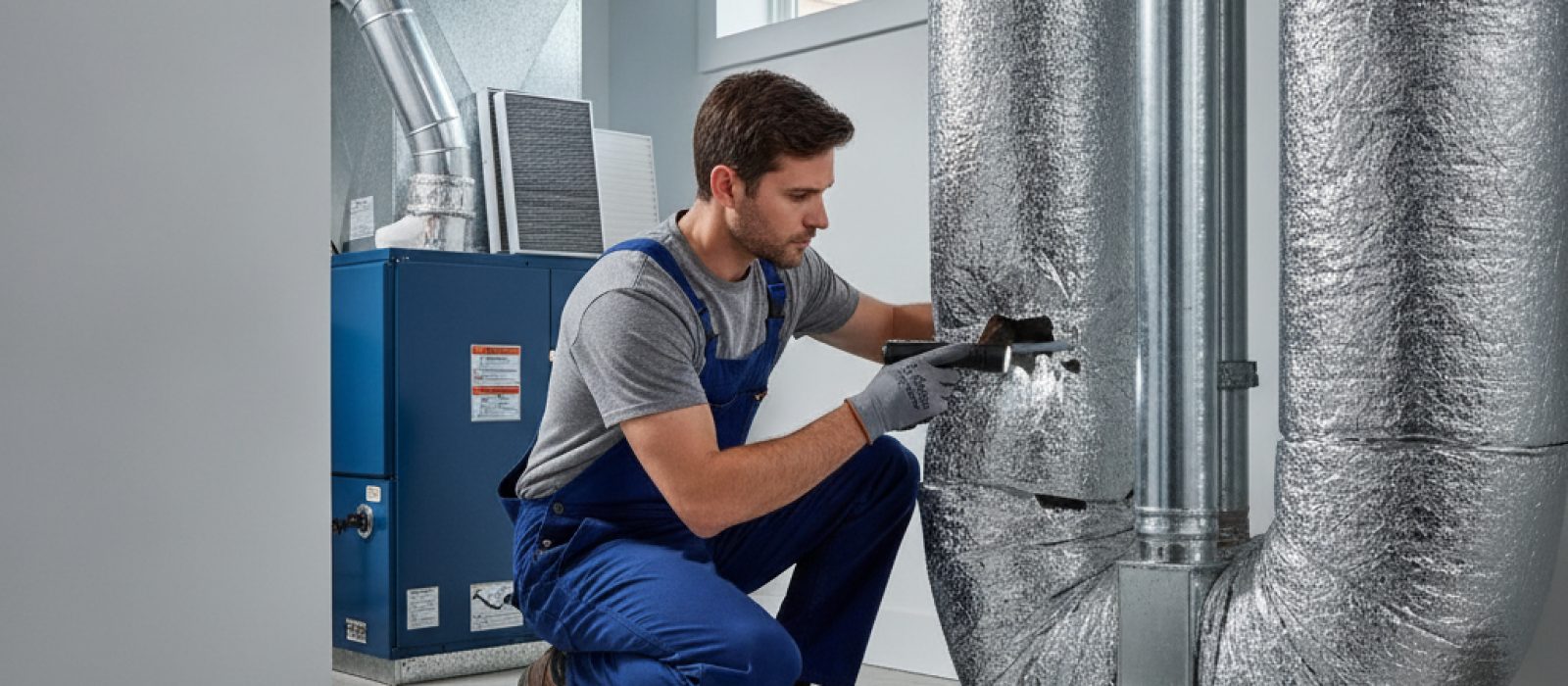
Discover the signs of rodent infestation in your HVAC system and learn how to identify, address, and prevent pest issues in your ductwork.

Learn why maintaining a detailed history of your HVAC service records protects your warranty, boosts resale value, and ensures system longevity.
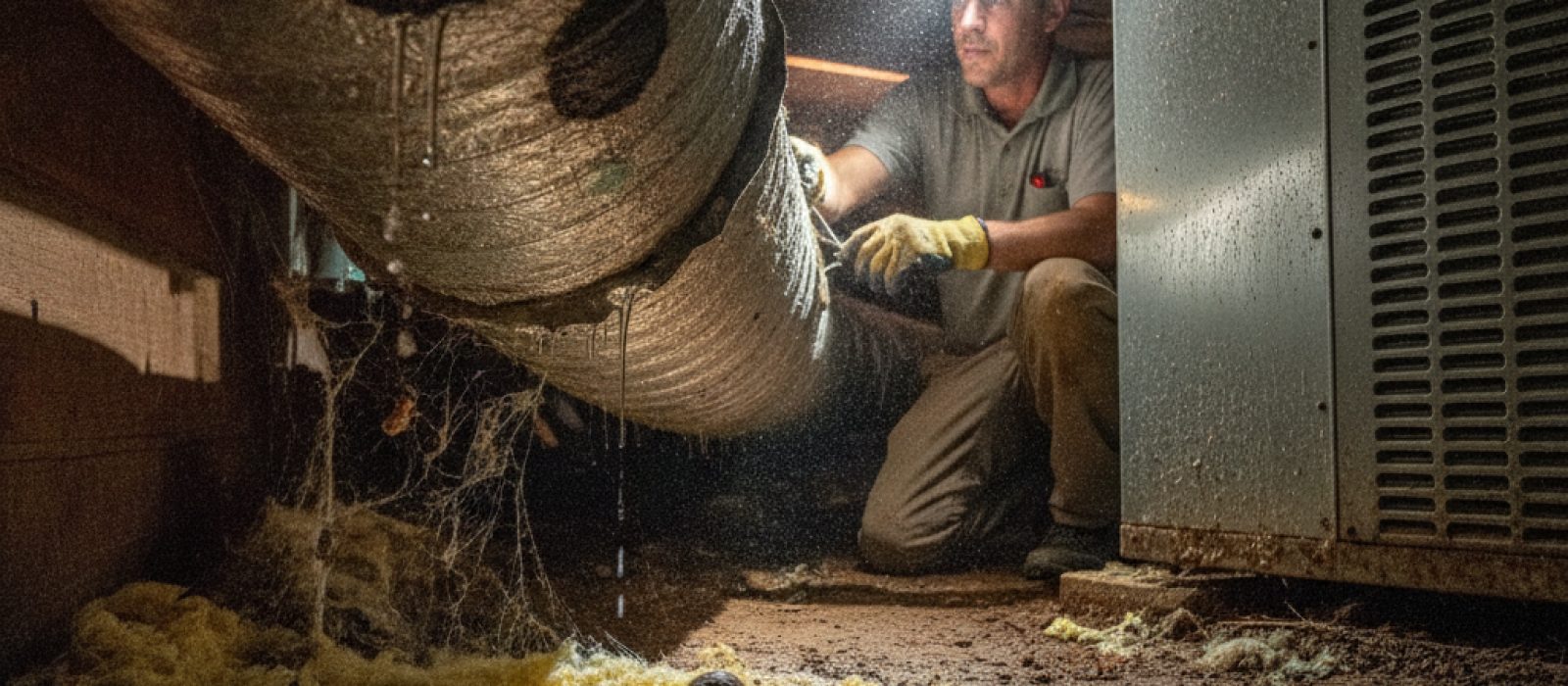
Learn how to identify and resolve common crawl space ductwork problems, including moisture buildup, pest intrusion, and damaged insulation.

Learn how upgrading or maintaining your HVAC registers and grilles can optimize home comfort, improve efficiency, and protect your indoor air quality.
Be the first to comment.