
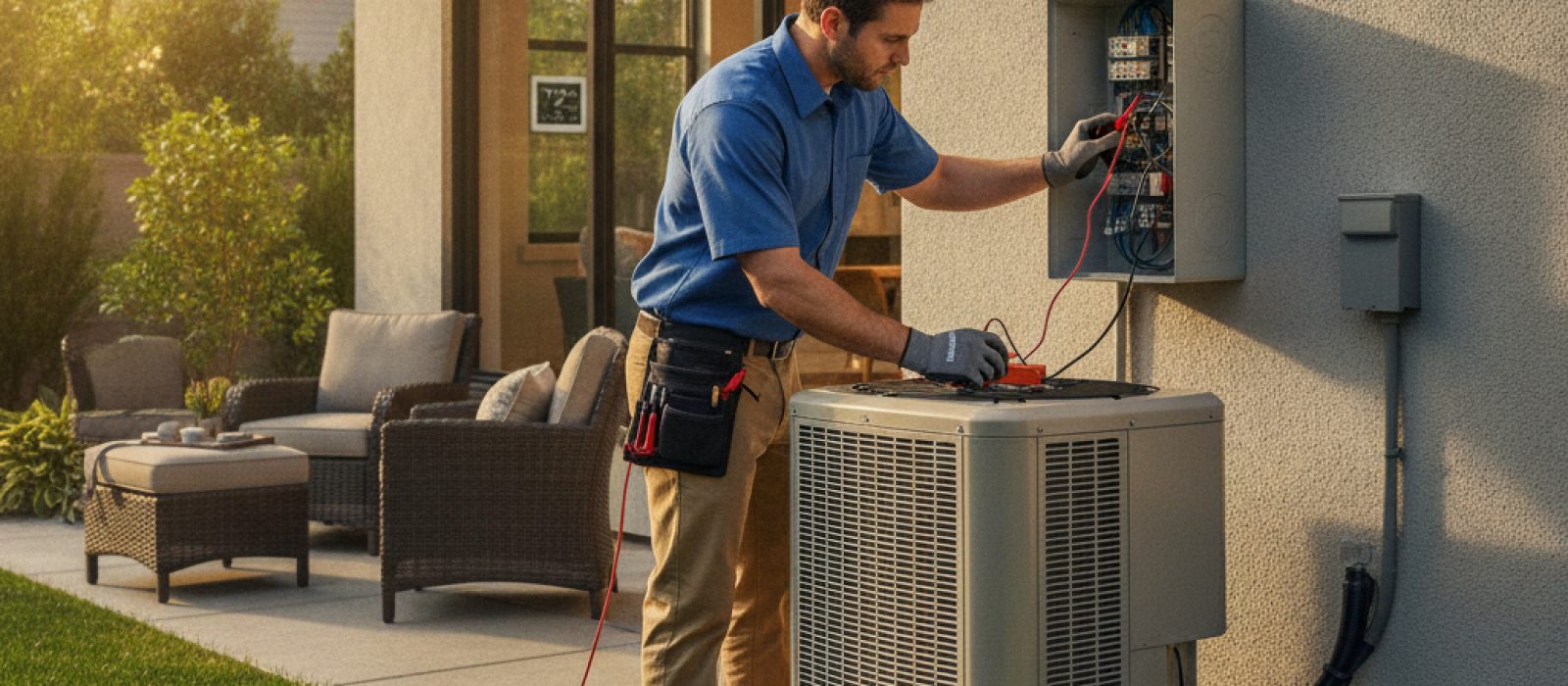
HVAC Disconnect Box: What It Is and Why It Matters
Learn the function of the HVAC disconnect box, why it is vital for safety, and how to identify when this critical component requires professional attention.
4 min read

Addressing your heating system before the first cold snap ensures reliability when temperatures drop. A systematic approach to furnace startup prevents mid-winter emergencies and helps identify minor issues before they escalate into costly repairs. This guide outlines the essential steps for preparing your equipment, focusing on safety, efficiency, and system longevity.
Before turning on the thermostat, perform a thorough visual assessment of the furnace unit. Examine the area surrounding the furnace to ensure it remains clear of debris, storage boxes, or flammable materials. Proper clearance is vital for both safety and airflow, as restricted space can lead to overheating or fire hazards.
Look for signs of corrosion, rust, or physical impact on the furnace cabinet. Inspect the venting system—the metal pipes leading from the furnace to the outdoors—for any signs of disconnection, rust, or obstructions such as bird nests or debris. If the vent pipes show signs of decay or separation, do not attempt to start the system; consult a professional for Furnace Services.
The air filter serves as the first line of defense for both your furnace and your indoor air quality. A clogged filter forces the blower motor to work harder, which consumes more energy and can lead to premature mechanical failure.
Clean filters are a fundamental component of Indoor Air Quality management. If you notice persistent dust throughout the home, it may be time to consider professional Air Duct Cleaning to remove accumulated debris from the distribution system.
The thermostat acts as the brain of your heating system. Before the heating season begins, verify that the device is functioning correctly by switching it from 'Cool' to 'Heat' mode and setting the temperature a few degrees above the current ambient room temperature.
If the system fails to respond, check the power source. Battery-operated thermostats may require fresh batteries, while hardwired units may have a tripped circuit breaker. If you are experiencing frequent connectivity issues or inaccurate temperature readings, it may be time to consult with experts in Thermostat Services to evaluate if your current unit is compatible with your furnace.
Once you have confirmed the area is clear and the filter is replaced, it is time to perform a test run. Turn the furnace on and listen for unusual noises, such as rattling, grinding, or high-pitched squealing. These sounds often indicate loose components, worn bearings, or debris in the blower wheel.
Observe the burner flames if your furnace has a viewing port. The flames should burn a steady, vibrant blue. If you see yellow or orange flickering flames, this indicates incomplete combustion, which can lead to carbon monoxide production. In such cases, shut the unit down immediately and contact a professional for Maintenance & Tune-up services.
While homeowners can handle basic tasks like filter changes and area clearing, complex internal components require specialized tools and training. Never attempt to adjust gas valves, internal wiring, or the heat exchanger yourself. These components pose significant risks, including fire, electrocution, or gas leaks.
A professional technician performs a comprehensive safety inspection that includes checking for gas leaks, measuring electrical draw, and verifying the integrity of the heat exchanger. The heat exchanger is a critical component that separates combustion gases from the air circulating in your home; if it develops a crack, exhaust fumes can enter your living space. Regular professional check-ups ensure these safety features remain intact.
Beyond basic safety, professional maintenance optimizes the efficiency of your furnace. Technicians clean the flame sensor, inspect the ignition system, and lubricate moving parts. These small adjustments reduce energy waste and extend the lifespan of the equipment. If you notice your energy bills rising during the winter months, a professional tune-up is often the most effective way to restore your system to its original efficiency ratings.
Maintaining your furnace is not just about comfort; it is about protecting your home's infrastructure. By proactively addressing these steps, you minimize the risk of a system failure during extreme weather, ensuring your home remains a safe, warm environment throughout the coldest months of the year.
Learn the function of the HVAC disconnect box, why it is vital for safety, and how to identify when this critical component requires professional attention.
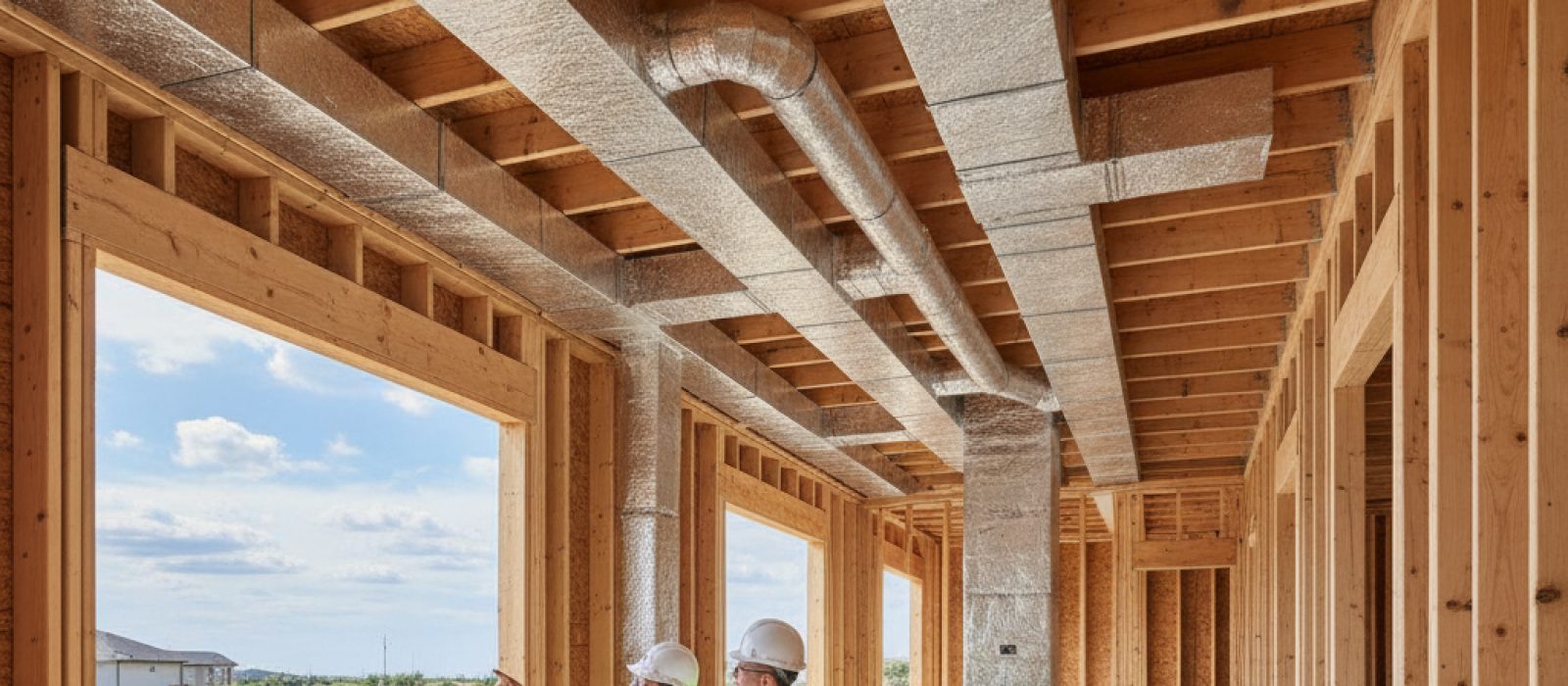
Ensure long-term comfort and efficiency by asking the right questions about your home's ductwork design during the new construction process.
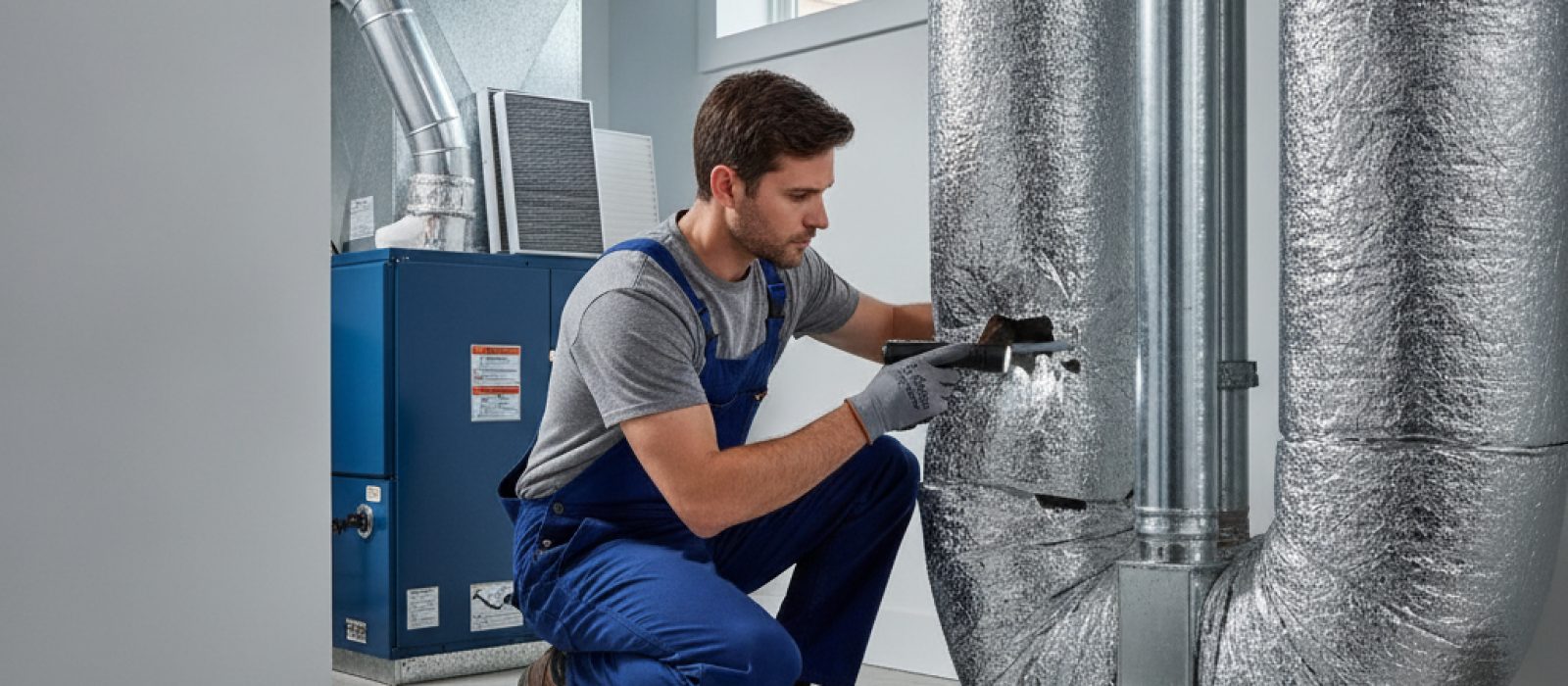
Discover the signs of rodent infestation in your HVAC system and learn how to identify, address, and prevent pest issues in your ductwork.
Learn why maintaining a detailed history of your HVAC service records protects your warranty, boosts resale value, and ensures system longevity.
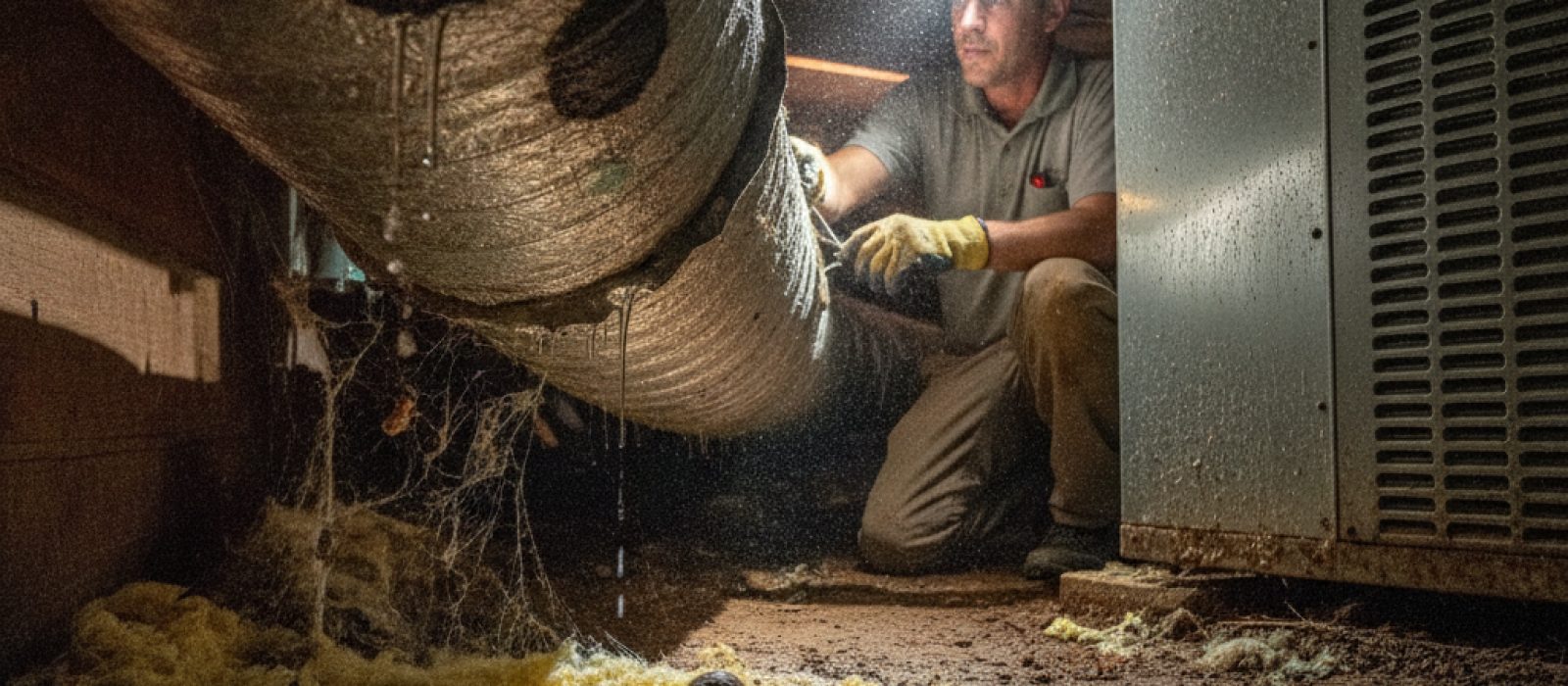
Learn how to identify and resolve common crawl space ductwork problems, including moisture buildup, pest intrusion, and damaged insulation.

Learn how upgrading or maintaining your HVAC registers and grilles can optimize home comfort, improve efficiency, and protect your indoor air quality.
Be the first to comment.