
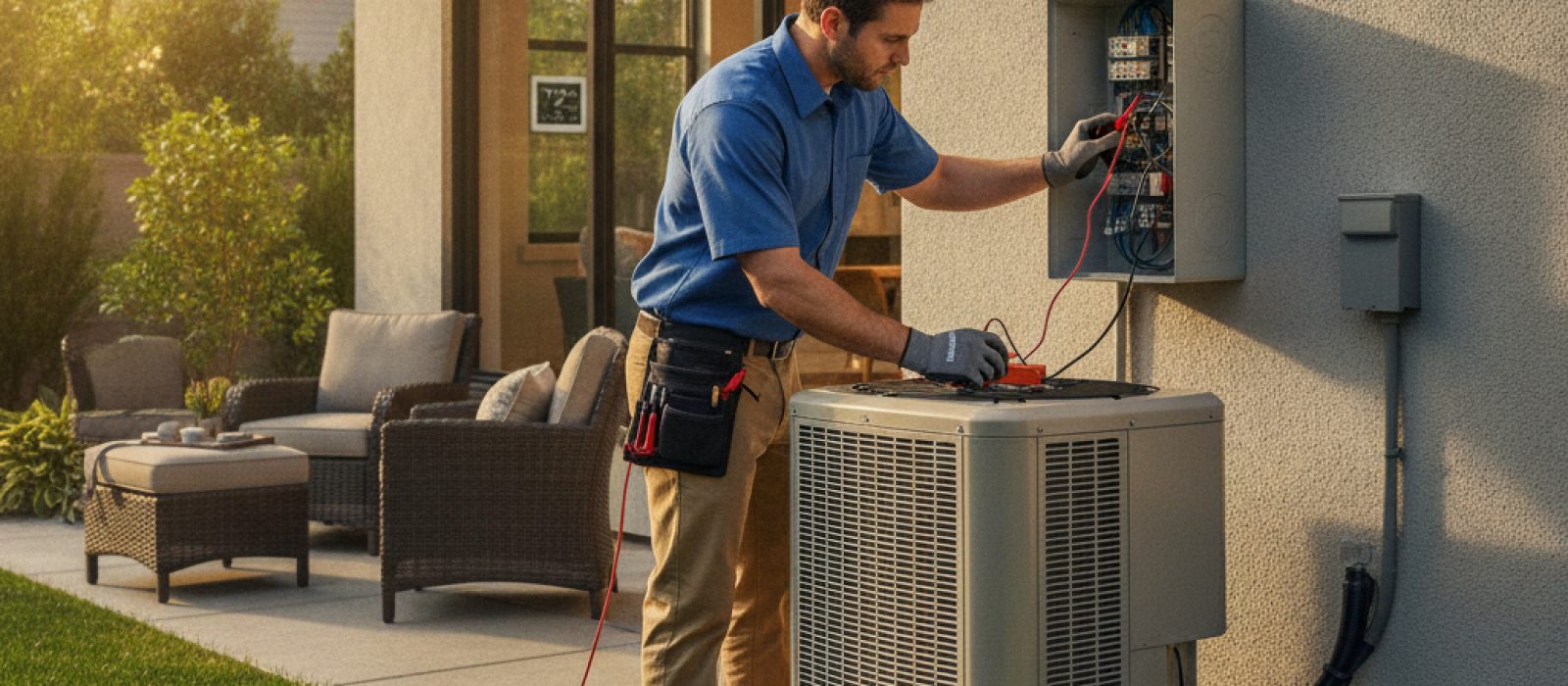
HVAC Disconnect Box: What It Is and Why It Matters
Learn the function of the HVAC disconnect box, why it is vital for safety, and how to identify when this critical component requires professional attention.
4 min read

Ductwork serves as the respiratory system of a home, circulating conditioned air from the furnace or air conditioner to every room. While minor gaps or loose connections can often be addressed through professional sealing, extensive damage often necessitates a complete overhaul. Recognizing the tipping point between repair and replacement is essential for maintaining system efficiency and indoor air quality.
Visible signs of failure include persistent dust accumulation shortly after cleaning, uneven temperatures across different rooms, or unexplained spikes in energy bills. If an inspection reveals significant corrosion, crushed sections, or mold growth within the interior lining, patching the holes is often a temporary fix that fails to address the structural integrity of the system. Professional Ductwork Services can provide a comprehensive assessment to determine if your current infrastructure is salvageable or if it is hindering the performance of your HVAC equipment.
The cost of replacing ductwork varies by system and region, as no two home layouts are identical. Contractors must factor in the complexity of the installation, the type of materials required, and the accessibility of the existing ducts. Homes with finished basements or tight crawl spaces often require more labor hours due to the difficulty of navigating and installing new sections.
Material choices also play a significant role in the overall investment. Options range from flexible, insulated tubing to rigid sheet metal, each with distinct benefits regarding airflow and durability. Furthermore, the size of the home and the total linear footage of the ducting directly affect the amount of materials needed. Integrating Energy Efficient Solutions during this process, such as upgrading to higher-rated insulation or ensuring proper sizing for your specific blower capacity, can yield long-term savings on monthly utility costs.
Ductwork is not a one-size-fits-all component; it must be engineered to match the static pressure requirements of your furnace and air conditioner. If the original ductwork was undersized during the home's construction, even a brand-new, high-efficiency system will struggle to distribute air effectively. Replacing the ducts provides a rare opportunity to correct design flaws that may have contributed to premature system wear.
Proper airflow balance is critical for comfort. If certain rooms are consistently colder or warmer than others, the duct design may be the culprit. A professional technician can perform a load calculation to ensure the new ductwork is sized correctly for your home, which helps prevent the system from cycling too frequently. If you are also considering upgrades to your heating system, coordinating this with Furnace Services can ensure that both the air distribution and the heat production are perfectly matched for optimal performance.
Ducts that are aging or improperly sealed can act as conduits for contaminants. Dust, debris, pollen, and even pests can accumulate in damaged sections, circulating throughout your living spaces every time the fan engages. In cases where ducts have been damaged by water leaks or rodent infestations, sanitization is often impossible, making replacement the only viable option for protecting your home’s Indoor Air Quality.
New duct installations offer a clean slate. When properly installed, modern materials and sealed joints prevent the intrusion of attic or crawlspace air. This is particularly important for households with allergy sufferers or those sensitive to airborne particulates. By removing outdated, degraded ductwork, you effectively eliminate a primary source of indoor pollutants, leading to a healthier living environment.
Homeowners can safely perform basic visual inspections by checking registers for dust or listening for unusual whistling sounds when the system is running. However, any work involving the removal, modification, or installation of ductwork requires specialized tools and knowledge of building codes. Improperly installed ducts can lead to carbon monoxide leaks if they are not correctly connected to gas-burning equipment or can cause fire hazards if they are placed too close to electrical components.
Professional installers ensure that every seam is sealed with mastic or foil tape approved for HVAC use. They also verify that the system is properly supported to prevent sagging, which can cause airflow restrictions over time. Relying on licensed professionals ensures that the installation meets local safety standards and that the system is tested for leaks before the project is completed.
Learn the function of the HVAC disconnect box, why it is vital for safety, and how to identify when this critical component requires professional attention.

Ensure long-term comfort and efficiency by asking the right questions about your home's ductwork design during the new construction process.
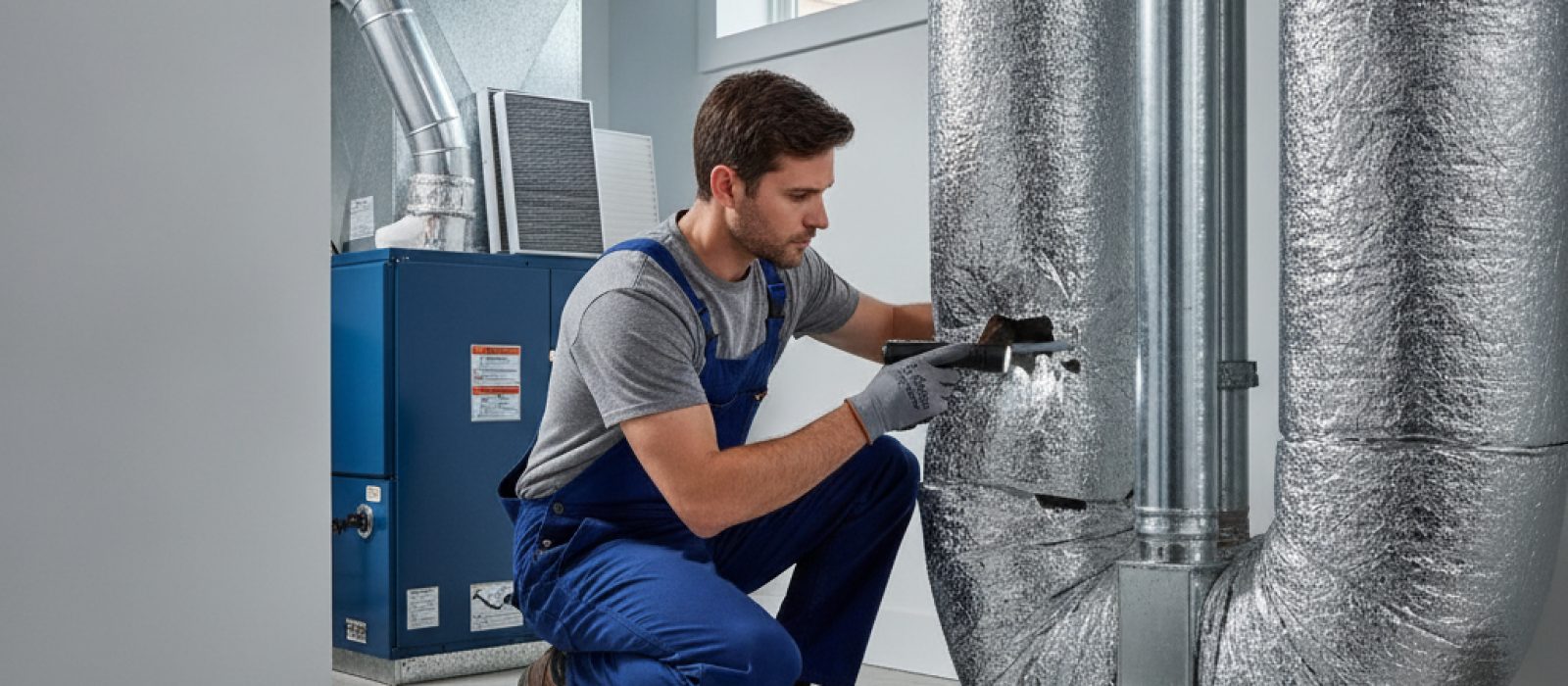
Discover the signs of rodent infestation in your HVAC system and learn how to identify, address, and prevent pest issues in your ductwork.

Learn why maintaining a detailed history of your HVAC service records protects your warranty, boosts resale value, and ensures system longevity.
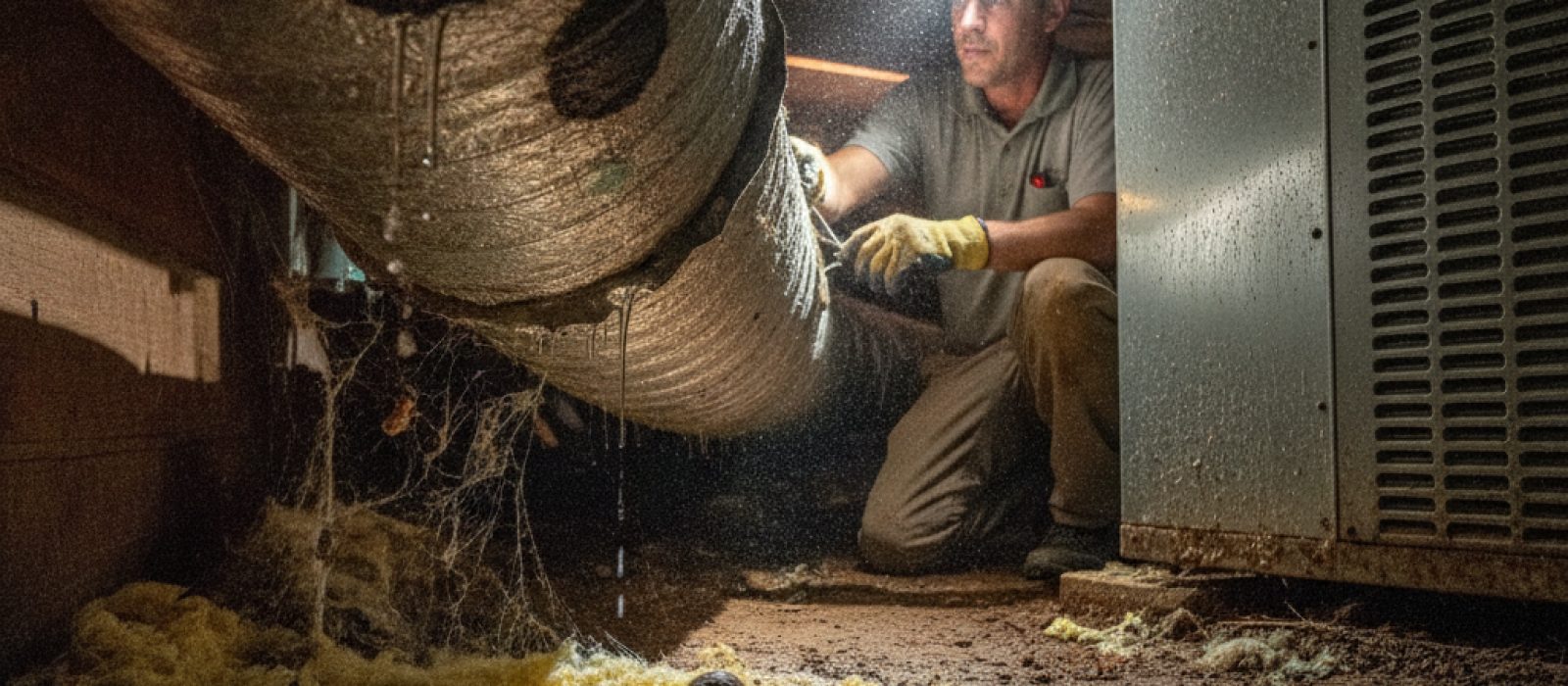
Learn how to identify and resolve common crawl space ductwork problems, including moisture buildup, pest intrusion, and damaged insulation.

Learn how upgrading or maintaining your HVAC registers and grilles can optimize home comfort, improve efficiency, and protect your indoor air quality.
Be the first to comment.