
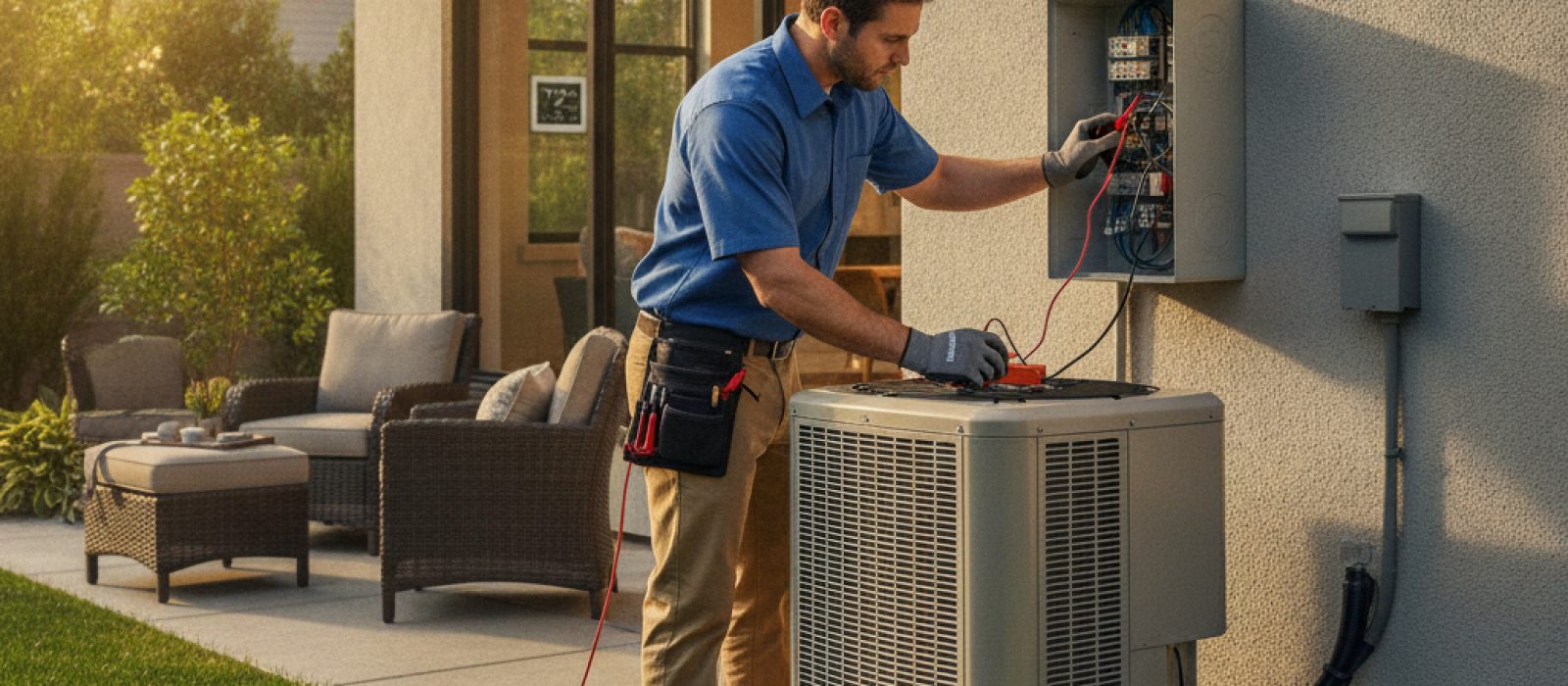
HVAC Disconnect Box: What It Is and Why It Matters
Learn the function of the HVAC disconnect box, why it is vital for safety, and how to identify when this critical component requires professional attention.
4 min read

A blower door test is a diagnostic procedure designed to measure the airtightness of a home. By temporarily mounting a powerful, calibrated fan into an exterior door frame, a technician can depressurize the house. This process pulls air out of the building, forcing outside air to enter through any cracks, gaps, or penetrations in the building envelope. The test quantifies exactly how much air is leaking, allowing homeowners to pinpoint the structural vulnerabilities that force heating and cooling systems to overwork.
HVAC systems are designed to condition a specific volume of air within a building. When the envelope is leaky, the system must constantly process unconditioned air infiltrating from attics, crawl spaces, or the outdoors. This increases the runtime of the equipment, leads to uneven temperatures, and places unnecessary mechanical stress on the blower motor and compressor. Regularly scheduled Maintenance & Tune-up visits often reveal that high utility bills are not caused by equipment failure, but by the building's inability to retain the air it has already conditioned.
The procedure begins with the technician closing all windows, exterior doors, and fireplace dampers. Internal doors are left open to ensure the entire house is depressurized evenly. The blower door apparatus is then sealed into a main entry point, typically the front door.
Once the house is under pressure, the most common culprits for air leakage become obvious. Even in newer homes, small gaps can lead to significant energy loss over time.
A tight home is only beneficial if it is paired with proper ventilation. When a building envelope is leaky, pollutants such as dust, pollen, mold spores, and moisture are pulled into the living space from attics and wall cavities. This significantly degrades Indoor Air Quality. By performing a blower door test and subsequently sealing these leaks, homeowners can better control the air that enters the home, ensuring it passes through appropriate filtration rather than seeping through contaminated wall cavities.
Before investing in new equipment, such as a high-efficiency heat pump or a modern furnace, it is practical to confirm the building envelope is sufficiently tight. A system sized for a leaky home will be oversized once those leaks are sealed, leading to short-cycling and humidity control issues. If you are planning significant Energy Efficient Solutions, a blower door test acts as a baseline, ensuring that your HVAC investment provides the expected return in comfort and lower energy consumption.
While homeowners can perform basic checks for drafts, a professional blower door test provides the data needed to prioritize repairs. A technician will provide a report detailing the air changes per hour (ACH). This metric tells you how many times the total volume of air in your home is replaced by outdoor air every hour. Knowing this number allows for a strategic approach to air sealing, ensuring that the most impactful leaks are addressed first.
A blower door test is highly recommended if you notice persistent comfort issues, such as rooms that never reach the desired temperature, or if you are planning to add insulation to your attic or walls. Furthermore, if you are experiencing excessive dust accumulation, it is worth investigating whether your home is pulling air from dirty attics or crawl spaces. Combining this with Ductwork Services can often resolve long-standing comfort and efficiency problems that standard HVAC repairs cannot fix alone.
Learn the function of the HVAC disconnect box, why it is vital for safety, and how to identify when this critical component requires professional attention.
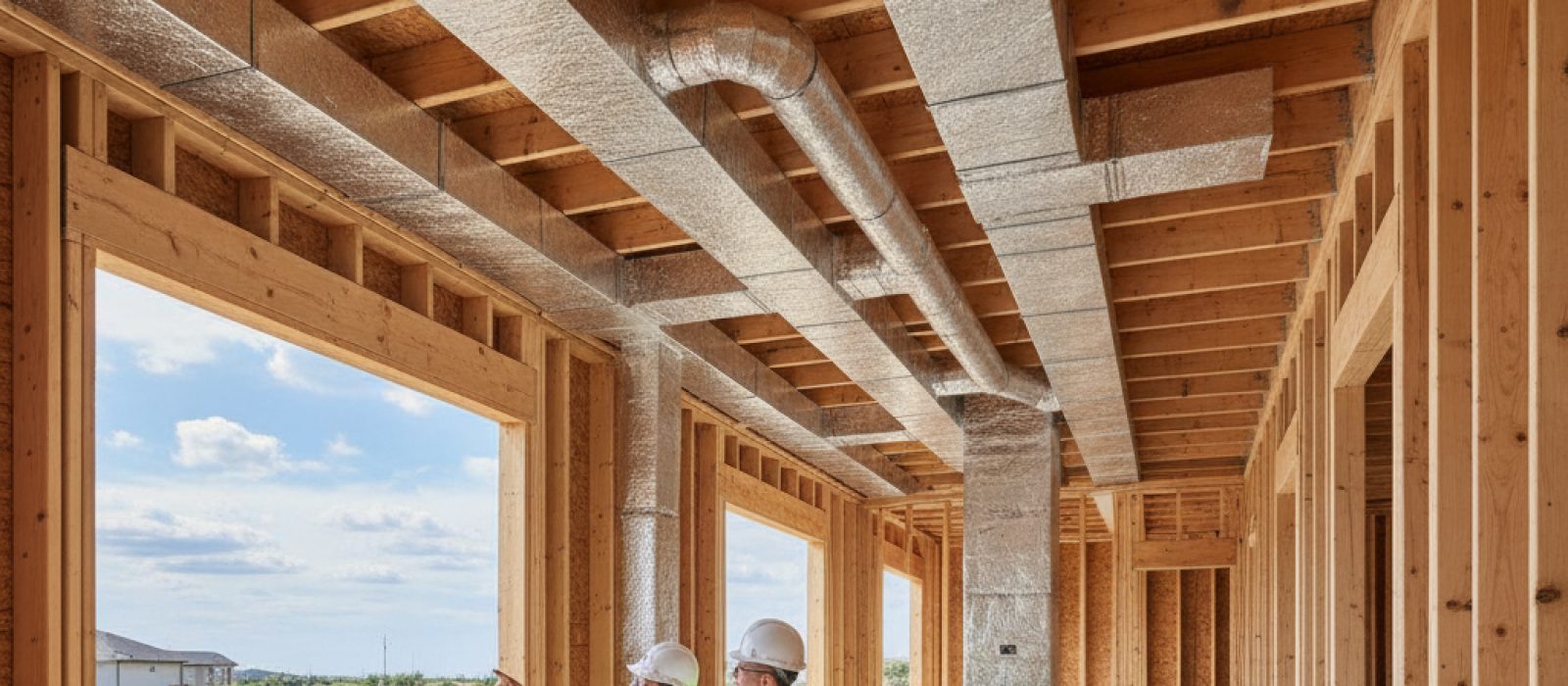
Ensure long-term comfort and efficiency by asking the right questions about your home's ductwork design during the new construction process.
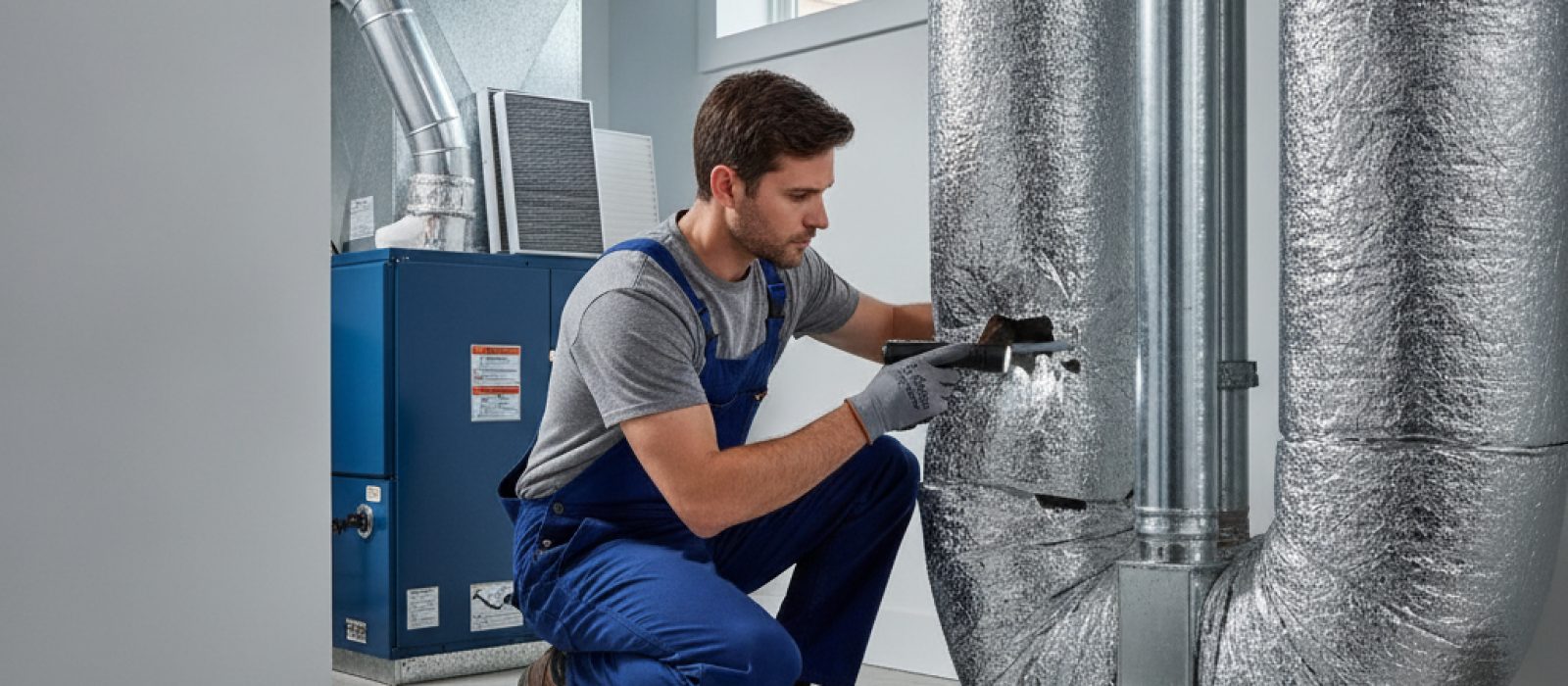
Discover the signs of rodent infestation in your HVAC system and learn how to identify, address, and prevent pest issues in your ductwork.
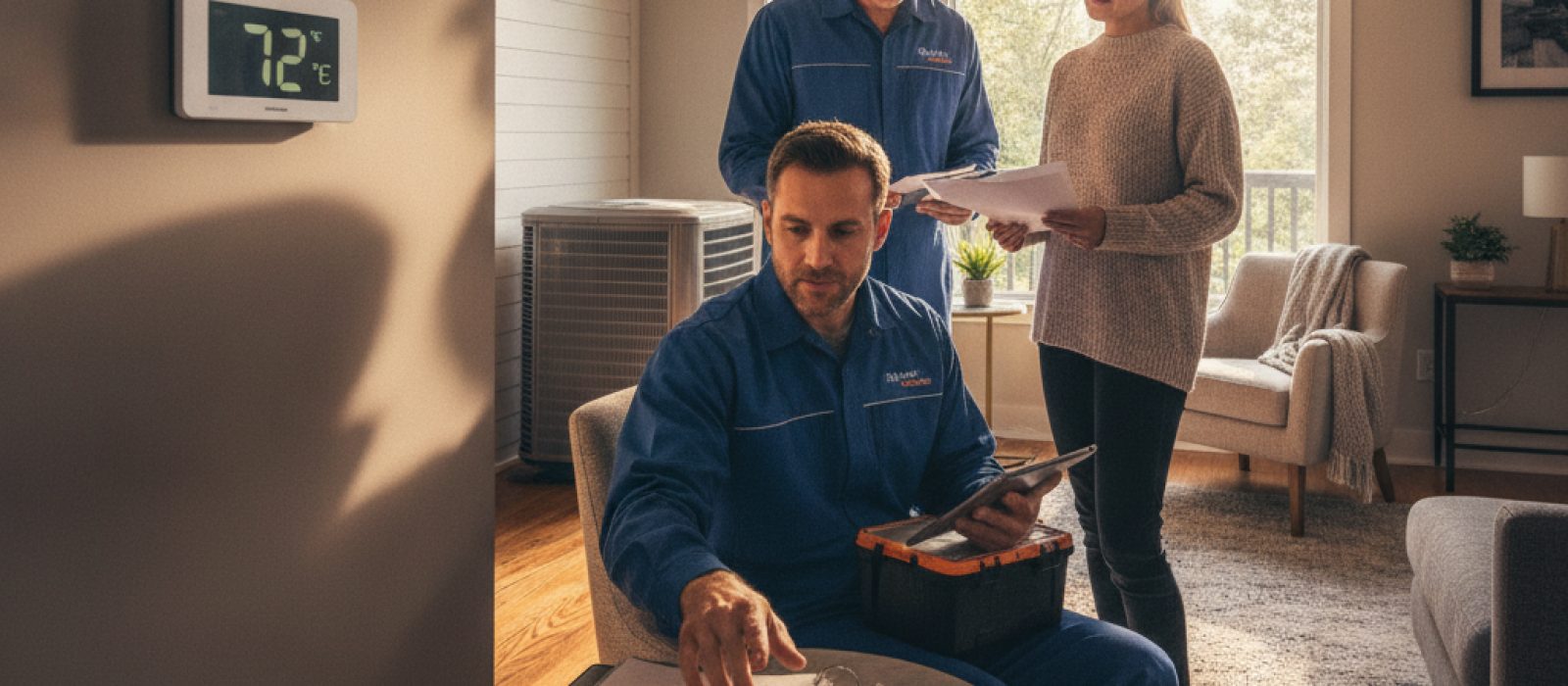
Learn why maintaining a detailed history of your HVAC service records protects your warranty, boosts resale value, and ensures system longevity.
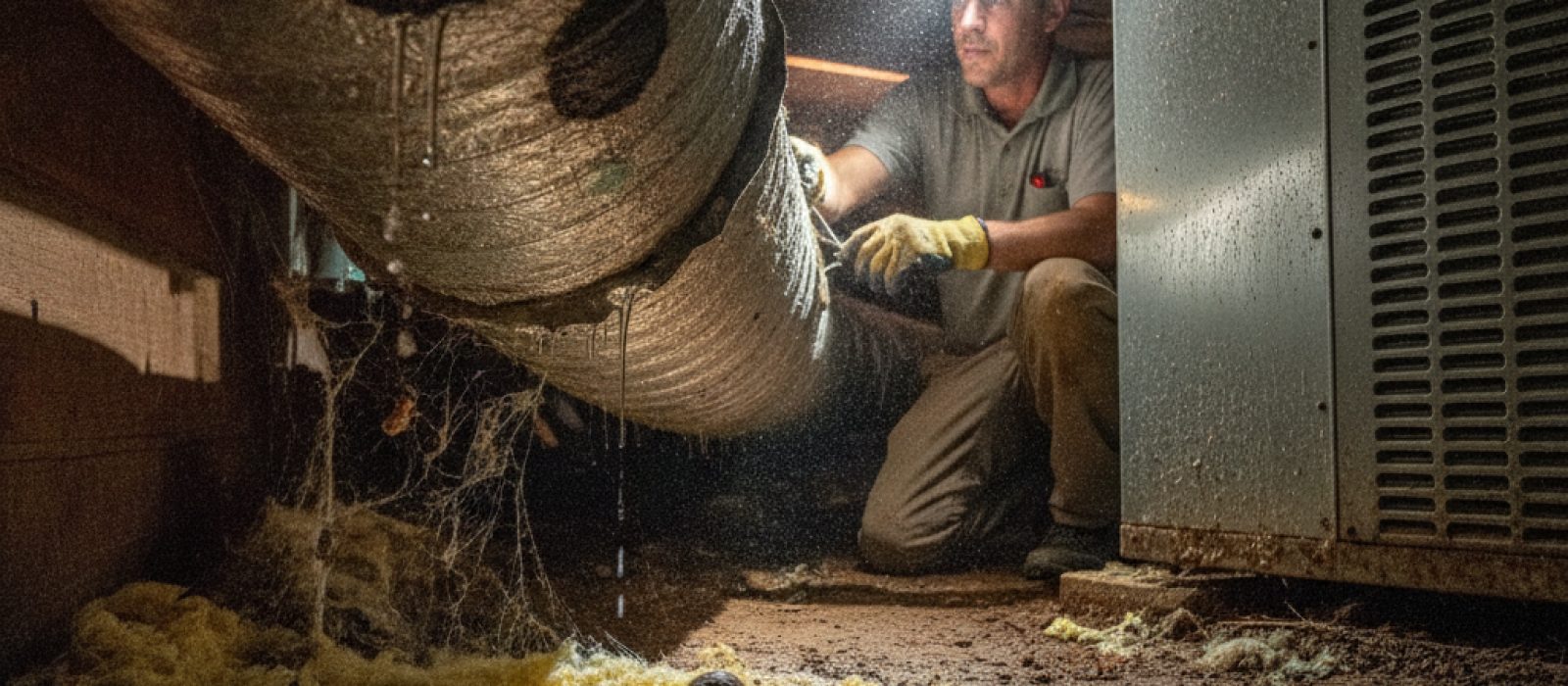
Learn how to identify and resolve common crawl space ductwork problems, including moisture buildup, pest intrusion, and damaged insulation.

Learn how upgrading or maintaining your HVAC registers and grilles can optimize home comfort, improve efficiency, and protect your indoor air quality.
Be the first to comment.