
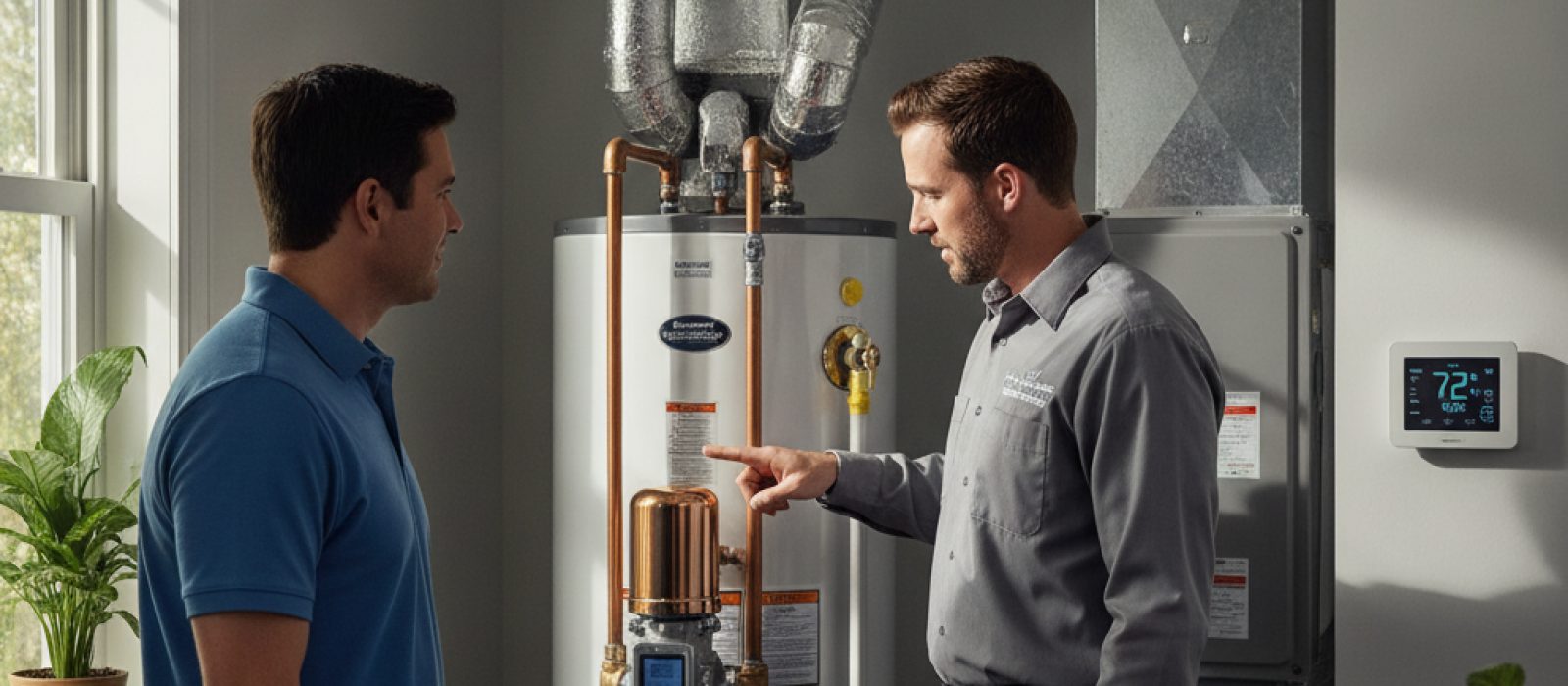
Hot Water Recirculating Pumps: How They Work and What They Cost
Learn how hot water recirculating pumps provide instant hot water, the different installation types, and the factors that influence overall project costs.
4 min read

Your home’s HVAC system is a significant investment, crucial for comfort and indoor air quality. When it breaks down, the stress can be immense, and the desire for a quick fix is natural. However, rushing into a major repair or replacement decision without proper consideration can be costly. Just like with medical diagnoses or car repairs, getting a second opinion for your HVAC system can be a smart move. It provides an alternative perspective, potentially uncovers overlooked issues, and can save you from unnecessary expenses or inadequate solutions.
While not every minor repair warrants a second look, there are specific situations where taking that extra step is highly advisable. Understanding these scenarios can empower you to make more informed decisions about your home's heating and cooling.
If you receive an estimate for a repair that seems unusually expensive, especially if it approaches the cost of a new system, it's a prime candidate for a second opinion. A significant repair bill could indicate a complex issue, but it's always wise to ensure that the proposed solution is truly necessary and the most cost-effective approach. Another technician might identify a simpler, less expensive fix or confirm that replacement is indeed the best long-term option.
Replacing an HVAC system is a major financial commitment. If a technician immediately recommends a full system replacement without thoroughly diagnosing the current issues, or if the system isn't particularly old, you should definitely seek a second opinion. A reputable company will provide a detailed explanation of why replacement is necessary, outlining the specific failures and comparing repair costs to replacement benefits. A second expert can confirm if your system has truly reached the end of its practical lifespan or if a repair is still a viable option.
A good HVAC technician should be able to clearly explain what's wrong with your system, why it's happening, and what steps they propose to fix it. If the explanation you receive is confusing, vague, or doesn't seem to make sense, don't hesitate to get a second opinion. You deserve to understand the problem fully before committing to a solution. Different technicians may have different diagnostic approaches or levels of experience, leading to a clearer diagnosis from another professional.
Your comfort and safety are paramount. If you feel uneasy about the technician's professionalism, their recommendations, or if they seem to be pressuring you into a quick decision, it's a red flag. Trust your gut. A second opinion from a different company can either validate your concerns or put your mind at ease, ensuring you're working with a trustworthy and competent professional.
If you've recently had a repair done on your HVAC system, but the same problem (or a new one) quickly reappears, it might be time for another look. It's possible the initial repair didn't fully address the root cause, or a new issue has developed. A fresh pair of eyes from a different company can often identify what was missed or provide a more permanent solution.
When seeking a second opinion, here are a few tips:
Ultimately, a second opinion is about gaining confidence in your decision. It's about ensuring you receive the correct repair at a fair price, protecting your investment and your home's comfort for years to come. Don't let the urgency of a breakdown prevent you from doing your due diligence.
Learn how hot water recirculating pumps provide instant hot water, the different installation types, and the factors that influence overall project costs.
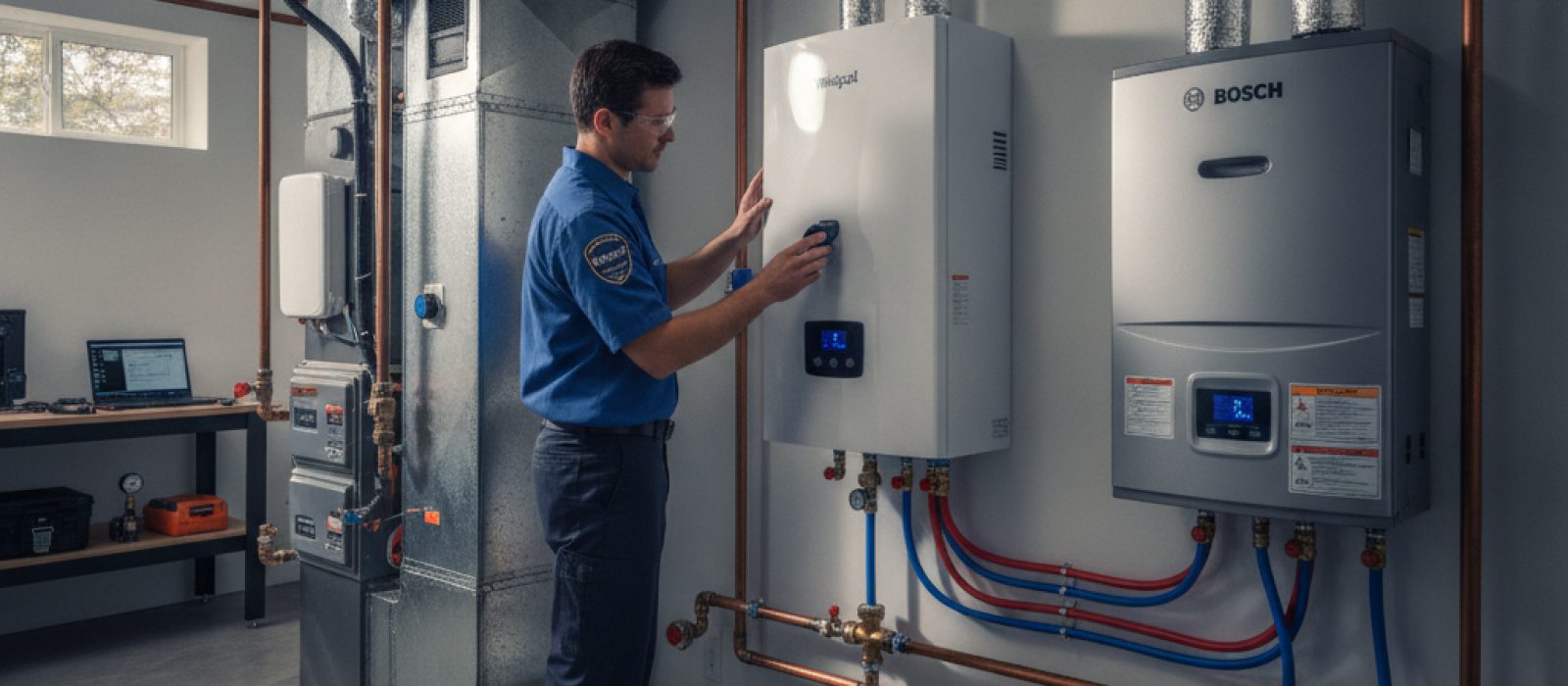
A practical guide to understanding the operational differences, maintenance needs, and common troubleshooting steps for Whirlpool and Bosch water heaters.
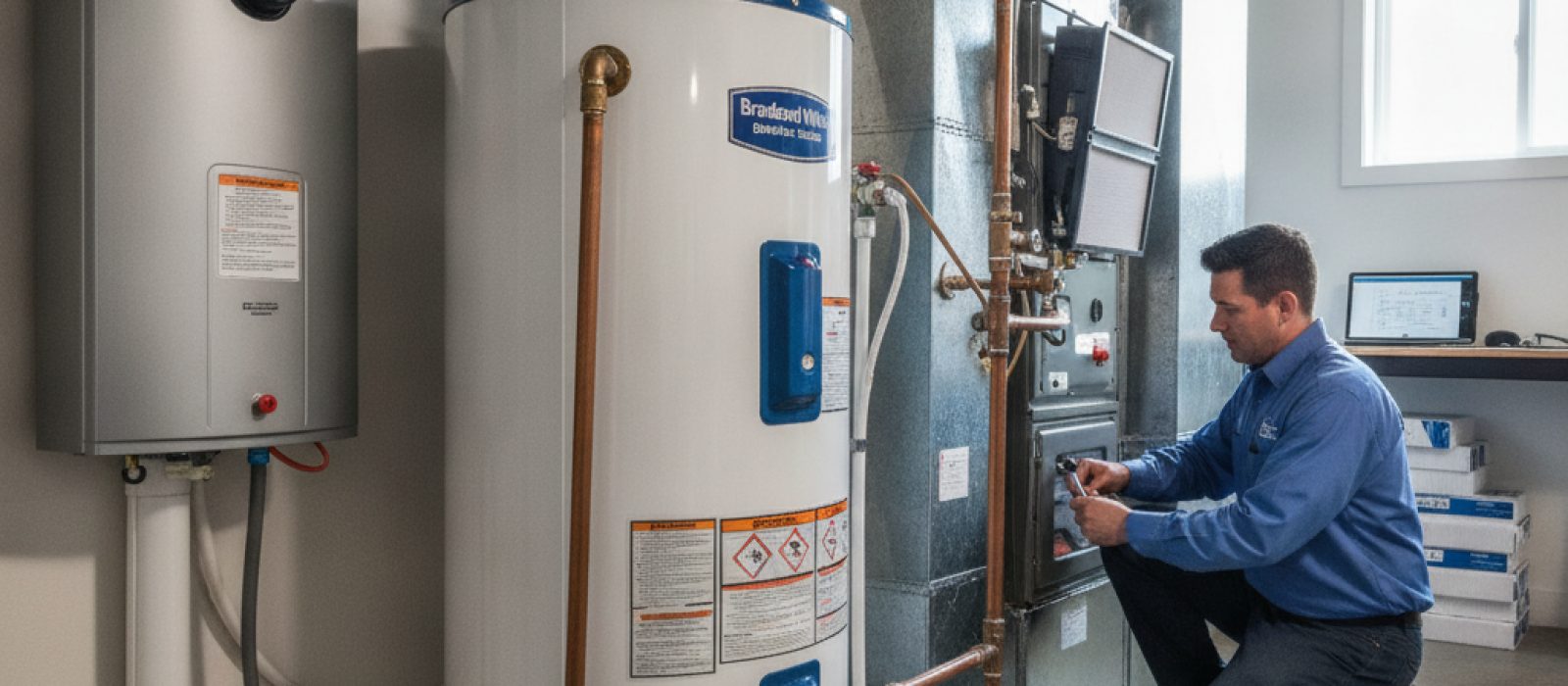
Learn how to choose between 40 and 75-gallon Bradford White water heaters and understand which model fits your home's hot water demands.
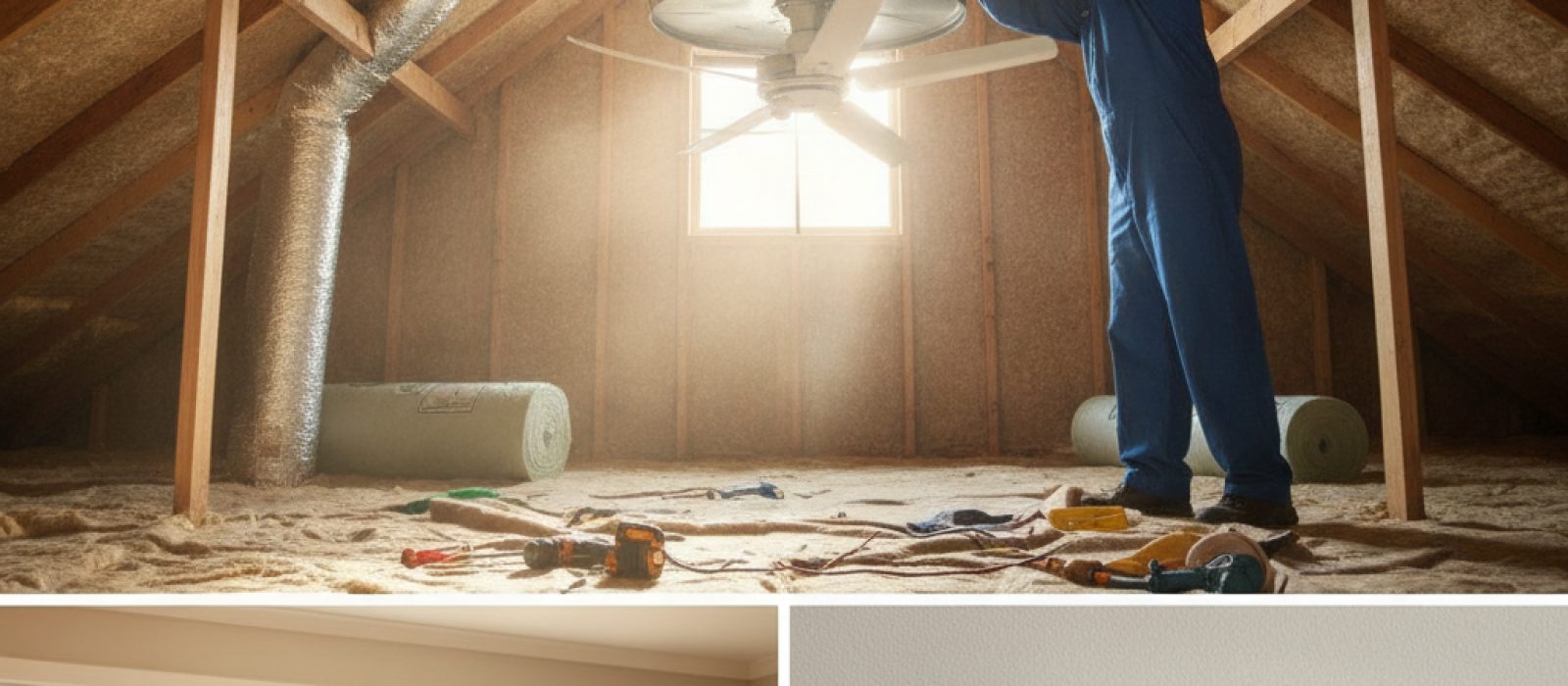
Learn how attic fans manage thermal buildup, the factors influencing installation costs, and the critical mistakes to avoid for a balanced home system.
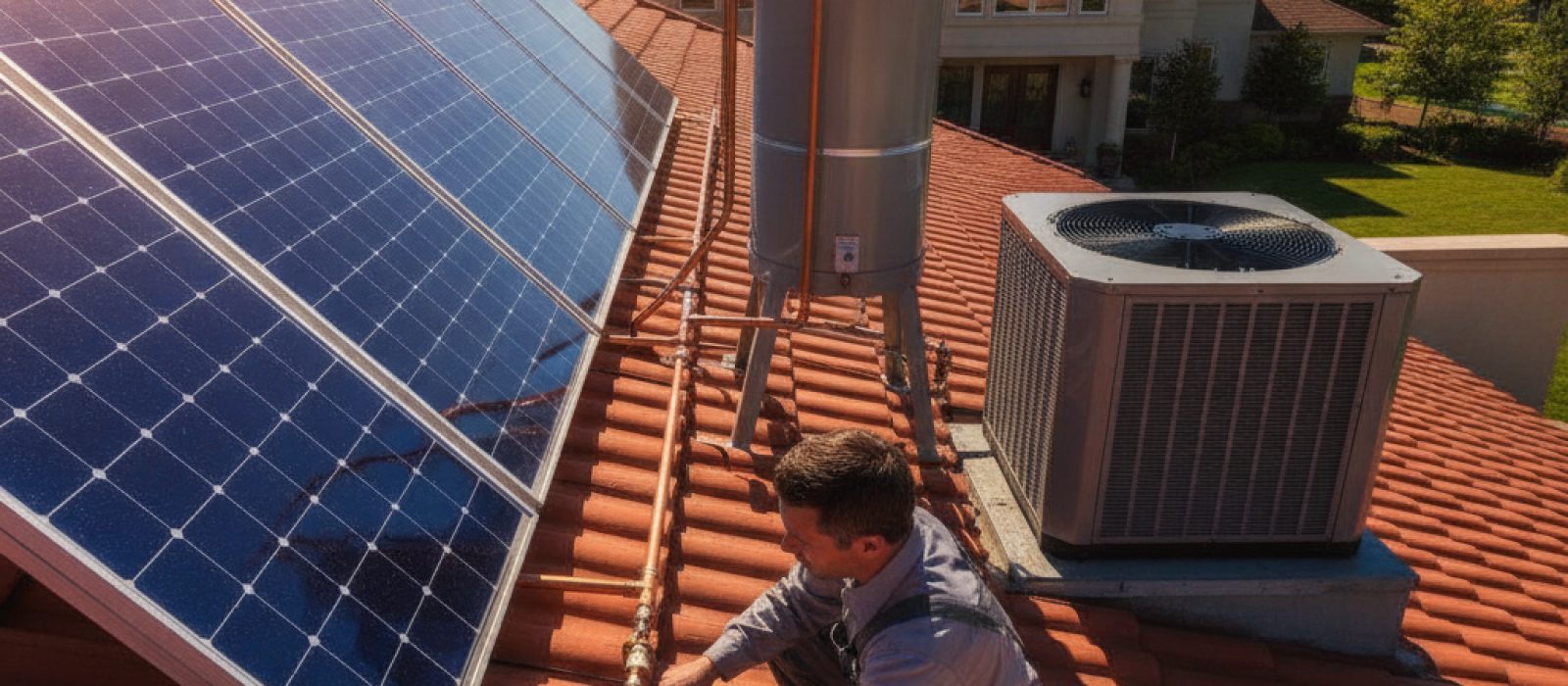
Understand the mechanics, efficiency benefits, and practical considerations of installing a solar-powered water heating system in your home.
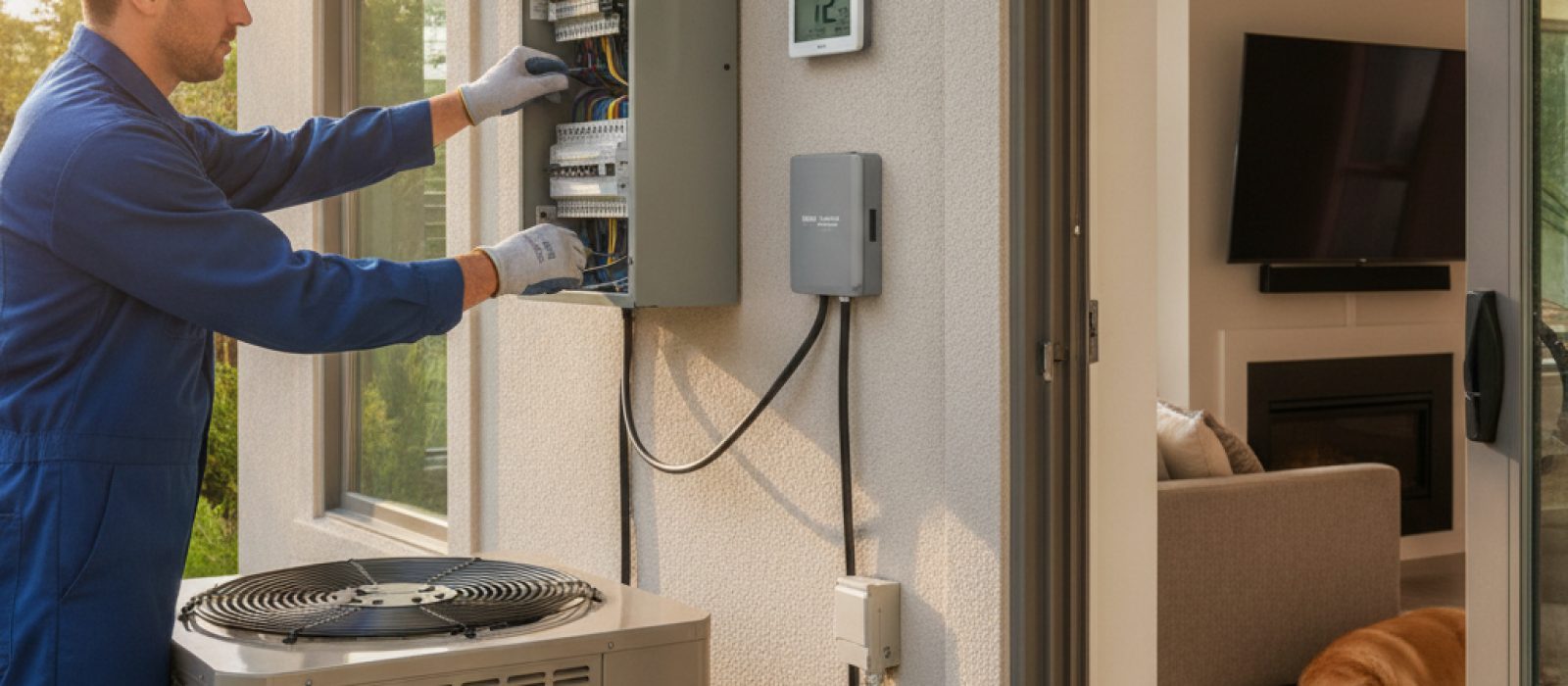
Learn how whole-house surge protectors safeguard sensitive HVAC equipment and home electronics from damaging power spikes and electrical surges.
Be the first to comment.