
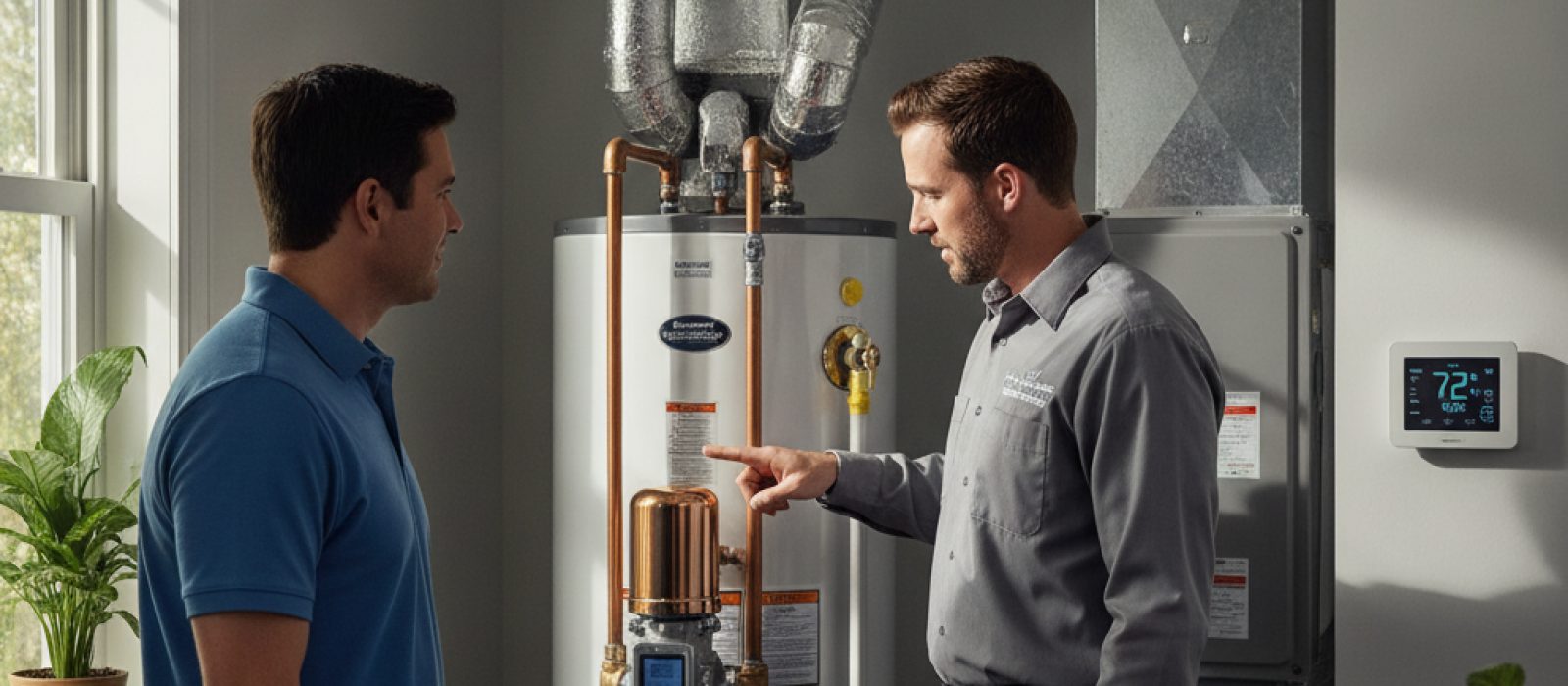
Hot Water Recirculating Pumps: How They Work and What They Cost
Learn how hot water recirculating pumps provide instant hot water, the different installation types, and the factors that influence overall project costs.
4 min read

Your home's HVAC system works tirelessly year-round to keep you comfortable, no matter the weather outside. From sweltering summers to freezing winters, it’s easy to take for granted until something goes wrong. But waiting for a complete system failure can lead to uncomfortable days, higher repair costs, and even potential safety hazards. Knowing the signs that indicate it's time to call a professional HVAC technician can save you a lot of headache and expense.
Before diving into emergency calls, let's talk about prevention. Regular maintenance is the single most important thing you can do for your HVAC system. Think of it like an oil change for your car – it keeps everything running smoothly and identifies small issues before they become big ones. Most manufacturers and HVAC experts recommend professional tune-ups at least once a year, ideally in the spring for your AC and in the fall for your furnace.
During these visits, a technician will clean components, check refrigerant levels, inspect electrical connections, and perform a host of other critical tasks. This proactive approach can extend your system's lifespan, improve efficiency, and reduce the likelihood of unexpected breakdowns.
Even with regular maintenance, issues can arise. Here are the common indicators that you shouldn't ignore:
This is perhaps the most obvious sign. If your furnace isn't producing warm air, or your AC is blowing lukewarm air (or nothing at all), it's a clear signal that something is amiss. It could be a simple fix like a tripped breaker or a clogged filter, but it could also indicate a more serious problem with the compressor, thermostat, or heating elements.
Your HVAC system should operate relatively quietly. Any new or unusual sounds – grinding, squealing, banging, or persistent rattling – are red flags. These often point to mechanical issues, such as a failing motor bearing, a loose fan blade, or a problem with the compressor. Similarly, unusual odors like burning plastic, mildew, or a sulfur-like smell should prompt an immediate call, especially the latter which could indicate a gas leak.
If your utility bills suddenly spike without a corresponding change in usage or rates, your HVAC system might be working harder than it should be. This inefficiency could be due to a dirty filter, refrigerant leak, ductwork issues, or a failing component that's causing the system to run longer or less effectively.
Are some rooms significantly hotter or colder than others? Do you feel weak airflow coming from your vents? Poor airflow can be caused by a variety of issues, including clogged filters, blocked ducts, a failing blower motor, or even a problem with the ductwork itself. Consistent, even airflow is crucial for comfort and efficiency.
If your HVAC system is constantly turning on and off (short-cycling), it's a sign that something isn't right. While normal cycling occurs, excessively frequent cycling can indicate an improperly sized unit, a faulty thermostat, or an internal issue that's preventing the system from completing a full heating or cooling cycle.
Puddles or excessive moisture around your indoor AC unit or furnace are never a good sign. For AC units, this often points to a clogged condensate drain line, which can lead to water damage and mold growth. For furnaces, any liquid could indicate a serious problem, potentially involving carbon monoxide, and warrants immediate professional attention.
While not a direct sign of failure, the age of your system is an important factor. Most HVAC systems have a lifespan of 10-15 years for air conditioners and 15-20 years for furnaces. If your system is nearing or past its typical lifespan and you're experiencing frequent issues, it might be more cost-effective in the long run to consider a replacement rather than continuous repairs.
Your home's comfort and safety are paramount. While some minor issues can be addressed by homeowners (like changing air filters), most HVAC problems require the expertise of a trained professional. Attempting DIY repairs on complex systems can be dangerous and often leads to more costly damage. If you notice any of the signs above, or simply have a gut feeling that something isn't right, don't hesitate to contact a reputable HVAC service provider. Early detection and repair can often prevent minor issues from escalating into major, expensive breakdowns, ensuring your home remains comfortable and your system runs efficiently for years to come.
Learn how hot water recirculating pumps provide instant hot water, the different installation types, and the factors that influence overall project costs.
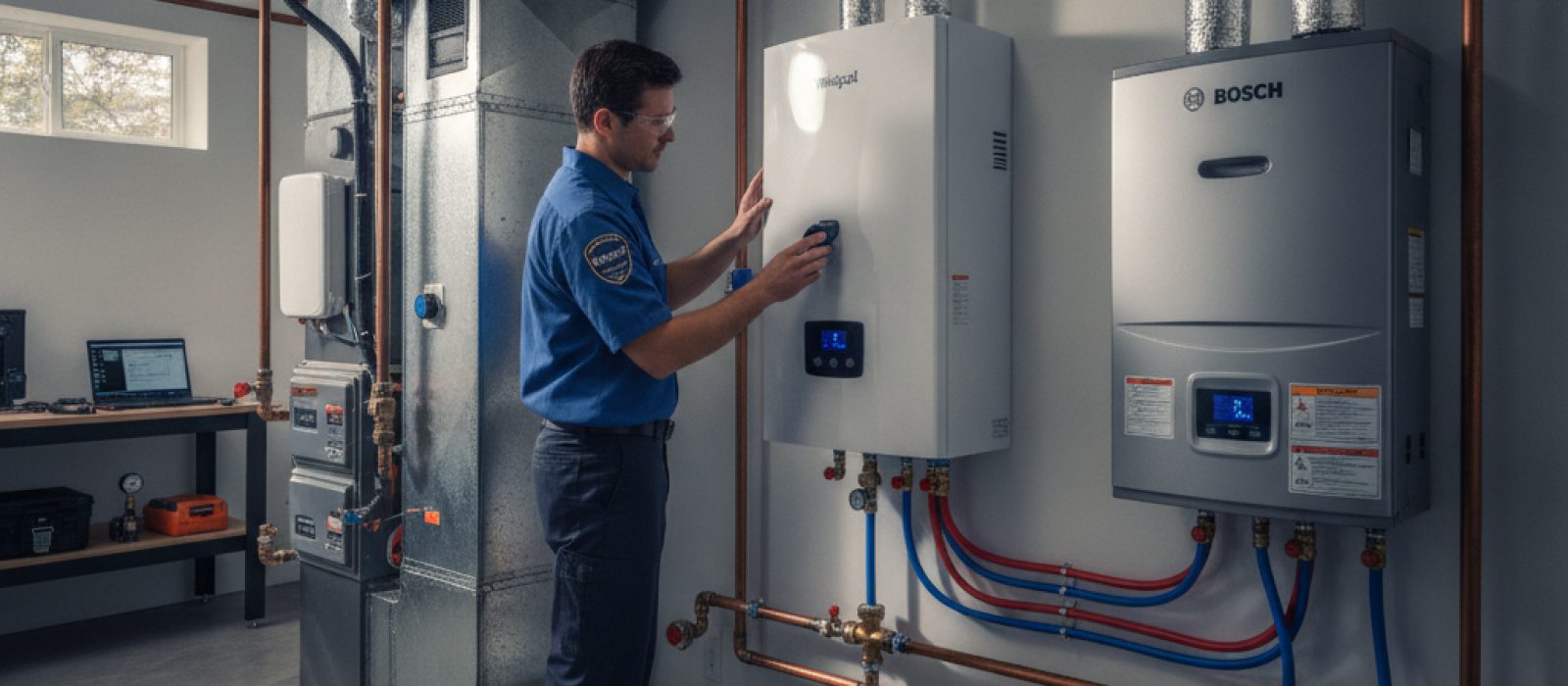
A practical guide to understanding the operational differences, maintenance needs, and common troubleshooting steps for Whirlpool and Bosch water heaters.
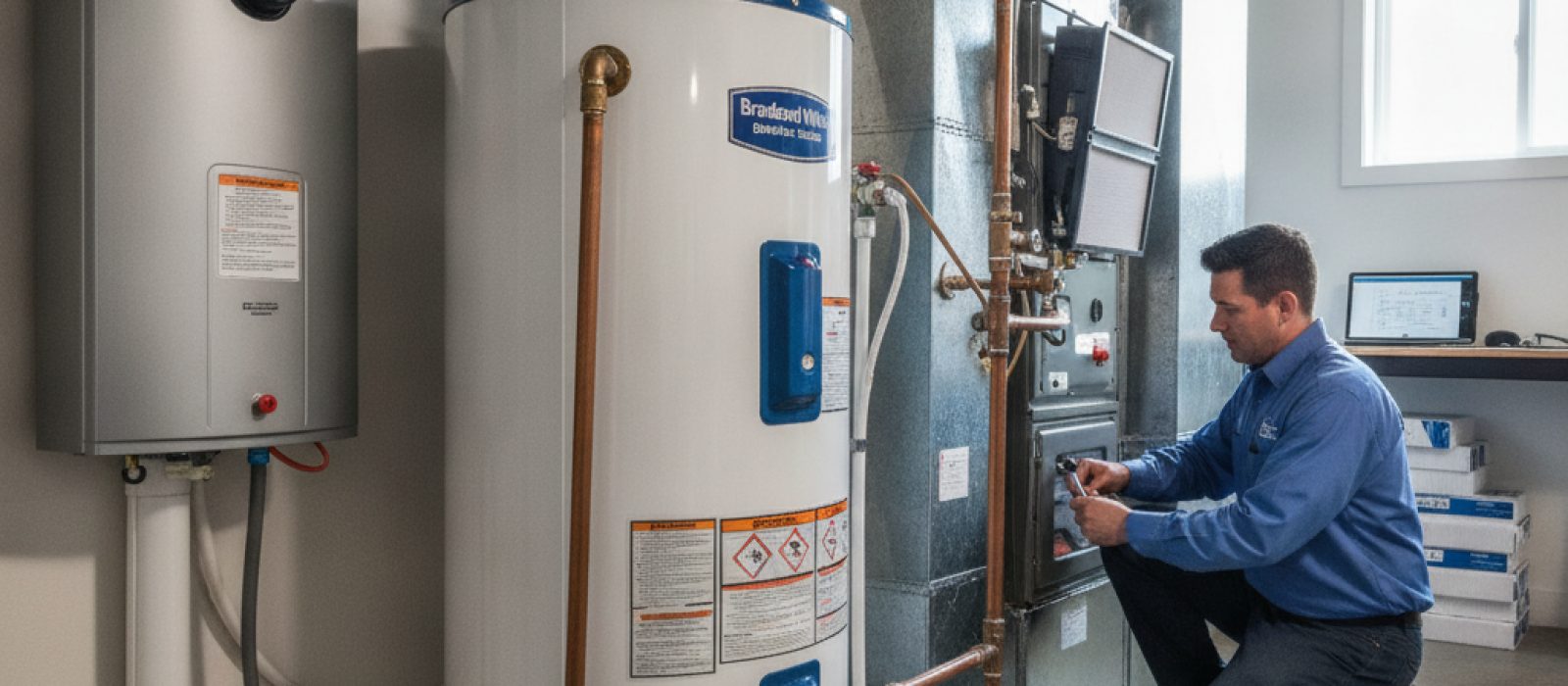
Learn how to choose between 40 and 75-gallon Bradford White water heaters and understand which model fits your home's hot water demands.
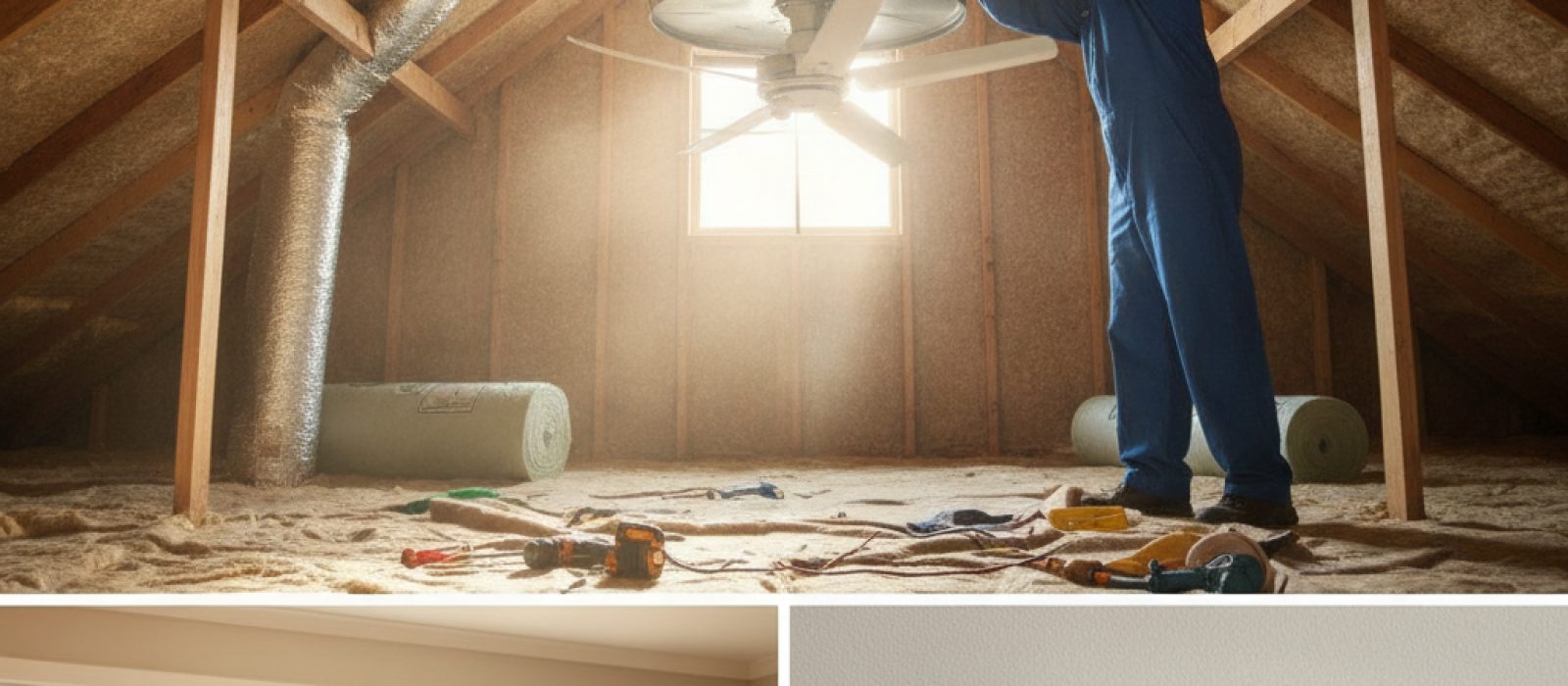
Learn how attic fans manage thermal buildup, the factors influencing installation costs, and the critical mistakes to avoid for a balanced home system.
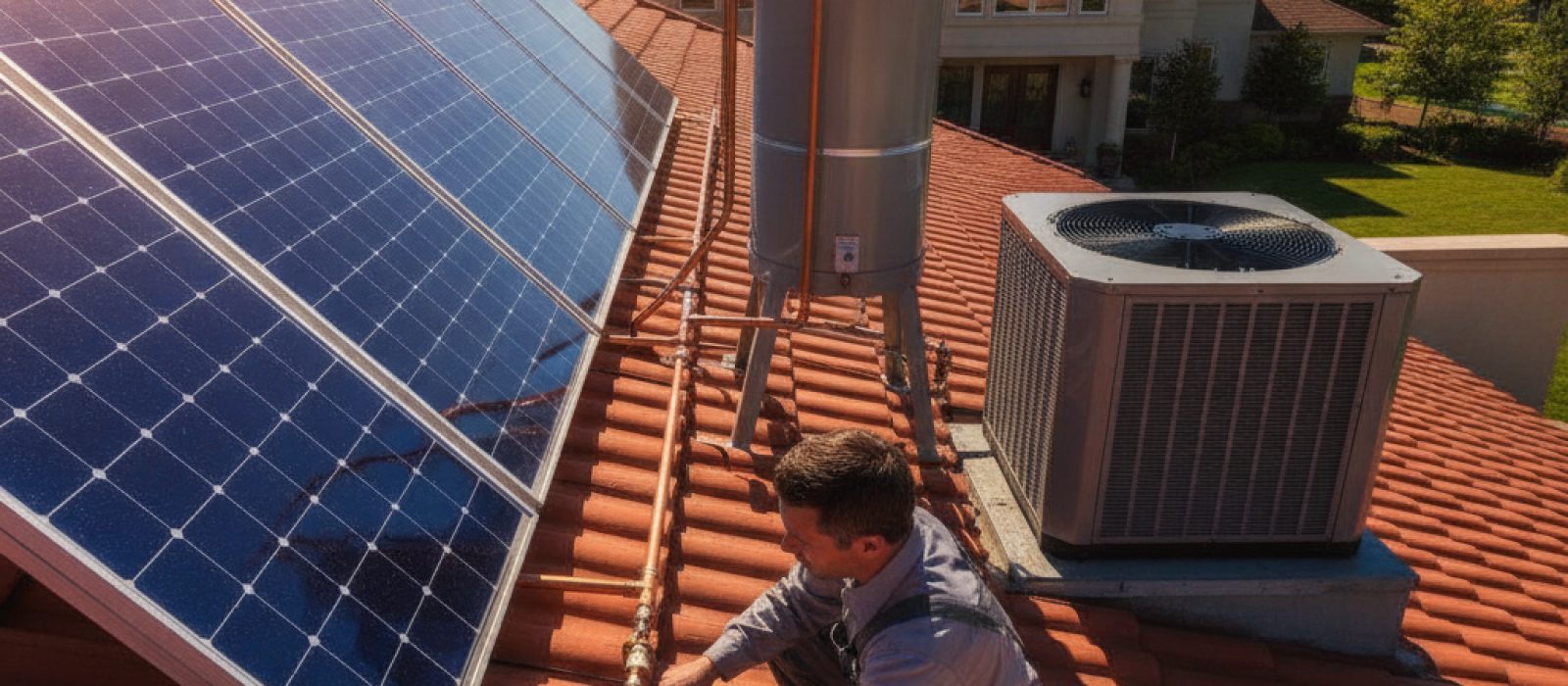
Understand the mechanics, efficiency benefits, and practical considerations of installing a solar-powered water heating system in your home.
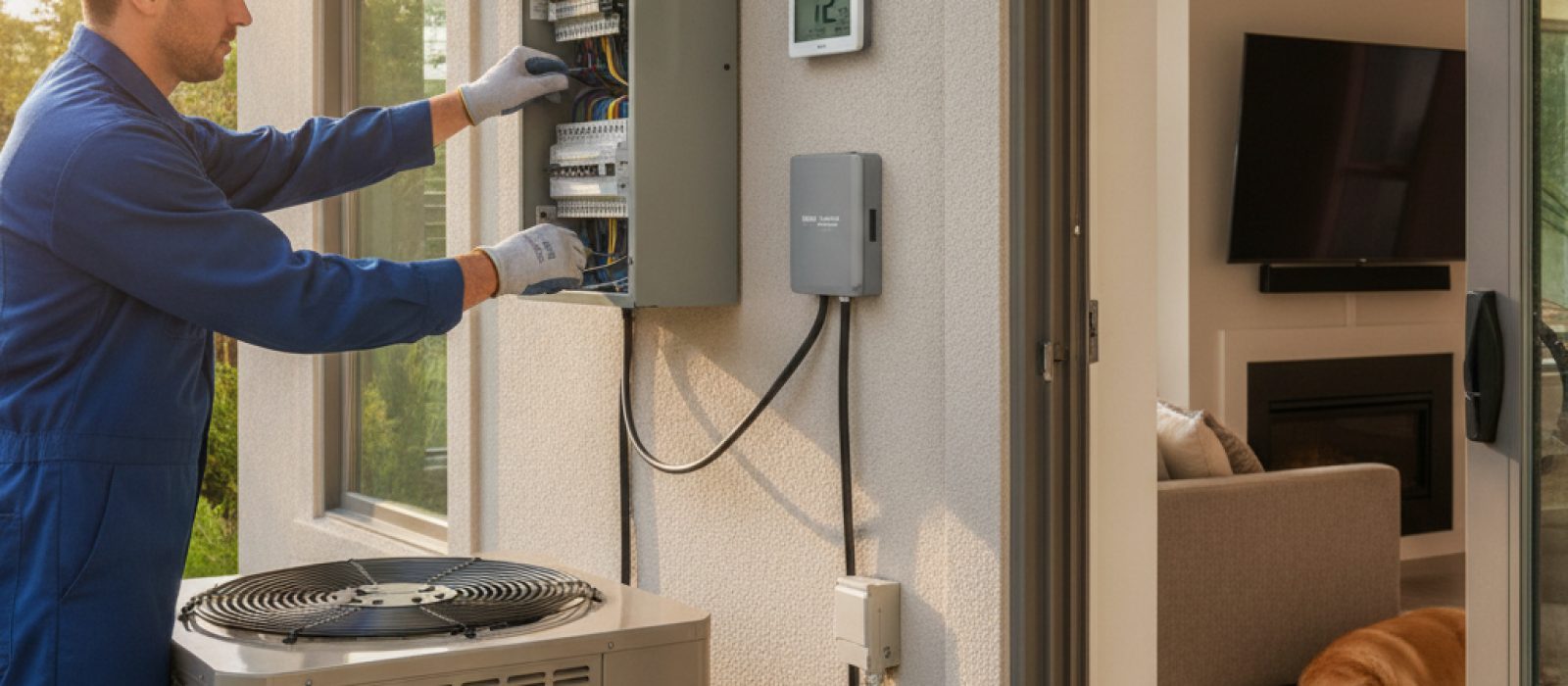
Learn how whole-house surge protectors safeguard sensitive HVAC equipment and home electronics from damaging power spikes and electrical surges.
Be the first to comment.