
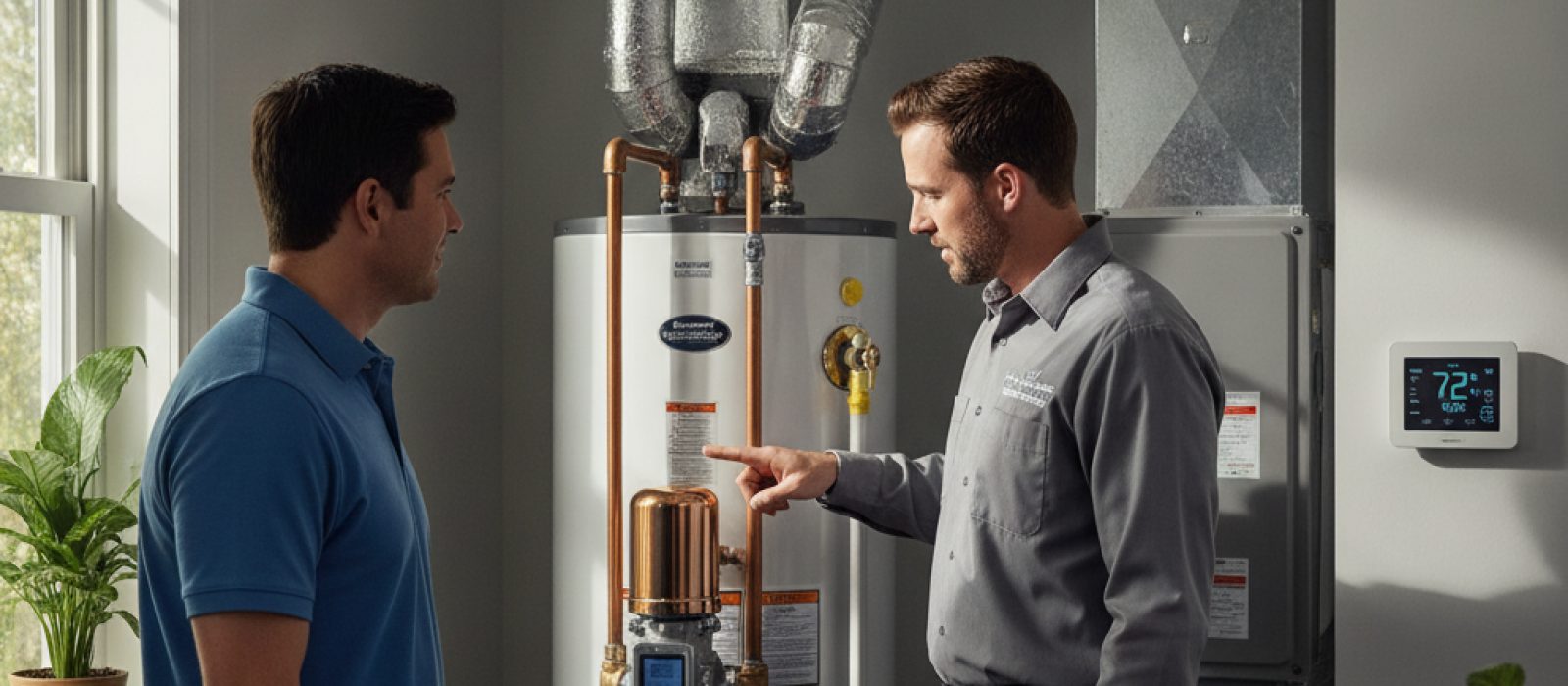
Hot Water Recirculating Pumps: How They Work and What They Cost
Learn how hot water recirculating pumps provide instant hot water, the different installation types, and the factors that influence overall project costs.
3 min read

When it comes to your home's heating and cooling, you might think bigger is always better. However, that's a common misconception that can lead to significant problems. The truth is, the ideal HVAC system for your home isn't about its physical size, but rather its capacity to meet your specific heating and cooling needs. This is where HVAC load calculation comes in – a critical, often overlooked step in ensuring home comfort and energy efficiency.
An HVAC load calculation is a detailed, scientific process used by HVAC professionals to determine the precise amount of heating and cooling your home requires. It's not a guesswork estimation; it's based on industry-standard methodologies, like those outlined by ACCA (Air Conditioning Contractors of America) Manual J, S, and D.
Ignoring a proper load calculation can lead to a host of issues, from discomfort to wasted money. Here’s why it's absolutely essential for any new HVAC installation or significant system replacement:
A comprehensive HVAC load calculation takes into account numerous unique characteristics of your home. It’s a complex process that goes far beyond just square footage. Key factors include:
Using this data, HVAC professionals employ specialized software and formulas to calculate the precise BTU (British Thermal Unit) output needed for both heating and cooling. This ensures the chosen system is perfectly matched to your home's unique demands.
Some contractors might try to size a system based solely on square footage or by simply replacing your old unit with one of the same size. This approach is fraught with problems because homes change over time. You might have added insulation, replaced windows, or sealed air leaks, all of which alter your home's heating and cooling requirements. Relying on outdated sizing or rule-of-thumb methods is a recipe for disappointment.
When investing in a new HVAC system, don't underestimate the importance of a professional HVAC load calculation. It’s the foundational step for achieving optimal comfort, maximizing energy efficiency, and extending the life of your equipment. Insist on a contractor who performs a thorough, detailed load calculation for your home. It’s an investment in your comfort and your wallet that pays dividends for years to come.
Learn how hot water recirculating pumps provide instant hot water, the different installation types, and the factors that influence overall project costs.
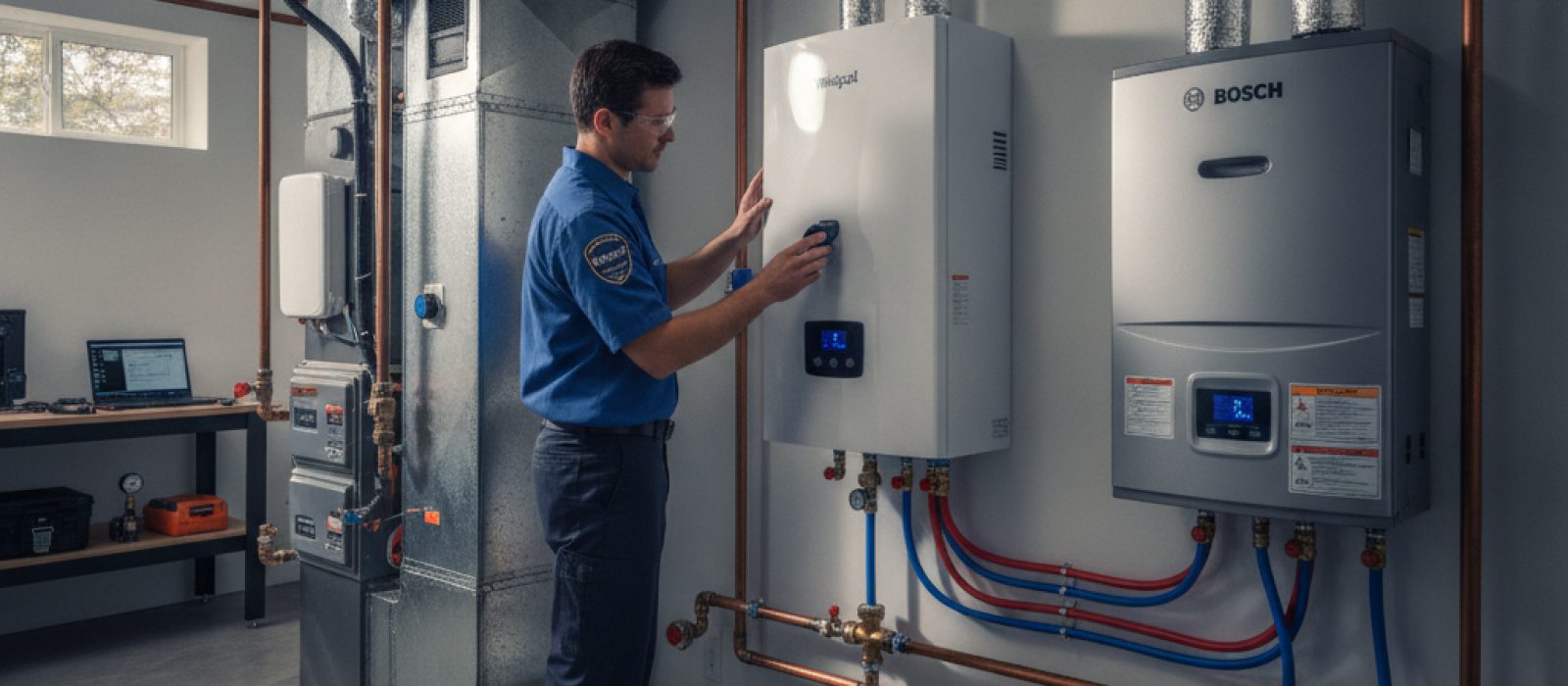
A practical guide to understanding the operational differences, maintenance needs, and common troubleshooting steps for Whirlpool and Bosch water heaters.
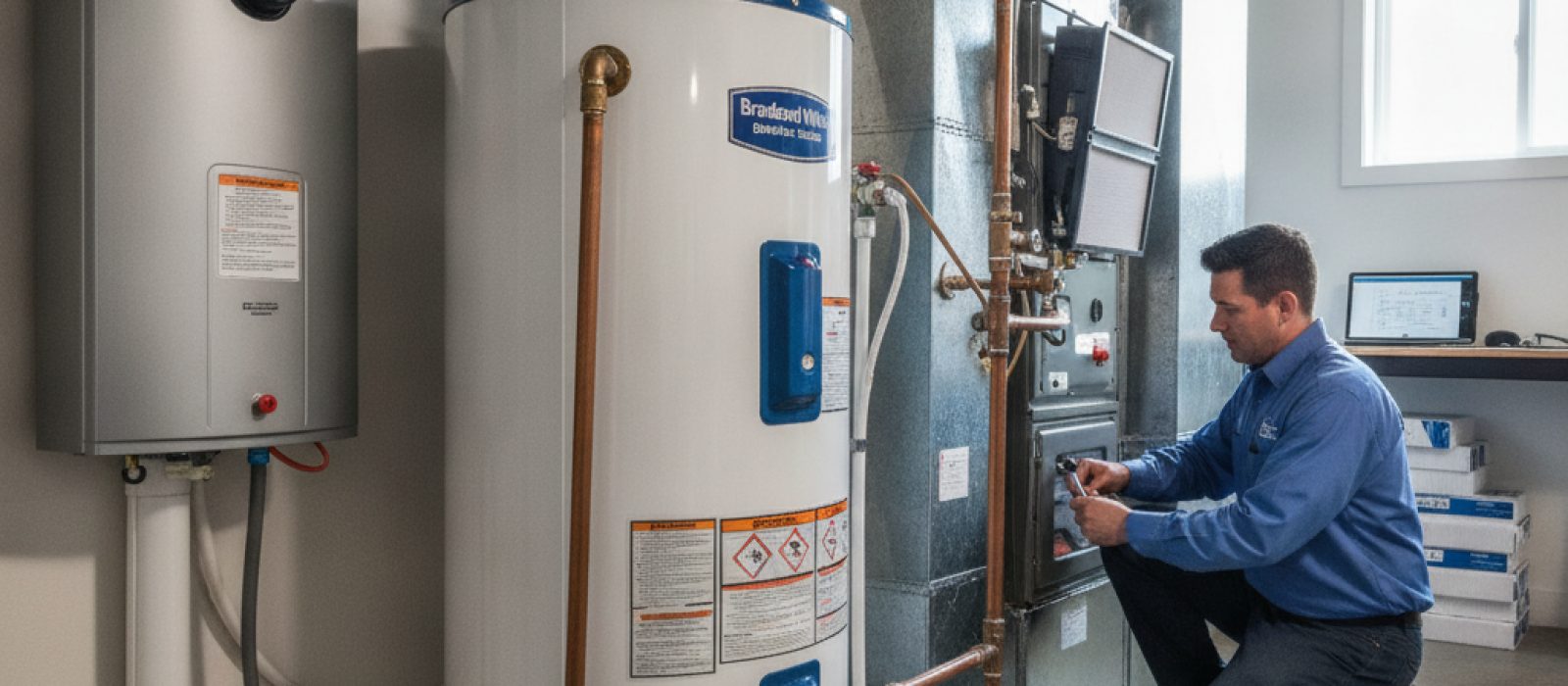
Learn how to choose between 40 and 75-gallon Bradford White water heaters and understand which model fits your home's hot water demands.

Learn how attic fans manage thermal buildup, the factors influencing installation costs, and the critical mistakes to avoid for a balanced home system.
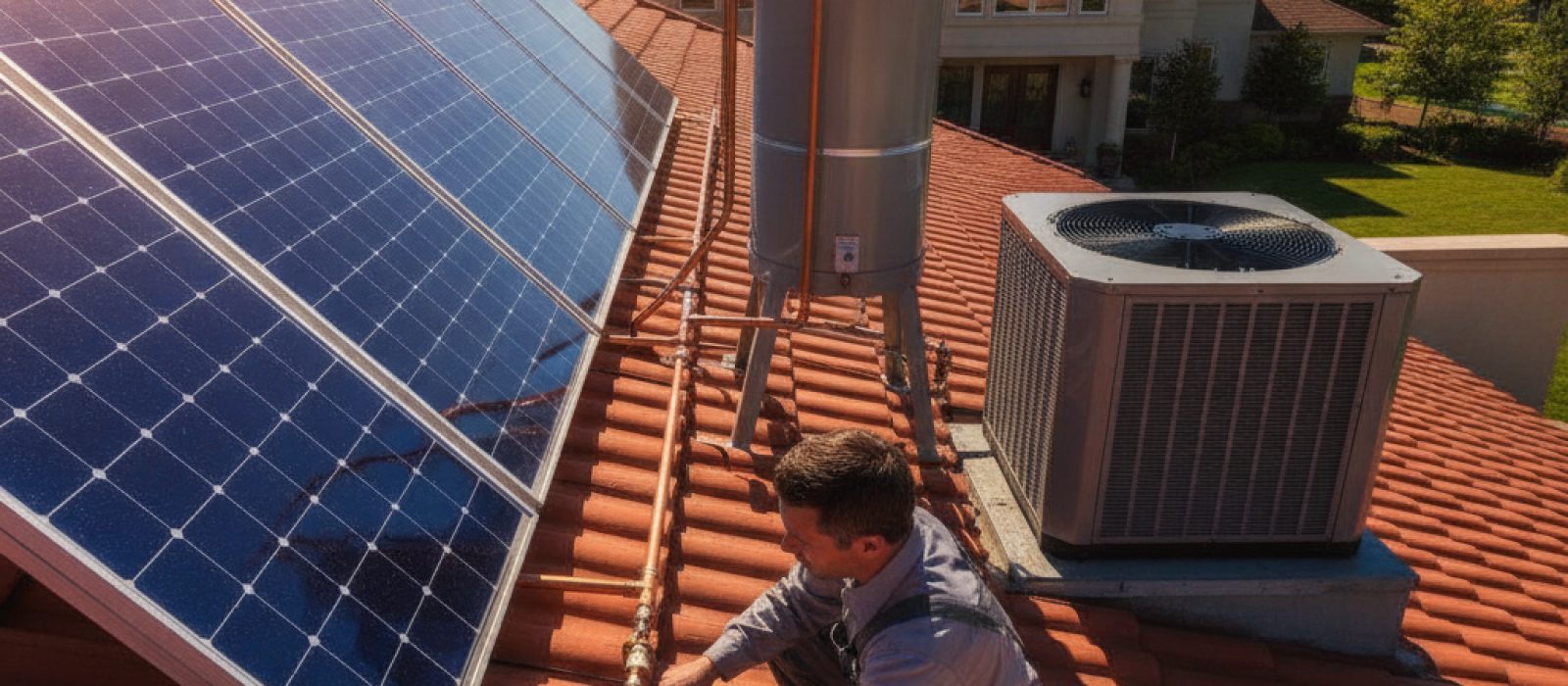
Understand the mechanics, efficiency benefits, and practical considerations of installing a solar-powered water heating system in your home.

Learn how whole-house surge protectors safeguard sensitive HVAC equipment and home electronics from damaging power spikes and electrical surges.
Be the first to comment.