
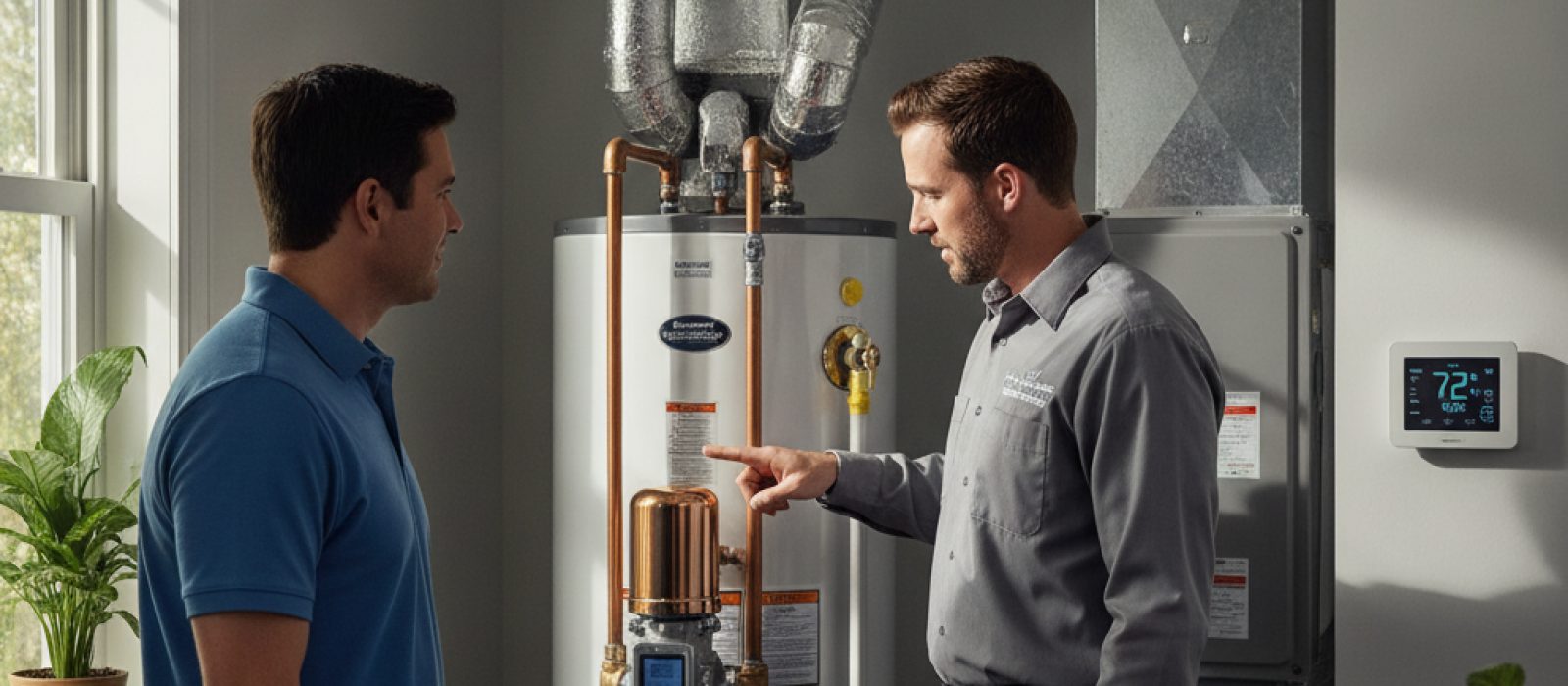
Hot Water Recirculating Pumps: How They Work and What They Cost
Learn how hot water recirculating pumps provide instant hot water, the different installation types, and the factors that influence overall project costs.
4 min read

When your air conditioner stops cooling or your furnace refuses to ignite, your first thought is often, "How much is this going to cost?" A common component of that cost is the HVAC service call fee, sometimes referred to as a diagnostic fee or trip charge. This isn't just a charge for showing up; it covers the essential initial steps a professional technician takes to understand and address your system's problem.
Think of it like visiting a doctor. You pay for the consultation and examination, even before any treatment or medication is prescribed. Similarly, an HVAC service call fee covers the cost of getting a skilled professional to your home, assessing your unique system, and accurately diagnosing the issue.
The service call fee isn't a nebulous charge; it covers several critical elements that enable a proper diagnosis and solution for your HVAC issues.
Travel and Logistics: This component covers the technician's time and fuel expenses for driving to your home. HVAC companies operate vehicles that require maintenance, insurance, and fuel, and these operational costs are factored in.
Expertise and Training: You're paying for the technician's specialized knowledge and extensive training. HVAC systems are complex, involving electrical, mechanical, and refrigerant components. Diagnosing problems requires years of experience and ongoing education to stay current with new technologies and regulations.
Specialized Tools and Equipment: Technicians arrive with a truck full of sophisticated diagnostic tools – multimeters, refrigerant gauges, thermal imaging cameras, and more. These tools are expensive to purchase and maintain, and they are essential for accurately pinpointing issues without guesswork.
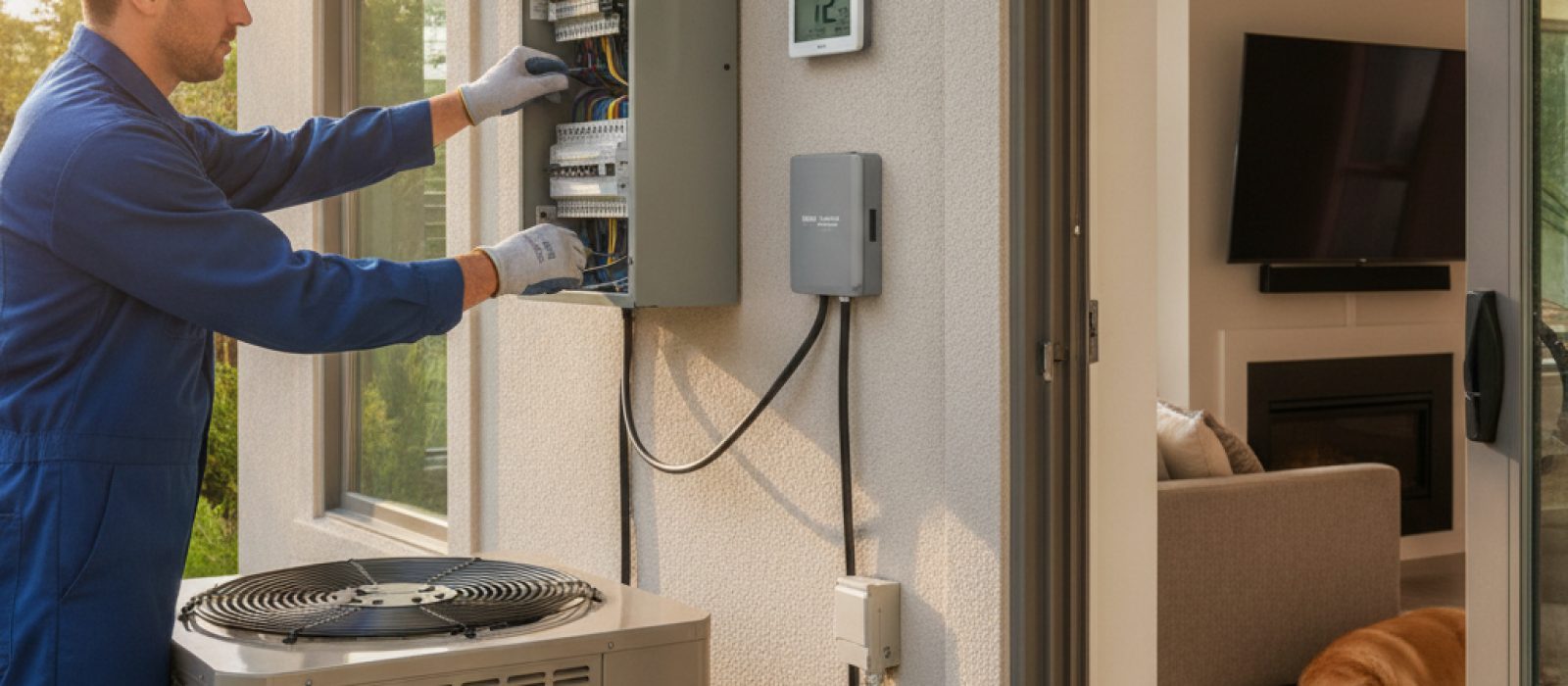
Initial System Assessment: The fee covers the time the technician spends thoroughly inspecting your system. This isn't just a quick glance; it involves checking various components, testing electrical connections, observing operational cycles, and often performing basic safety checks to ensure there are no immediate hazards.
Problem Diagnosis: This is perhaps the most crucial part. The technician uses their expertise and tools to identify the root cause of the problem. A proper diagnosis prevents unnecessary repairs and ensures a lasting solution.
Written Estimate and Explanation: After diagnosis, the technician will provide a clear, written explanation of the problem, the recommended repairs, and a detailed estimate for those repairs. The service call fee ensures you receive this professional assessment and transparent pricing before committing to any further work.
The service call fee is distinct from the cost of repairs or parts for a very good reason: until a diagnosis is made, neither you nor the technician knows what repairs are needed. Including repair costs in a flat service fee would be like a doctor charging you for surgery before they even know what's wrong. It's impractical and would likely lead to inflated or inaccurate pricing.
Once the diagnosis is complete, the technician will present a separate quote for any necessary repairs, including labor for the repair work and the cost of any parts. At this point, you have the option to proceed with the repairs or decline them.
Some companies may waive the service call fee if you proceed with major repairs. Others might apply the fee towards the total repair cost. This varies significantly between HVAC providers, so it's always a good idea to clarify their policy when you schedule your appointment. For routine maintenance appointments, many companies offer service plans that include regular check-ups, often at a reduced or no diagnostic fee if a problem is found during the visit.
To avoid surprises, always ask these questions when you call to schedule an HVAC service:
What is your standard service call fee?
What exactly does that fee cover?
Is the service call fee waived or applied to the repair cost if I approve the recommended repairs?
Do you provide a written estimate before starting any repair work?
Are your technicians licensed and insured?
Understanding the service call fee helps you appreciate the value of professional HVAC service. It ensures you're paying for expertise, thorough diagnosis, and a clear path to getting your home's comfort system back in working order.
Learn how hot water recirculating pumps provide instant hot water, the different installation types, and the factors that influence overall project costs.
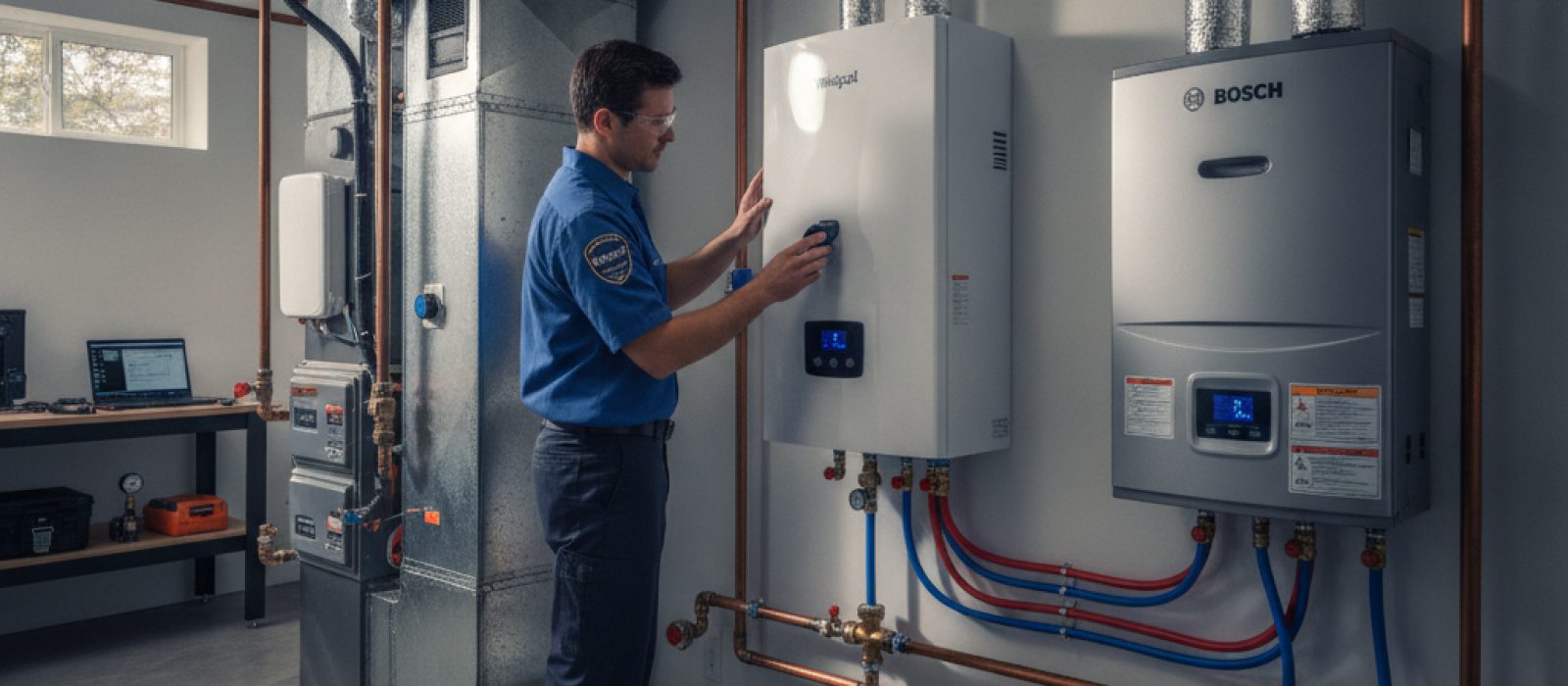
A practical guide to understanding the operational differences, maintenance needs, and common troubleshooting steps for Whirlpool and Bosch water heaters.
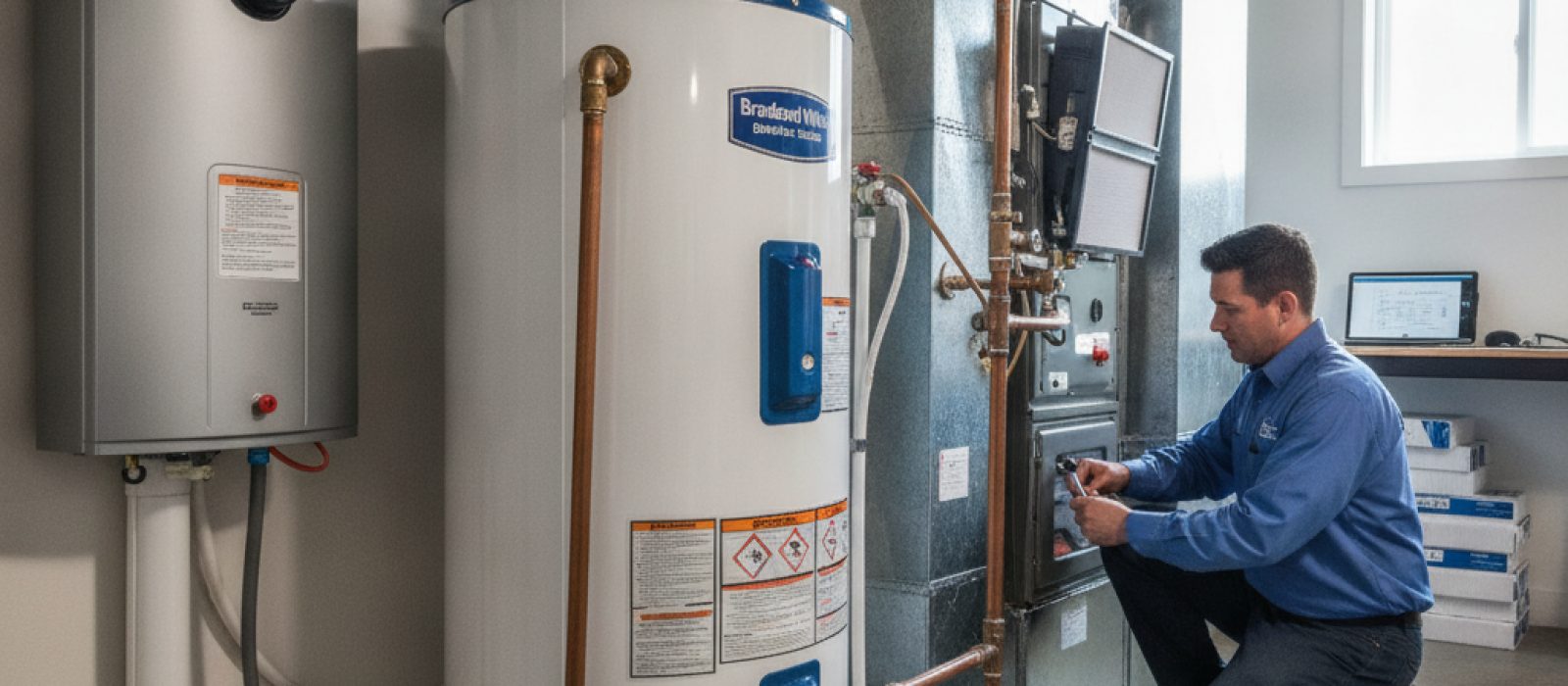
Learn how to choose between 40 and 75-gallon Bradford White water heaters and understand which model fits your home's hot water demands.

Learn how attic fans manage thermal buildup, the factors influencing installation costs, and the critical mistakes to avoid for a balanced home system.
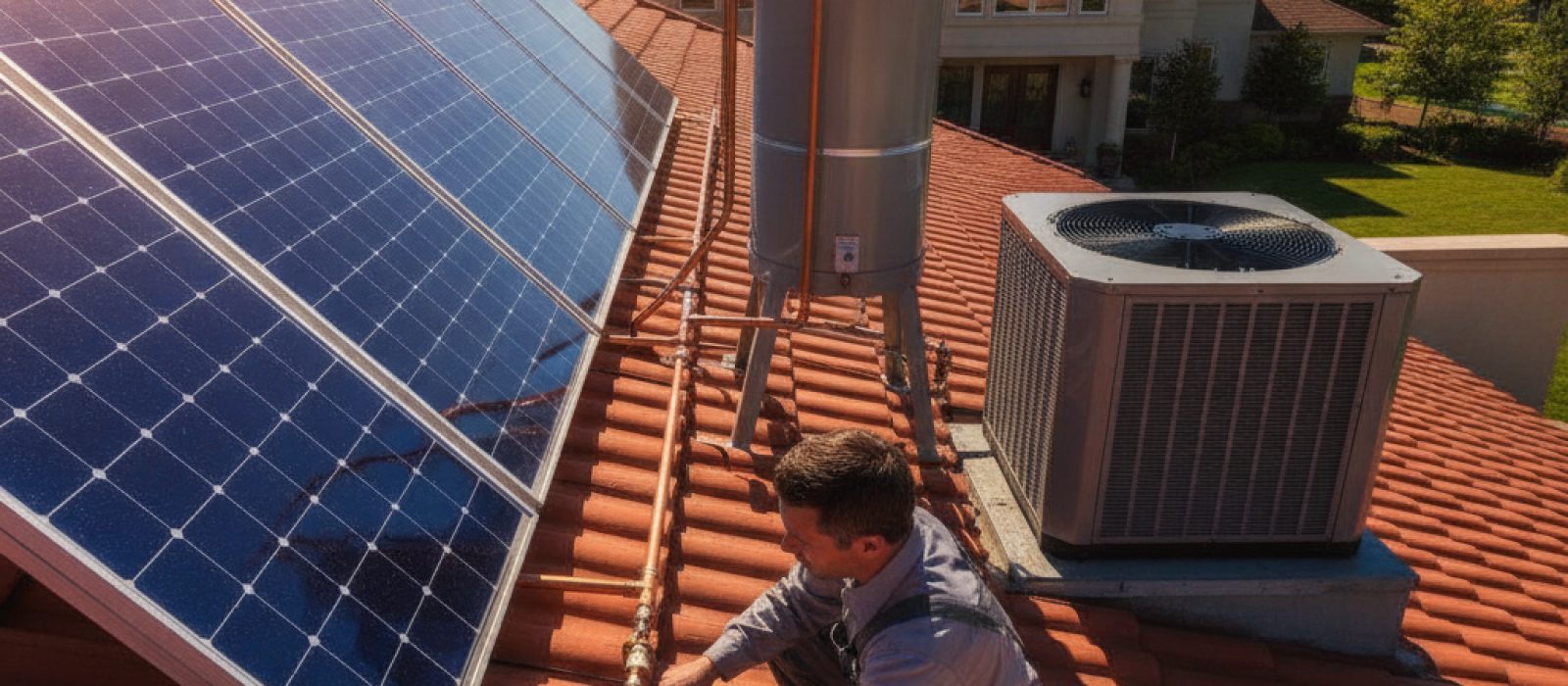
Understand the mechanics, efficiency benefits, and practical considerations of installing a solar-powered water heating system in your home.
Learn how whole-house surge protectors safeguard sensitive HVAC equipment and home electronics from damaging power spikes and electrical surges.
Be the first to comment.