
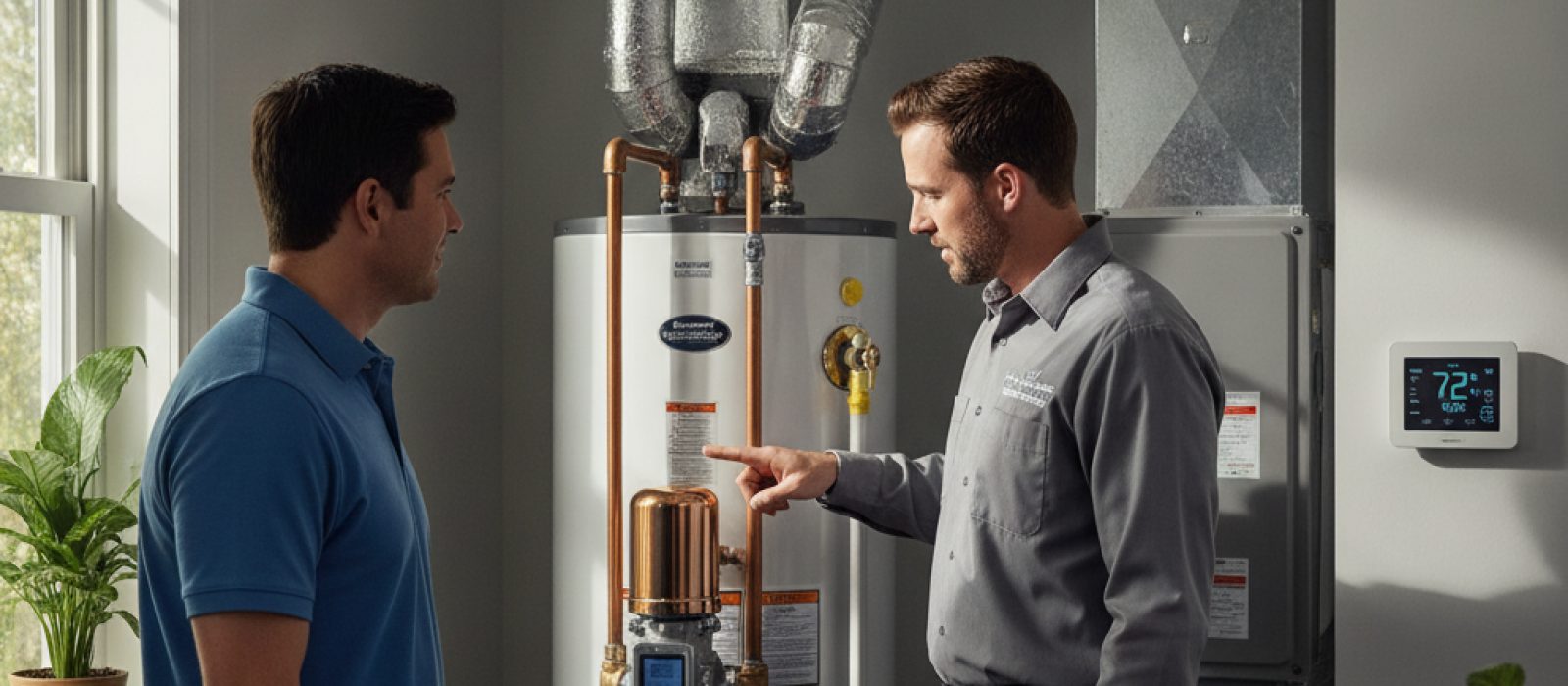
Hot Water Recirculating Pumps: How They Work and What They Cost
Learn how hot water recirculating pumps provide instant hot water, the different installation types, and the factors that influence overall project costs.
4 min read

Managing energy costs during a Texas summer requires a multifaceted approach that addresses both the performance of your cooling equipment and the thermal integrity of your home. High humidity and extreme ambient temperatures force air conditioning systems to work significantly harder than in more temperate climates. This guide outlines how to balance indoor comfort with utility consumption by focusing on system efficiency and load reduction.
The most effective way to influence energy usage is through strategic thermostat management. Every degree of adjustment during peak outdoor heat directly impacts the duty cycle of your air conditioner. While it is tempting to set a thermostat to a very low temperature, a moderate setting—often recommended as the highest comfortable temperature—can significantly reduce the duration the compressor runs.
Programmable or smart thermostats allow for automated adjustments based on occupancy patterns. By allowing the indoor temperature to rise slightly when the home is unoccupied and cooling it back down shortly before your return, you prevent the system from fighting against the peak heat of the afternoon unnecessarily. For those requiring assistance with these devices, professional Thermostat Services can ensure your hardware is configured to optimize energy distribution effectively.
An air conditioning system operating with dirty coils or restricted airflow will consume more electricity while providing less cooling capacity. Regular Maintenance & Tune-up appointments are essential for identifying minor issues before they escalate into high-consumption problems. During these visits, technicians verify refrigerant levels, clean condenser coils, and ensure electrical connections are secure.
Homeowners can safely contribute to system health by ensuring the area around the outdoor condenser unit remains clear. Keep vegetation trimmed at least two feet away from the unit and ensure the area is free of debris, such as leaves or grass clippings. These obstructions restrict airflow, forcing the system to work harder to reject heat, which inherently raises monthly operational costs.
Your cooling system is only as efficient as the home it is cooling. If your residence is leaking conditioned air through windows, doors, or attic hatches, the system must cycle more frequently to compensate for the heat gain. Inspecting window seals and door weatherstripping is a practical, low-cost maintenance task that pays dividends throughout the cooling season.
Attic insulation levels also play a critical role in Texas homes. Proper insulation acts as a thermal barrier, preventing the sun-baked heat of the roof deck from infiltrating the living space. If you notice specific rooms that are consistently warmer than others, it may indicate a need for professional Ductwork Services to address potential leaks or imbalanced airflow within the ventilation system.
In Texas, humidity control is as important as temperature reduction. High indoor humidity makes air feel warmer than it actually is, often leading homeowners to lower their thermostat settings further, which increases energy usage. Ensuring that your HVAC system is properly sized for your square footage is the first step in effective dehumidification.
If humidity remains a persistent issue despite a functioning cooling system, consider investigating dedicated Indoor Air Quality solutions. Modern systems can incorporate dehumidification components that work in tandem with your cooling equipment to create a more comfortable environment at higher set temperatures. Proper airflow is also vital; ensure that supply and return vents are never blocked by furniture, rugs, or curtains, as this creates backpressure that reduces overall system efficiency.
Older HVAC units often lack the advanced features found in modern, high-efficiency equipment, such as multi-stage compressors and variable-speed blowers. These components allow a system to operate at lower capacities during mild weather and ramp up only when necessary. If your current system is nearing the end of its typical lifespan, exploring Energy Efficient Solutions may be more cost-effective than continuing to pay for frequent repairs and high electricity bills.
Consulting with a professional allows you to understand the SEER2 ratings of modern units and how they relate to your specific home footprint. A well-designed system that is correctly sized for the load of the home will provide consistent cooling with minimal energy waste. Always prioritize systems that are installed according to current regional building codes to ensure longevity and peak performance.
Learn how hot water recirculating pumps provide instant hot water, the different installation types, and the factors that influence overall project costs.
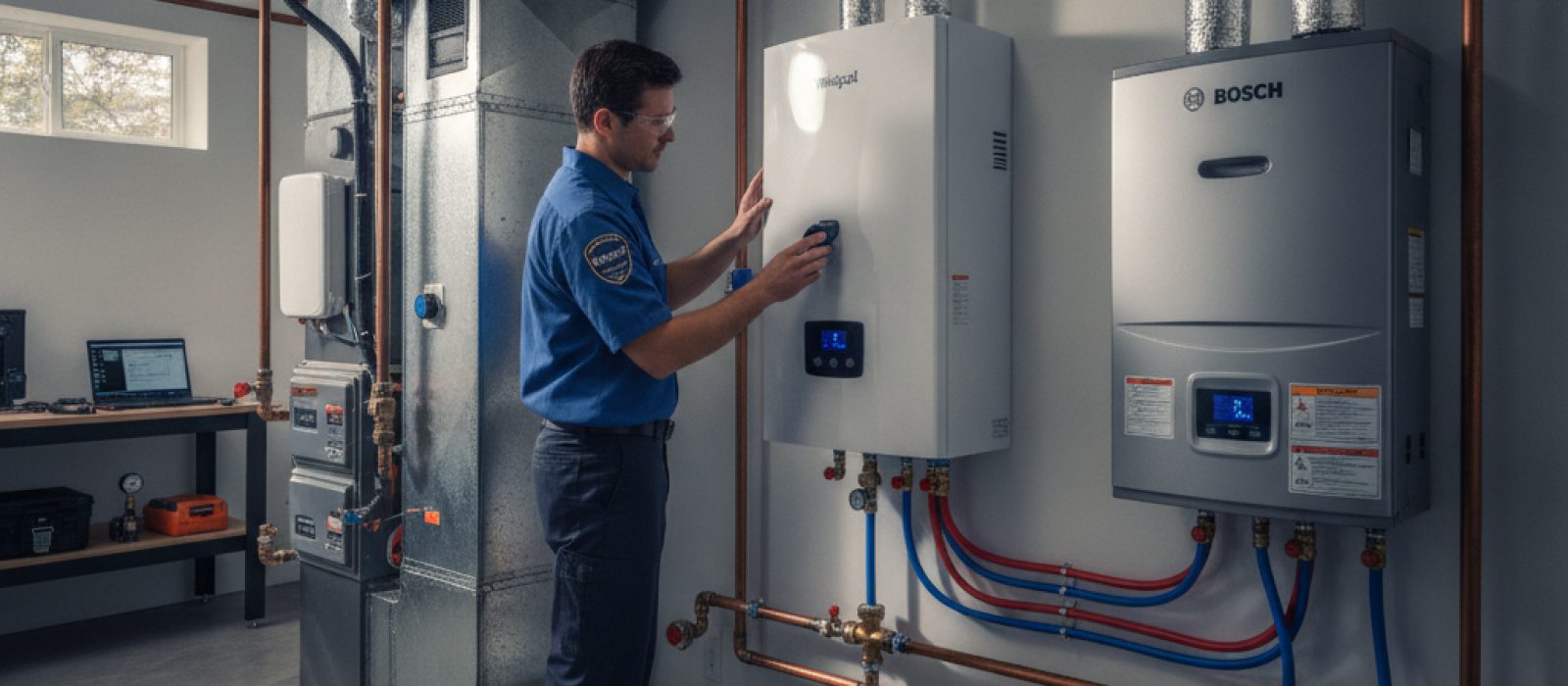
A practical guide to understanding the operational differences, maintenance needs, and common troubleshooting steps for Whirlpool and Bosch water heaters.
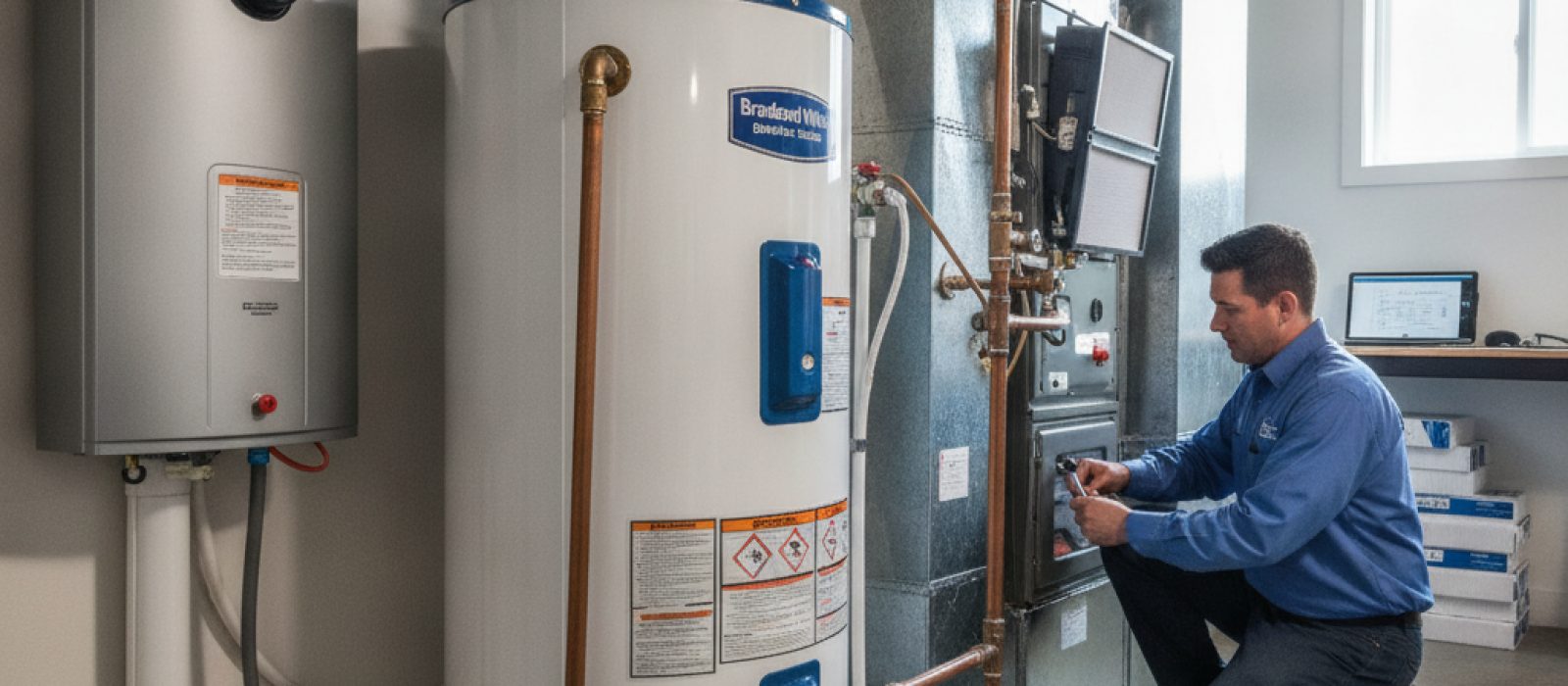
Learn how to choose between 40 and 75-gallon Bradford White water heaters and understand which model fits your home's hot water demands.

Learn how attic fans manage thermal buildup, the factors influencing installation costs, and the critical mistakes to avoid for a balanced home system.
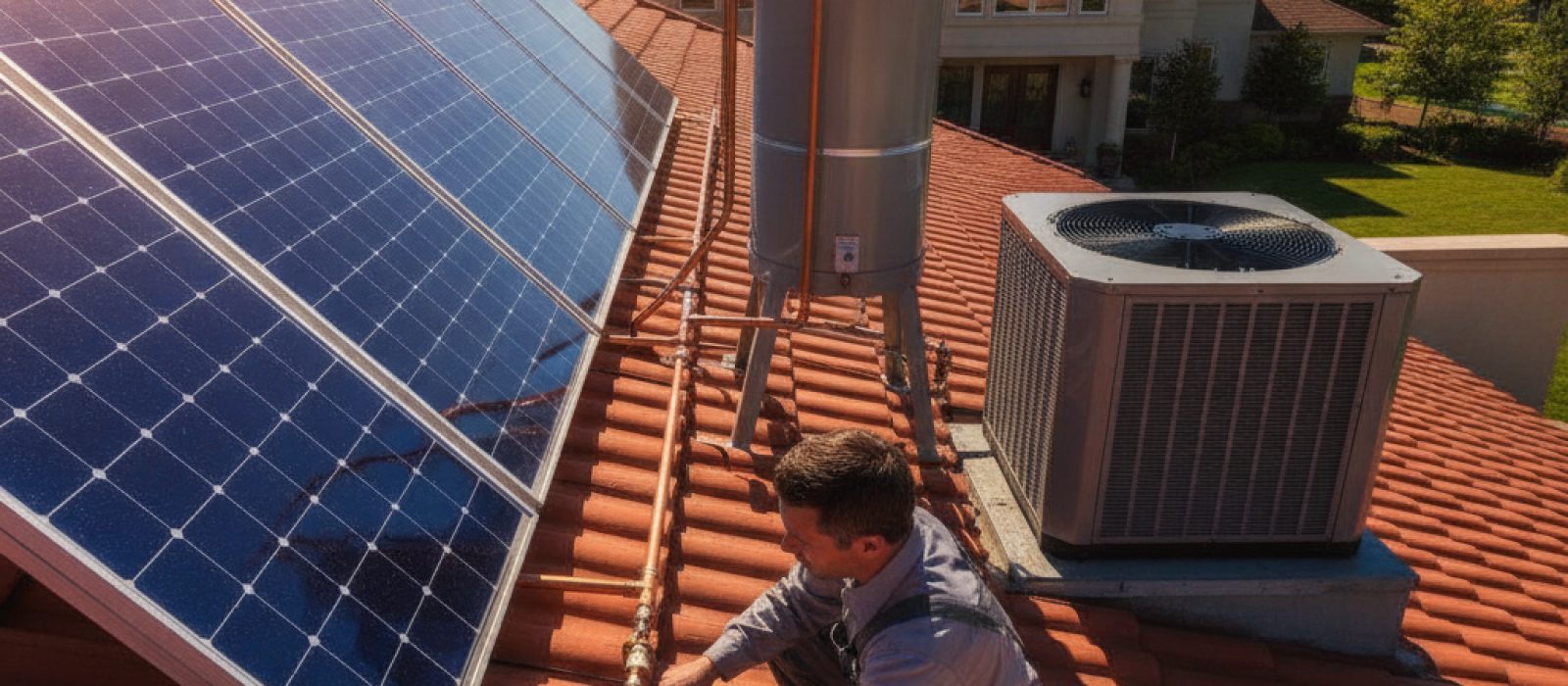
Understand the mechanics, efficiency benefits, and practical considerations of installing a solar-powered water heating system in your home.
Learn how whole-house surge protectors safeguard sensitive HVAC equipment and home electronics from damaging power spikes and electrical surges.
Be the first to comment.