
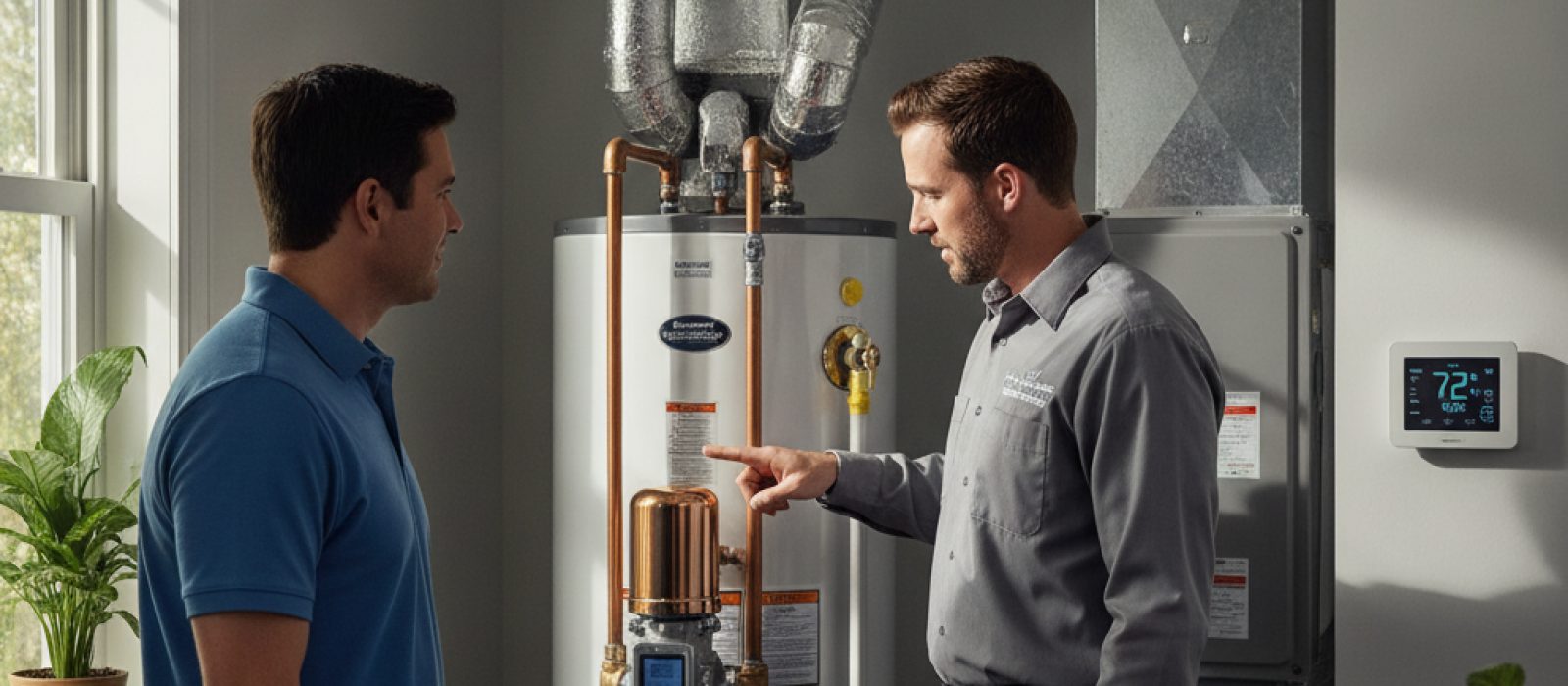
Hot Water Recirculating Pumps: How They Work and What They Cost
Learn how hot water recirculating pumps provide instant hot water, the different installation types, and the factors that influence overall project costs.
4 min read

Selecting the right water heater requires an understanding of the specific technology suited to a household's hot water demand. Rheem offers a diverse portfolio of units, ranging from traditional tank-style heaters to high-efficiency tankless models. Choosing between these options depends on fuel source availability, space constraints, and the volume of hot water required during peak usage times.
Tank-style models remain a standard choice for many homes due to their straightforward installation and consistent performance. These units store a predetermined amount of water at a set temperature. Conversely, tankless models provide on-demand heating, which eliminates standby heat loss and saves floor space. Homeowners often consult professionals for Plumbing Services to determine which configuration best suits their home's infrastructure.
Tank-style water heaters are categorized by their fuel source, typically gas or electric. Gas models often feature atmospheric venting or power-venting capabilities, which dictate how exhaust gases are managed. Electric models utilize heating elements submerged within the tank to warm the water.
High-efficiency gas models frequently incorporate advanced burner technology to improve recovery times. Recovery time refers to the speed at which the heater can replenish hot water after a heavy draw. When assessing these units, look for the energy factor rating, which provides insight into the unit's thermal efficiency over a 24-hour period.
Proper sizing is critical to ensure that a household does not run out of hot water during routine activities. Sizing is not merely about tank volume; it involves calculating the first-hour rating for tank models or the flow rate for tankless units.
If a home has experienced frequent shortages, it may be time to discuss system upgrades or Water Heaters maintenance with a qualified technician. Sometimes, sediment buildup in the tank reduces effective capacity, making a flush necessary before considering a replacement.
Homeowners often encounter issues that can be resolved with basic diagnostic checks. However, any work involving gas lines or high-voltage electrical connections should be handled by a licensed professional to ensure safety and code compliance.
If the water is not hot enough, first verify that the thermostat on the unit is set to an appropriate temperature. For electric models, a tripped circuit breaker or a faulty upper heating element is a frequent culprit. For gas models, ensure the pilot light is lit or the electronic ignition system is functioning correctly.
Discolored water often indicates internal corrosion or high sediment accumulation at the bottom of the tank. If the water has an odor, it may be caused by sulfate-reducing bacteria. In such cases, Water Treatment solutions may be required to address the water quality entering the home before it reaches the heater.
A leak originating from the top of the tank is often a loose plumbing connection that can be tightened. However, water leaking from the bottom of the tank usually indicates a failed inner tank or a compromised drain valve. If you notice persistent moisture, contact an expert for Emergency HVAC or plumbing evaluation to prevent property damage.
Extending the life of a water heater requires consistent care. Sediment buildup acts as an insulator, forcing the burner or elements to work harder and increasing energy consumption. Draining and flushing the tank annually helps remove mineral deposits, especially in areas with hard water.
The anode rod is another critical component to monitor. This rod is designed to corrode in place of the steel tank, effectively acting as a sacrificial barrier against rust. Checking the anode rod every two to three years and replacing it when it shows significant degradation can add years to the service life of the unit. If the unit is nearing the end of its projected lifespan, homeowners may consider proactive replacement to avoid the inconvenience of an unexpected failure.
Learn how hot water recirculating pumps provide instant hot water, the different installation types, and the factors that influence overall project costs.
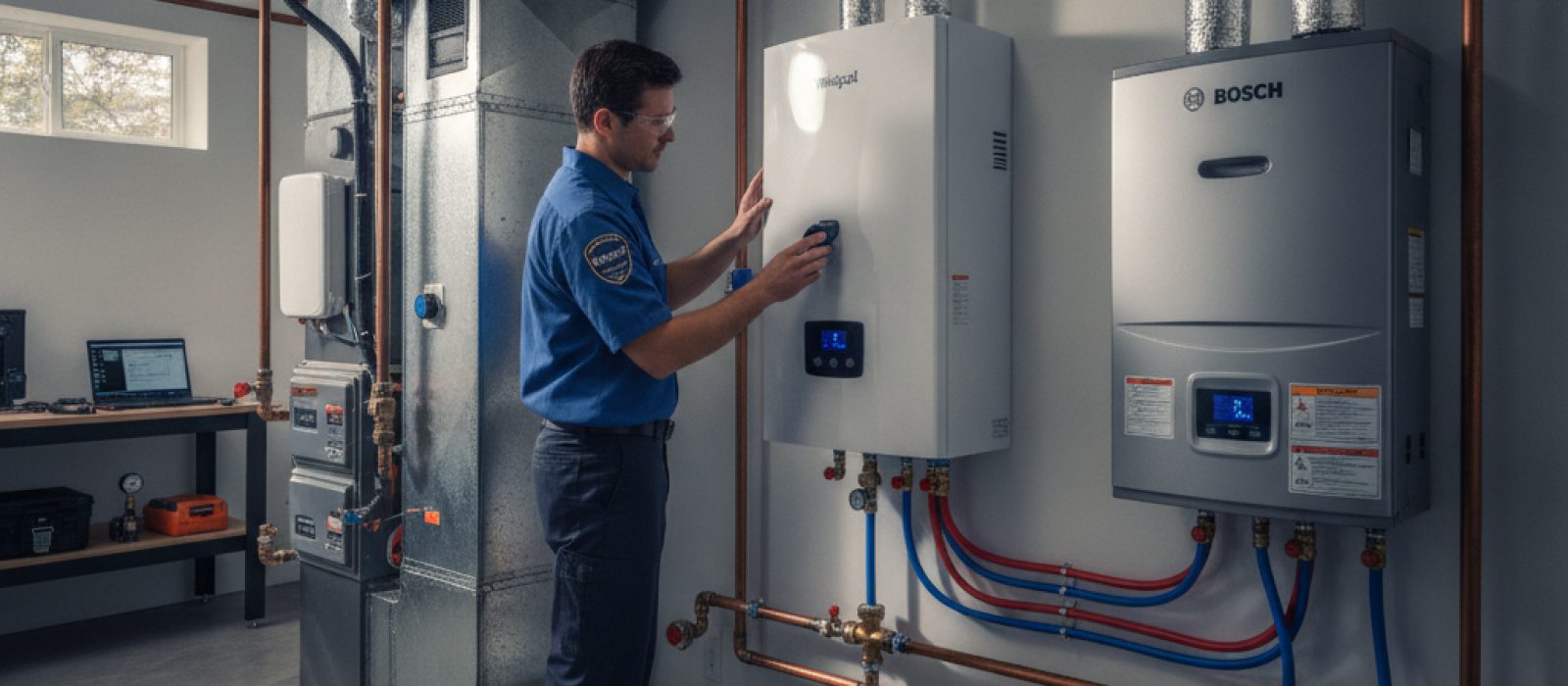
A practical guide to understanding the operational differences, maintenance needs, and common troubleshooting steps for Whirlpool and Bosch water heaters.
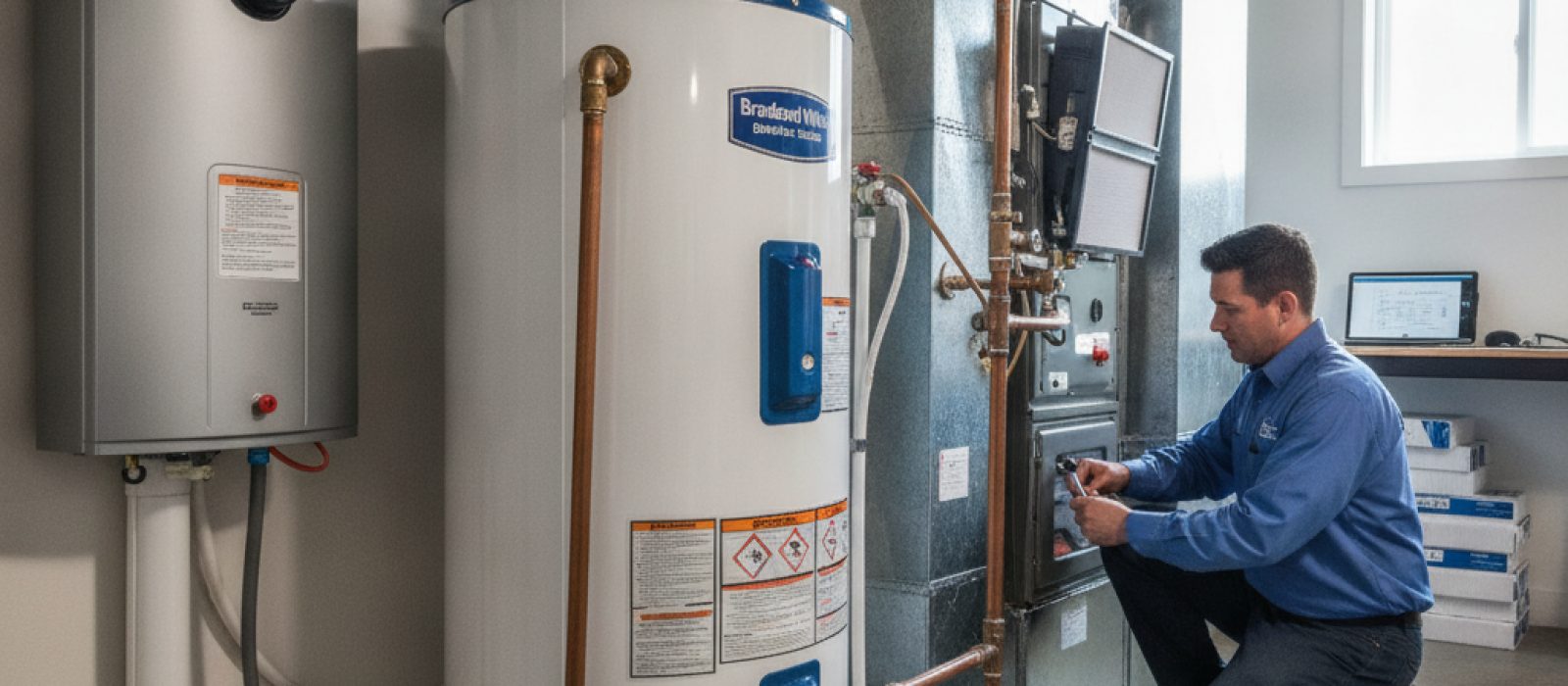
Learn how to choose between 40 and 75-gallon Bradford White water heaters and understand which model fits your home's hot water demands.

Learn how attic fans manage thermal buildup, the factors influencing installation costs, and the critical mistakes to avoid for a balanced home system.
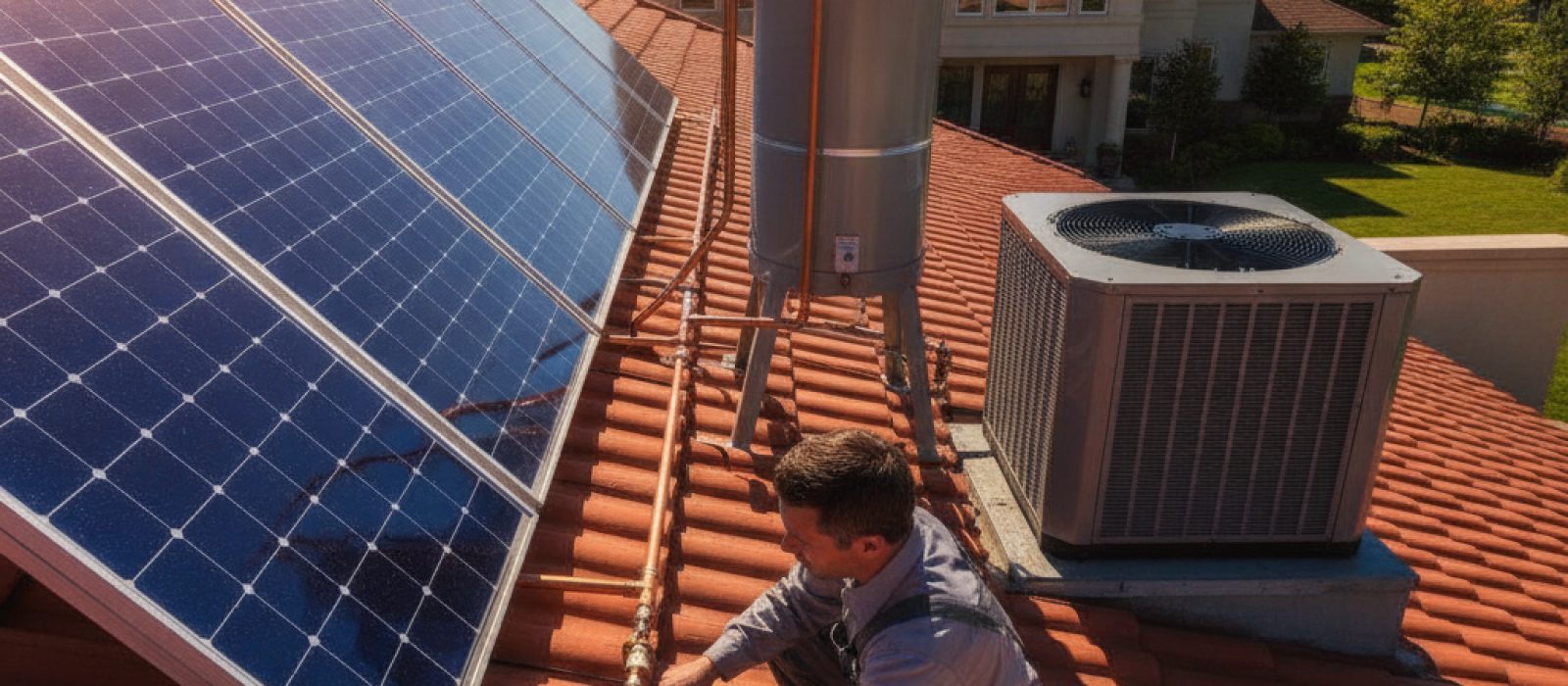
Understand the mechanics, efficiency benefits, and practical considerations of installing a solar-powered water heating system in your home.
Learn how whole-house surge protectors safeguard sensitive HVAC equipment and home electronics from damaging power spikes and electrical surges.
Be the first to comment.