
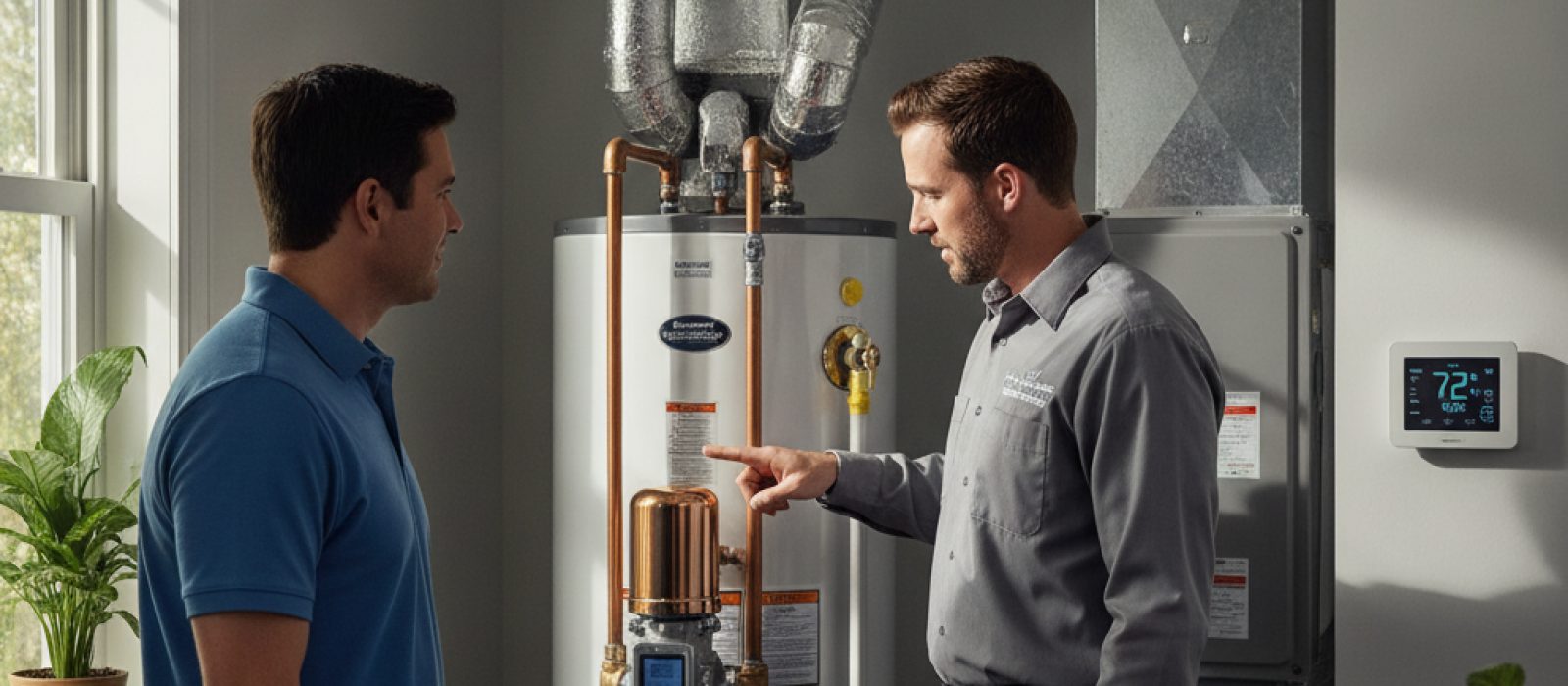
Hot Water Recirculating Pumps: How They Work and What They Cost
Learn how hot water recirculating pumps provide instant hot water, the different installation types, and the factors that influence overall project costs.
4 min read

Rheem offers a diverse range of tankless water heaters designed to provide on-demand hot water, effectively eliminating the need for a traditional storage tank. Choosing between gas and electric models requires an understanding of your home’s existing infrastructure. Gas units typically provide higher flow rates, making them suitable for larger households with high simultaneous demand. Electric units are often more compact and easier to install in specific zones, such as under a sink or in a small apartment, provided the electrical service can handle the load.
Gas-powered tankless units rely on high-efficiency burners to heat water as it passes through a heat exchanger. These systems require proper venting to exhaust combustion gases safely outside the home. Electric models use high-capacity heating elements to warm the water. While they do not require venting, they often demand a significant upgrade to the home's electrical panel capacity to accommodate the high amperage draw required for rapid heating.
Installing a tankless water heater is a complex task that involves plumbing, gas piping, or high-voltage electrical work. Because of the inherent risks associated with gas lines and high-voltage circuitry, this work should always be performed by a licensed professional. When planning for a new unit, verify that your home's current supply lines can meet the input requirements specified by the manufacturer.
For gas models, the gas line size must be sufficient to supply the necessary BTU output during peak operation. If the pipe diameter is too small, the unit will fail to reach its rated temperature rise. Furthermore, venting must be installed according to local building codes to ensure the safe removal of exhaust. Professional technicians specializing in Water Heaters can assess your home to determine if existing gas lines or vents need modification.
Electric tankless units require dedicated circuit breakers and heavy-gauge wiring. Many older homes lack the electrical capacity to support these systems without a service panel upgrade. If you are considering an electric model, consult an expert in Electrical Services to confirm your panel can handle the additional load without creating a safety hazard.
Tankless water heaters require periodic maintenance to remain efficient, particularly in regions with hard water. Minerals such as calcium and magnesium can accumulate inside the heat exchanger, creating scale buildup that reduces heat transfer efficiency and restricts water flow. This process, often called descaling or flushing, is essential for preserving the lifespan of the appliance.
Homeowners can monitor the system for signs of scale, such as a decrease in water pressure or temperature fluctuations. If the unit displays an error code related to flow or temperature, it is a strong indicator that maintenance is overdue. While some homeowners choose to perform a flush using a specialized pump and food-grade vinegar, many prefer to schedule Maintenance & Tune-up visits to ensure the work is done thoroughly and the system is inspected for leaks or combustion issues.
Beyond descaling, professional maintenance involves checking the intake air filters on gas units, inspecting flame sensors, and verifying that the electronic ignition is functioning correctly. Consistent care prevents premature failure of the heat exchanger, which is often the most expensive component of the system. Ensuring your unit receives regular check-ups is a practical strategy for maintaining home Energy Efficient Solutions and avoiding emergency repairs.
If your tankless unit fails to provide hot water, start by checking the power supply. Electric models may have tripped a dedicated breaker, while gas models require a functioning power source for the control board and ignition system. Ensure that the water shut-off valves are fully open and that there are no obstructions in the inlet water filter screen.
Temperature instability is another common concern. This often occurs when the flow rate exceeds the unit's capacity or when a mixing valve is improperly adjusted. If the water is lukewarm despite the unit running, the flow rate may need to be throttled back at the fixture. If the issue persists, the heat exchanger may be heavily scaled, or the thermistor may require calibration by a professional.
In cases where the unit is leaking or producing unusual noises, discontinue use immediately. Turn off the power supply and the water intake valve to prevent damage to your home. Contact a professional technician to diagnose the source of the leak, as internal components like pressure relief valves or gaskets may have reached the end of their service life.
Learn how hot water recirculating pumps provide instant hot water, the different installation types, and the factors that influence overall project costs.
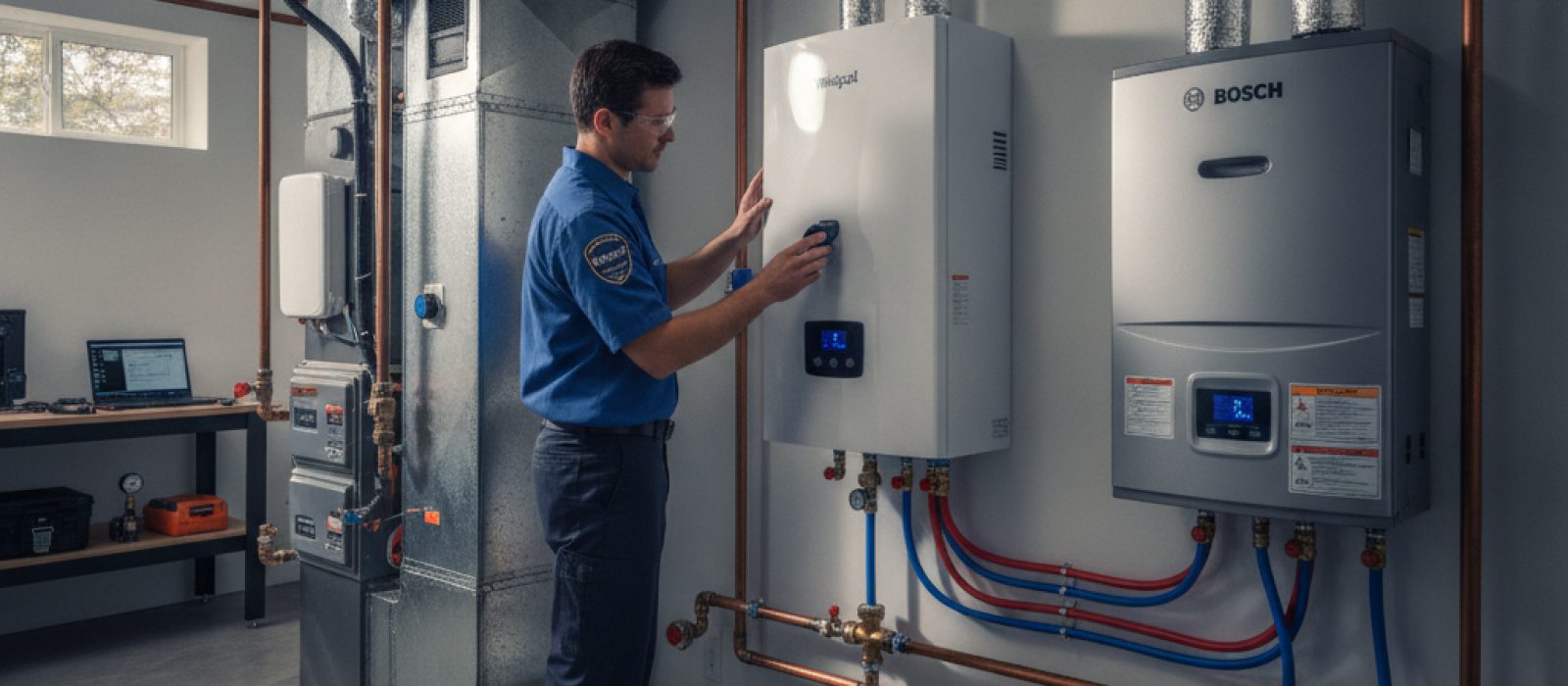
A practical guide to understanding the operational differences, maintenance needs, and common troubleshooting steps for Whirlpool and Bosch water heaters.
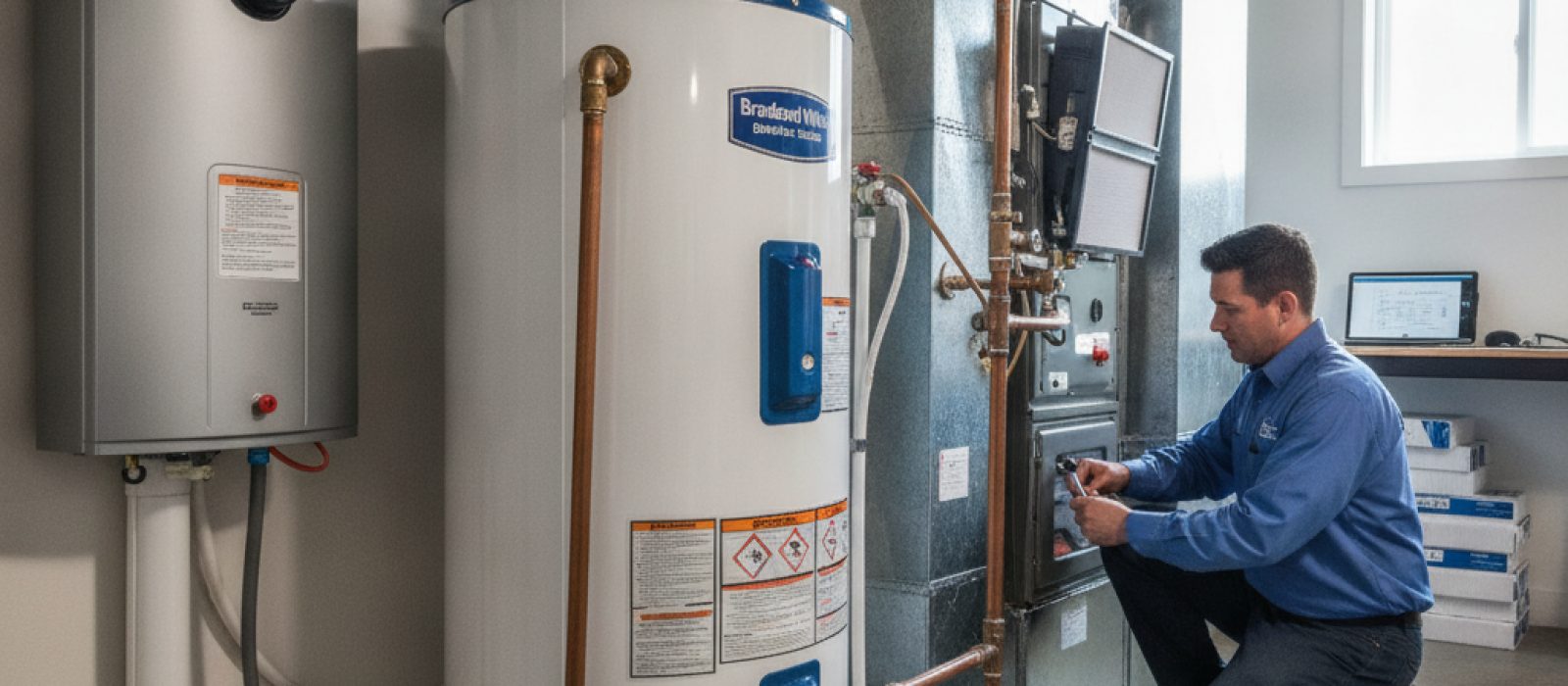
Learn how to choose between 40 and 75-gallon Bradford White water heaters and understand which model fits your home's hot water demands.
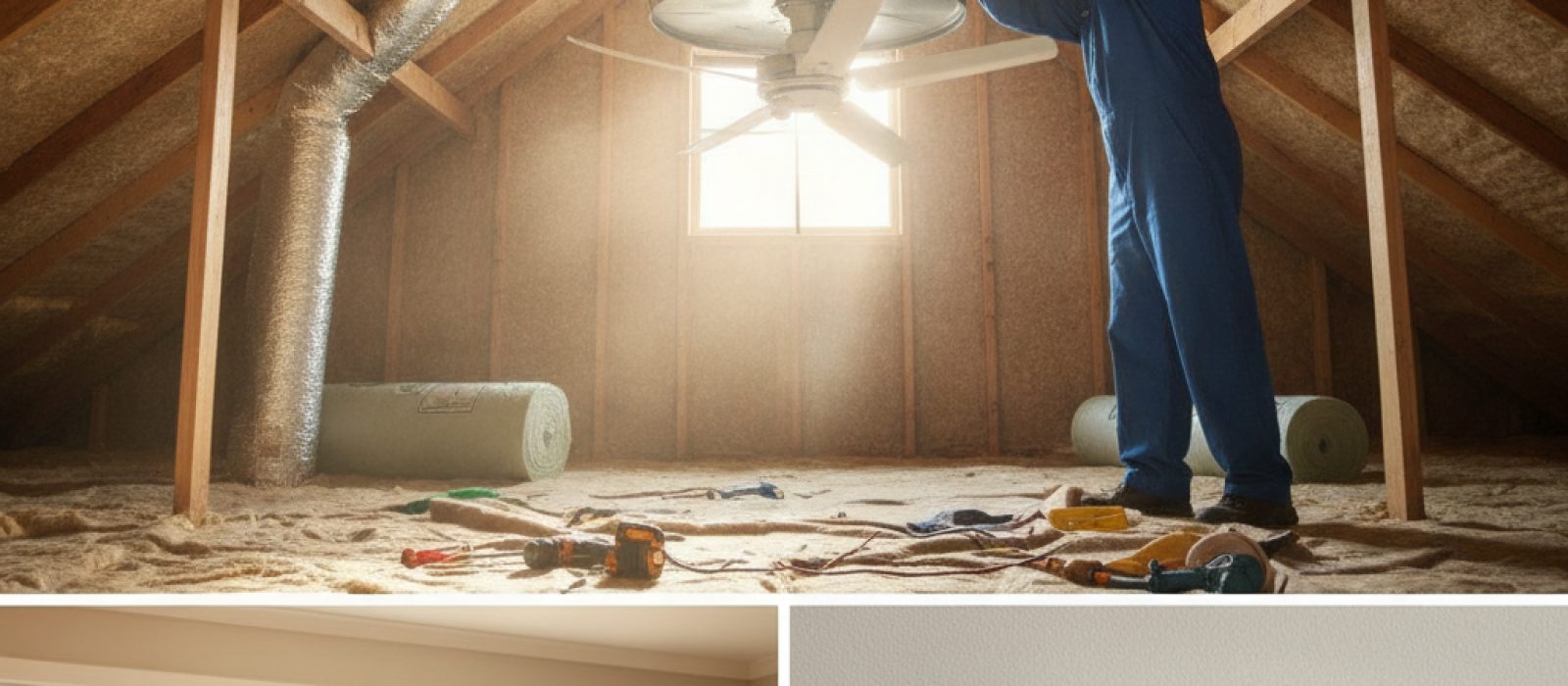
Learn how attic fans manage thermal buildup, the factors influencing installation costs, and the critical mistakes to avoid for a balanced home system.
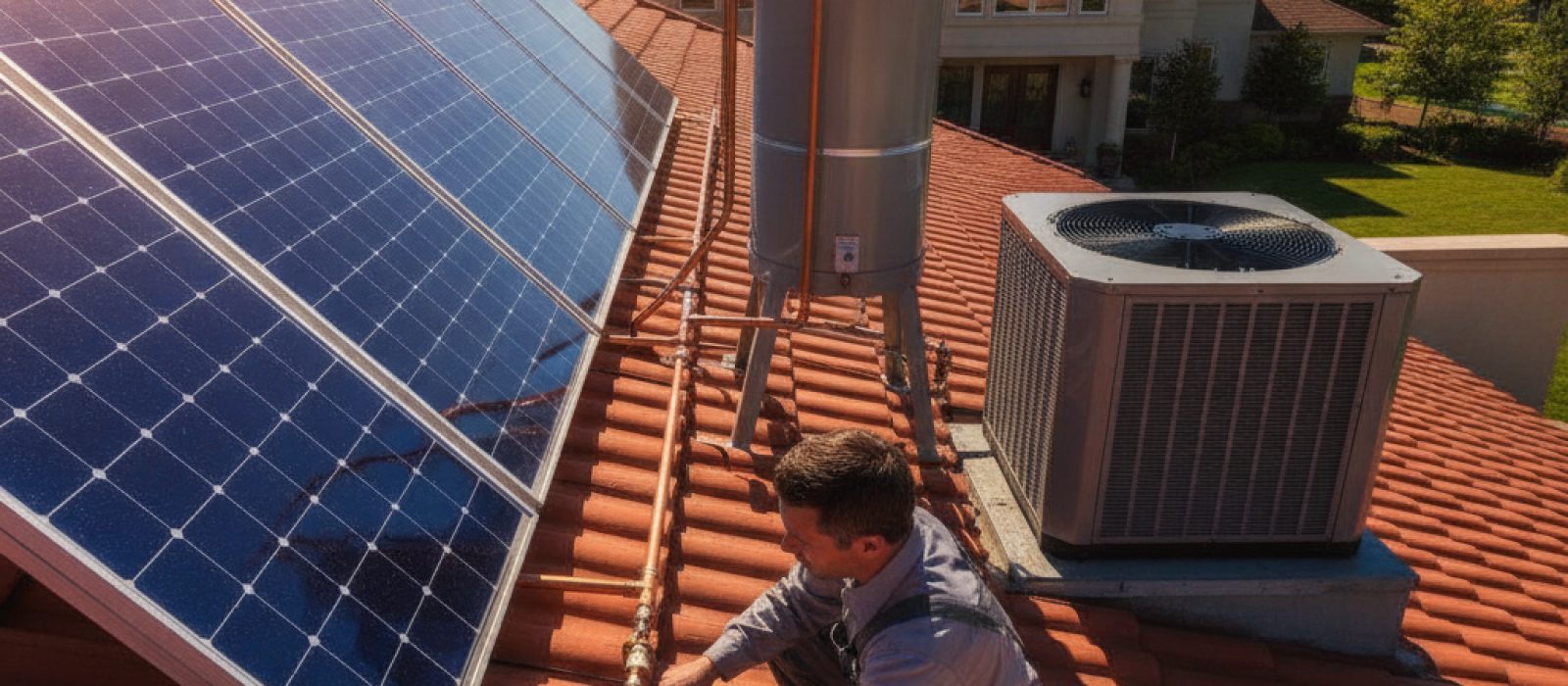
Understand the mechanics, efficiency benefits, and practical considerations of installing a solar-powered water heating system in your home.
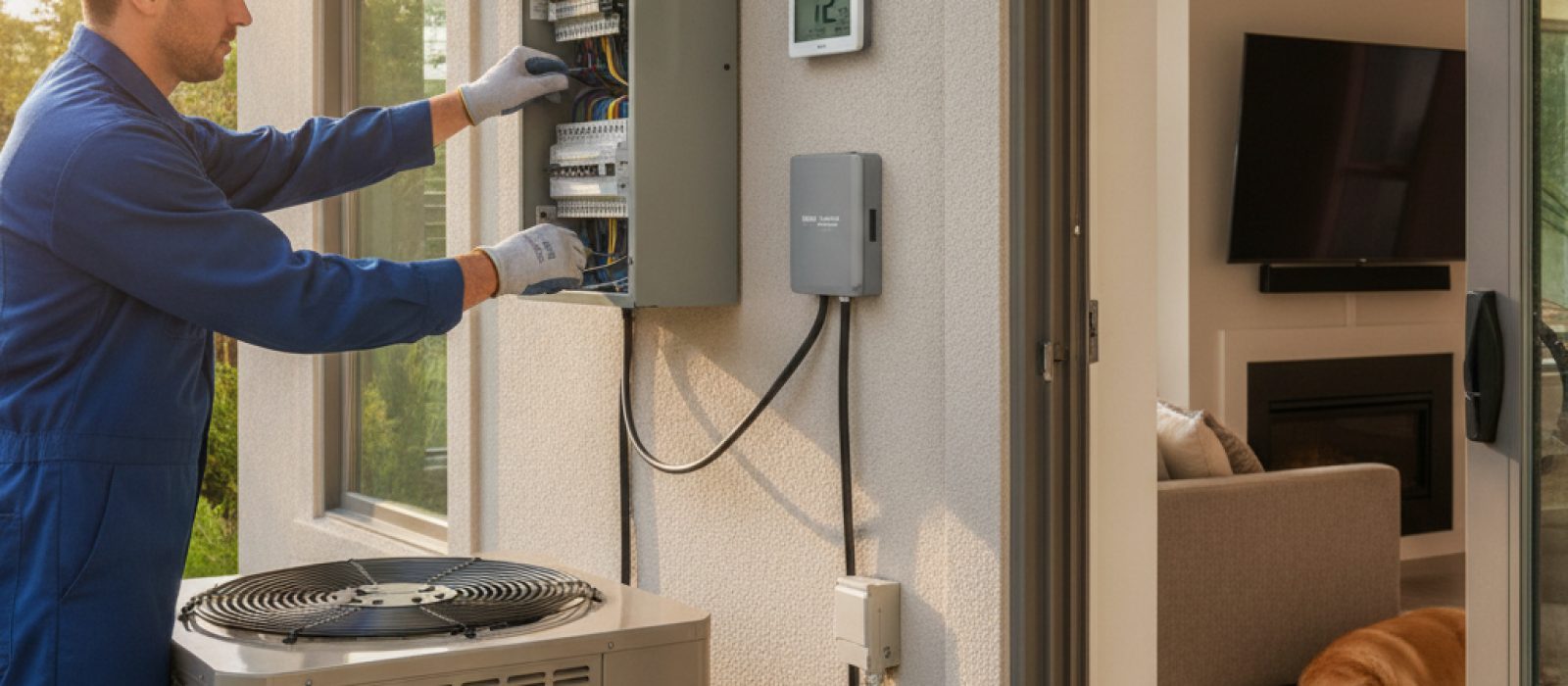
Learn how whole-house surge protectors safeguard sensitive HVAC equipment and home electronics from damaging power spikes and electrical surges.
Be the first to comment.