
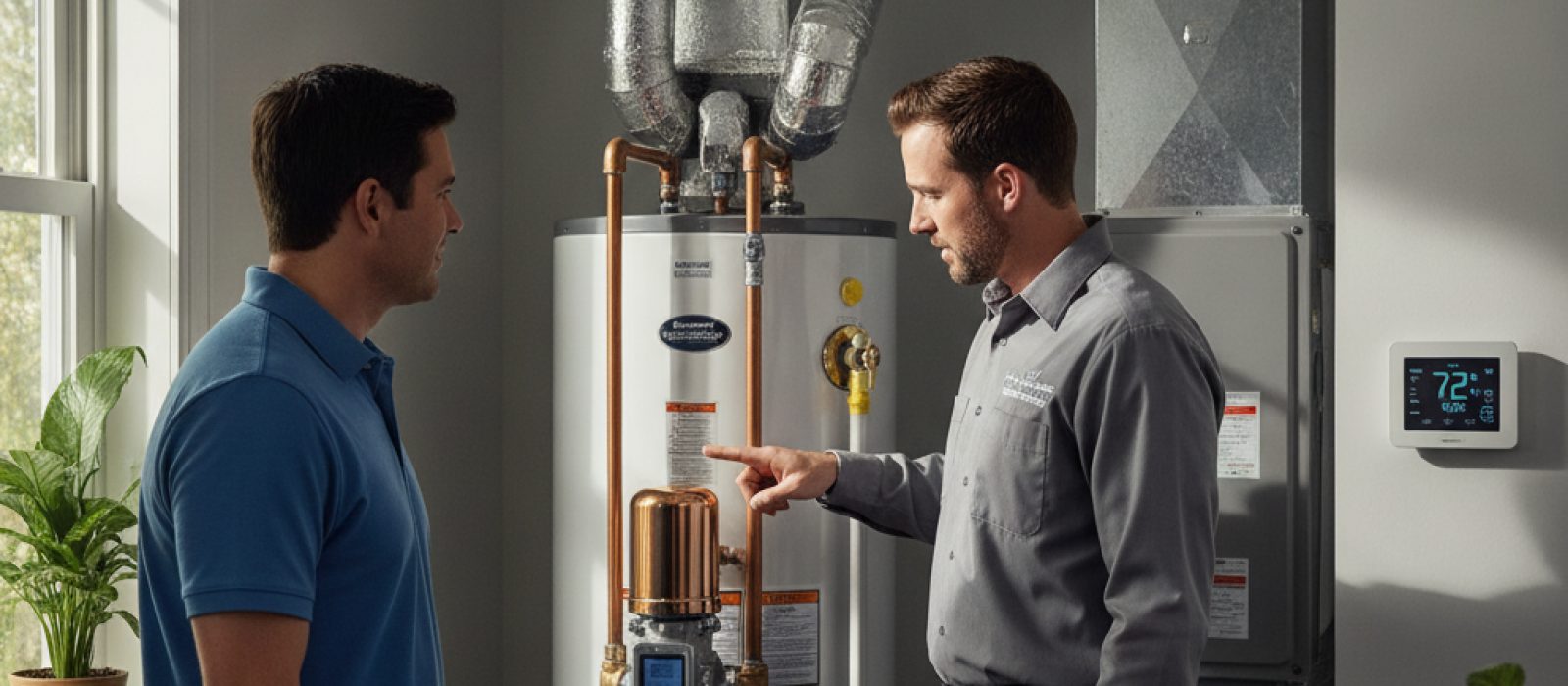
Hot Water Recirculating Pumps: How They Work and What They Cost
Learn how hot water recirculating pumps provide instant hot water, the different installation types, and the factors that influence overall project costs.
4 min read

Rheem offers a diverse range of water heating solutions designed to meet varying residential demands, from high-efficiency heat pump technology to robust, corrosion-resistant electric models. Selecting the right unit requires an understanding of how each series—ProTerra, Marathon, and Gladiator—leverages different heating methods to manage energy consumption and longevity.
The ProTerra series represents the brand's focus on Energy Efficient Solutions. These units function as hybrid electric water heaters, utilizing heat pump technology to extract warmth from the surrounding air to heat the water in the tank. This process is significantly more efficient than traditional electric resistance heating.
Because these units move heat rather than creating it, they are ideal for homeowners looking to lower monthly utility bills. They also feature multiple operating modes, allowing the user to prioritize either maximum energy savings or rapid recovery during periods of high demand. Because these units require space for airflow and condensate drainage, they are best suited for installation in garages, basements, or utility rooms with adequate ventilation.
The Marathon series is engineered for durability, specifically targeting the challenges of water quality and potential tank degradation. These units utilize a seamless, blow-molded polybutene inner tank that is impervious to rust and corrosion, making them a popular choice for homes with aggressive or hard water conditions.
While they rely on traditional electric resistance heating, their primary advantage is the structural integrity of the tank. For homeowners who prioritize longevity and want to minimize the risk of tank failure, the Marathon series provides a reliable, long-term solution. Proper maintenance, such as regular anode rod inspection, remains a standard requirement for all Water Heaters, though the Marathon's construction offers inherent benefits against common tank-related issues.
The Gladiator series bridges the gap between traditional electric water heaters and modern, smart-home functionality. These units feature enhanced heating elements designed for faster recovery times, ensuring that large households have a consistent supply of hot water even during peak usage.
A standout feature of the Gladiator line is its integrated leak detection and smart connectivity. Homeowners can receive alerts regarding potential water issues, allowing for proactive management before a minor leak becomes a major plumbing event. If you are integrating these units into your home, consider consulting professional Plumbing Services to ensure that the electrical requirements and pressure relief valve discharge lines are installed to current safety standards.
Each of these series imposes different requirements on your home's infrastructure. Before selecting a model, evaluate the following factors:
Regardless of the series chosen, routine Maintenance and Tune-up visits are essential for extending the life of your appliance. Sediment buildup at the bottom of the tank can insulate the heating elements, forcing them to work harder and increasing energy consumption. Even with advanced models like the Gladiator, regular flushing of the tank is recommended to clear mineral deposits.
For those opting for heat pump technology, keeping the air filter clean is critical. A clogged filter restricts airflow, reducing the unit's ability to pull heat from the air and forcing it to switch to less efficient electric resistance mode more frequently. Homeowners can typically handle filter cleaning, but internal electrical and plumbing repairs should always be handled by a licensed professional.
Choosing between these models often comes down to your primary goal: energy savings, tank durability, or smart performance. If your household is focused on reducing energy usage, the ProTerra is the most logical choice due to its heat pump operation. If you live in an area with high mineral content in the water or have experienced premature tank failure in the past, the Marathon series offers superior material resistance.
If your household has high hot water demand and you value the ability to monitor your system via a smartphone, the Gladiator series offers the best balance of recovery speed and diagnostic capability. Always assess your current home configuration, including available floor space and electrical supply, to determine which technology is compatible with your existing setup.
Learn how hot water recirculating pumps provide instant hot water, the different installation types, and the factors that influence overall project costs.
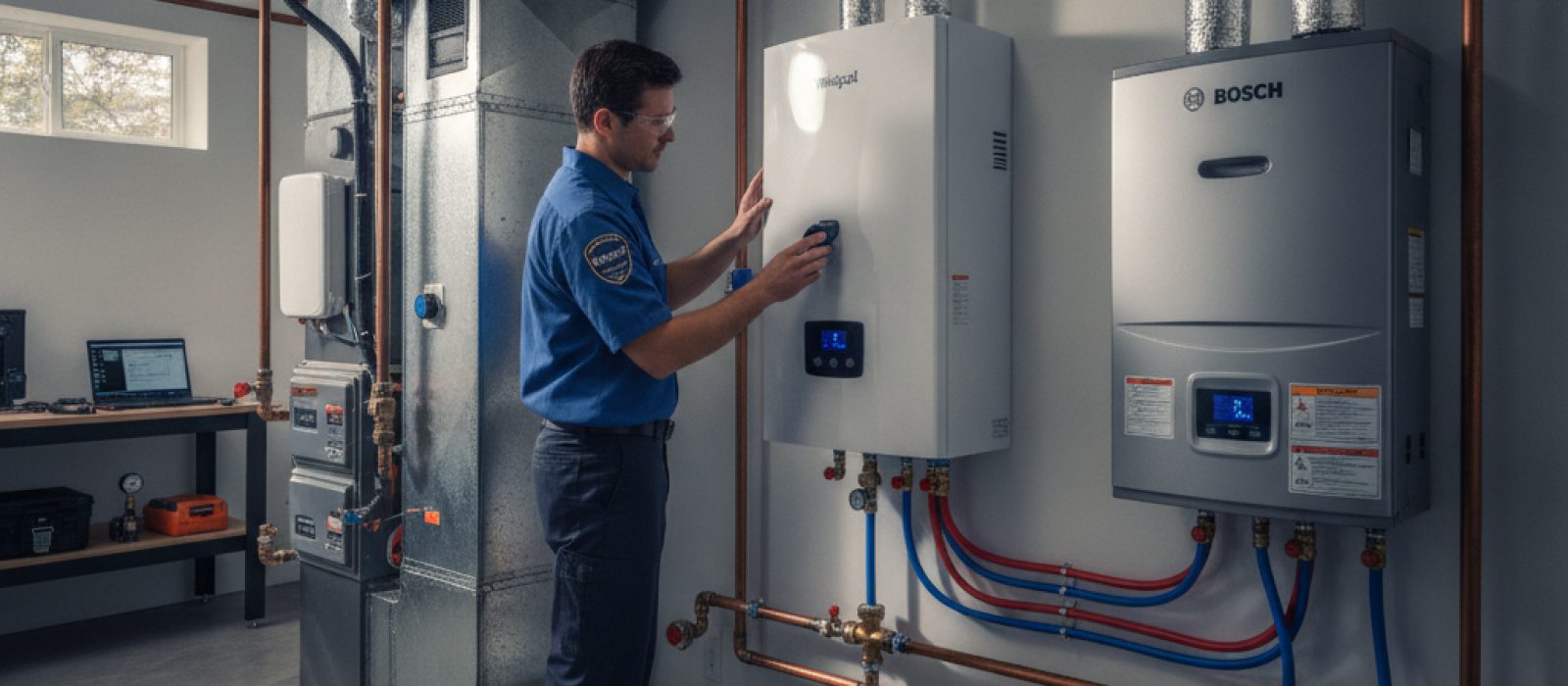
A practical guide to understanding the operational differences, maintenance needs, and common troubleshooting steps for Whirlpool and Bosch water heaters.
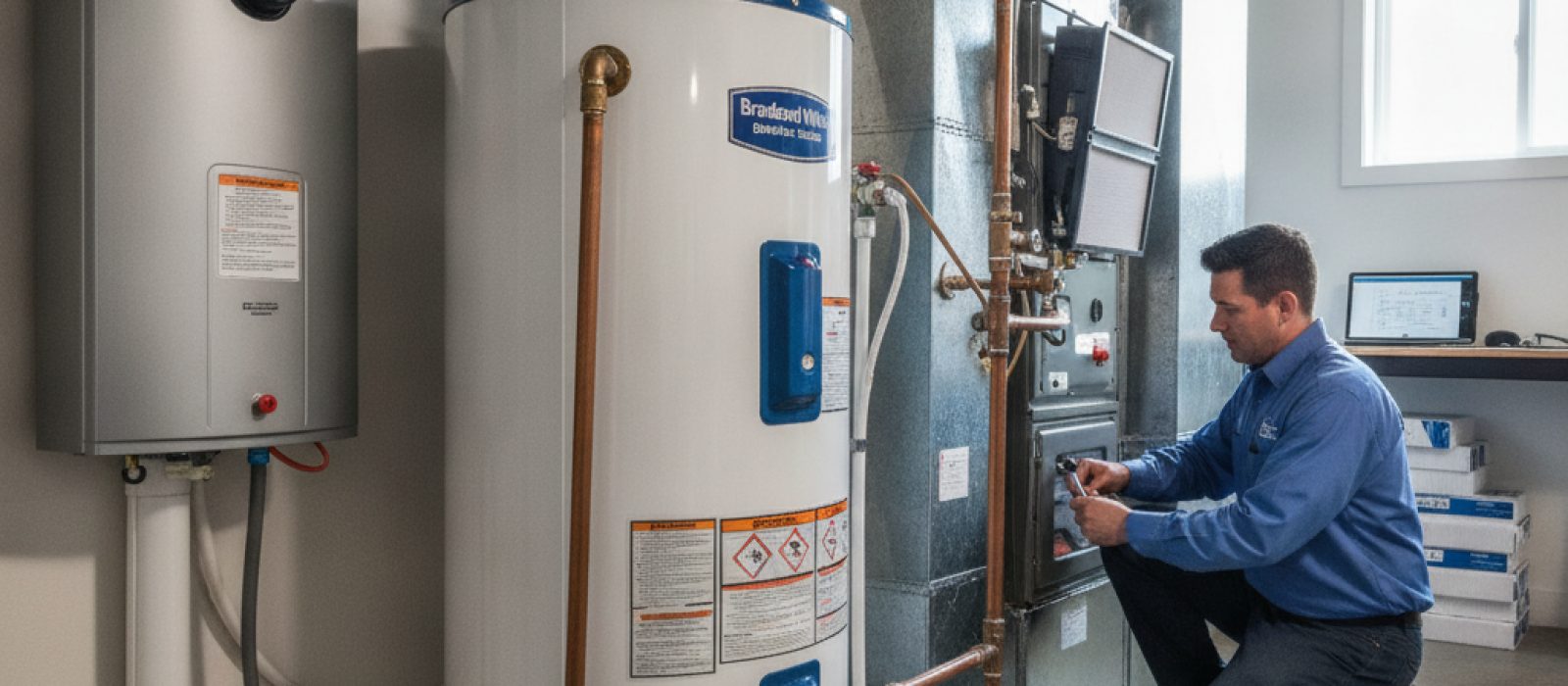
Learn how to choose between 40 and 75-gallon Bradford White water heaters and understand which model fits your home's hot water demands.

Learn how attic fans manage thermal buildup, the factors influencing installation costs, and the critical mistakes to avoid for a balanced home system.
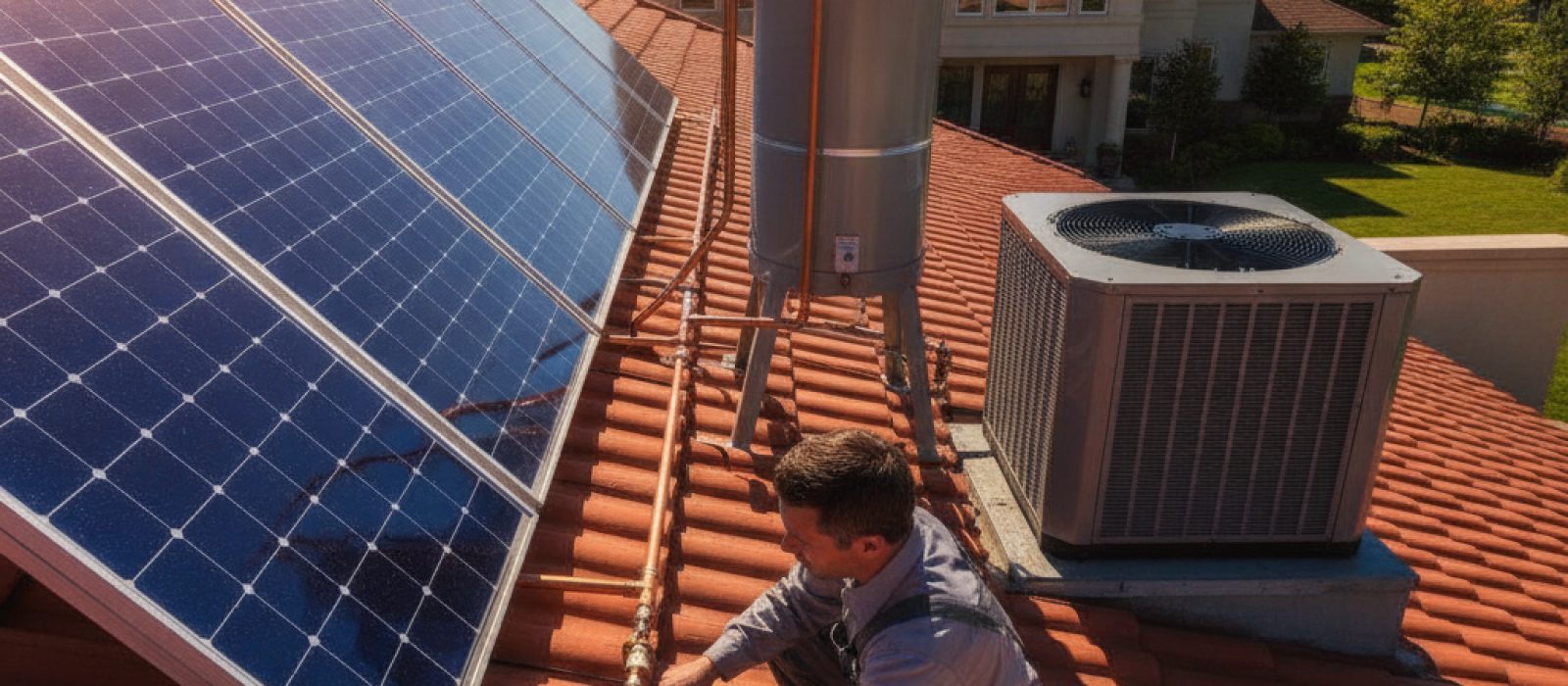
Understand the mechanics, efficiency benefits, and practical considerations of installing a solar-powered water heating system in your home.
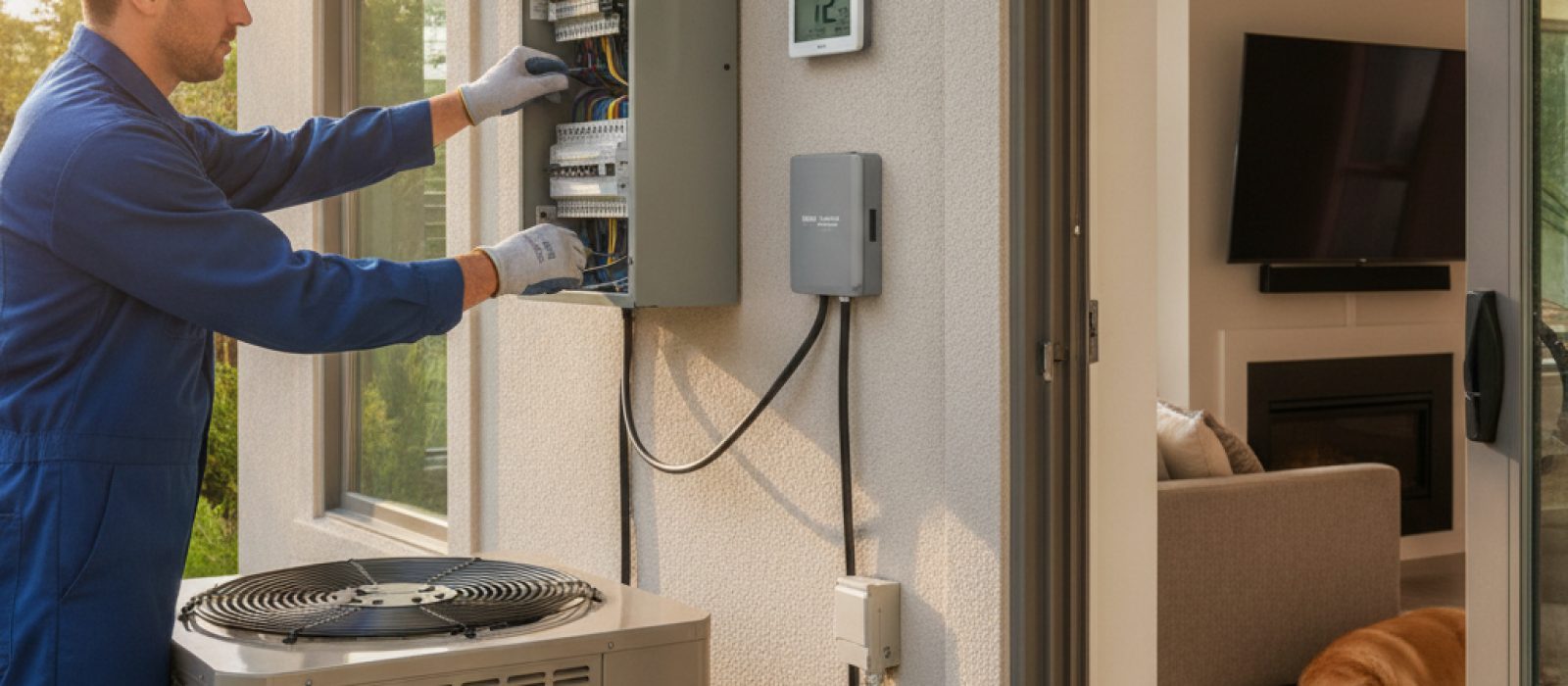
Learn how whole-house surge protectors safeguard sensitive HVAC equipment and home electronics from damaging power spikes and electrical surges.
Be the first to comment.