
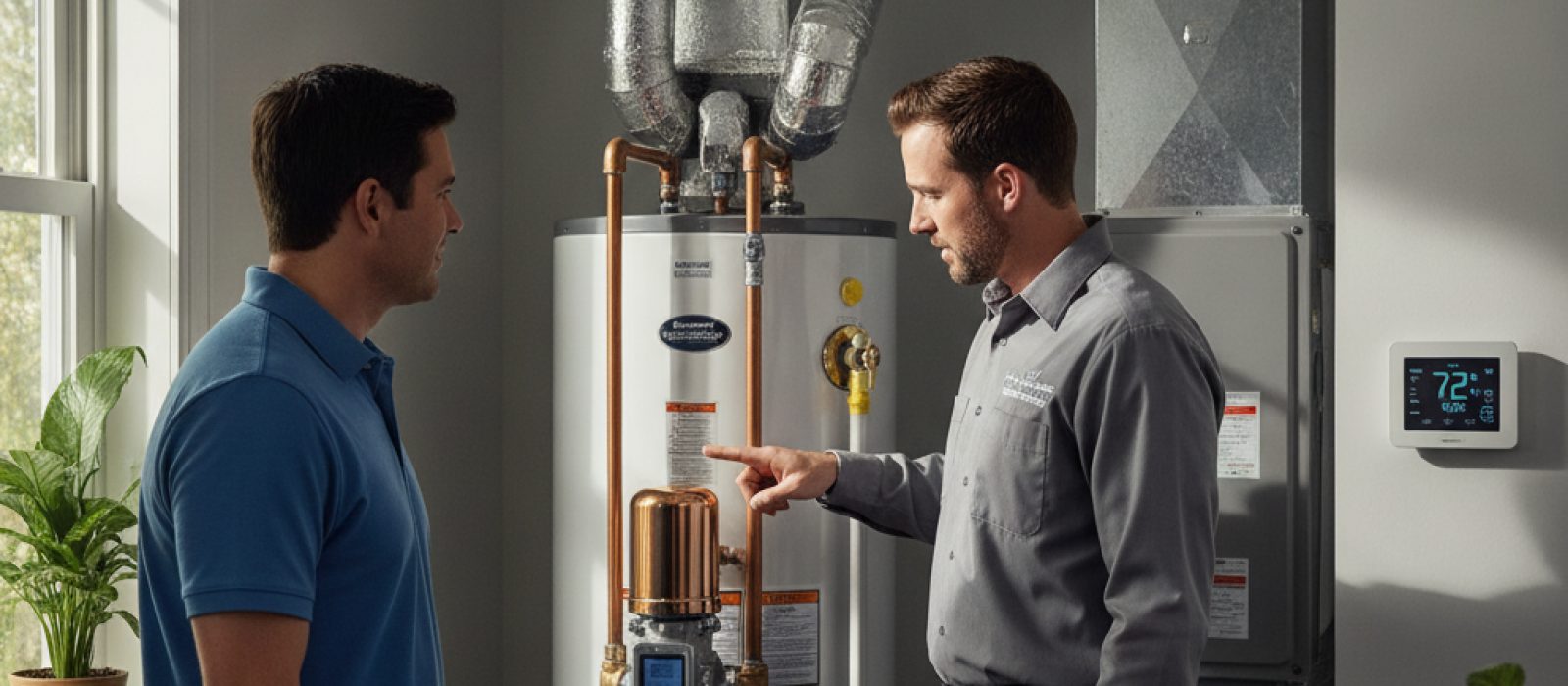
Hot Water Recirculating Pumps: How They Work and What They Cost
Learn how hot water recirculating pumps provide instant hot water, the different installation types, and the factors that influence overall project costs.
4 min read

Moving across the country often involves more than just packing boxes; it requires a fundamental shift in how you manage home comfort. HVAC systems are engineered for specific climate zones, and a unit that performs efficiently in the arid Southwest may struggle under the humidity of the Southeast or the extreme winters of the Northeast. This guide outlines how regional climate differences dictate system selection, maintenance schedules, and efficiency priorities.
In humid climates, the primary goal of an air conditioning system is not just lowering the temperature, but also removing moisture from the air. High humidity levels can make a home feel clammy even when the thermostat is set to a reasonable temperature, leading many homeowners to lower the setpoint further, which increases energy consumption and puts unnecessary strain on the equipment.
When moving to a humid region, ensure your cooling system is properly sized for latent heat removal. If a system is oversized, it will cycle on and off too quickly, failing to run long enough to pull moisture out of the air. Professional AC Services can help evaluate whether your current unit has the capacity to handle high-moisture environments or if a dehumidification solution is necessary to maintain comfort.
Heating requirements vary drastically depending on the local climate's design temperature. In northern regions, furnaces must be sized to handle sub-zero conditions, often utilizing high-efficiency gas models that provide intense, rapid heat. Conversely, in milder climates, a heat pump may be the superior choice, as it can efficiently transition between heating and cooling without the need for a traditional combustion furnace.
If you are moving from a region that rarely freezes to one with harsh winters, your existing furnace may be undersized for the new environment. Conversely, if you move from the North to a region with mild winters, you may find that your current system is overkill. Consult with experts in Heating Services to determine if your current equipment meets the heating load requirements of your new geographic location.
Different climates introduce unique challenges regarding indoor air quality. Regions with heavy pollen counts, high dust levels from arid conditions, or frequent mold growth due to constant dampness require specific filtration strategies. Moving to a new region may necessitate an upgrade to your air filtration system to combat local allergens that your previous home did not face.
Standard filters may not be sufficient for high-allergen environments. Consider professional Indoor Air Quality assessments to identify the specific particulates present in your new home. Adding high-efficiency media filters or air purification systems can significantly improve the breathing environment, especially in homes that remain sealed tight against the elements for most of the year.
Ductwork is often an overlooked component of regional HVAC efficiency. In regions with significant temperature swings, leaky ducts in unconditioned attics or crawl spaces can lead to massive energy loss. If you move to a home with older ductwork, you may find that your system is working harder than necessary to overcome thermal leakage.
Professional Ductwork Services can identify gaps, disconnections, or improper insulation that compromise your system’s performance. Ensuring your ducts are properly sealed and insulated is a critical step in adapting a home to a new climate, as it prevents the conditioned air you pay for from escaping into unconditioned spaces.
Maintenance needs change based on how much you rely on your system. In areas with year-round cooling needs, your AC system will require more frequent filter changes and condenser coil cleanings than a system in a temperate region. Consistent Maintenance & Tune-up visits are essential for preventing premature system failure caused by heavy, seasonal usage patterns.
If your system is nearing the end of its projected lifespan and you have moved to a climate that places a higher load on it, upgrading is often more cost-effective than attempting to retrofit or repair an ill-suited unit. Modern systems offer variable-speed technology that adjusts output based on real-time demand, which is particularly beneficial in climates with high temperature fluctuations. Discussing Energy Efficient Solutions with a local professional can help you determine the long-term savings associated with installing a system designed for your specific regional climate.
Learn how hot water recirculating pumps provide instant hot water, the different installation types, and the factors that influence overall project costs.
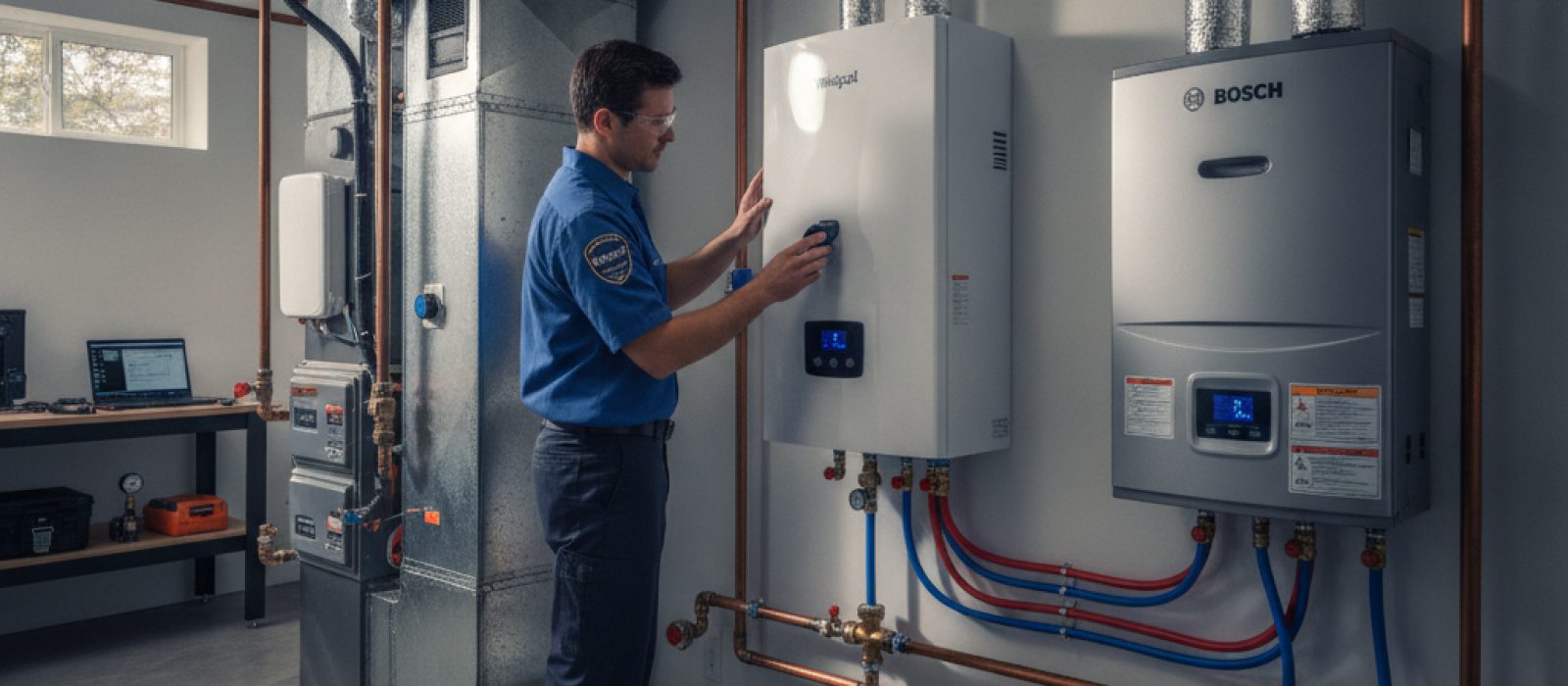
A practical guide to understanding the operational differences, maintenance needs, and common troubleshooting steps for Whirlpool and Bosch water heaters.
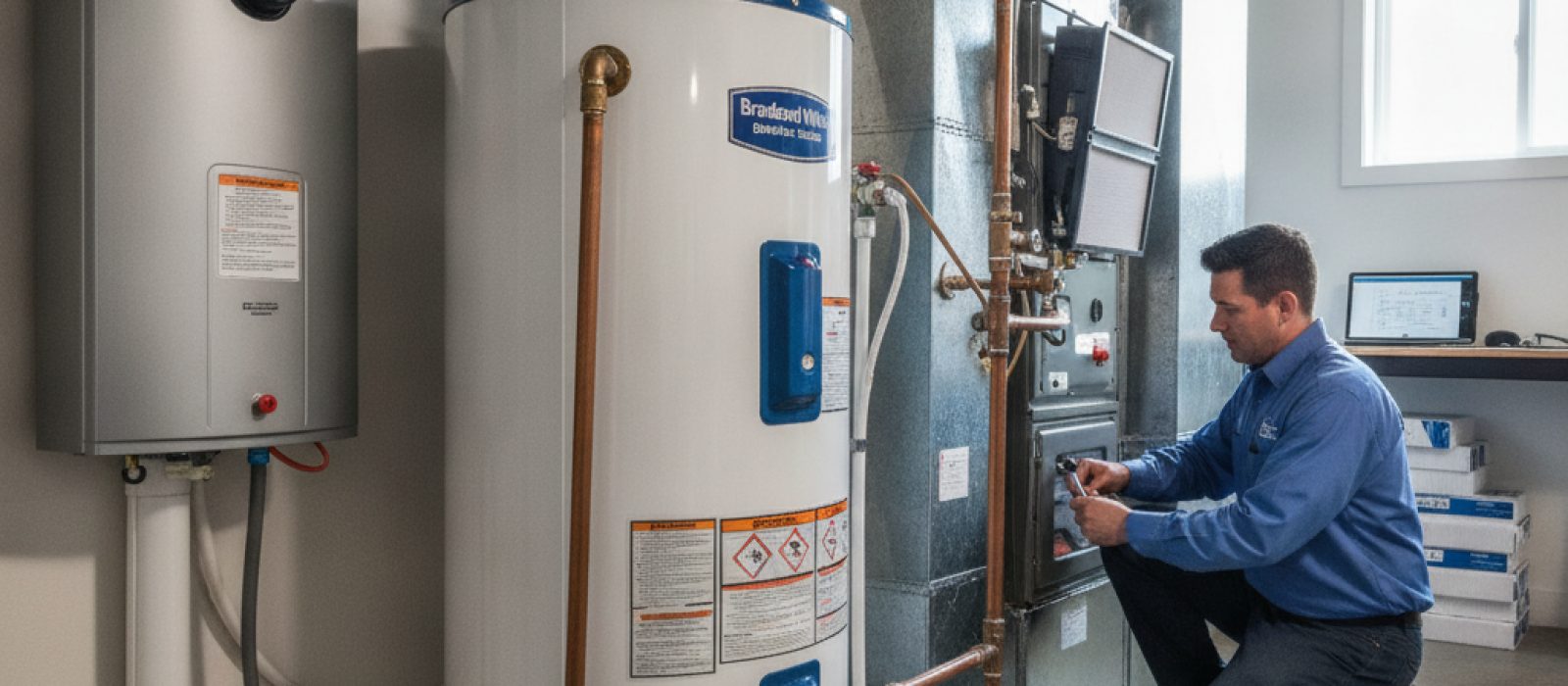
Learn how to choose between 40 and 75-gallon Bradford White water heaters and understand which model fits your home's hot water demands.

Learn how attic fans manage thermal buildup, the factors influencing installation costs, and the critical mistakes to avoid for a balanced home system.
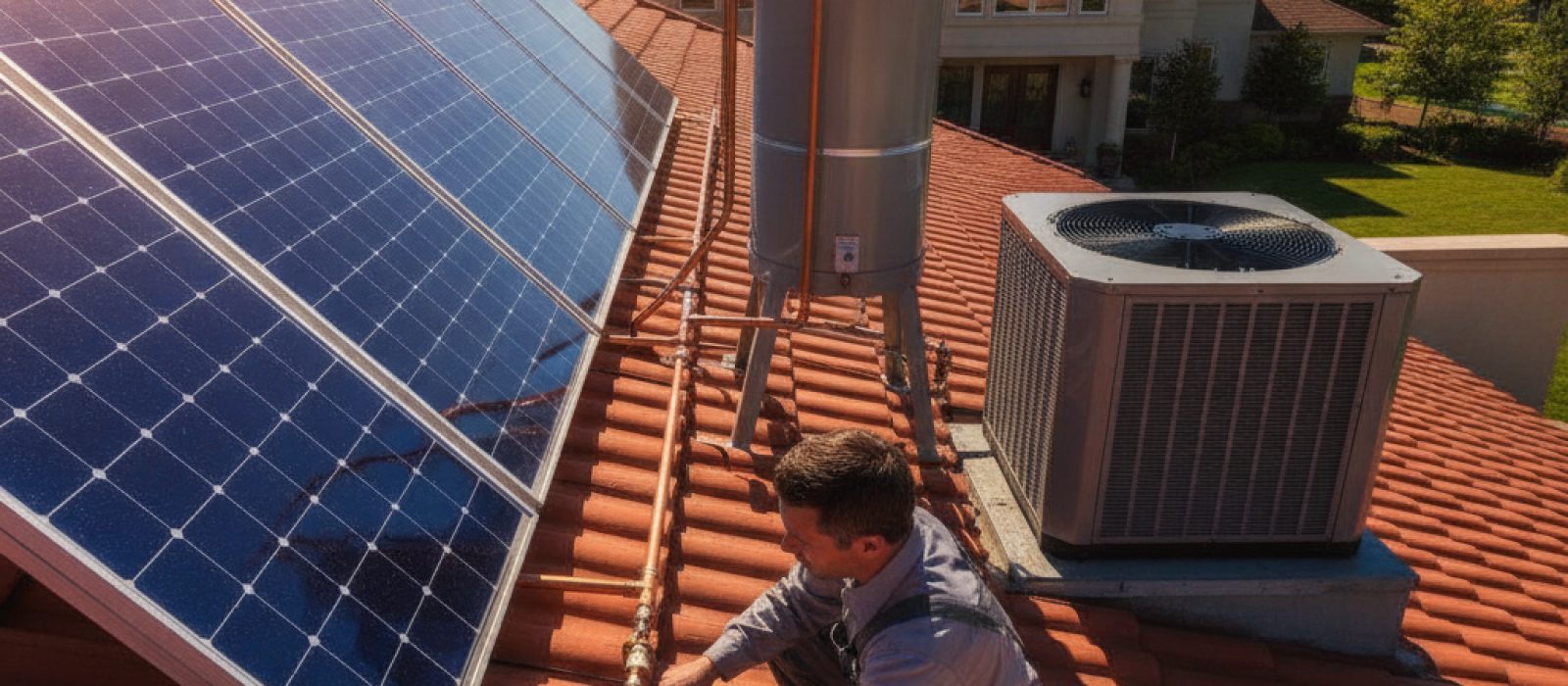
Understand the mechanics, efficiency benefits, and practical considerations of installing a solar-powered water heating system in your home.
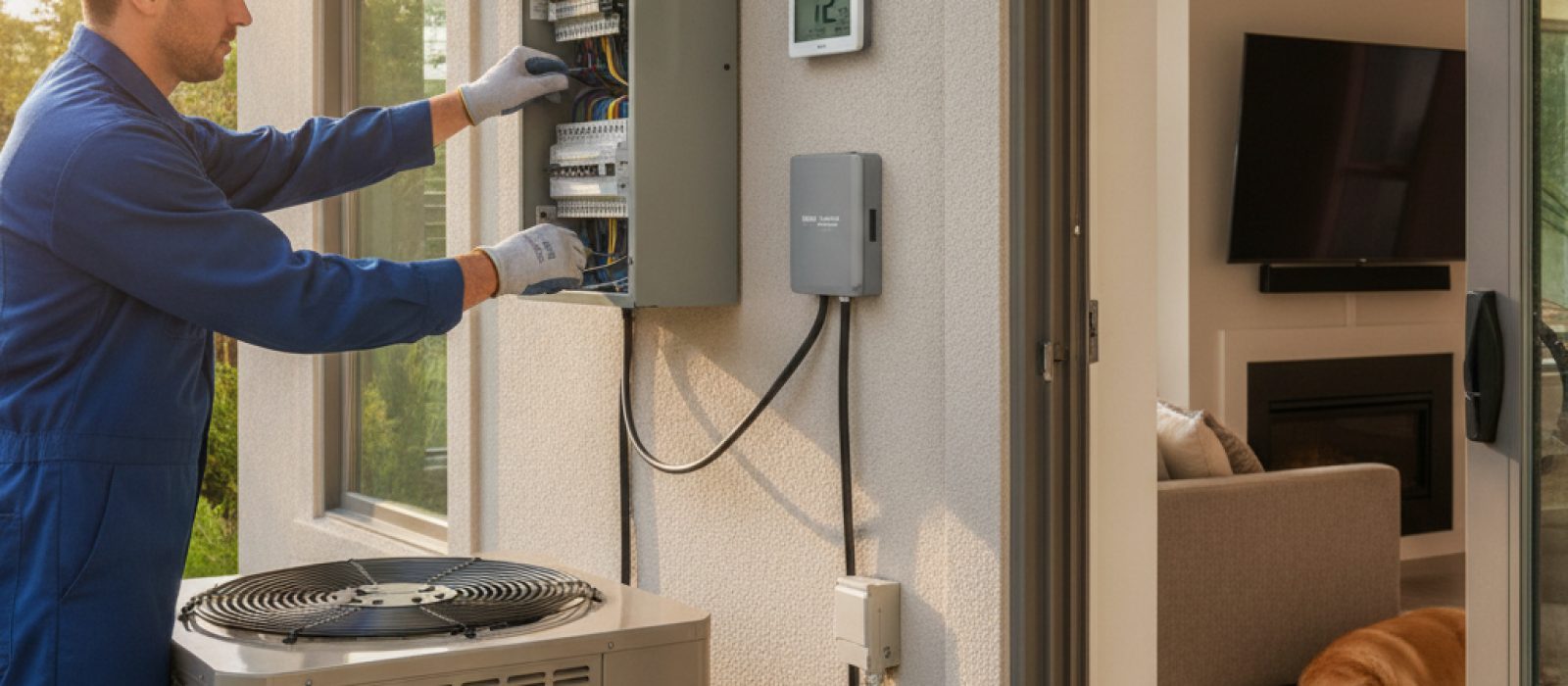
Learn how whole-house surge protectors safeguard sensitive HVAC equipment and home electronics from damaging power spikes and electrical surges.
Be the first to comment.