
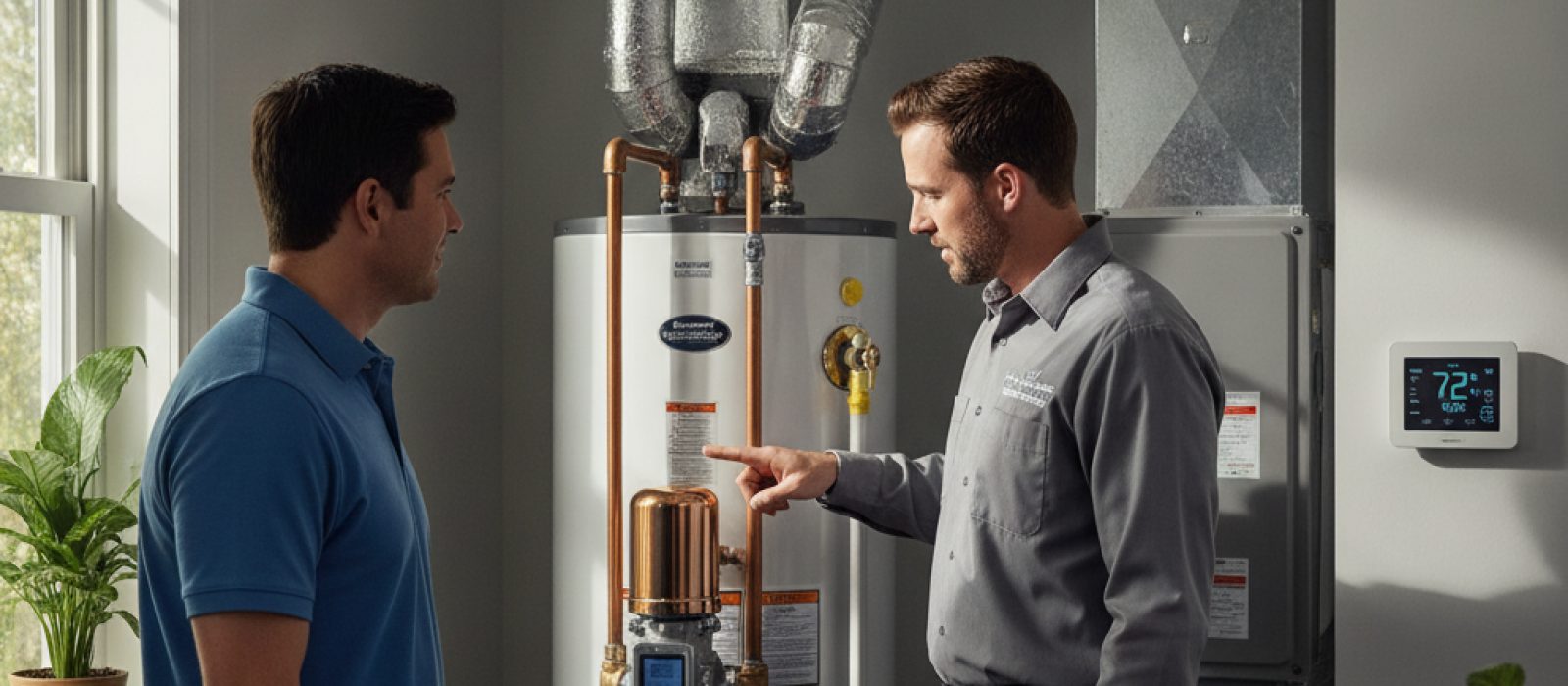
Hot Water Recirculating Pumps: How They Work and What They Cost
Learn how hot water recirculating pumps provide instant hot water, the different installation types, and the factors that influence overall project costs.
4 min read

Replacing a heating and cooling system is a significant investment that impacts both home comfort and long-term utility expenses. This guide outlines the variables that influence total project costs, the components involved in the installation process, and the practical considerations for homeowners planning a system upgrade.
The total expenditure for an HVAC replacement is rarely a flat fee. It is determined by the specific requirements of the residence and the complexity of the installation. Several core factors dictate the final invoice:
The condition of existing infrastructure is a critical, often overlooked factor in replacement budgets. If the current distribution network is undersized, leaky, or damaged, the new equipment will fail to perform at its rated efficiency.
Professional Ductwork Services are often necessary to ensure the system delivers air effectively to every room. Ignoring the state of the ducts can lead to uneven temperatures and increased strain on the blower motor, potentially shortening the lifespan of the new unit. In some cases, a full system replacement serves as the ideal time to address persistent indoor air quality concerns through integrated purification or filtration solutions.
HVAC equipment is not a plug-and-play appliance. Proper installation requires precise calibration, refrigerant charging, and electrical verification. Improperly installed systems often result in premature failure, increased noise levels, and higher-than-expected energy consumption.
Licensed technicians must verify that the refrigerant lines are clean and properly sized for the new equipment. They must also perform a startup procedure that includes checking static pressure and airflow velocity. These technical steps ensure the system operates within the manufacturer's specifications, which is essential for maintaining warranty eligibility.
Once a new system is installed, the focus shifts to protecting the investment. Regular Maintenance & Tune-up schedules are the most effective way to prevent minor issues from escalating into costly repairs. A well-maintained system operates under less stress, consumes less energy, and provides more consistent comfort throughout the year.
Homeowners should also evaluate their thermostat compatibility. Modern Thermostat Services can provide advanced scheduling and remote monitoring, which help maximize the efficiency of a new high-efficiency system. Integrating smart controls often provides the data needed to understand daily energy consumption patterns better.
Deciding between a repair and a replacement requires an honest assessment of the current system’s age and performance history. As a general rule of thumb, if a repair cost exceeds a significant percentage of the unit's value, or if the unit is nearing the end of its expected service life, replacement is often the more prudent financial decision.
Frequent breakdowns are a clear indicator that the mechanical components are failing. Furthermore, if the current system no longer meets the home's heating or cooling demands, or if it lacks the safety features found in modern units, upgrading provides a better return on investment through improved reliability and lower utility costs.
Homeowners can streamline the installation process by ensuring the work area is accessible. Clear paths to the furnace, air handler, or outdoor compressor unit allow technicians to work safely and efficiently. If the system is located in an attic or crawlspace, ensure these areas are free of debris and personal items.
Discussing the scope of work with the installation team beforehand helps avoid surprises. Ask about the removal and disposal of the old unit, the timeline for the installation, and any necessary permits required by local municipalities. A reputable contractor will handle the permitting process and ensure that the installation complies with all local building codes and safety regulations.
Learn how hot water recirculating pumps provide instant hot water, the different installation types, and the factors that influence overall project costs.
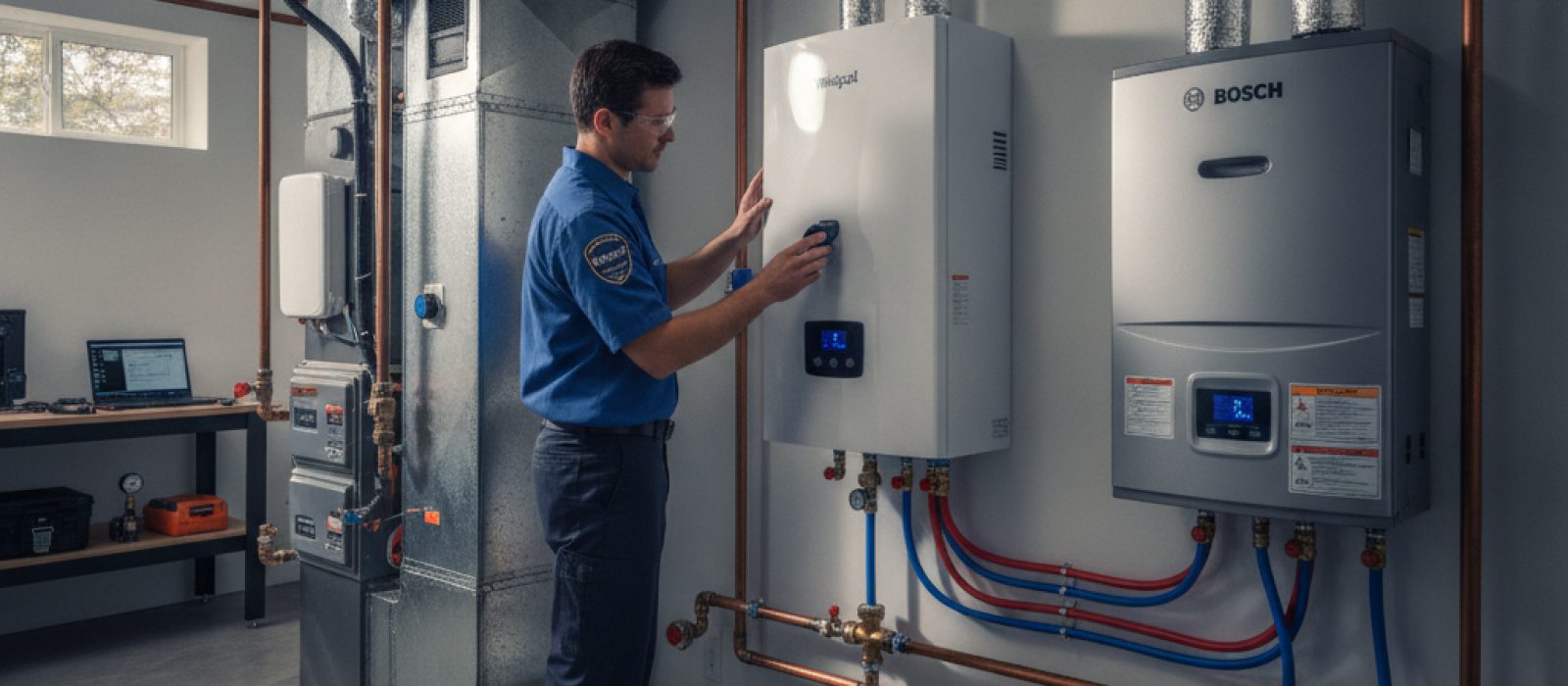
A practical guide to understanding the operational differences, maintenance needs, and common troubleshooting steps for Whirlpool and Bosch water heaters.
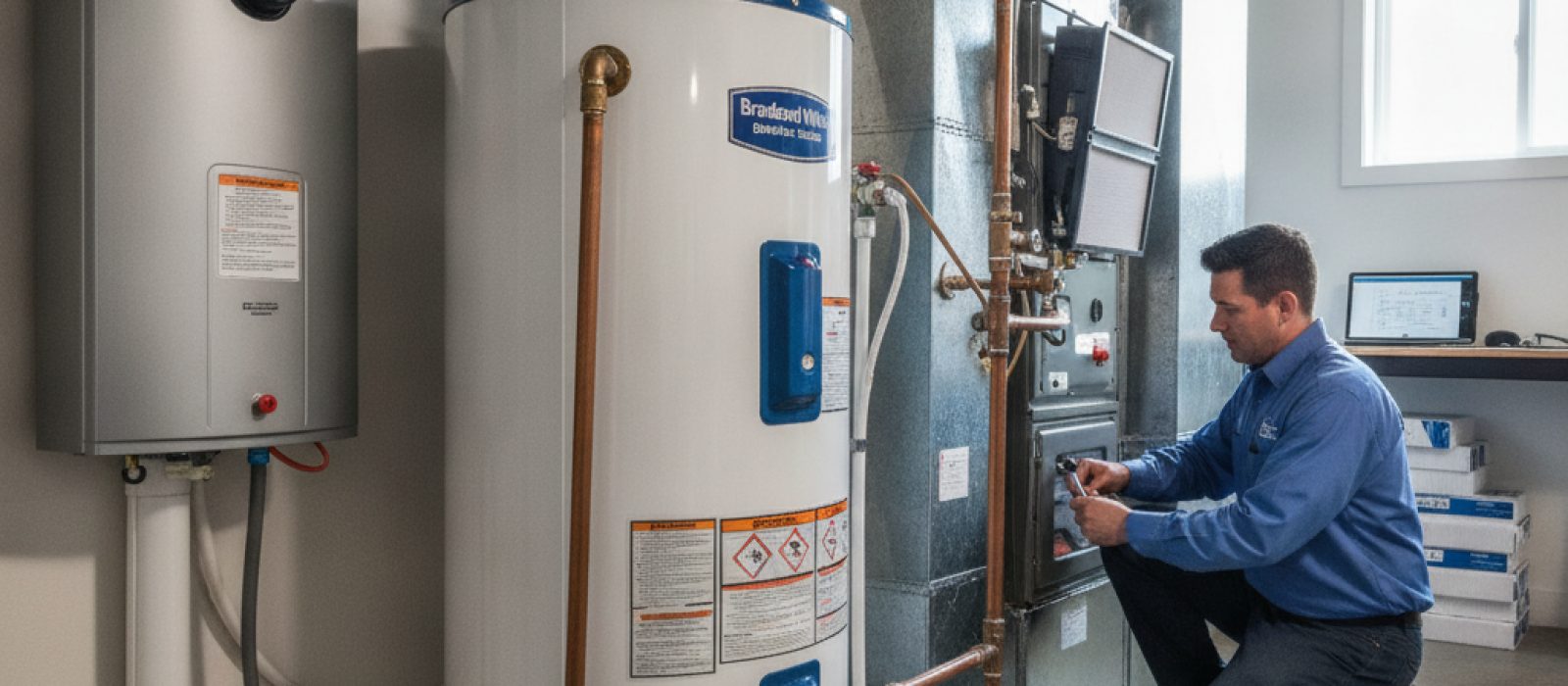
Learn how to choose between 40 and 75-gallon Bradford White water heaters and understand which model fits your home's hot water demands.
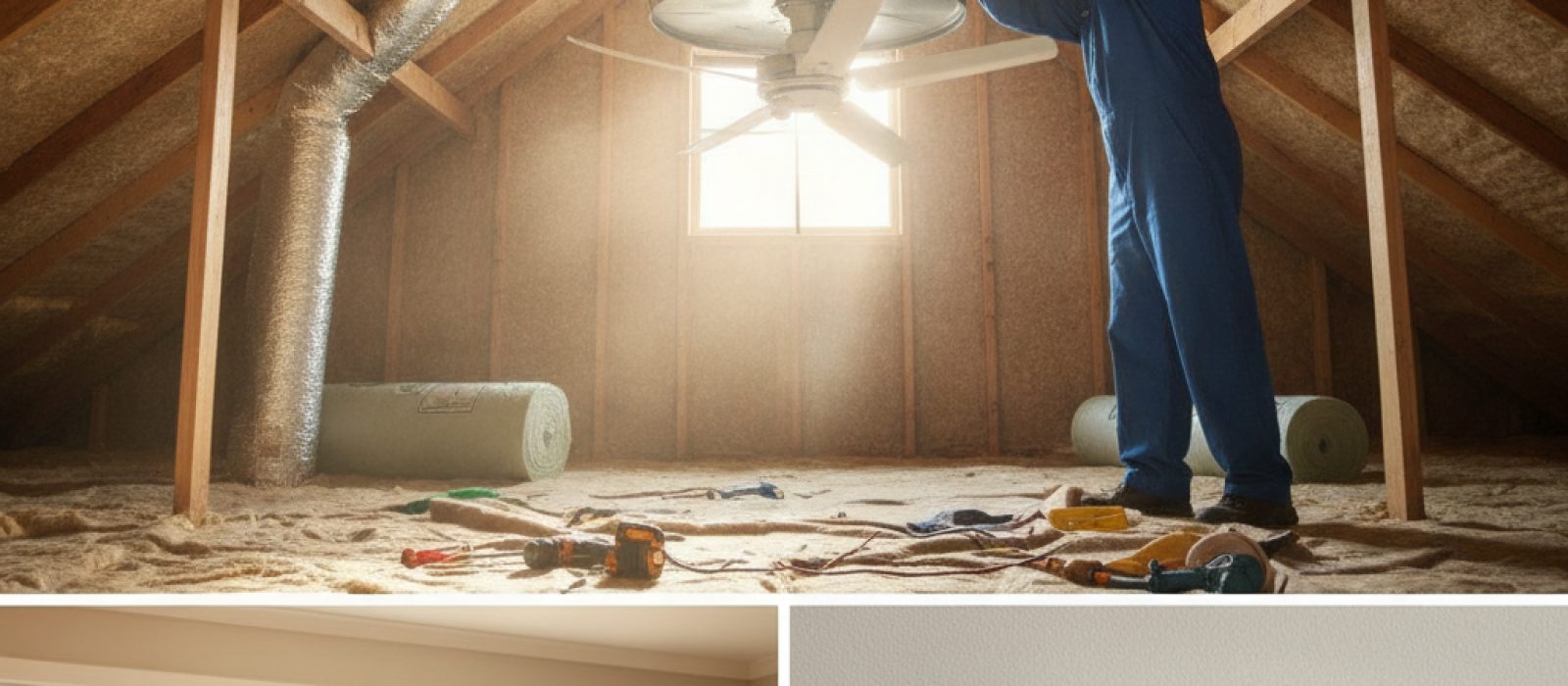
Learn how attic fans manage thermal buildup, the factors influencing installation costs, and the critical mistakes to avoid for a balanced home system.
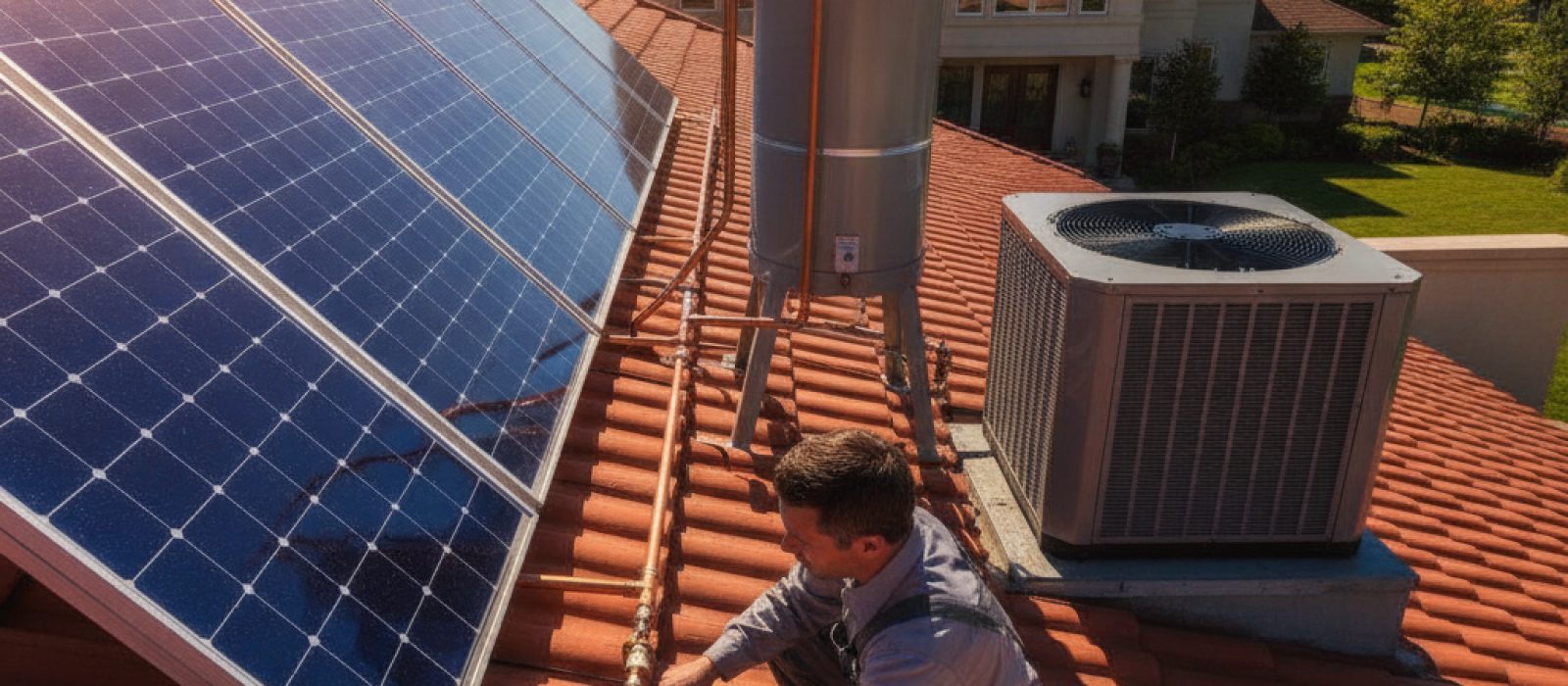
Understand the mechanics, efficiency benefits, and practical considerations of installing a solar-powered water heating system in your home.
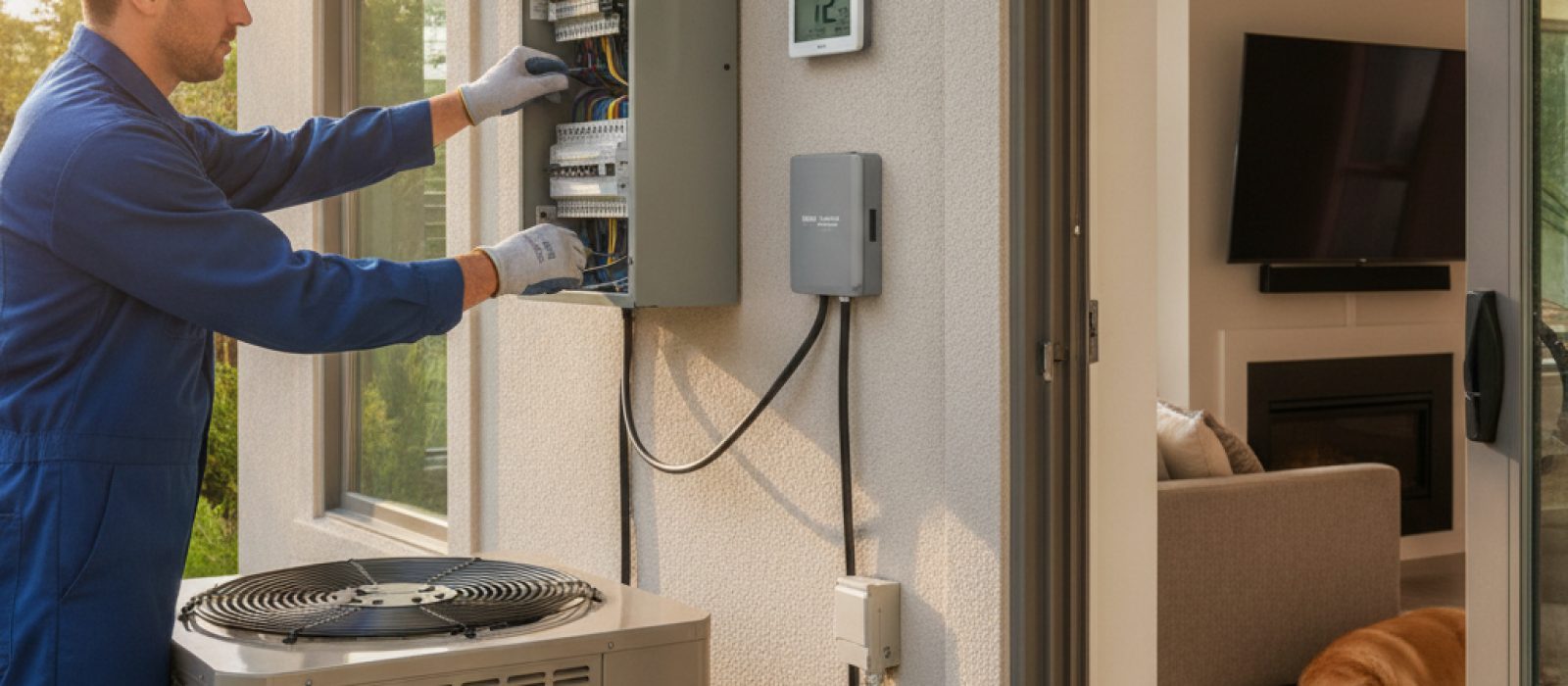
Learn how whole-house surge protectors safeguard sensitive HVAC equipment and home electronics from damaging power spikes and electrical surges.
Be the first to comment.