
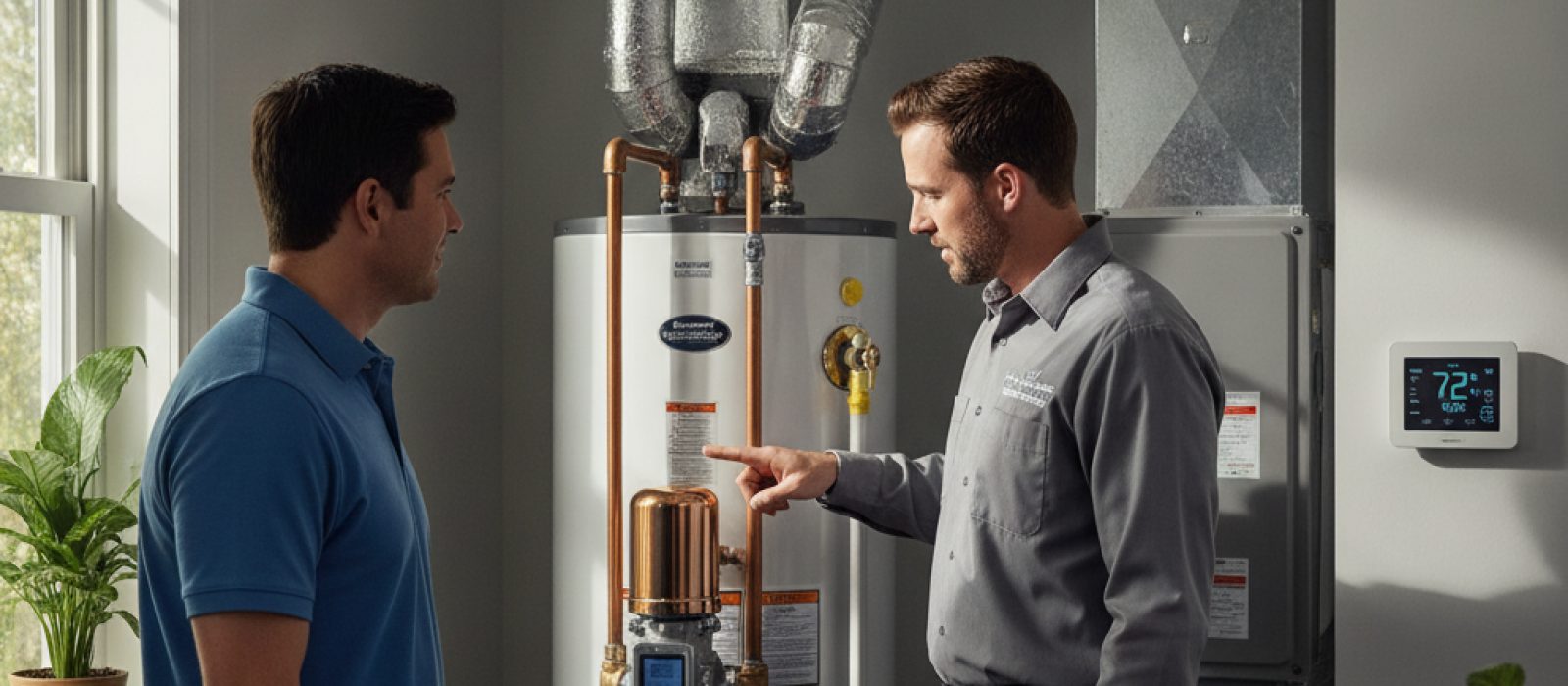
Hot Water Recirculating Pumps: How They Work and What They Cost
Learn how hot water recirculating pumps provide instant hot water, the different installation types, and the factors that influence overall project costs.
4 min read

Upgrading to high-efficiency heating and cooling equipment represents a significant investment, but various financial incentives exist to lower the total cost of ownership. These programs generally fall into three tiers: federal tax credits, utility-sponsored rebates, and state-level energy initiatives. Understanding how these layers interact is essential for homeowners planning an installation.
Federal tax credits are typically non-refundable credits applied directly to your annual tax liability. These are standardized across the country, meaning the criteria for a high-efficiency heat pump or furnace remain consistent regardless of your location. In contrast, utility rebates are highly localized, depending entirely on the programs offered by your specific electricity or gas provider.
The federal government provides long-term tax incentives for homeowners who install qualifying energy-efficient equipment. These credits are often based on the efficiency rating of the unit, such as the SEER2 or HSPF2 ratings for cooling and heating systems. To qualify, the equipment must meet specific efficiency standards set by the current tax code.
Before purchasing, confirm the equipment meets the necessary certification requirements. Keeping the Manufacturer's Certification Statement provided by the contractor is vital, as this document proves the unit meets the efficiency thresholds required to claim the credit. You will typically need to file this information with your annual tax return using the appropriate IRS forms.
Utility companies often offer rebates to encourage residents to reduce overall grid demand. These programs may focus on specific technologies, such as incentivizing the switch from older electric baseboard heating to modern heat pumps. Because these programs are budget-dependent, they may change or expire throughout the year.
Engaging a professional for your Heat Pumps installation often simplifies this process, as many contractors are well-versed in the local rebate landscape and can guide you through the necessary documentation to ensure you do not miss out on potential savings.
Beyond federal and utility programs, state governments sometimes operate their own energy offices. These offices may offer low-interest loans, grants for low-to-moderate income households, or weatherization assistance programs. These are particularly common for homeowners looking to improve their home's envelope alongside their Heating Services upgrades.
State programs often prioritize whole-home energy improvements. For example, a state might offer a larger incentive if you bundle an HVAC upgrade with attic insulation or air sealing. Researching your state's Department of Energy or equivalent agency website can reveal these broader opportunities.
While many homeowners are tempted to research rebates independently, the actual installation of high-efficiency systems must be performed by a licensed professional. Improperly sized or installed equipment can negate the energy savings that qualify you for these rebates in the first place.
During a Maintenance & Tune-up visit, ask your technician about current local incentives. Professionals who specialize in Energy Efficient Solutions are often the first to know when a new utility program launches or when funding for existing programs is renewed. They can also ensure that the equipment selected is correctly matched to your home's load requirements, which is a common prerequisite for many rebate programs.
The most common reason for a denied rebate application is incomplete documentation. Establish a dedicated folder, physical or digital, for every piece of paperwork associated with your project. This should include the original quote, the detailed invoice showing the model and serial number of the equipment, proof of payment, and the manufacturer's efficiency certification.
Ensure the invoice clearly states that the equipment has been installed and is operational. Some utility companies require a signed 'Certificate of Completion' from the contractor. By maintaining organized records, you simplify the application process and prepare yourself for any follow-up inquiries from the utility provider or tax authorities.
Timing your upgrade can also influence your access to incentives. Utility programs often operate on a calendar or fiscal year cycle, with funding pools that can be depleted as the year progresses. If you are planning a major replacement, checking the status of available funds early in the year is a practical strategy. If you are experiencing a system failure, prioritize reliability, but do not hesitate to ask your service provider if there are any immediate 'fast-track' rebates available for emergency replacements.
Learn how hot water recirculating pumps provide instant hot water, the different installation types, and the factors that influence overall project costs.
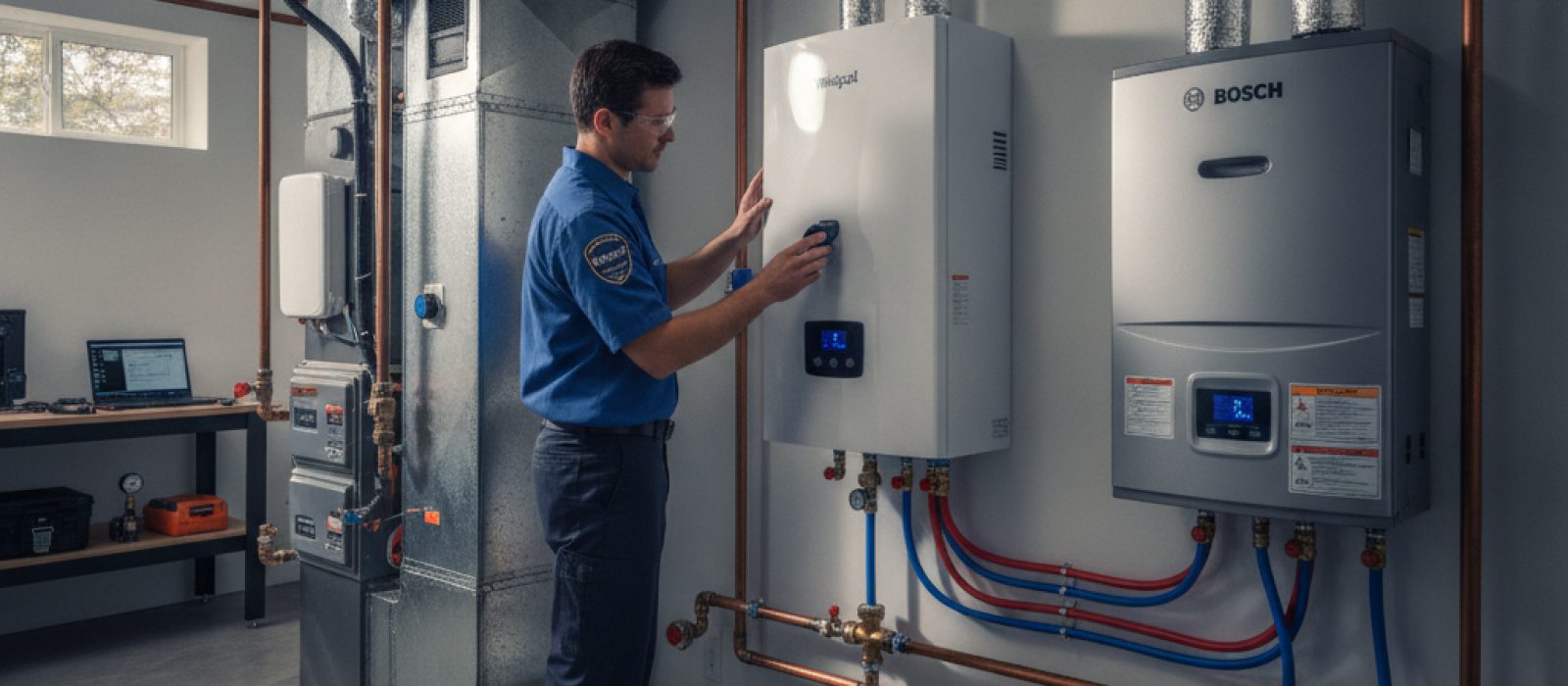
A practical guide to understanding the operational differences, maintenance needs, and common troubleshooting steps for Whirlpool and Bosch water heaters.
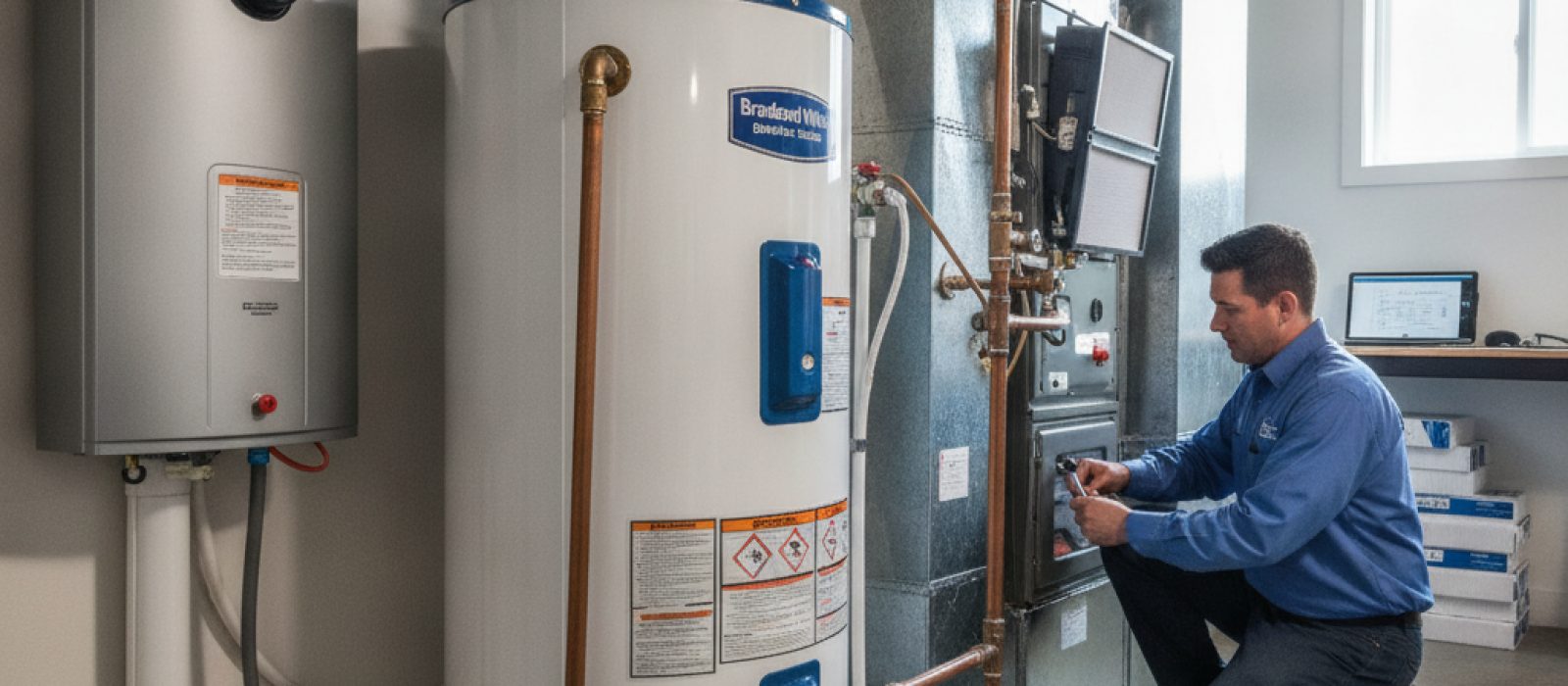
Learn how to choose between 40 and 75-gallon Bradford White water heaters and understand which model fits your home's hot water demands.
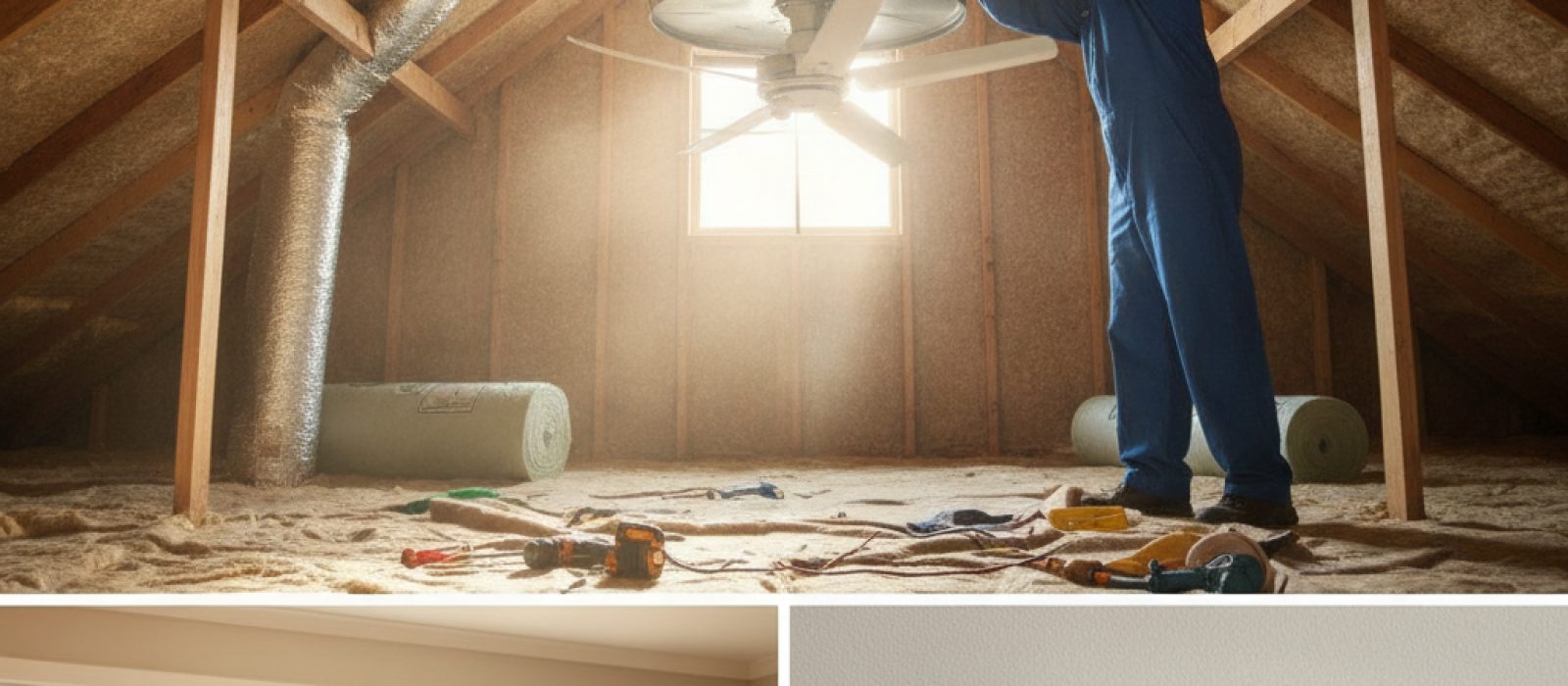
Learn how attic fans manage thermal buildup, the factors influencing installation costs, and the critical mistakes to avoid for a balanced home system.
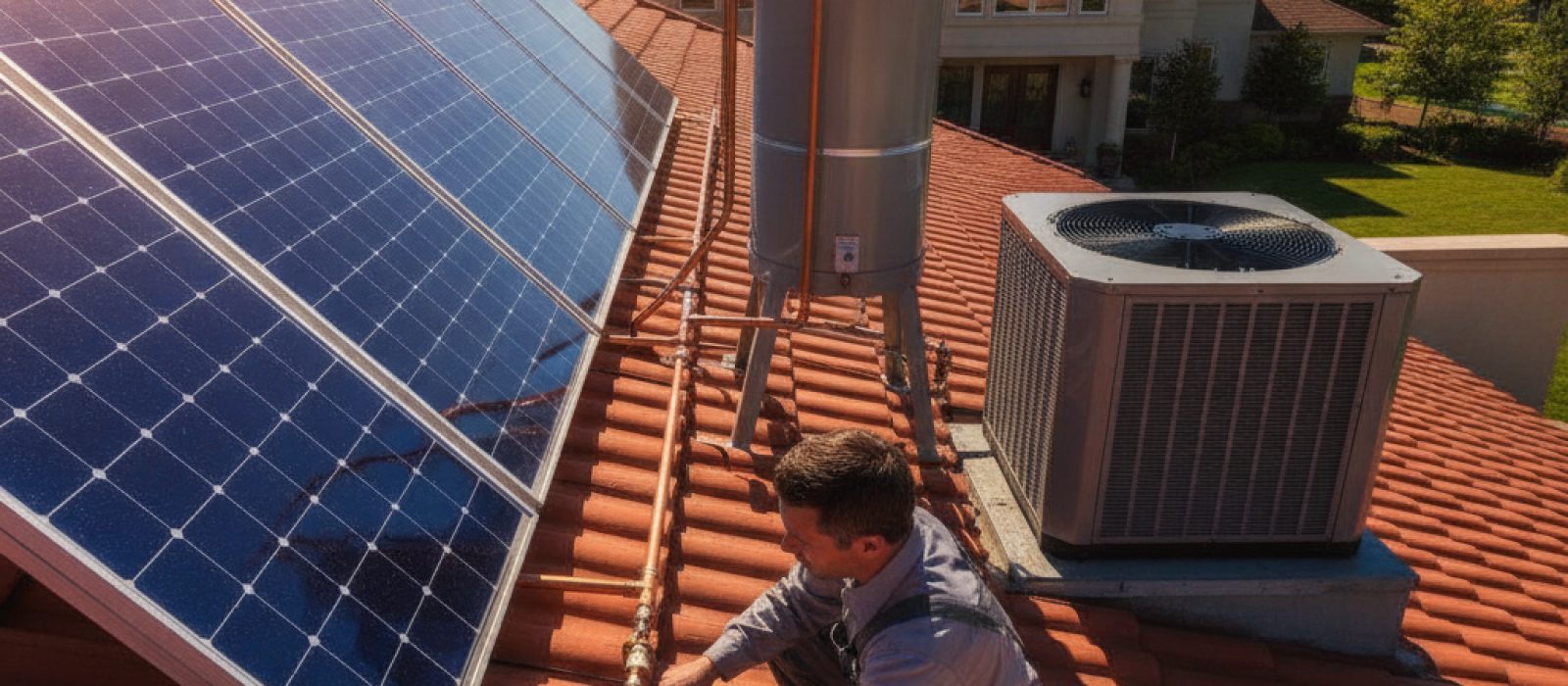
Understand the mechanics, efficiency benefits, and practical considerations of installing a solar-powered water heating system in your home.
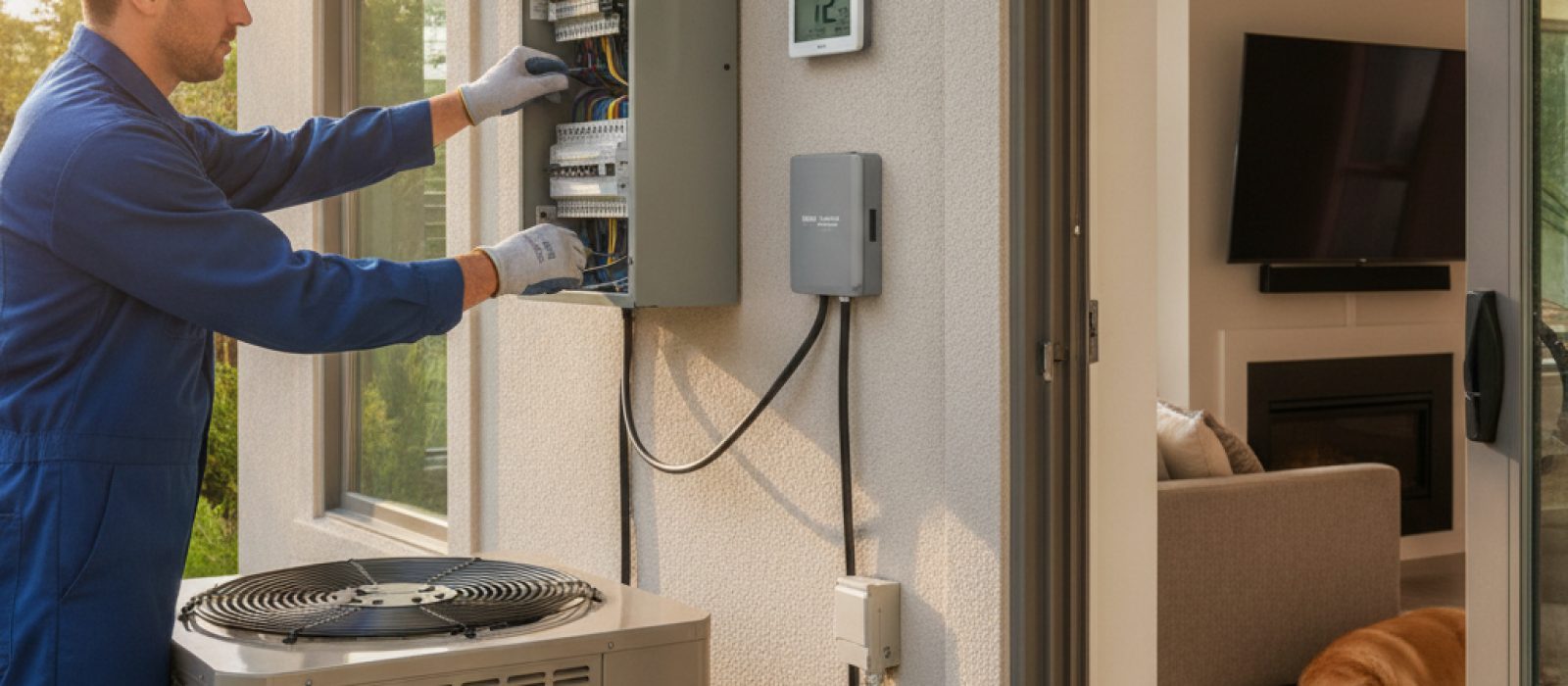
Learn how whole-house surge protectors safeguard sensitive HVAC equipment and home electronics from damaging power spikes and electrical surges.
Be the first to comment.