HVAC Service Fast

HVAC Permits: What They Are & When You Need One

4 min read

HVAC Permits: What They Are & When You Need One

What Exactly Are HVAC Permits?

When you're planning a home improvement project, especially one involving your heating, ventilation, and air conditioning (HVAC) system, you might hear the term “HVAC permit.” But what does that actually mean for you as a homeowner? Simply put, an HVAC permit is official authorization from your local government (city or county) that allows you to perform specific HVAC-related work on your property. It's a way for your municipality to ensure that the work being done meets safety standards, building codes, and zoning regulations.

Think of it as a stamp of approval that verifies your project is up to snuff. These permits aren't just bureaucratic red tape; they're a vital part of protecting your home, your family, and your investment. They ensure that installations are safe, efficient, and compliant with the latest industry standards, preventing potential hazards like gas leaks, electrical fires, or improper ventilation.

Why Are HVAC Permits So Important?

You might be tempted to skip the permit process to save time or money, but that can lead to significant headaches down the road. Here’s why HVAC permits are non-negotiable for certain projects:

  • Safety Assurance: The primary reason for permits is safety. HVAC systems involve gas lines, electrical wiring, refrigerants, and combustion. Without proper installation and inspection, these can pose serious risks. Permits ensure that a qualified professional reviews and inspects the work.
  • Code Compliance: Building codes are constantly updated to reflect best practices and new technologies. Permits ensure your HVAC system is installed according to the most current local, state, and national codes, which helps prevent future issues.
  • Home Value Protection: Unpermitted work can complicate or even derail the sale of your home. Home inspectors and potential buyers often check for permits on major renovations. If work was done without a permit, you might be required to obtain one retroactively (which can be costly and time-consuming) or even tear out and redo the work.
  • Insurance Coverage: In the event of a fire, flood, or other damage related to an unpermitted HVAC installation, your homeowner's insurance policy might deny coverage. This could leave you financially responsible for extensive repairs.
  • Professional Accountability: When a permit is pulled, the contractor is held accountable for the quality and compliance of their work. This provides an extra layer of protection for you as the homeowner.

When Do You Need an HVAC Permit?

Not every HVAC repair or maintenance task requires a permit. Generally, routine maintenance or minor repairs that don't alter the system's design or capacity won't need one. However, specific types of projects almost always do:

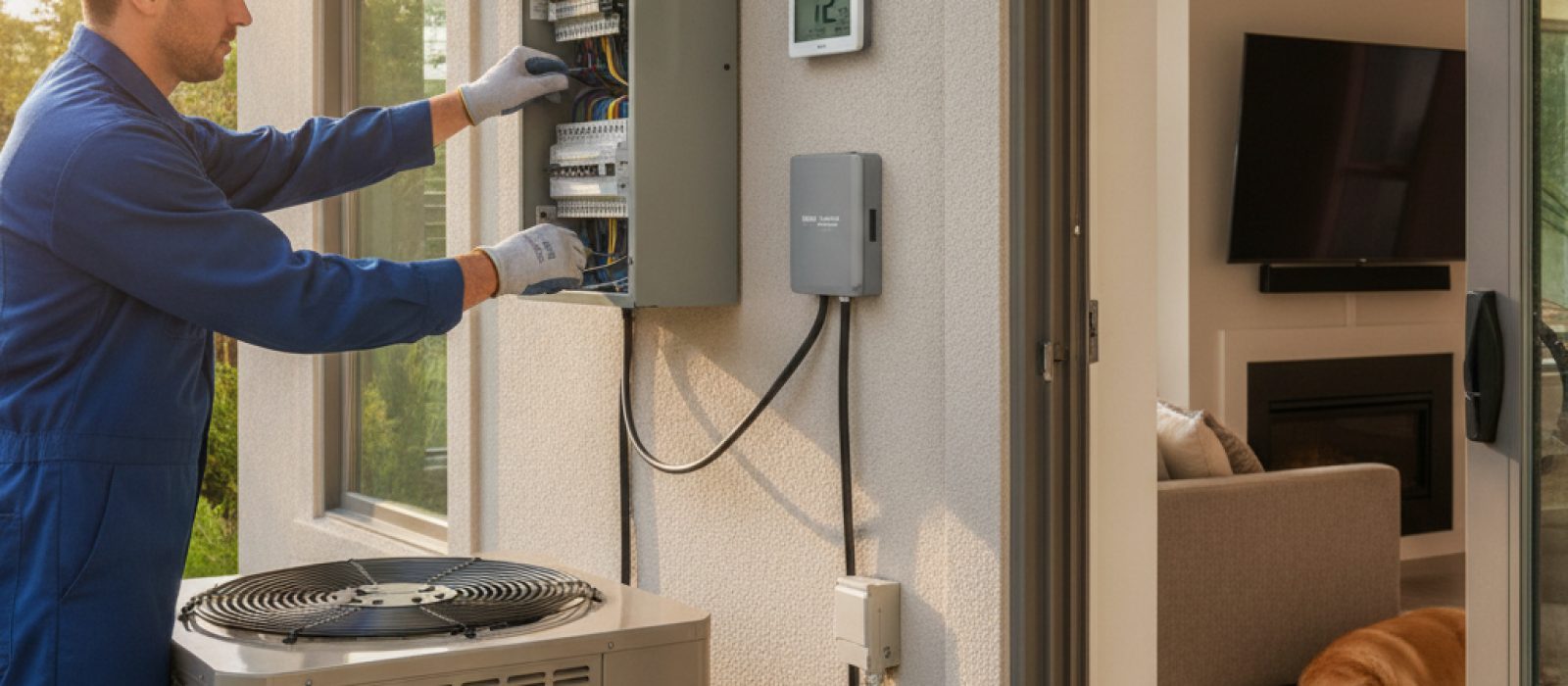
  • New HVAC System Installation: If you're installing a completely new heating and cooling system where one didn't exist before, a permit is required. This includes new furnaces, air conditioners, heat pumps, or ductwork.
  • Full System Replacement: Replacing an entire furnace, air conditioner, or heat pump with a new unit typically requires a permit. Even if it’s a like-for-like replacement, the new installation needs to be inspected for proper sizing, venting, electrical connections, and refrigerant handling.
  • Major Ductwork Modifications: Significant changes to your home's ductwork system, such as adding new runs, relocating existing ducts, or substantially altering the airflow, usually require a permit.
  • Relocating HVAC Units: Moving an outdoor condenser unit or an indoor air handler to a different location on your property or within your home will almost certainly necessitate a permit due to changes in electrical, refrigerant, and condensate lines.
  • Converting Fuel Sources: If you're switching from an oil furnace to a natural gas furnace, or from electric heat to a heat pump, these substantial changes in fuel type and system operation will require permits.
  • Adding Ventilation Systems: Installing new whole-house ventilation systems, such as energy recovery ventilators (ERVs) or heat recovery ventilators (HRVs), often falls under permit requirements.
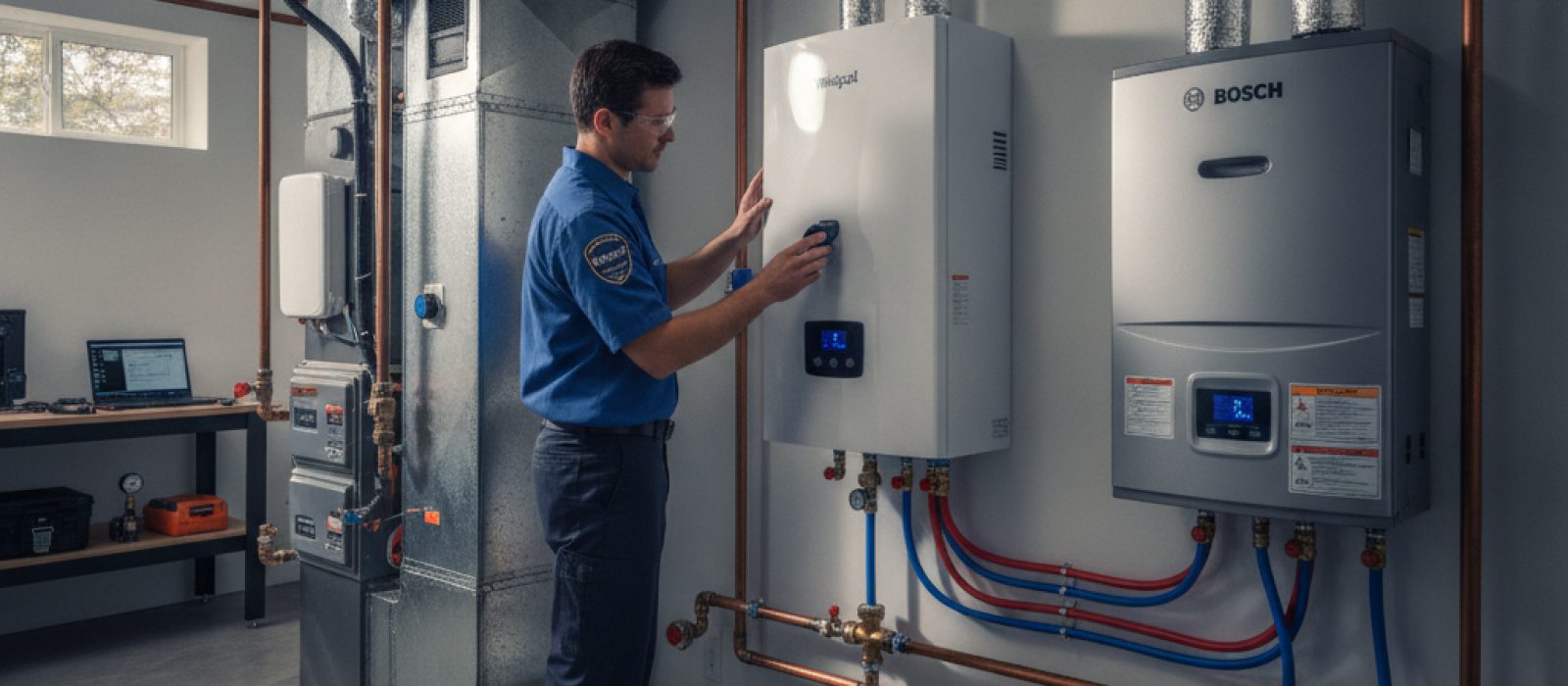
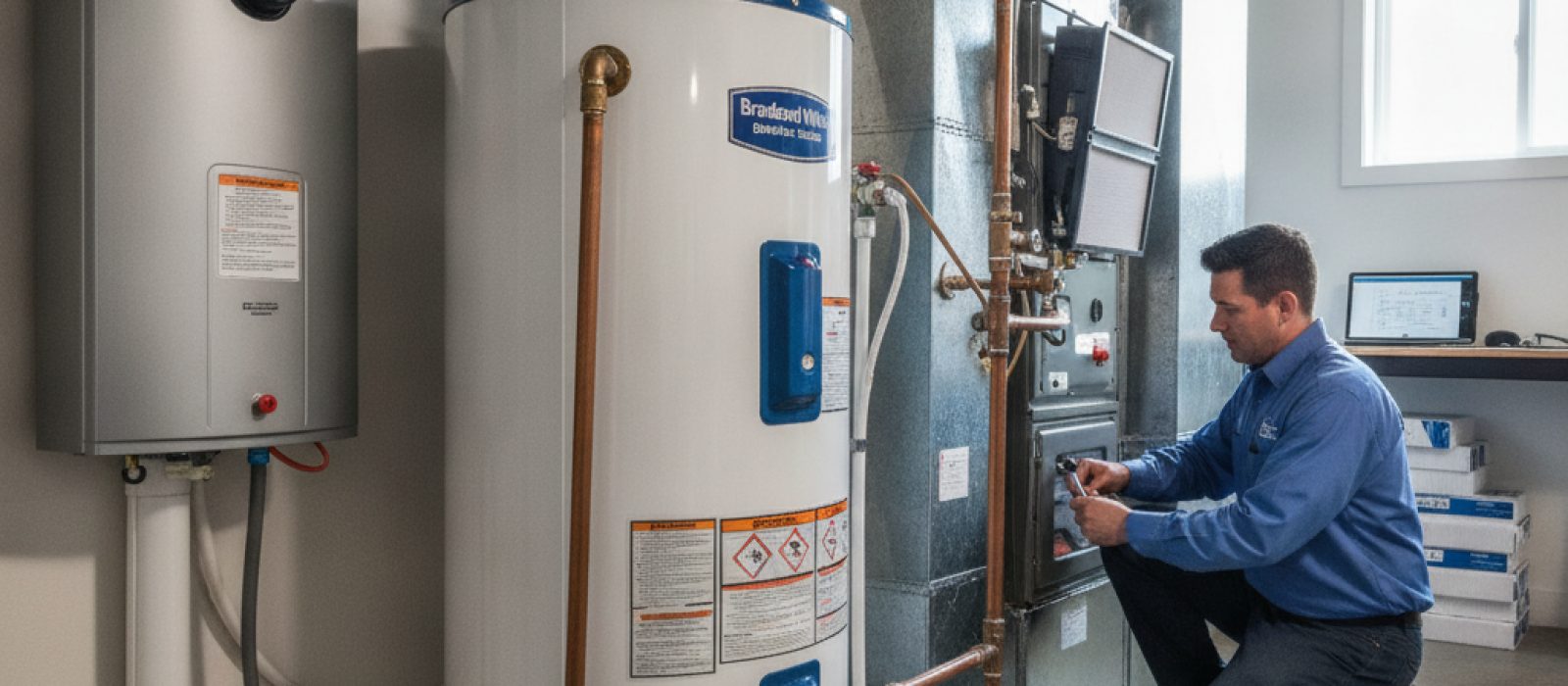
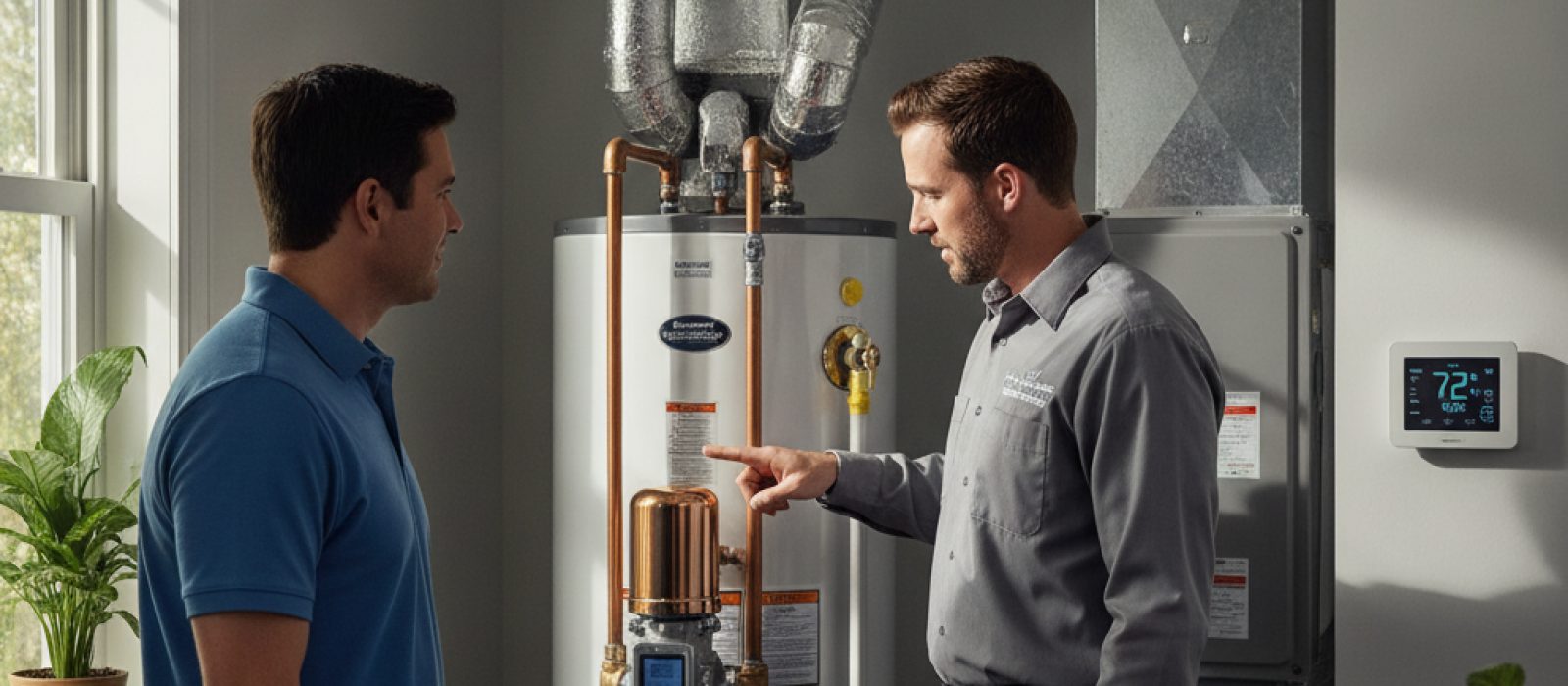
  • Boiler or Water Heater Replacement (Often): While sometimes handled separately, replacing a boiler or a water heater (especially if changing fuel type or location) commonly requires a permit due to gas line, venting, and plumbing connections.

It's important to note that permit requirements can vary significantly from one municipality to another. What requires a permit in one city might not in an adjacent county. Always check with your local building department or, better yet, rely on a reputable HVAC contractor. They are familiar with local regulations and should handle the permit application process on your behalf.

Working With a Licensed HVAC Professional

Choosing a licensed and experienced HVAC contractor is your best defense against permit-related headaches. A trustworthy contractor will not only inform you when a permit is needed but will also handle the entire application process, including submitting plans, scheduling inspections, and ensuring all work meets code. They understand the nuances of local regulations, saving you time, stress, and potential legal issues. Don't hesitate to ask your contractor about permits during your initial consultation; it's a sign of a professional committed to quality and compliance.

#Homeowner Guide #home improvement #HVAC permits #building codes #HVAC installation

Frequently asked questions

What is an HVAC permit?
An HVAC permit is official authorization from your local government (city or county) that allows you to perform specific HVAC-related work on your property, ensuring it meets safety standards, building codes, and zoning regulations.
Why are HVAC permits important for homeowners?
HVAC permits are important for safety assurance, ensuring code compliance, protecting your home's value, maintaining insurance coverage, and holding contractors accountable for quality work.
When do I need an HVAC permit?
You generally need an HVAC permit for new system installations, full system replacements, major ductwork modifications, relocating HVAC units, converting fuel sources, and adding new whole-house ventilation systems.
Do all HVAC repairs require a permit?
No, routine maintenance or minor repairs that do not alter the system's design or capacity typically do not require a permit.
Can unpermitted HVAC work affect my home's sale?
Yes, unpermitted HVAC work can complicate or derail the sale of your home, as home inspectors and potential buyers often check for permits on major renovations.

Related articles

Comments (0)

Be the first to comment.

Leave a comment

Security code

Comments are moderated before they appear.