
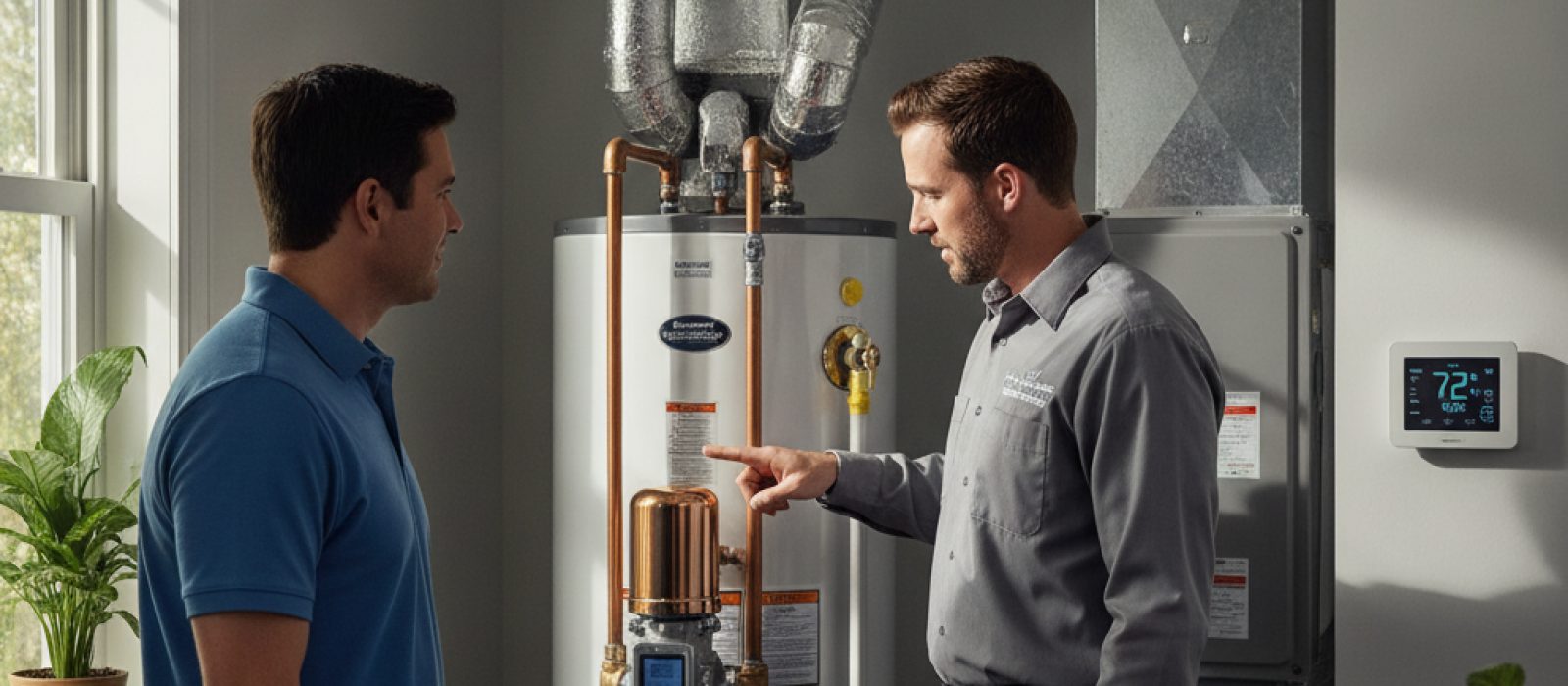
Hot Water Recirculating Pumps: How They Work and What They Cost
Learn how hot water recirculating pumps provide instant hot water, the different installation types, and the factors that influence overall project costs.
3 min read

Mobile and manufactured homes feature distinct construction methods that necessitate specific HVAC equipment. Unlike site-built homes, these structures often have tighter crawl spaces, different insulation profiles, and unique ductwork configurations. Selecting the correct system requires an understanding of these physical limitations to ensure both comfort and energy efficiency.
All heating and cooling equipment installed in a manufactured home must comply with strict federal standards known as the HUD Code. This regulation dictates that HVAC components must be specifically engineered and labeled for use in manufactured housing. Installing a standard residential-grade unit in a mobile home often results in performance issues, safety concerns, and potential code violations.
Standard residential units are designed for homes with different static pressure requirements and airflow characteristics. Mobile home units are specifically calibrated to handle the higher external static pressure common in the smaller, more restrictive ductwork found beneath the floor or within the ceiling of a manufactured home. Using an incompatible blower motor can lead to premature system failure or inadequate air circulation.
Ductwork in manufactured homes is typically located in the belly of the structure, making it susceptible to moisture, debris, and insulation degradation. Because this ductwork is often less accessible than systems in site-built homes, regular Ductwork Services are essential to maintain system integrity. Leaky ducts in a mobile home can lead to significant energy loss and pull contaminants from the crawl space into the living area.
Due to the compact nature of mobile homes, airborne particulates can accumulate more rapidly than in larger dwellings. Prioritizing Indoor Air Quality is vital for maintaining a healthy living environment. Changing air filters frequently—often more often than in a standard home—is the simplest way to protect the system blower and improve air circulation.
Beyond filters, consider the overall ventilation of the home. Manufactured homes are built to be airtight, which is excellent for efficiency but can trap humidity and odors. Proper ventilation strategies, combined with regular Maintenance and Tune-up visits, help ensure the system runs reliably throughout the seasons.
Over-sizing an HVAC unit is a common mistake in mobile home applications. A unit that is too large will cycle on and off too frequently, failing to dehumidify the air properly and causing excessive wear on the mechanical components. A professional load calculation is necessary to determine the exact heating and cooling requirements based on the home's square footage, window placement, and insulation level.
Homeowners can manage basic tasks such as replacing filters, clearing debris from the outdoor condenser unit, and monitoring thermostat settings. However, any work involving the refrigerant lines, electrical connections, or the heat exchanger must be performed by a licensed professional. If you experience persistent issues with your system, contact a technician for Emergency HVAC support to prevent minor malfunctions from becoming costly repairs.
Upgrading to a high-efficiency heat pump or a modern furnace can significantly reduce monthly utility expenses. Because manufactured homes have specific space constraints, multi-stage or variable-speed systems are often excellent options. These systems adjust their output based on real-time demand, providing more consistent temperatures and quieter operation compared to older, single-stage models.
The thermostat serves as the brain of the HVAC system. If your current thermostat is outdated, upgrading to a programmable or smart model can offer better control over your home's climate. Ensure that the thermostat is compatible with your specific heating and cooling configuration, particularly if you are switching between gas, electric, or heat pump operation.
Learn how hot water recirculating pumps provide instant hot water, the different installation types, and the factors that influence overall project costs.
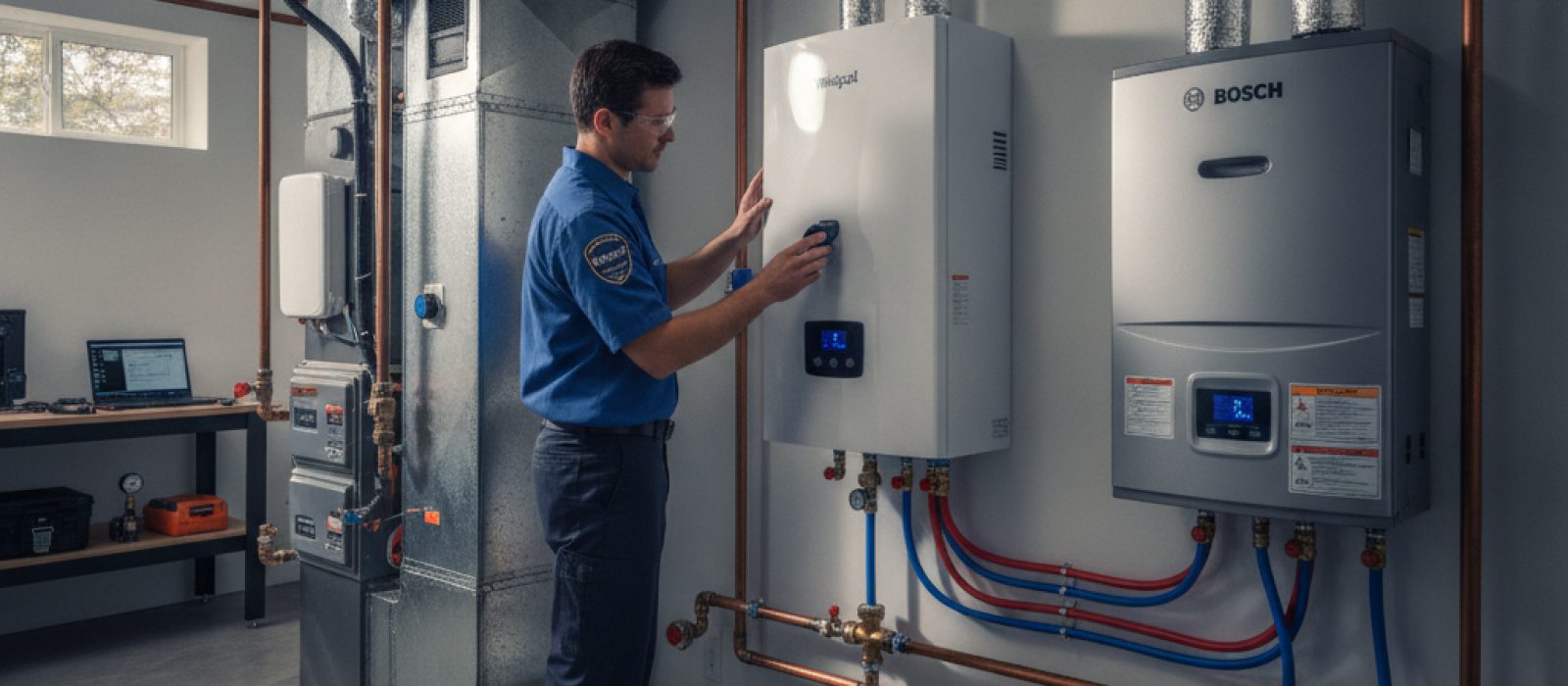
A practical guide to understanding the operational differences, maintenance needs, and common troubleshooting steps for Whirlpool and Bosch water heaters.
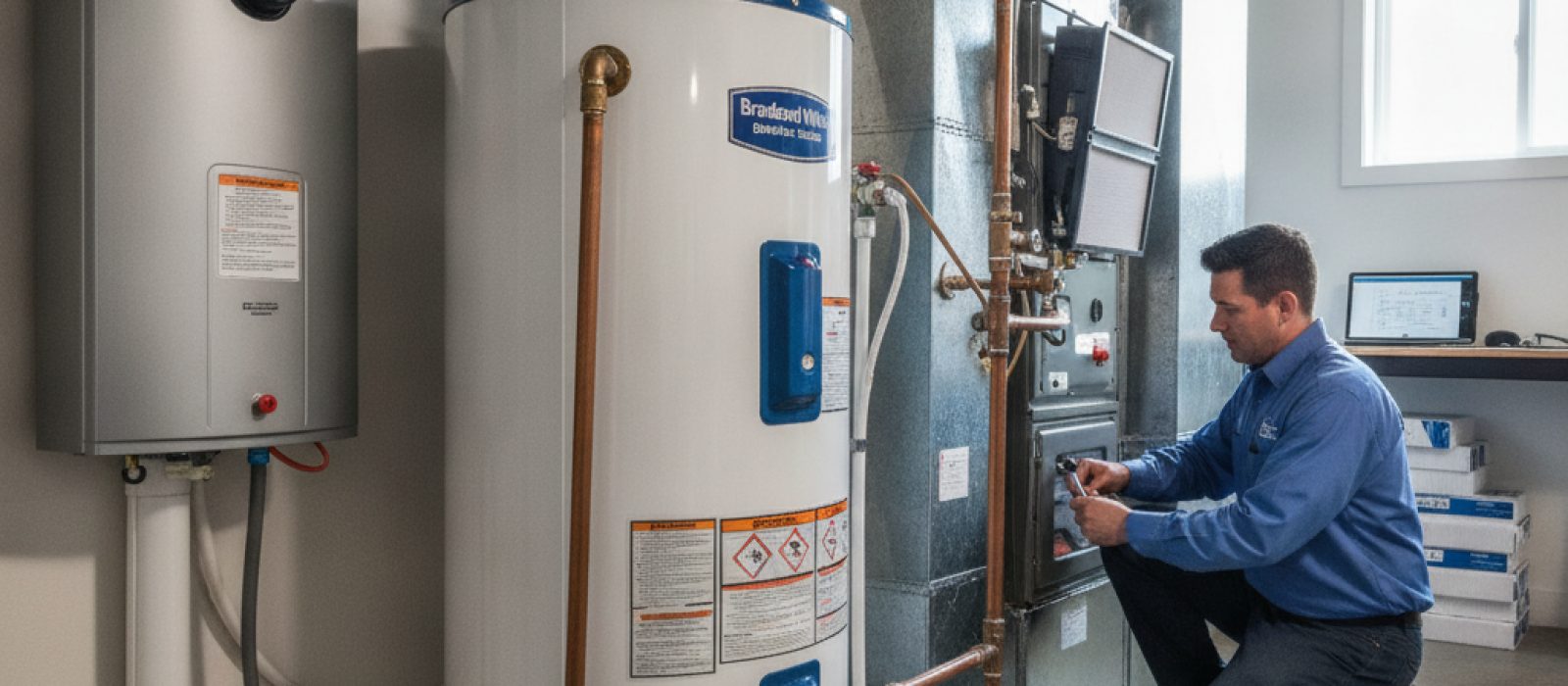
Learn how to choose between 40 and 75-gallon Bradford White water heaters and understand which model fits your home's hot water demands.
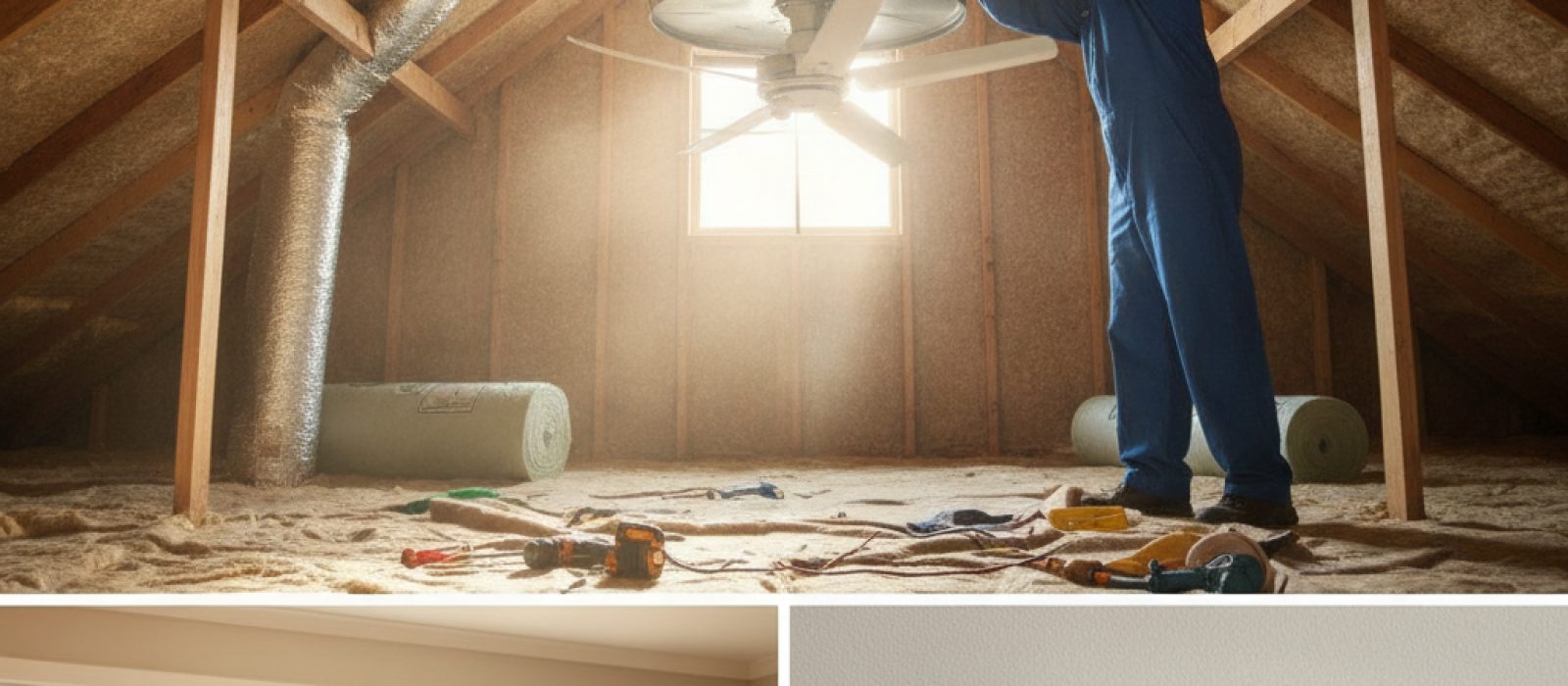
Learn how attic fans manage thermal buildup, the factors influencing installation costs, and the critical mistakes to avoid for a balanced home system.
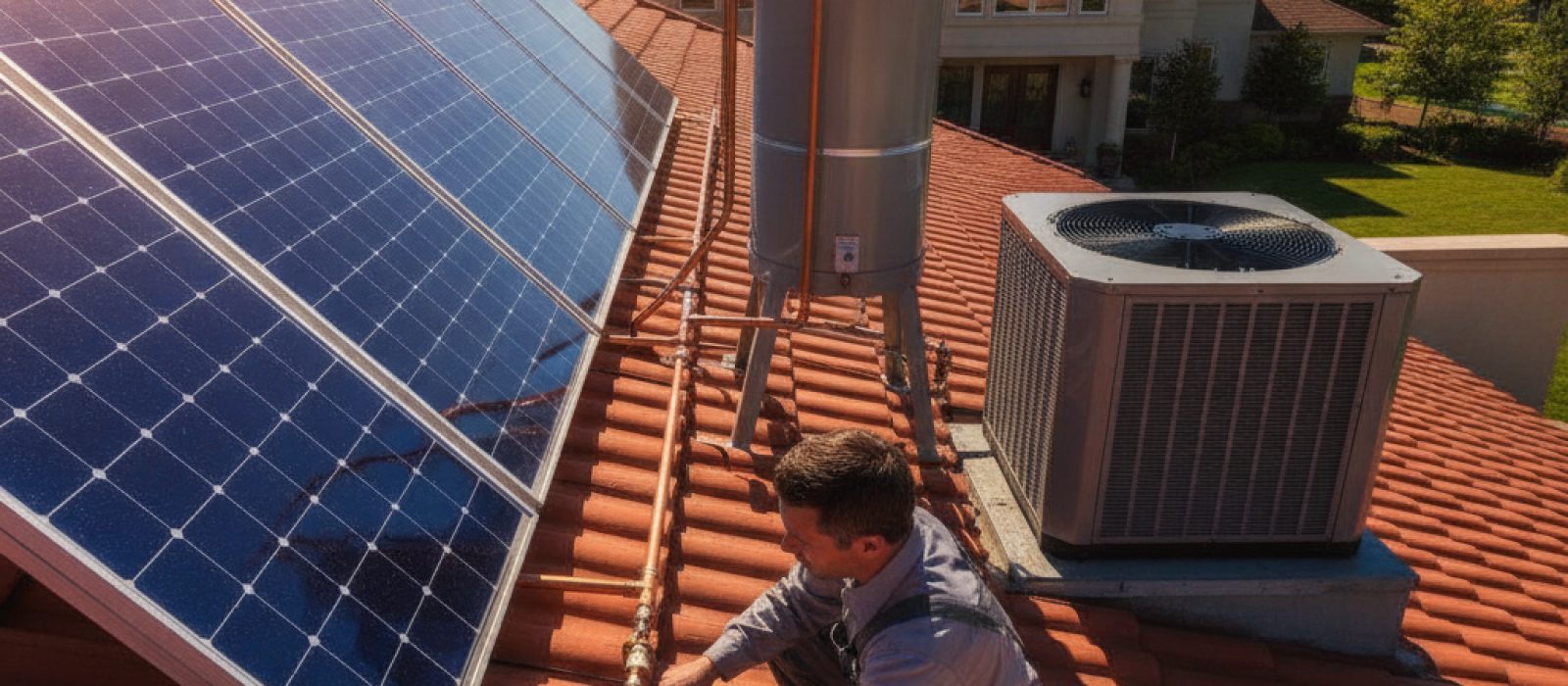
Understand the mechanics, efficiency benefits, and practical considerations of installing a solar-powered water heating system in your home.
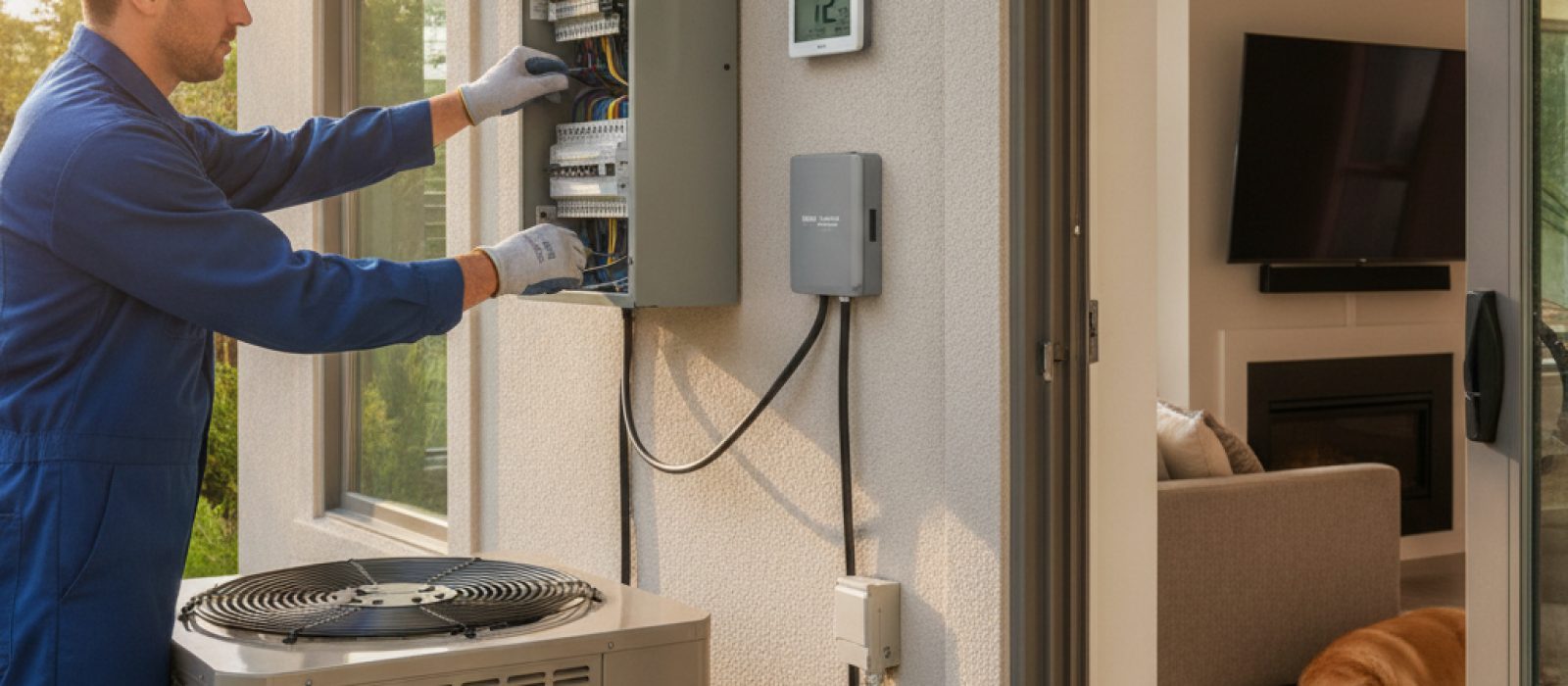
Learn how whole-house surge protectors safeguard sensitive HVAC equipment and home electronics from damaging power spikes and electrical surges.
Be the first to comment.