HVAC Service Fast

HVAC Emergency Guide: What to Do Before Help Arrives

4 min read

HVAC Emergency Guide: What to Do Before Help Arrives

Don't Panic: Your First Steps in an HVAC Emergency

It's a homeowner's nightmare: your air conditioner gives out on the hottest day of summer, or your furnace stops working in the middle of a winter freeze. When your HVAC system unexpectedly quits, the immediate reaction can be panic. But before you pick up the phone to call for emergency service, there are several practical steps you can take. Not only can these steps help you stay more comfortable, but sometimes, they might even resolve a minor issue, saving you a service call. This guide will walk you through what to do when your HVAC system faces an emergency, before professional help arrives.

Safety First: Crucial Initial Checks

Before attempting any troubleshooting, always prioritize safety. If you smell gas, hear strange electrical noises, or see sparks, turn off your system immediately and call for professional help. Do not attempt to fix anything yourself in these situations. If the issue seems less severe, proceed with caution.

  • Check Your Thermostat: This might sound obvious, but many service calls are resolved by a simple thermostat adjustment. Ensure it's set to the correct mode (heat or cool) and temperature. Check the batteries if it's a battery-powered model. Sometimes, a quick reset of the thermostat can resolve minor glitches.
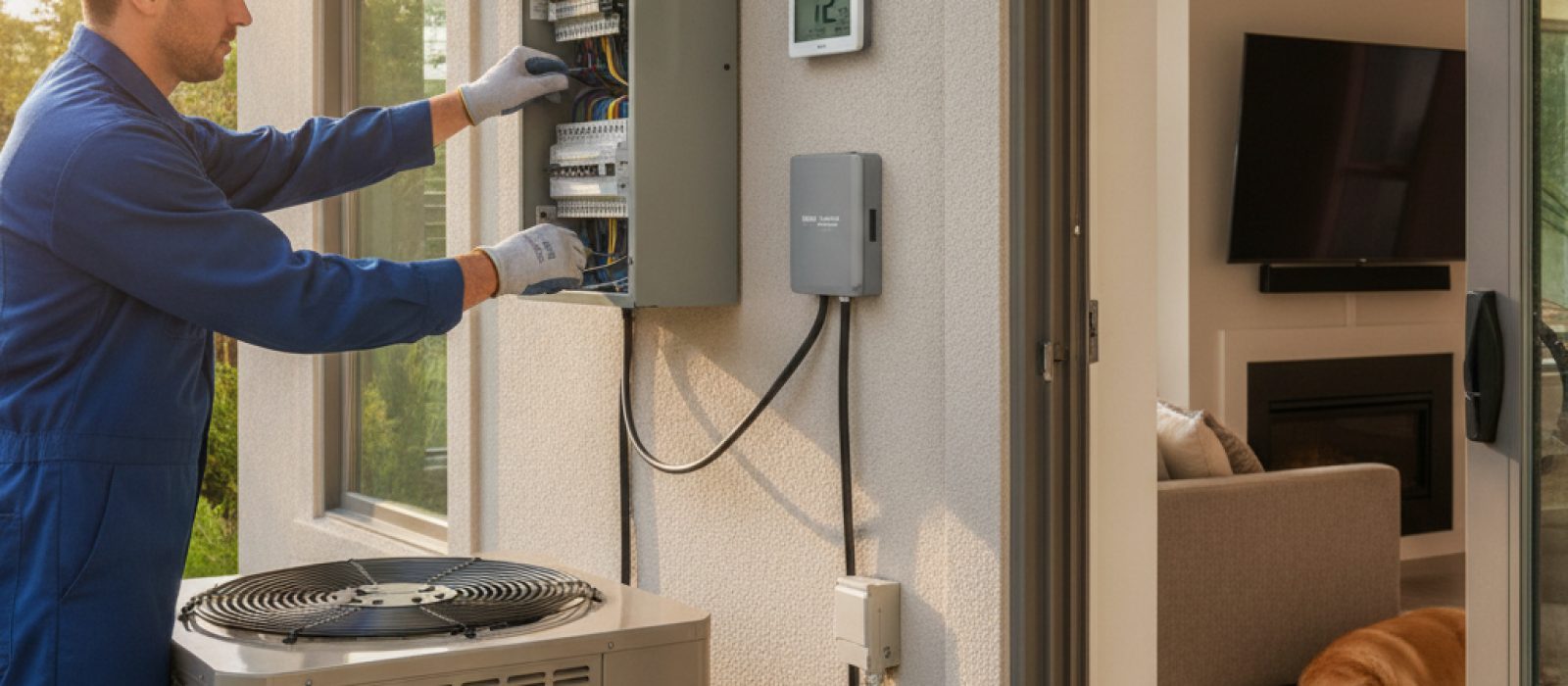
  • Inspect Your Circuit Breaker: HVAC systems draw a lot of power, and it's common for their dedicated circuit breaker to trip. Head to your electrical panel and look for any tripped breakers (usually halfway between ON and OFF, or fully OFF). Flip it firmly to the OFF position, then back to ON. If it trips again immediately, do not reset it; there's a more serious electrical issue at play, and you'll need professional assistance.
  • Verify Power Switches: Both your furnace and outdoor AC unit typically have dedicated power switches, often resembling light switches, located near the unit itself. Ensure these haven't been accidentally turned off.

Common Issues & DIY Troubleshooting

No Cool Air (AC Unit)

If your AC is running but blowing warm air or no air at all, consider these points:

  • Check Your Air Filter: A clogged air filter is a very common culprit for reduced airflow and poor cooling. A severely dirty filter can even cause your unit to freeze up. Replace it if it's visibly dirty.
  • Inspect Outdoor Unit (Condenser): Ensure the outdoor unit isn't blocked by debris (leaves, branches, overgrown bushes). Clear away any obstructions. Also, check if the fan on top of the unit is spinning. If it's not, and the unit is humming, turn it off immediately as the motor might be seizing.
  • Look for Ice: If your indoor coil or refrigerant lines are frozen, turn off the AC and switch your fan to 'ON' (not 'AUTO') to help melt the ice. This indicates a problem with airflow or refrigerant levels, which will require professional repair, but melting the ice first can prevent further damage.

No Heat (Furnace)

When your furnace isn't producing heat, try these steps:

  • Check Your Air Filter: Just like with AC, a dirty filter can restrict airflow and cause your furnace to overheat and shut down as a safety measure.
  • Pilot Light (Older Furnaces): If you have an older furnace with a pilot light, check if it's lit. If not, follow your furnace's instructions for relighting it. Be cautious and never force anything. If you smell gas, do not attempt to relight it.
  • Clear Vents: Ensure all supply and return vents inside your home are open and not blocked by furniture, rugs, or curtains. Blocked vents can restrict airflow and affect heating efficiency.

When to Call for Professional Help

While these troubleshooting steps can often resolve minor issues or provide temporary relief, it's crucial to know when to call in the experts. If:

  • The circuit breaker trips repeatedly.
  • You hear unusual noises (grinding, banging, screeching) or smell strange odors (burning, gas).
  • Your system is still not working after performing the basic checks.
  • You suspect a refrigerant leak (AC) or carbon monoxide leak (furnace – consider installing a CO detector!).
  • You've tried everything and are still uncomfortable.

Even if you manage to get your system running again, if the problem seemed significant, it's a good idea to schedule a professional inspection soon. Underlying issues can lead to more costly repairs down the line.

Staying Comfortable While You Wait

While waiting for your HVAC technician, focus on maintaining comfort and safety:

  • Extreme Heat: Close curtains and blinds, use fans, take cool showers, and stay hydrated. Consider spending time in a public air-conditioned space if temperatures are dangerously high.
  • Extreme Cold: Dress in layers, use extra blankets, seal off unused rooms, and use space heaters safely (ensure they are away from flammable materials and on a stable surface). Never use your oven or grill for heat.
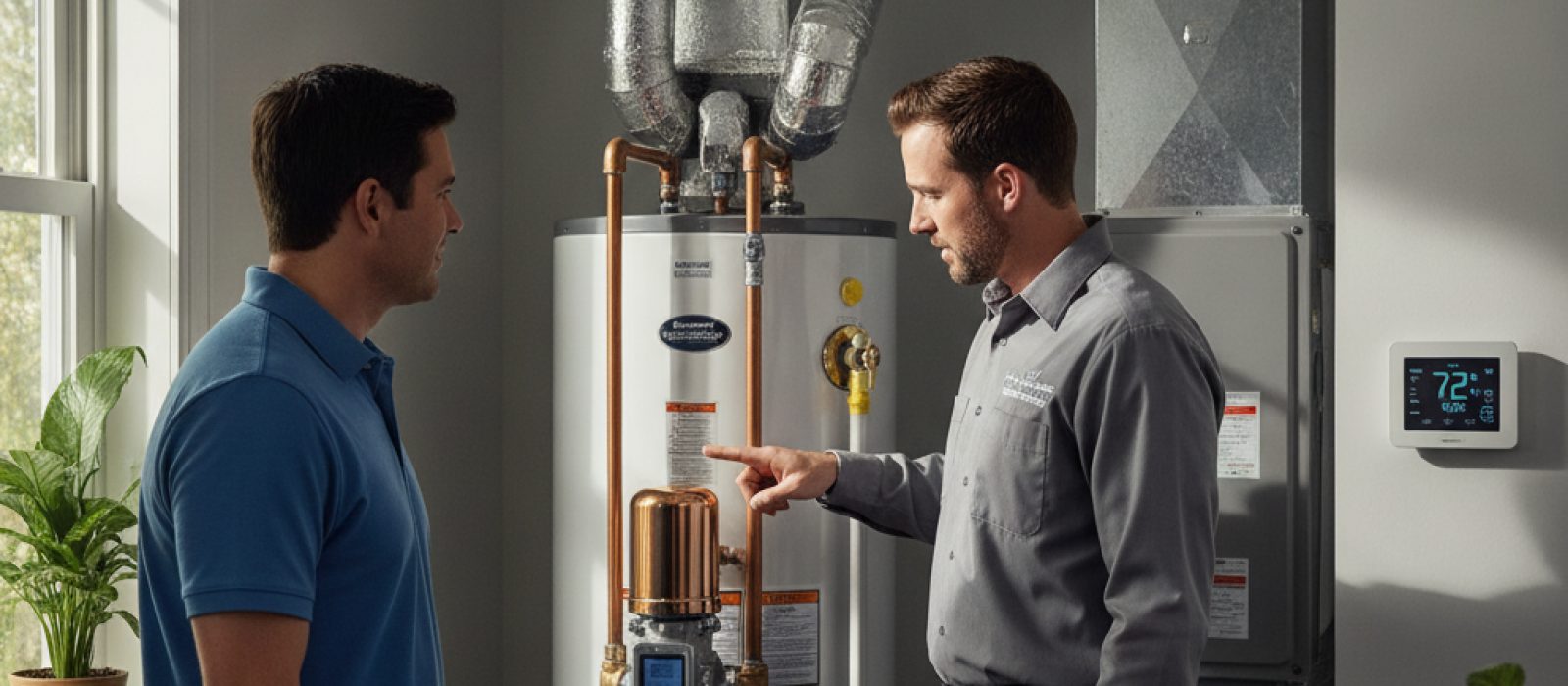
  • Communicate: Be ready to clearly describe the symptoms you observed to your technician. This helps them diagnose the problem more quickly.

An HVAC emergency is never convenient, but by staying calm and following these practical steps, you can often mitigate the situation and ensure your home is ready for professional intervention. Your comfort and safety are paramount, so don't hesitate to reach out to a trusted HVAC service provider when needed.

#AC repair #Troubleshooting #furnace repair #Homeowner Tips #HVAC Emergency

Frequently asked questions

What should I do immediately if my HVAC system breaks down?
First, don't panic. Prioritize safety by checking for gas smells or electrical issues. Then, check your thermostat settings, circuit breaker, and power switches near the units before calling for service.
Can a simple thermostat issue cause an HVAC emergency?
Yes, sometimes. Many service calls are resolved by adjusting the thermostat to the correct mode and temperature, or by replacing its batteries if it's a battery-powered model. A quick reset can also help.
What are common DIY fixes for an AC unit blowing warm air?
Check and replace a dirty air filter, clear debris from the outdoor condenser unit, and look for ice on the indoor coil or refrigerant lines. If ice is present, turn off the AC and run the fan to melt it.
What should I check if my furnace isn't producing heat?
Inspect your air filter for cleanliness, check the pilot light (if applicable to older furnaces) and relight it carefully following instructions, and ensure all supply and return vents are open and unobstructed.
When is it time to call a professional for HVAC help?
Call a professional if the circuit breaker trips repeatedly, you hear unusual noises or smell strange odors, your system is still not working after basic checks, or you suspect a refrigerant or carbon monoxide leak.

Related articles

Comments (0)

Be the first to comment.

Leave a comment

Security code

Comments are moderated before they appear.