
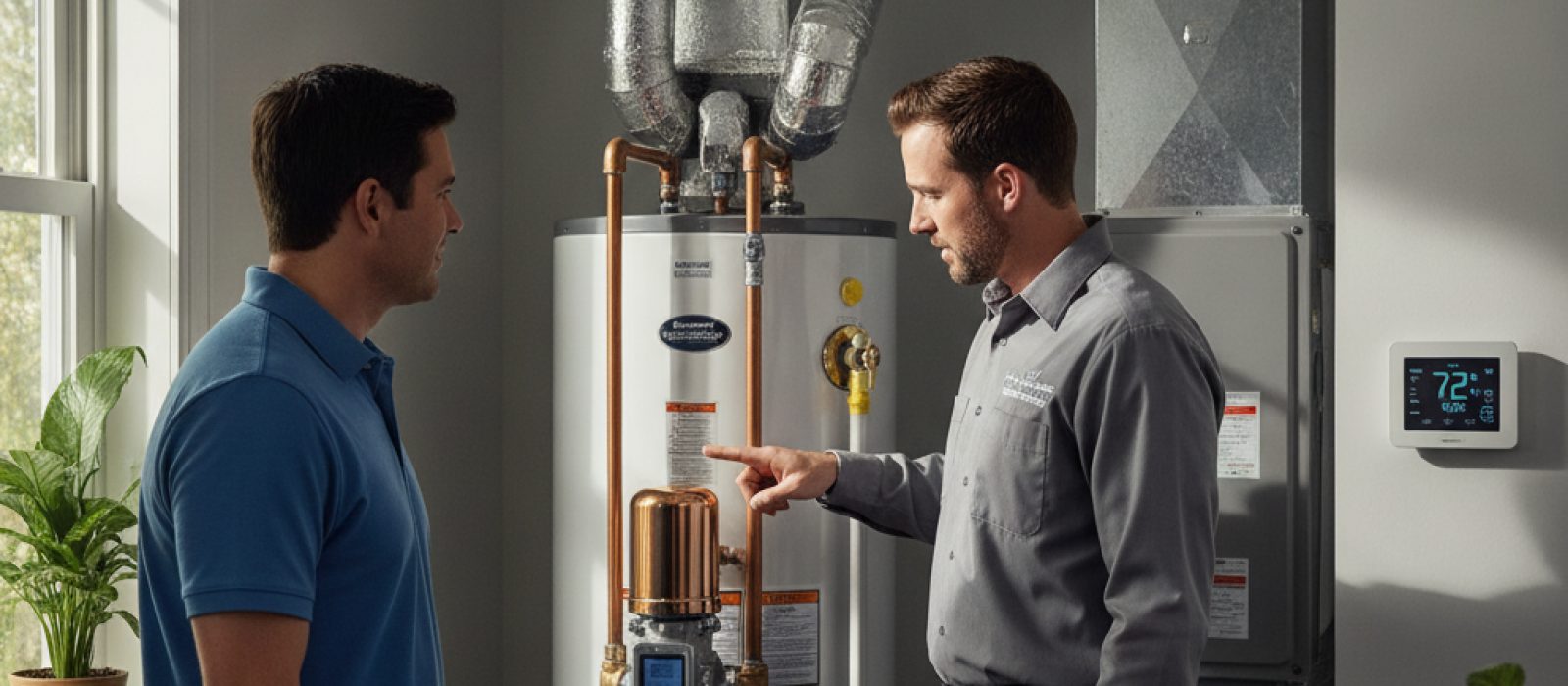
Hot Water Recirculating Pumps: How They Work and What They Cost
Learn how hot water recirculating pumps provide instant hot water, the different installation types, and the factors that influence overall project costs.
4 min read

A home energy audit is a comprehensive assessment of how your residence consumes energy and where it loses efficiency. While many homeowners focus exclusively on the age of their furnace or air conditioner, an audit examines the building envelope—the physical barrier between the interior and exterior environments. By identifying air leaks, insulation gaps, and thermal bridges, a professional audit provides a roadmap to ensure your HVAC equipment does not work harder than necessary.
HVAC systems are sized based on the assumption that a home will maintain a specific level of thermal resistance. If your attic insulation is insufficient or your windows are drafty, the system must cycle more frequently to compensate for the heat gain in summer or heat loss in winter. This constant operation increases mechanical wear and shortens the lifespan of your components.
During an audit, technicians often use blower door tests and infrared thermography to visualize where conditioned air escapes. When you address these leaks, you effectively reduce the load on your system. This allows for more stable indoor temperatures and prevents the short-cycling that often leads to premature failure of motors and compressors.
A significant portion of energy loss occurs within the distribution system. Leaky, poorly insulated, or improperly sized ducts force your heating and cooling equipment to push air against unnecessary resistance. Many homeowners are unaware that their ducts are leaking conditioned air into unconditioned spaces like attics or crawl spaces.
Professional Ductwork Services can rectify these issues once an audit identifies the specific locations of the leaks. Sealing and insulating these pathways ensures that the air generated by your furnace or heat pump actually reaches the living areas, rather than conditioning the wall cavities or attic insulation.
Energy audits do more than track temperature; they also assess the air exchange rate within the home. A home that is too tight without mechanical ventilation can trap pollutants, while a home that is too loose allows dust, pollen, and humidity to infiltrate the living space. Understanding this balance is critical for maintaining healthy Indoor Air Quality.
Once the audit highlights areas of concern, you can implement targeted solutions. This might include installing high-efficiency air cleaners or energy-recovery ventilators that provide fresh air without sacrificing the thermal efficiency gained through building envelope improvements.
The audit process also reviews how you control your climate. Often, older or improperly calibrated thermostats cause erratic system performance. Integrating modern Thermostat Services can provide the granular control necessary to match your HVAC output with your actual occupancy schedule.
When an audit reveals that a home is well-sealed, a smart thermostat can be programmed to utilize the home's improved thermal retention. This prevents the system from running at full capacity when it is not needed, further extending the interval between required Maintenance & Tune-up visits.
A professional audit involves a methodical inspection of your entire home. The technician will typically evaluate:
After the inspection, you will receive a report detailing which improvements offer the highest return on investment. It is generally recommended to prioritize air sealing and insulation upgrades before replacing HVAC equipment. If you install a new, high-efficiency system in a leaky house, you will likely pay for more capacity than the home actually requires.
While homeowners can perform basic visual checks—such as replacing air filters or checking for obvious gaps around door frames—the technical aspects of an audit require specialized equipment and training. Attempting to seal ducts with improper materials or modifying the building envelope without considering ventilation can lead to moisture accumulation or carbon monoxide buildup.
Always consult with a licensed professional to interpret the audit results. A holistic approach ensures that your energy-saving efforts align with the manufacturer specifications of your heating and cooling systems. By viewing your home as a single, integrated system rather than a collection of separate appliances, you create a more comfortable, durable, and energy-efficient living environment.
Learn how hot water recirculating pumps provide instant hot water, the different installation types, and the factors that influence overall project costs.
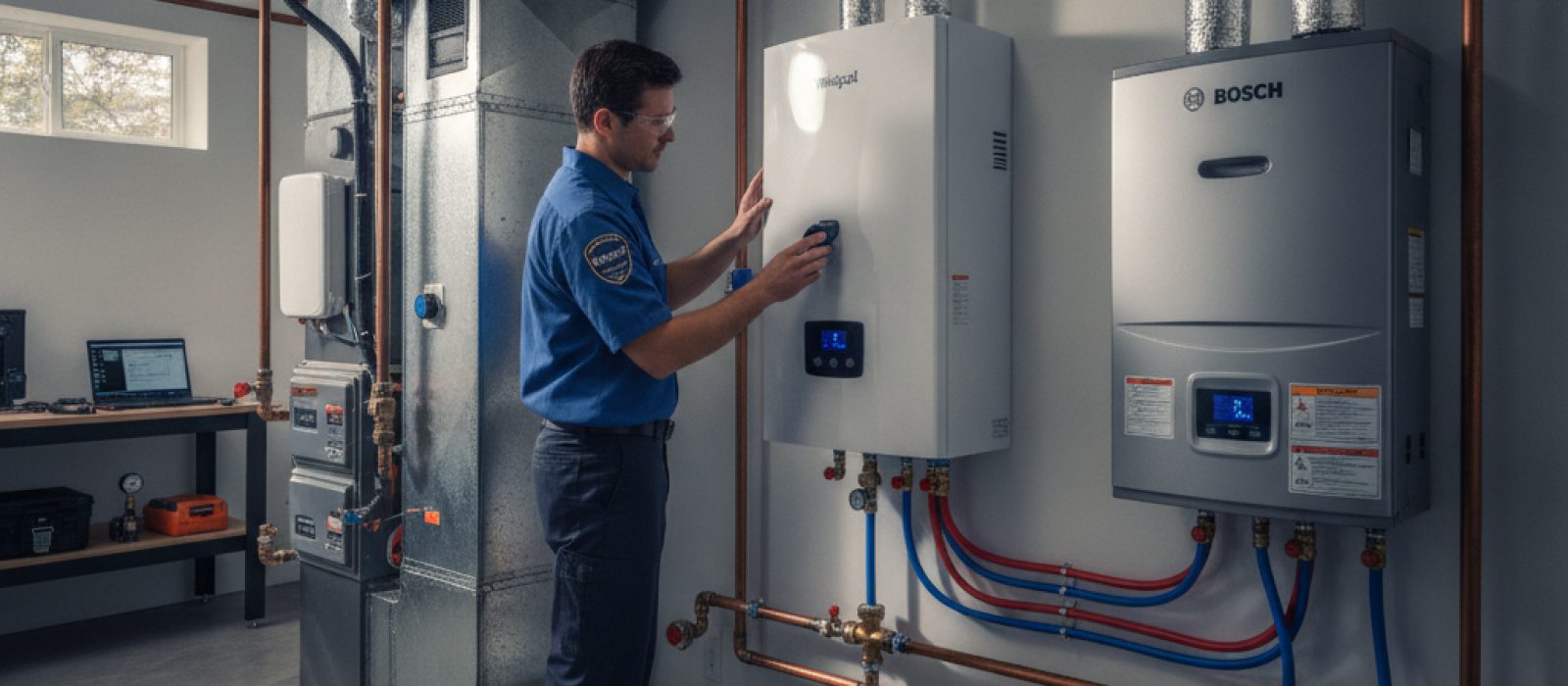
A practical guide to understanding the operational differences, maintenance needs, and common troubleshooting steps for Whirlpool and Bosch water heaters.
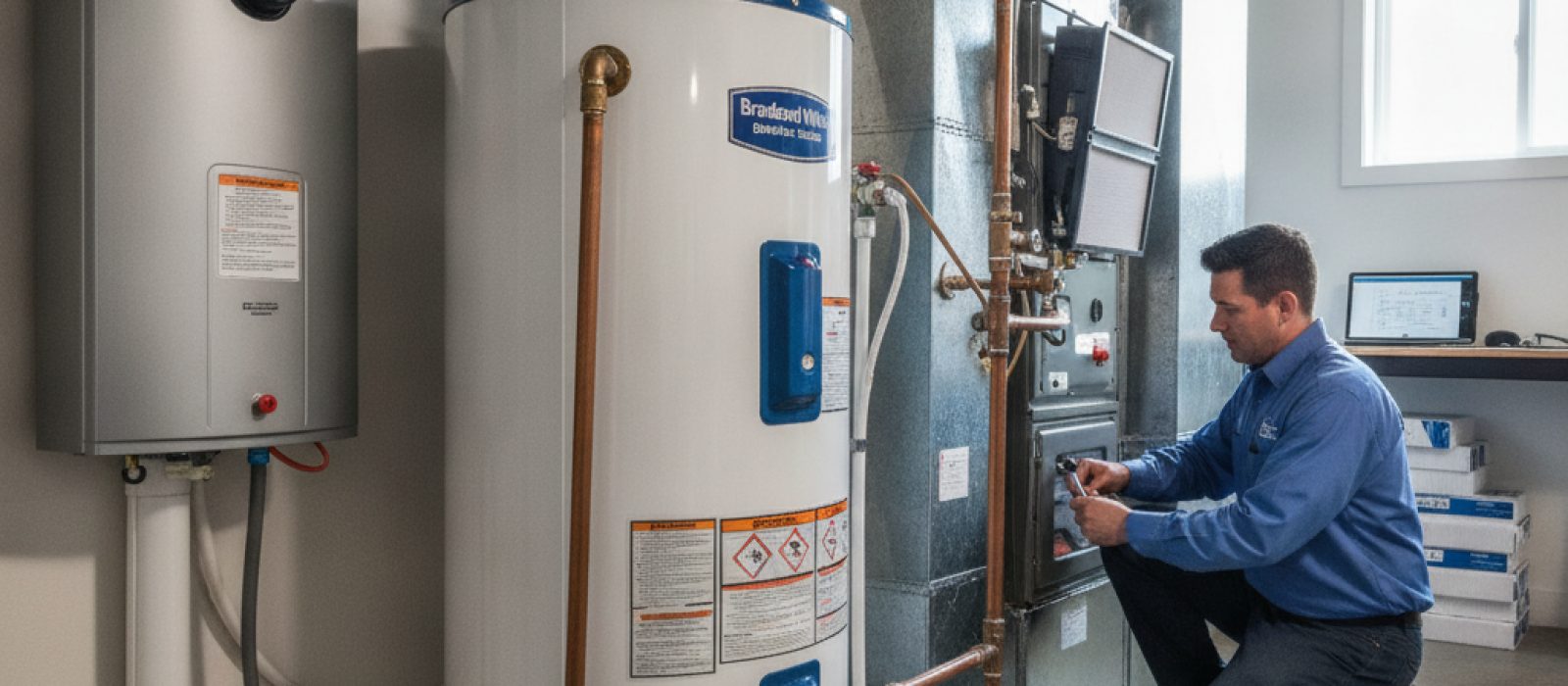
Learn how to choose between 40 and 75-gallon Bradford White water heaters and understand which model fits your home's hot water demands.
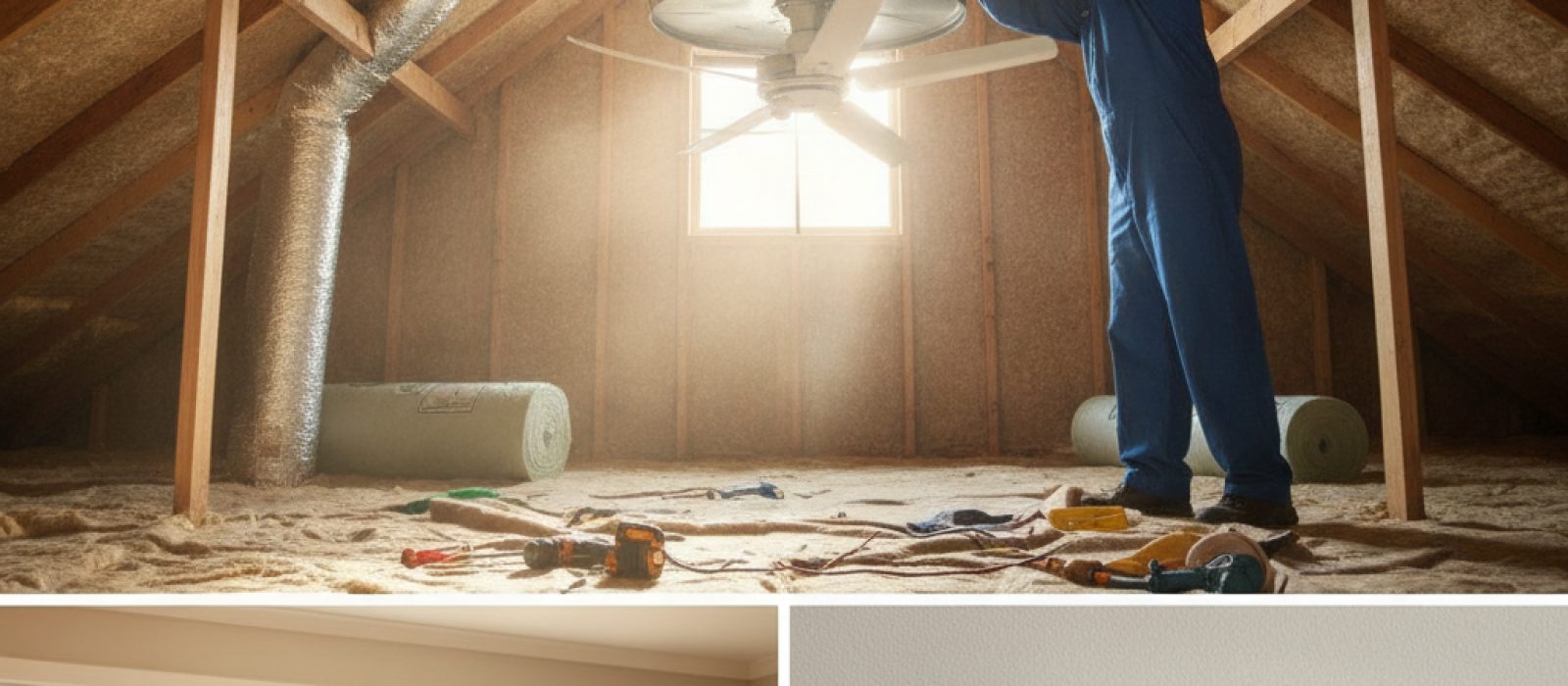
Learn how attic fans manage thermal buildup, the factors influencing installation costs, and the critical mistakes to avoid for a balanced home system.
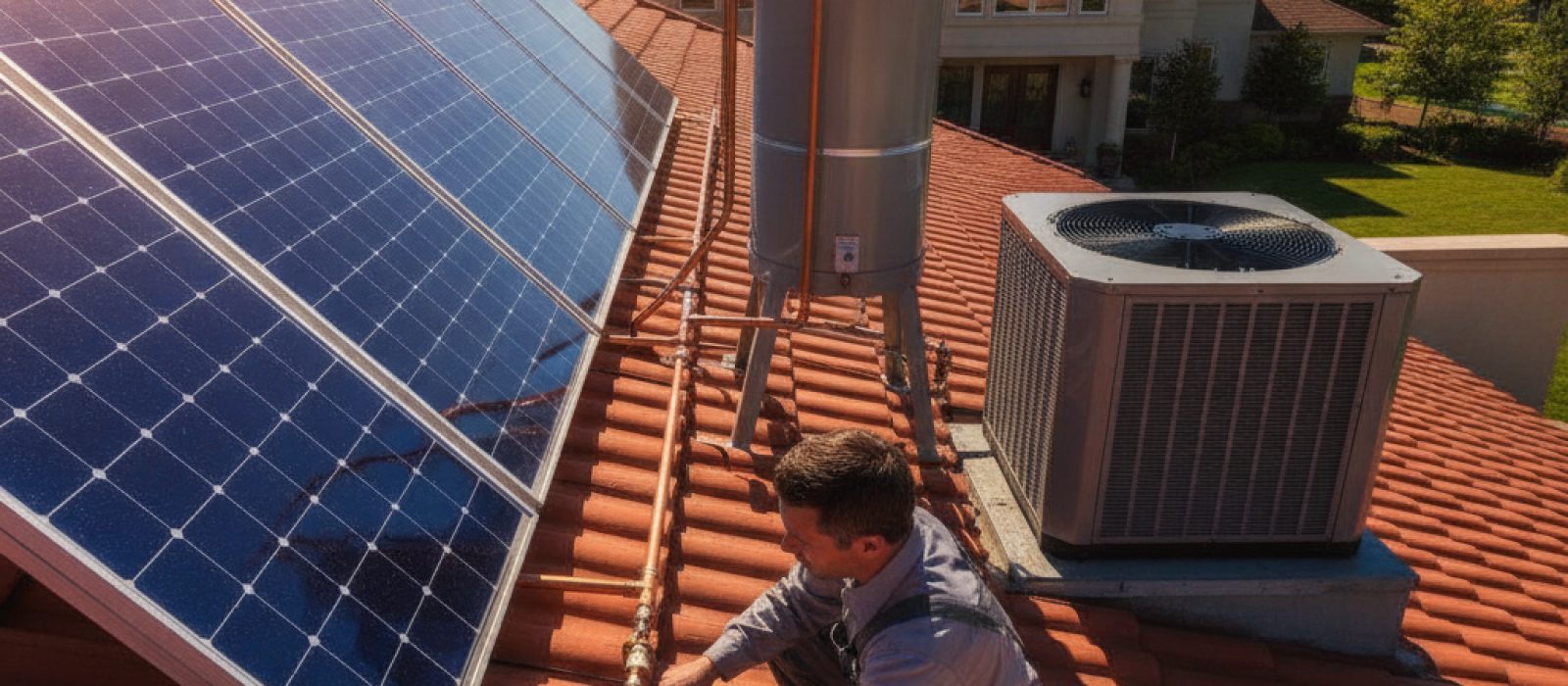
Understand the mechanics, efficiency benefits, and practical considerations of installing a solar-powered water heating system in your home.
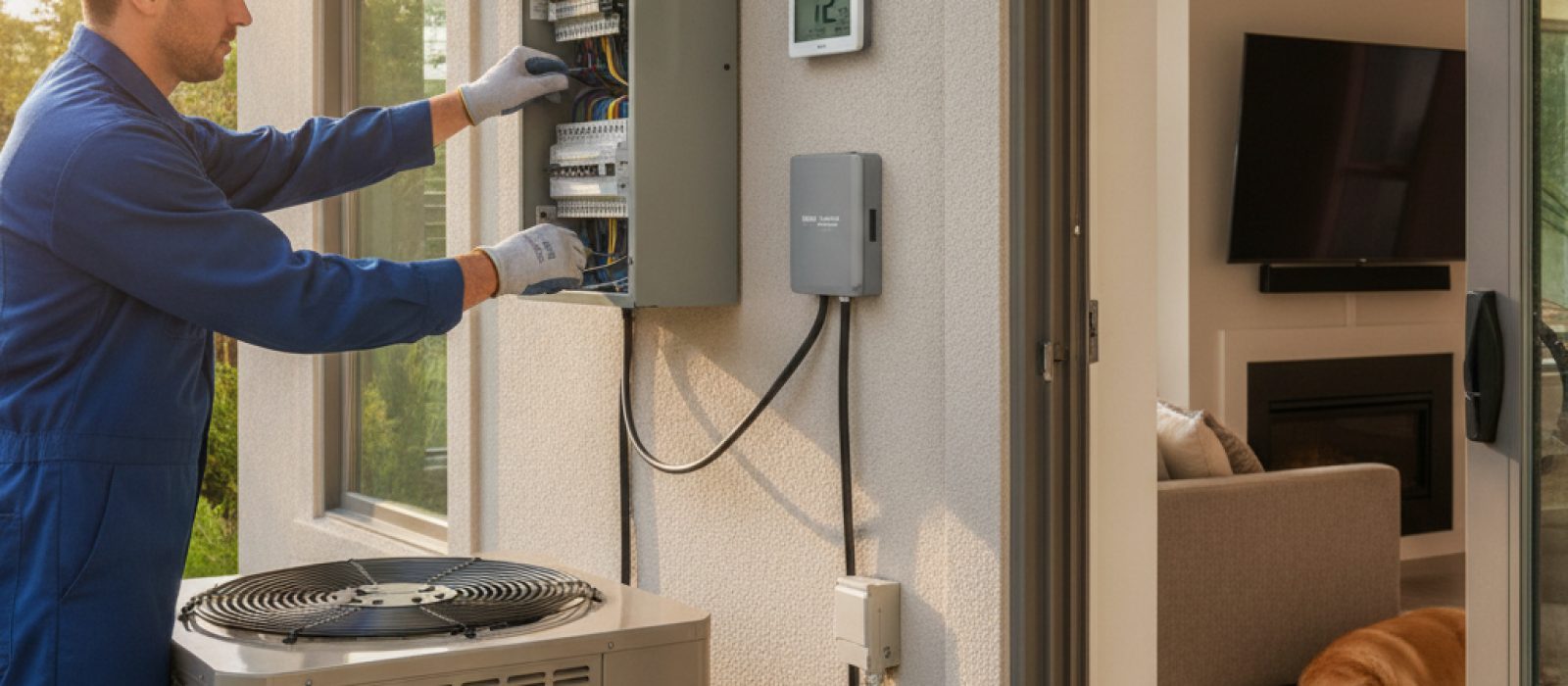
Learn how whole-house surge protectors safeguard sensitive HVAC equipment and home electronics from damaging power spikes and electrical surges.
Be the first to comment.