
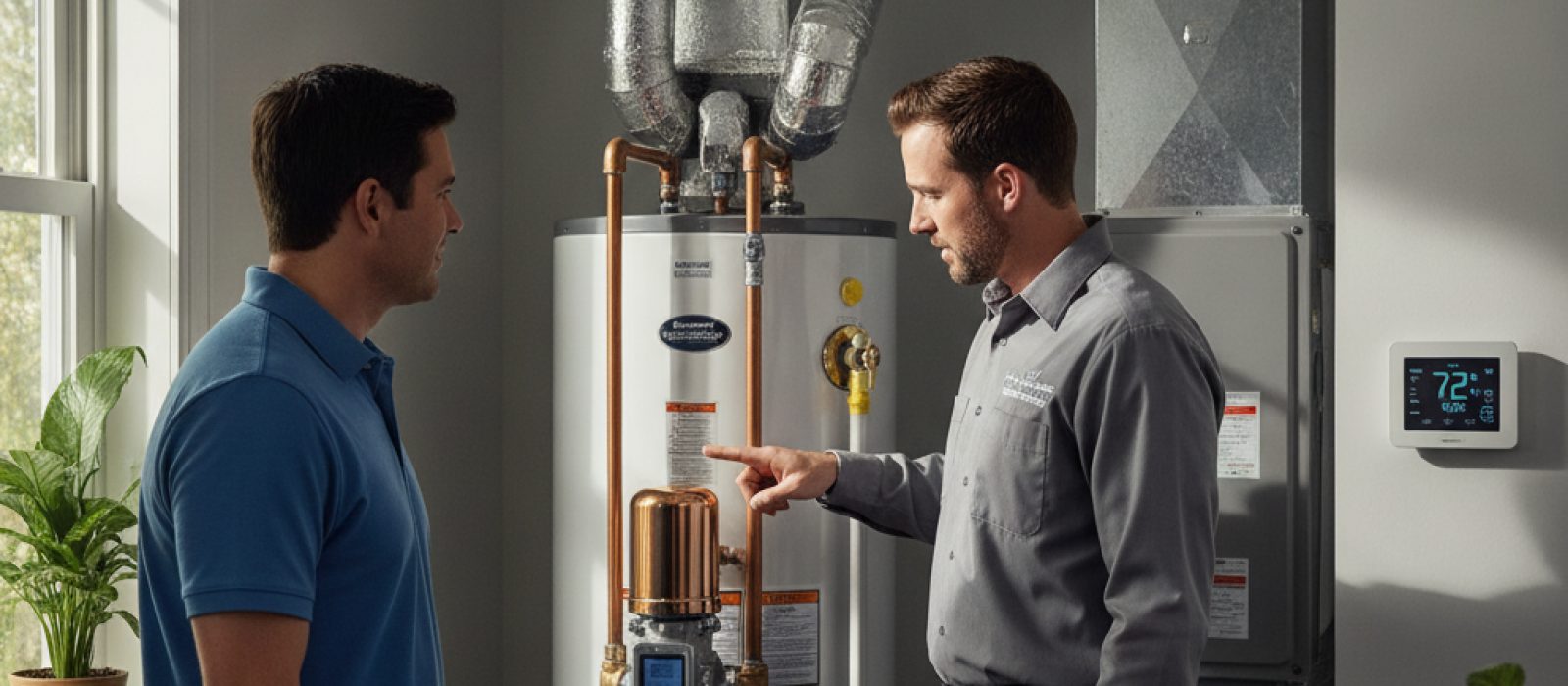
Hot Water Recirculating Pumps: How They Work and What They Cost
Learn how hot water recirculating pumps provide instant hot water, the different installation types, and the factors that influence overall project costs.
4 min read

Replacing only the outdoor condenser while leaving an aging indoor evaporator coil in place is a common temptation when facing a sudden repair bill. While technically possible in some instances, this approach often compromises the integrity of the entire cooling system. Air conditioning units are engineered as matched sets, meaning the outdoor compressor and the indoor coil are designed to work together to manage specific pressure levels and heat transfer rates.
When these components do not match, the system may struggle to reach its rated efficiency. An old, undersized indoor coil may restrict refrigerant flow, leading to increased pressure on the new compressor. This additional strain can cause premature component failure, effectively negating any savings gained by opting for a partial replacement.
Modern air conditioning systems utilize specific refrigerants that are not interchangeable with older formulas. If an existing system uses an older refrigerant type, it is generally impossible to pair it with a new unit designed for current, more environmentally friendly alternatives. Attempting to mix components across these technology divides is not only inefficient but often physically impossible due to different valve connections and oil requirements.
Even when refrigerant types appear compatible, the oil used in the compressor must be compatible with the existing lines. Residual oil from an older system can contaminate the new unit, leading to internal mechanical damage. Professional technicians must flush existing refrigerant lines thoroughly if they are to be reused, though this process is not always 100% effective at removing all debris.
The Seasonal Energy Efficiency Ratio (SEER2) is the industry standard for measuring cooling performance. These ratings are determined based on the performance of a complete, matched system. Installing a high-efficiency outdoor unit with an older, lower-efficiency indoor coil will almost certainly result in a system that performs at the level of the least efficient component.
Homeowners seeking Energy Efficient Solutions should recognize that a mismatched system will never reach the advertised SEER2 rating of the new condenser. This mismatch creates a performance ceiling that prevents the system from saving the energy dollars homeowners often expect when investing in new hardware. To achieve true efficiency, the indoor blower motor, the evaporator coil, and the outdoor unit must communicate effectively within a unified design.
Manufacturers provide warranties based on the installation of a complete, AHRI-certified system. When a homeowner chooses to replace only the outdoor unit, they often void the manufacturer’s limited warranty for the new equipment. If the new condenser fails due to a system-wide issue, the manufacturer may deny the claim because the unit was not installed as part of a verified, matched assembly.
Securing a valid warranty requires documentation that the entire system meets specific design criteria. Before committing to a partial replacement, verify whether the manufacturer of the new condenser will honor the warranty when paired with existing equipment. In many cases, the long-term cost of a potential equipment failure far outweighs the upfront savings of a partial installation.
Air conditioning installation involves high-voltage electrical connections and the handling of pressurized refrigerant. These tasks are strictly reserved for licensed professionals who follow local building codes and safety regulations. A technician must perform a load calculation to ensure the new outdoor unit is properly sized for the home, as simply matching the tonnage of the old unit is not always accurate if the home's insulation or window efficiency has changed.
During a system assessment, a pro can identify if your current Ductwork Services are sufficient to handle the airflow requirements of a new, more efficient condenser. If your ducts are leaky or undersized, even the best new outdoor unit will fail to cool the home effectively. Furthermore, regular Maintenance & Tune-up services are essential after any major component replacement to ensure the new hardware is calibrated correctly for your specific living environment.
There are very rare, specific circumstances where a partial replacement is acceptable, such as when an existing system is only a few years old and a matching, compatible unit is available from the same manufacturer. This typically occurs under warranty claims or specific component failure scenarios where the indoor unit is essentially brand new.
However, if the indoor unit is more than five to seven years old, the internal coil likely contains buildup that will inhibit the heat exchange process of the new outdoor unit. In these instances, investing in a full system replacement is the most practical path to ensure long-term reliability and comfort. Consult with a qualified professional regarding your AC Services options to weigh the immediate cost against the projected lifespan and performance of your cooling setup.
Learn how hot water recirculating pumps provide instant hot water, the different installation types, and the factors that influence overall project costs.
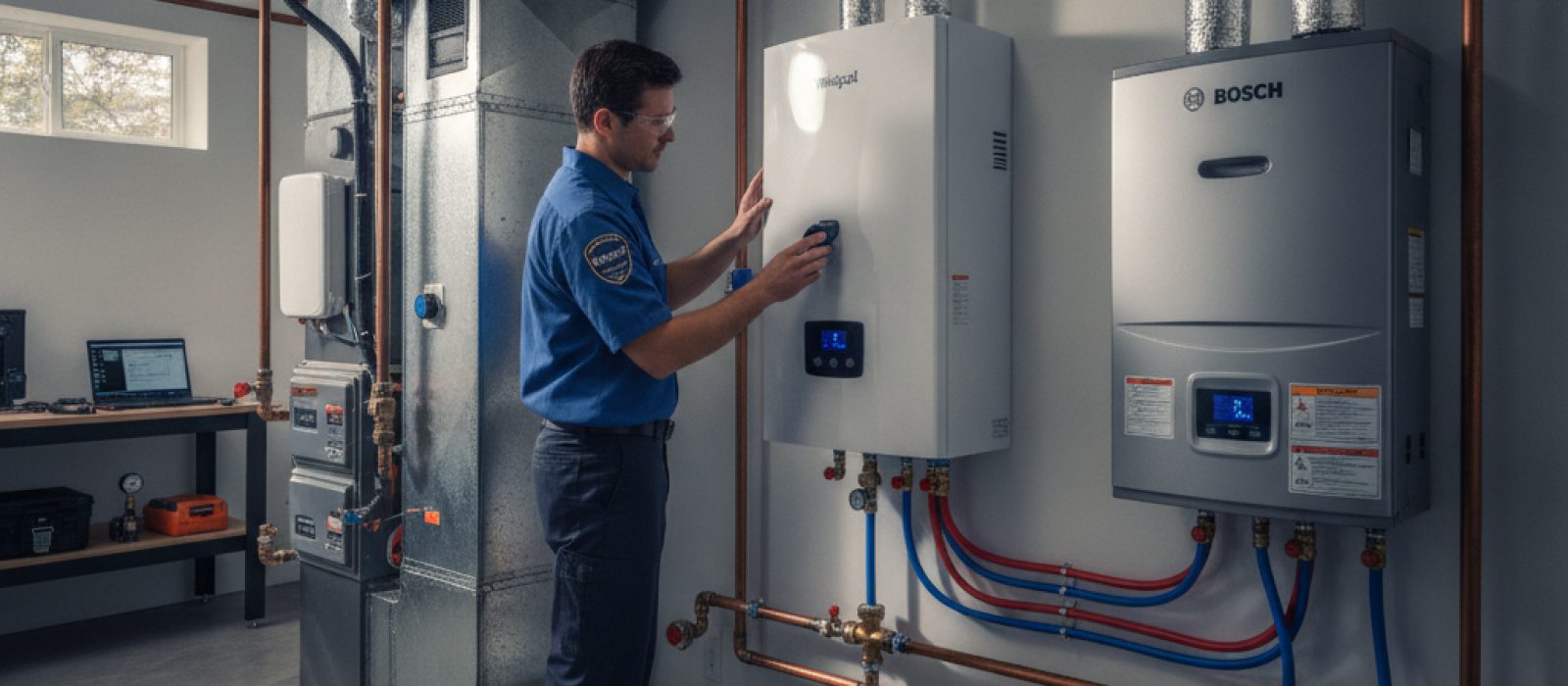
A practical guide to understanding the operational differences, maintenance needs, and common troubleshooting steps for Whirlpool and Bosch water heaters.
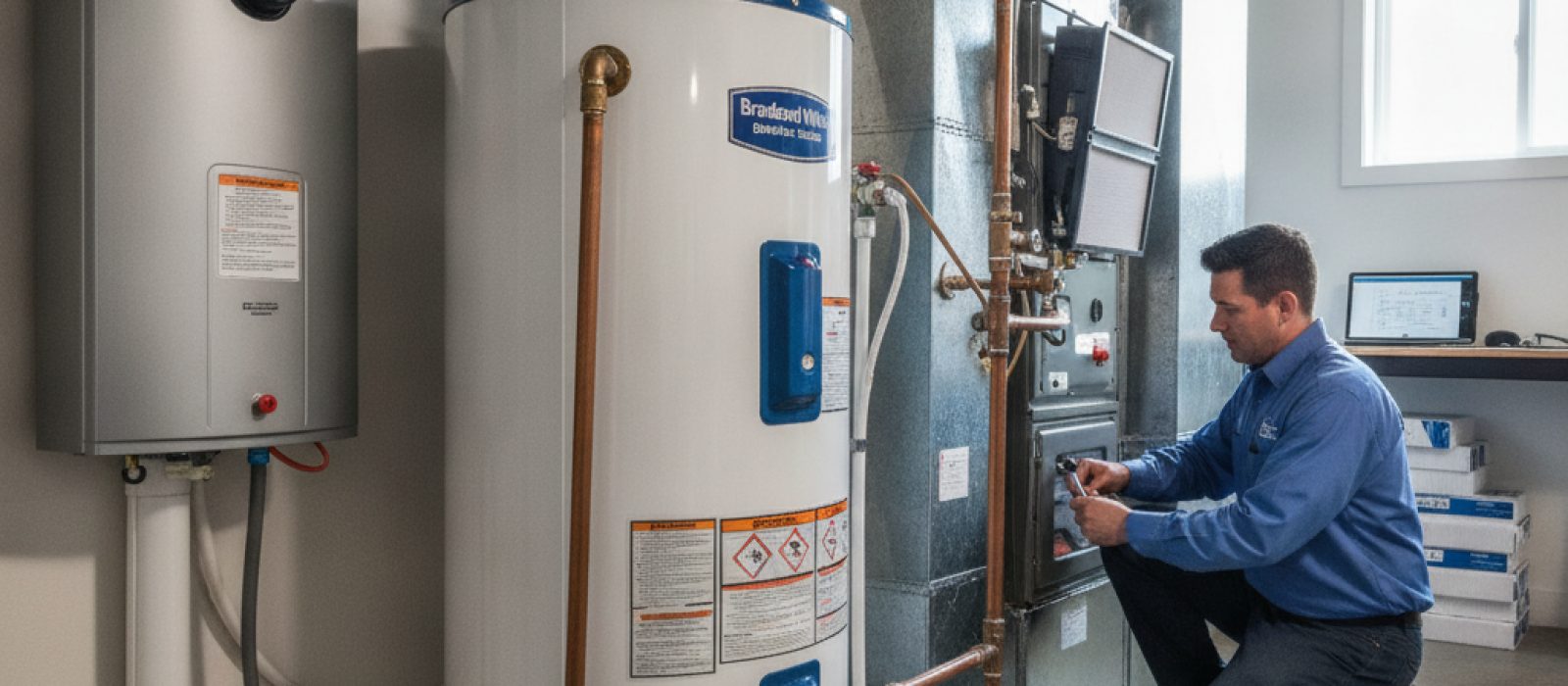
Learn how to choose between 40 and 75-gallon Bradford White water heaters and understand which model fits your home's hot water demands.
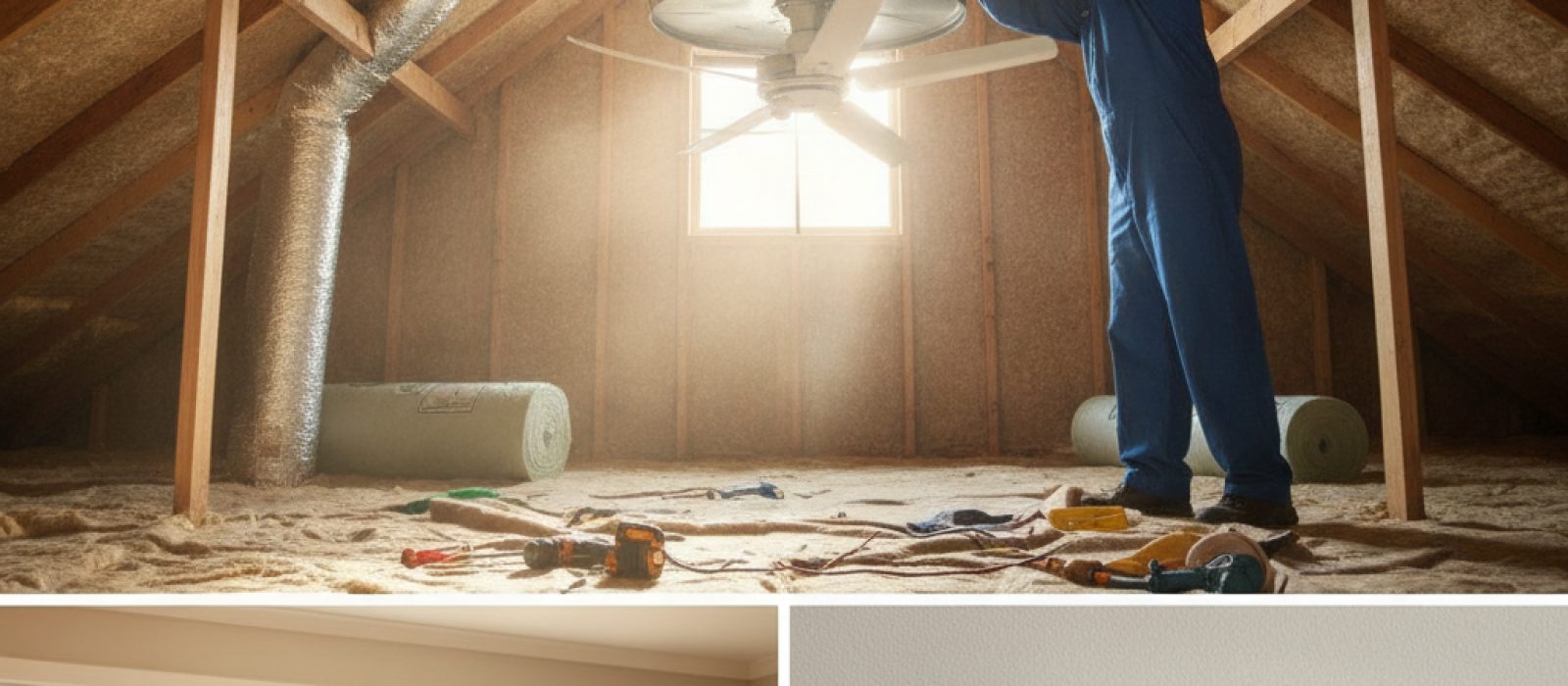
Learn how attic fans manage thermal buildup, the factors influencing installation costs, and the critical mistakes to avoid for a balanced home system.
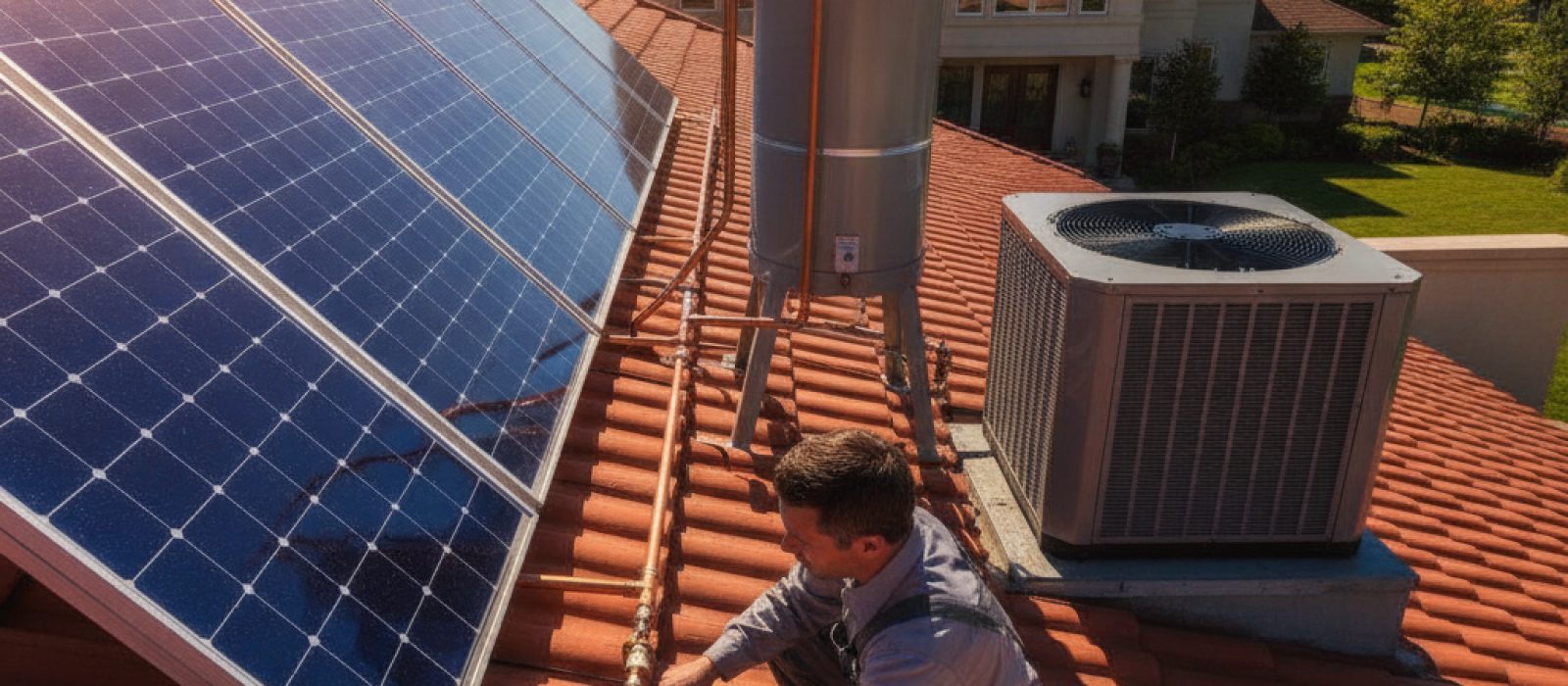
Understand the mechanics, efficiency benefits, and practical considerations of installing a solar-powered water heating system in your home.
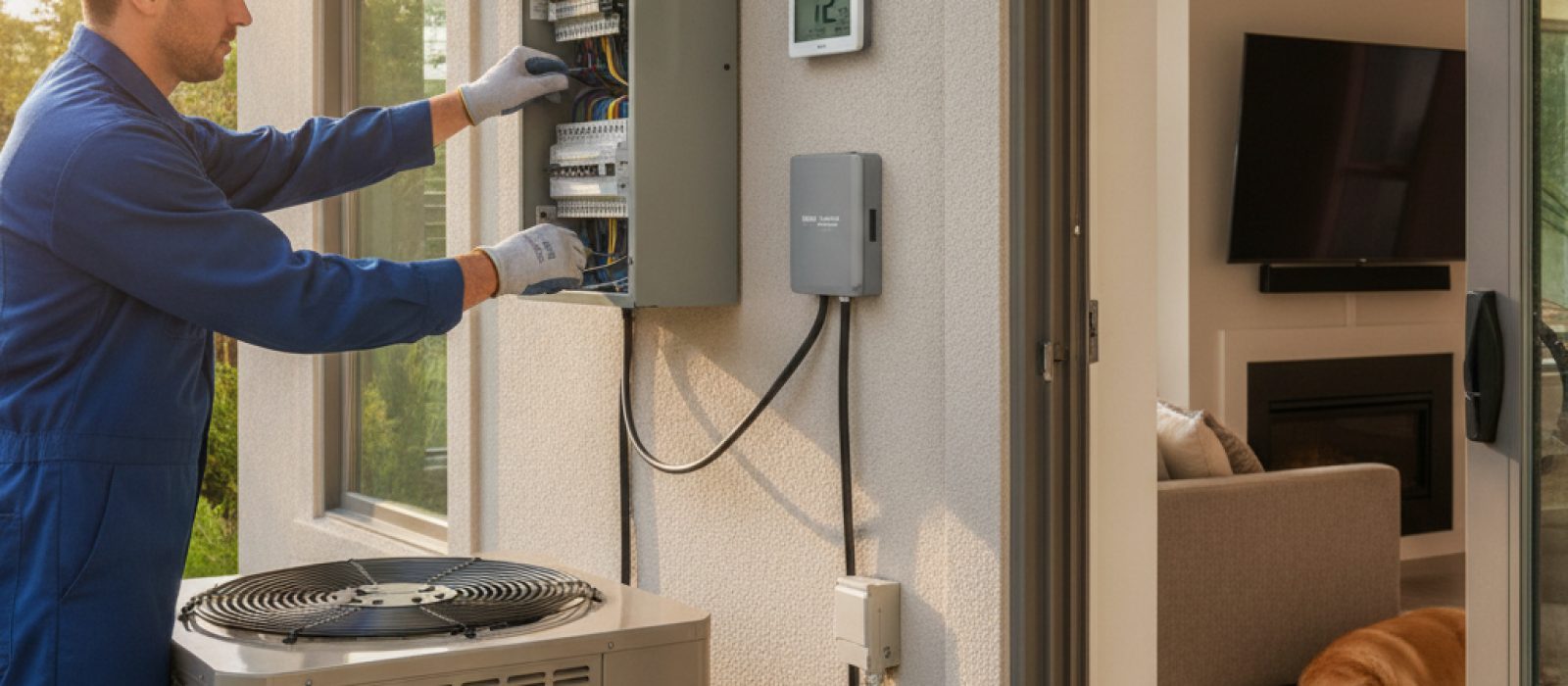
Learn how whole-house surge protectors safeguard sensitive HVAC equipment and home electronics from damaging power spikes and electrical surges.
Be the first to comment.